
The role of the Attorney General of Texas is a pivotal one within the state’s governmental structure, overseeing legal matters, representing the state in court, and safeguarding the interests of its citizens. While the immediate question might seem purely political, understanding who holds this office, their responsibilities, and their impact offers a unique lens through which to view the governance and legal landscape of a state as vast and dynamic as Texas. This exploration delves into the significance of the Attorney General’s office, not merely as a political appointment, but as a guardian of public welfare and a key player in shaping the state’s legal framework, with implications that can touch upon various facets of life, including the preservation of public spaces, consumer protection, and the enforcement of laws that impact businesses and individuals alike.

The Mandate and Powers of the Attorney General
The Attorney General of Texas serves as the state’s chief legal officer and the chief lawyer for the state and its agencies. This position, established by the Texas Constitution, bestows broad authority and significant responsibilities. The office is tasked with a multitude of duties, ranging from defending the state in lawsuits to prosecuting illegal activities and providing legal counsel to state officials and governmental bodies.
Key Responsibilities and Areas of Focus
The Attorney General’s office is broadly divided into divisions, each focusing on specific areas of law and public concern. These divisions work collaboratively to uphold the rule of law and protect the citizens of Texas.
Legal Representation and Defense
One of the primary functions of the Attorney General is to represent the state and its agencies in all legal proceedings, both in state and federal courts. This includes defending the state against lawsuits, appeals, and challenges to state laws. This can involve complex litigation that impacts major industries, environmental regulations, or the rights of Texans. The office ensures that the state’s interests are vigorously defended, safeguarding public funds and ensuring the constitutionality of state actions.
Consumer Protection
A significant aspect of the Attorney General’s mandate is consumer protection. The office actively investigates and prosecutes fraudulent and deceptive business practices that harm Texans. This includes areas such as predatory lending, telemarketing scams, identity theft, and unsafe products. Through enforcement actions, settlements, and public awareness campaigns, the Attorney General’s office aims to create a marketplace where consumers can engage with confidence, knowing that their rights are being protected. This can lead to the recovery of millions of dollars for consumers and the imposition of penalties on businesses that engage in misconduct.
Public Safety and Law Enforcement
The Attorney General’s office plays a crucial role in public safety by assisting local law enforcement agencies and prosecuting criminal cases. This can involve investigating and prosecuting complex criminal enterprises, including those involved in drug trafficking, organized crime, and cybercrime. The office also focuses on issues related to child exploitation and human trafficking, working to bring perpetrators to justice and protect vulnerable populations.
Environmental Protection
The Attorney General is a key protector of Texas’s natural resources. The office litigates cases involving environmental violations, working to ensure that businesses and individuals comply with state and federal environmental laws. This can involve actions to clean up pollution, protect water resources, and preserve the state’s diverse ecosystems. Protecting natural landmarks and ensuring sustainable practices are often part of these efforts.
Civil Rights Enforcement
The Attorney General’s office is committed to upholding the civil rights of all Texans. This includes investigating and addressing discrimination based on race, religion, gender, national origin, age, and disability. The office works to ensure equal opportunity and access to services for all citizens, pursuing legal action when these rights are violated.
The Current Attorney General of Texas
Understanding the current occupant of the Attorney General’s office provides insight into the current direction and priorities of legal and governmental actions within Texas. The Attorney General is a statewide elected official, serving a four-year term. The election process ensures that the Attorney General is accountable to the voters and reflects the will of the people of Texas.
Election and Tenure
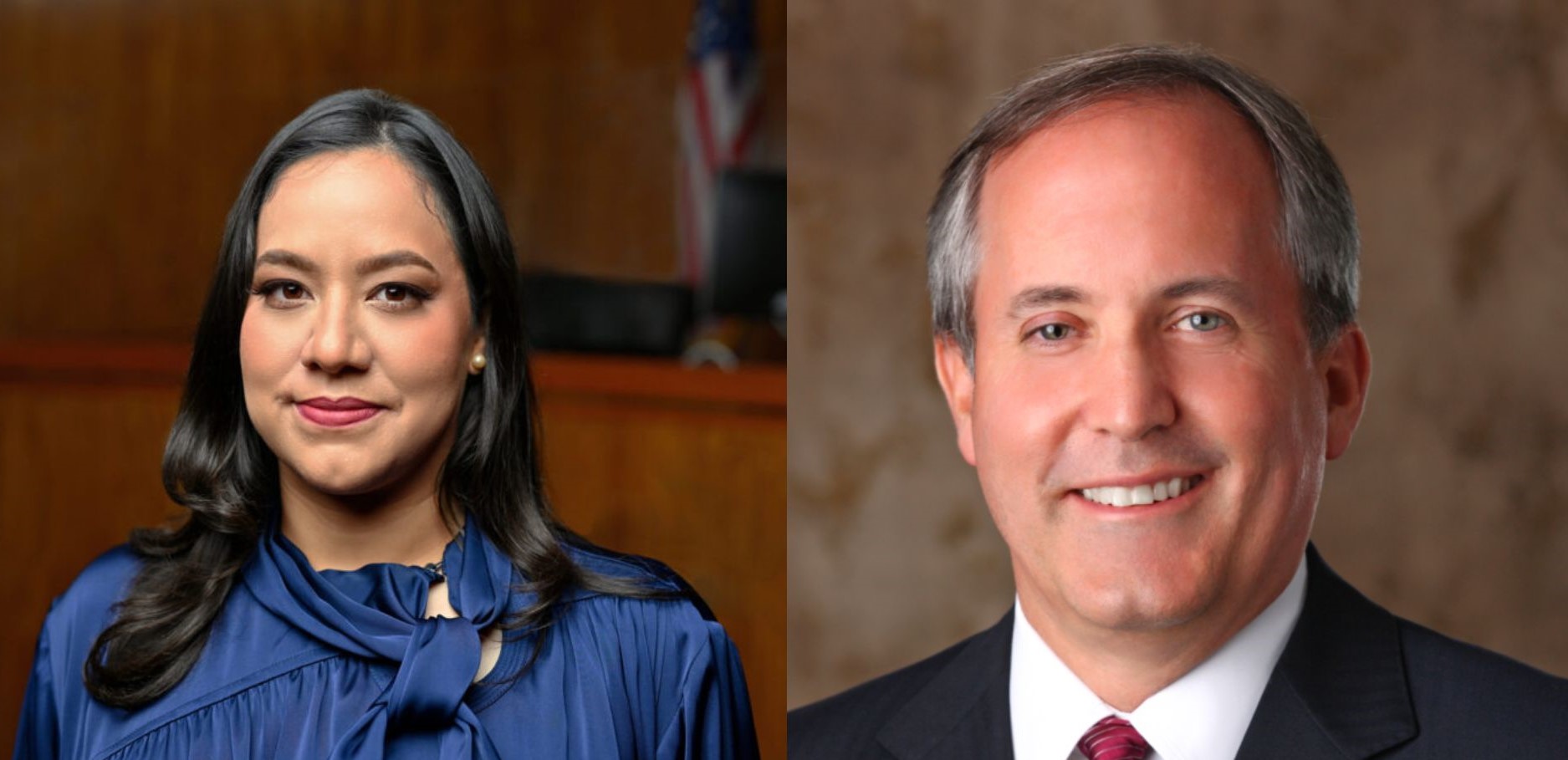
The Attorney General of Texas is elected in a statewide general election. This elected official then appoints first assistants and division chiefs to help manage the day-to-day operations of the office. The tenure of an Attorney General can span multiple terms, allowing for the implementation of long-term legal strategies and initiatives. The current Attorney General, Ken Paxton, has served in this capacity since 2015.
Political and Legal Stance

The political and legal stance of the Attorney General significantly influences the types of cases pursued and the positions taken on legal matters. Attorneys General often have a particular ideological bent that guides their interpretation of laws and their approach to enforcement. This can manifest in various ways, from the vigorous defense of state sovereignty against federal mandates to the aggressive prosecution of certain types of crime or the championing of specific policy initiatives. For instance, Ken Paxton has been known for his assertive stance on issues such as immigration, border security, and challenging federal regulations he deems overreaching. His office has been actively involved in numerous lawsuits against the federal government, often positioning Texas as a bulwark against what he perceives as federal overreach. This approach has garnered both strong support and significant criticism, highlighting the politically charged nature of the office.
Impact on Travel and Tourism
While the Attorney General’s office is primarily a legal and governmental entity, its actions can indirectly influence aspects of Texas’s travel and tourism sectors. Laws enforced and regulations upheld by the Attorney General’s office contribute to the overall environment in which tourism thrives.
Consumer Protection and Traveler Confidence
The Attorney General’s consumer protection efforts are vital for maintaining traveler confidence. By cracking down on deceptive practices in the travel industry, such as fraudulent accommodation bookings, misleading tour operator advertisements, or scams targeting tourists, the office helps ensure that visitors to Texas have positive and trustworthy experiences. This can involve investigating complaints against travel agencies, hotels, or attractions, and taking legal action to recoup losses for affected travelers. A strong consumer protection record fosters a sense of security for visitors, encouraging them to explore the diverse offerings of the state, from the historical sites in San Antonio to the vibrant music scene in Austin.
Environmental Stewardship and Natural Attractions
The Attorney General’s role in environmental protection has a direct bearing on the preservation of Texas’s natural attractions, which are a significant draw for tourists. By enforcing environmental laws, the office helps protect natural landmarks, parks, and recreational areas. This ensures that places like the Big Bend National Park, the Texas Hill Country, or the beautiful coastline along the Gulf of Mexico remain pristine and accessible for future generations. The legal battles fought by the Attorney General’s office to prevent pollution or illegal development in sensitive areas directly contribute to the preservation of these tourism assets.
Business Regulations and Hospitality Industry
The Attorney General’s office also influences the hospitality industry through its enforcement of business regulations. This can include ensuring fair competition, protecting workers’ rights within hotels and restaurants, and safeguarding against unfair business practices. A well-regulated business environment is crucial for the smooth functioning of the tourism sector, ensuring that hotels, restaurants, and other service providers operate ethically and efficiently. This indirectly supports the quality of experiences available to tourists visiting cities like Houston or Dallas.
The Broader Significance of the Attorney General’s Role
The Attorney General of Texas is more than just a legal advisor; they are a powerful advocate for the state and its citizens. The decisions made and the legal actions taken by this office have far-reaching implications, shaping public policy, protecting individual rights, and influencing the economic and social landscape of Texas. Understanding the responsibilities and the current leadership of this office provides valuable insight into the governance of this large and influential state.
Upholding the Law and Public Trust
At its core, the Attorney General’s office is about upholding the law and maintaining public trust. This involves ensuring that laws are applied fairly and consistently, that government functions within its legal boundaries, and that the rights of Texans are protected. The office serves as a crucial check and balance within the state government, wielding significant legal authority to hold individuals and entities accountable.
Shaping Policy Through Legal Action
Through litigation and legal opinions, the Attorney General’s office plays a significant role in shaping public policy. By taking on landmark cases, challenging federal actions, or defending state laws, the Attorney General can influence the direction of legal precedent and policy in Texas and even at the national level. This influence can touch upon a wide array of issues, from education and healthcare to energy and technology, impacting the lives of all Texans. The legal strategies employed by the Attorney General’s office can set new precedents or reinforce existing ones, creating a lasting impact on the state’s legal and political landscape.
Accountability and Transparency
In a democratic society, the actions of public officials must be subject to scrutiny and transparency. The Attorney General’s office, while wielding considerable power, is ultimately accountable to the citizens of Texas through the electoral process and the legal framework. Understanding who holds this office and how they are exercising their authority is essential for informed civic engagement and for ensuring that the interests of the public are being served. The office itself often champions transparency and access to public information through its work on open records and public information acts.
LifeOutOfTheBox is a participant in the Amazon Services LLC Associates Program, an affiliate advertising program designed to provide a means for sites to earn advertising fees by advertising and linking to Amazon.com. Amazon, the Amazon logo, AmazonSupply, and the AmazonSupply logo are trademarks of Amazon.com, Inc. or its affiliates. As an Amazon Associate we earn affiliate commissions from qualifying purchases.