
A Legacy of Land, Livestock, and Lasting Influence
King Ranch, a sprawling icon of Texas history and American enterprise, evokes images of vast ranches, legendary cowboys, and a way of life deeply intertwined with the land. For generations, its name has been synonymous with cattle ranching, horse breeding, and an enduring spirit. But beneath the romantic mystique lies a complex reality of ownership, stewardship, and a legacy that extends far beyond the boundaries of its legendary Texas soil. The question of “Who owns King Ranch?” is not a simple one of individual possession, but rather a story of a unique corporate structure, a commitment to conservation, and a family’s enduring dedication to a monumental inheritance.

The Genesis of a Texas Empire
The story of King Ranch begins with Captain Richard King, a visionary entrepreneur and seasoned riverboat captain. In the mid-19th century, King, along with his partner George Reynolds, began acquiring vast tracts of land in South Texas. The arid, seemingly inhospitable environment of the South Texas Plains was a challenge, but King saw its potential for cattle ranching. He recognized the natural suitability of the region for raising longhorn cattle, a breed known for its hardiness and ability to thrive in such conditions.
King’s initial acquisitions were driven by a pioneering spirit and an astute understanding of the burgeoning cattle industry. He invested in wells, fencing, and skilled labor, gradually transforming the rugged landscape into a thriving operation. By the time of his death in 1885, King Ranch had already established itself as one of the largest and most successful ranches in Texas, setting the stage for its future growth and diversification. The ranch’s early success was a testament to King’s foresight, his resilience in the face of adversity, and his profound connection to the land he cultivated. This foundational period laid the groundwork for the enduring legacy that would be passed down through generations.
A Family’s Enduring Stewardship
Following Captain Richard King’s death, the ownership and management of King Ranch passed to his descendants. The family’s commitment to the ranch has been a defining characteristic of its history. While individual family members may have held varying roles and responsibilities over the decades, the overarching principle has been one of collective stewardship. The King family has navigated the complexities of maintaining such a vast enterprise, adapting to changing economic landscapes, and preserving the ranch’s rich heritage.
The ranch’s remarkable longevity is a direct result of this sustained family involvement. Unlike many large estates that have been broken up or sold off over time, King Ranch has remained a unified entity, a testament to the family’s dedication. This continuity has allowed for the implementation of long-term strategies in land management, livestock breeding, and environmental conservation, ensuring that the ranch’s resources are sustained for future generations. The family’s approach has always been characterized by a deep respect for the land and a commitment to upholding the pioneering spirit of its founder.
The Corporate Structure: Beyond Individual Ownership
The contemporary ownership of King Ranch is not vested in a single individual but rather in a complex corporate structure that primarily encompasses the descendants of Captain Richard King and his wife, Henrietta Miller King. This structure ensures that the ranch is managed as a business entity, with a focus on profitability, sustainability, and the long-term preservation of its assets.
The King Ranch, Inc. is the operating company, and its governance involves a board of directors that includes family members and experienced business professionals. This hybrid model combines family heritage with professional management, a crucial element for the continued success of an operation of this magnitude. Decisions regarding land use, cattle operations, and diversification are made with a dual consideration for economic viability and the preservation of the ranch’s historical and ecological significance.
The family’s collective ownership means that the prosperity and future of King Ranch are shared among a broad group of descendants. This diffused ownership structure, while complex, has been instrumental in preventing fragmentation and ensuring a unified vision for the ranch’s future. It fosters a sense of shared responsibility and a collective commitment to the land and its legacy.
King Ranch Today: Diversification and Conservation
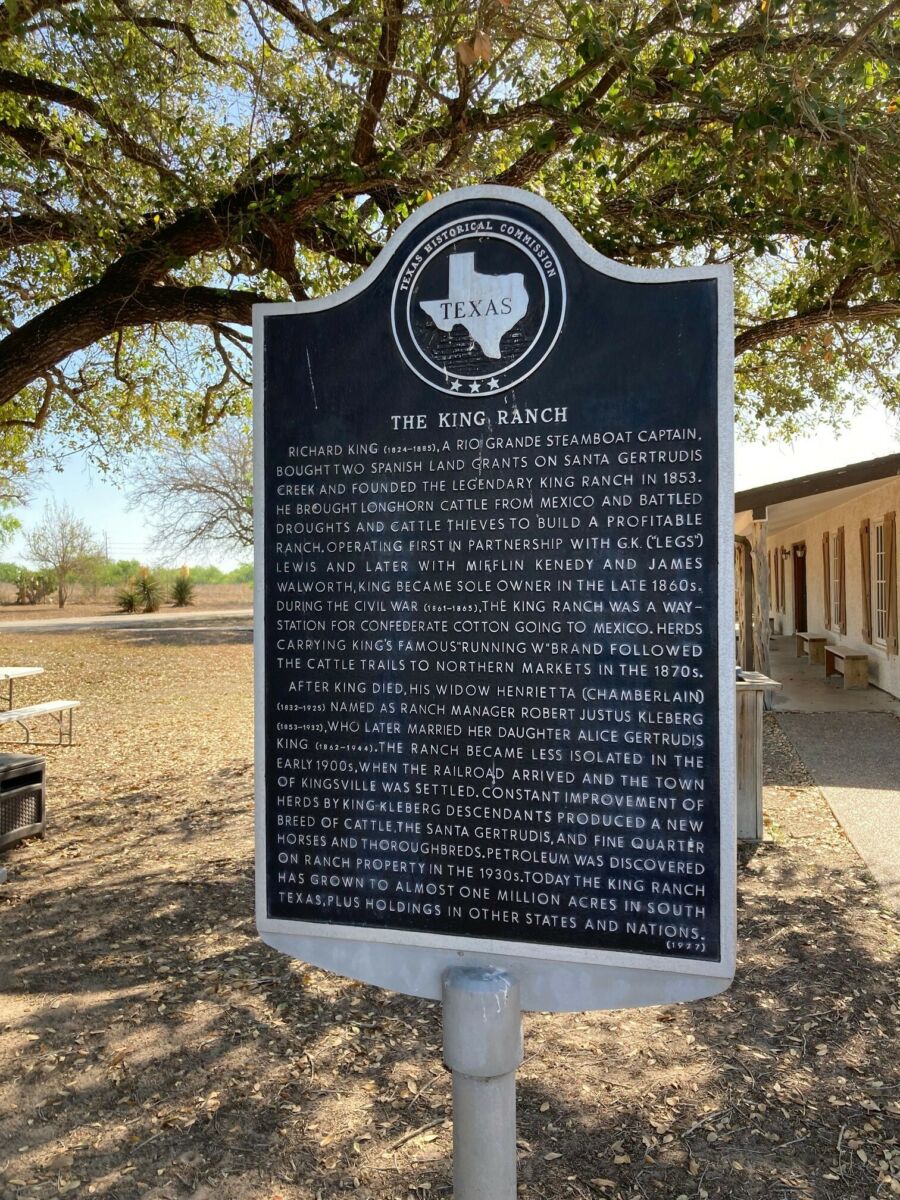
King Ranch is far more than just a cattle operation today. Over its more than 170-year history, it has evolved into a diversified enterprise. While cattle ranching remains a cornerstone, the ranch has expanded its reach into other areas, demonstrating remarkable adaptability and business acumen.
Livestock and Equine Excellence
The legacy of King Ranch’s livestock operations is legendary. The ranch is renowned for its breeding programs, particularly in quarter horses and cattle. The “Red and White” brand, a symbol of King Ranch, is recognized worldwide for its association with quality and performance. The development of specialized cattle breeds, such as the Santa Gertrudis – a cross between Brahman and Shorthorn cattle – highlights the ranch’s innovation in livestock management, creating animals better suited to the Texas climate and conditions. Similarly, its horse breeding program has produced some of the most celebrated cutting and reining horses in the equestrian world. The commitment to breeding excellence continues to be a vital component of the ranch’s identity and economic success.
Agricultural Ventures
Beyond livestock, King Ranch engages in various agricultural pursuits. This includes the cultivation of crops such as cotton, sorghum, and citrus fruits. These diversified agricultural activities contribute to the ranch’s economic stability, providing multiple revenue streams and mitigating risks associated with any single commodity. The efficient management of these diverse agricultural operations showcases the modern approach to land stewardship that the ranch embodies.
Real Estate and Development
In recent decades, King Ranch has also ventured into real estate development and land management services. This involves strategic land sales, leasing opportunities, and the development of residential and commercial properties on land that is not actively used for ranching. These ventures are carefully planned to align with the ranch’s overall vision, ensuring that any development is sustainable and respects the surrounding environment. This strategic approach to real estate allows the ranch to leverage its vast land holdings while maintaining its core identity.
The King Ranch Brand: More Than Just a Symbol
The iconic “King Ranch” brand extends far beyond the ranch gates. The company has licensed its name and imagery for a wide range of products, including Western wear, home furnishings, and even food items. This brand licensing strategy has not only generated significant revenue but has also helped to popularize the mystique and heritage of King Ranch globally. It allows people from all walks of life to connect with the ranch’s story and its enduring appeal, transforming a historical enterprise into a recognized consumer brand.
Conservation Efforts: A Responsibility to the Land
A defining aspect of King Ranch’s modern identity is its deep commitment to conservation. Recognizing the ecological significance of its vast landholdings, the ranch has implemented extensive programs to protect and preserve its natural resources. This includes managing wildlife habitats, protecting native vegetation, and promoting sustainable land use practices.
The ranch’s efforts extend to managing endangered species and their habitats within its boundaries. This proactive approach to environmental stewardship is not only ethically responsible but also strategically important, as it helps to maintain the long-term health and productivity of the land. The King family views itself as custodians of a natural heritage, and their conservation initiatives reflect this profound sense of duty. The ranch’s commitment to conservation serves as a model for other large landholders, demonstrating that economic success and environmental responsibility can indeed go hand-in-hand.

The Enduring Spirit of King Ranch
In answering the question of who owns King Ranch, the most accurate response is that it is owned by the collective descendants of Captain Richard King and Henrietta Miller King, managed through a sophisticated corporate structure that prioritizes long-term sustainability, diversification, and an unwavering commitment to conservation. It is a testament to a family’s enduring vision, their ability to adapt to changing times, and their profound respect for the land that has shaped their legacy.
King Ranch is more than just a property; it is an institution, a living piece of Texas history, and a symbol of American enterprise that continues to thrive. Its ownership is a story of shared responsibility, a dedication to preserving a rich heritage, and a forward-looking approach that ensures its iconic status will endure for generations to come. The “King Ranch” brand continues to inspire, representing a blend of tradition, innovation, and the untamed spirit of the American West.
LifeOutOfTheBox is a participant in the Amazon Services LLC Associates Program, an affiliate advertising program designed to provide a means for sites to earn advertising fees by advertising and linking to Amazon.com. Amazon, the Amazon logo, AmazonSupply, and the AmazonSupply logo are trademarks of Amazon.com, Inc. or its affiliates. As an Amazon Associate we earn affiliate commissions from qualifying purchases.