
The historic rivalry between the University of Texas and Texas A&M University is more than just a football game; it’s a cultural touchstone for the entire state of Texas. While the outcome of each year’s contest is eagerly anticipated by students, alumni, and sports enthusiasts alike, the spirit of this rivalry extends far beyond the scoreboard, deeply interwoven with the state’s identity, local attractions, and the unique tourism landscape it fosters. This article delves into the significance of the “Texas vs. Texas A&M” game within the broader context of Texas tourism, exploring how this event draws visitors, shapes local economies, and showcases the rich heritage of the Lone Star State.
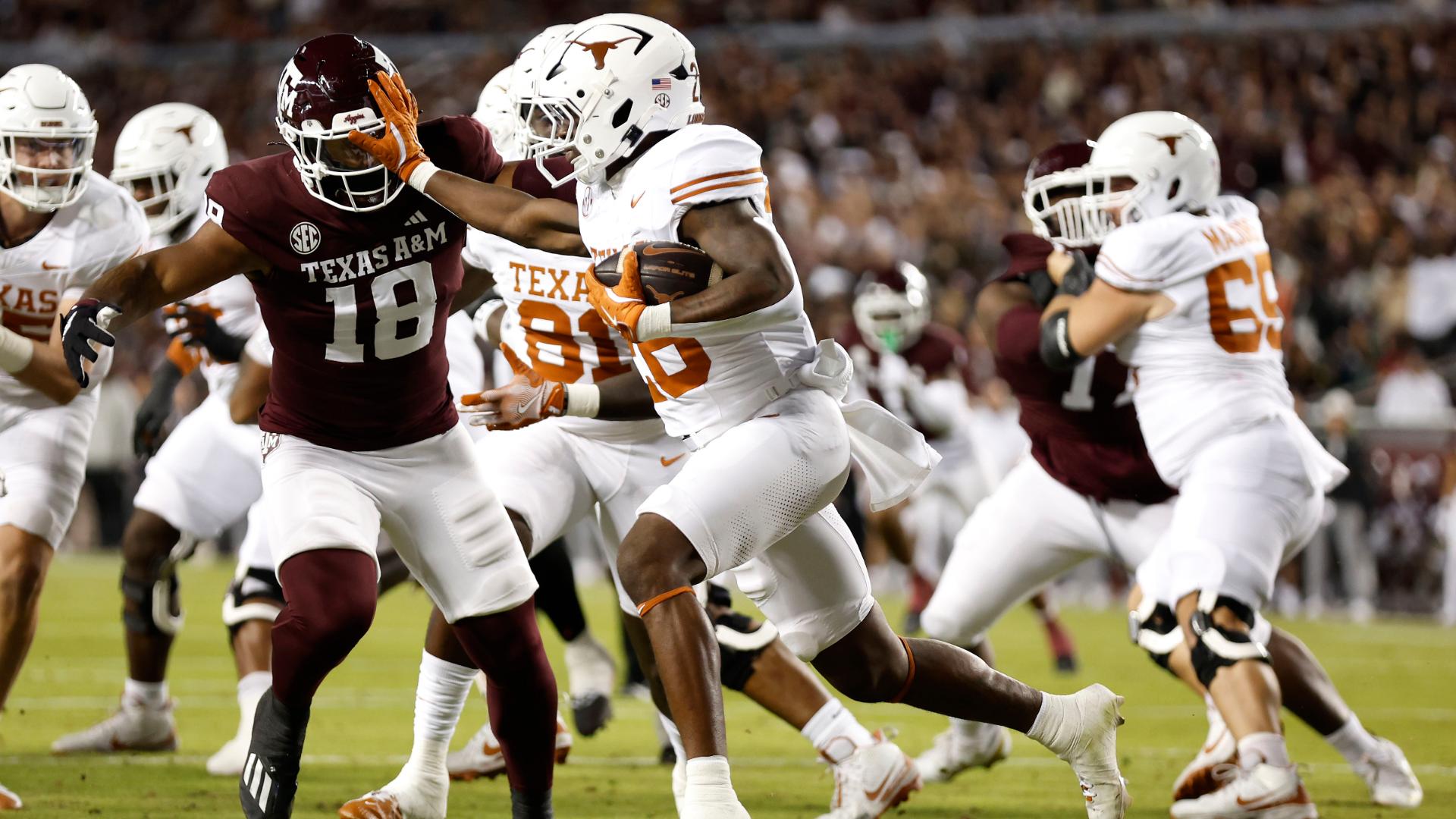
The Rivalry’s Deep Roots and Cultural Impact
The tradition of “The Rivalry,” as it’s often called, dates back over a century, creating a generational legacy of passionate support for both the Longhorns and the Aggies. This intense competition has fostered distinct traditions, chants, and a sense of belonging that resonates throughout Texas. The game serves as a focal point for a significant portion of the year, influencing travel plans, hotel bookings, and the overall tourism surge in the host city.
Historical Significance and Game Day Traditions
The genesis of the rivalry lies in a series of disputes and evolving athletic competitions between the two flagship institutions of higher learning in Texas. Over the decades, this has culminated in one of the most anticipated football matchups in the NCAA. Game days are characterized by vibrant displays of school colors, elaborate tailgating festivities, and a palpable sense of energy that engulfs the surrounding areas. The traditions associated with each university, such as the Aggie Bonfire in the past or the various pre-game ceremonies, contribute to the spectacle and historical depth of the event. This historical weight makes attending a game an immersive cultural experience, attracting not just die-hard fans but also those interested in experiencing a unique aspect of Texan culture.
The Economic Ripple Effect on Tourism
The annual “Texas vs. Texas A&M” football game is a significant economic driver for the host city. Whether played in Austin at the University of Texas at Austin or in College Station at Texas A&M University, the influx of tens of thousands of visitors creates a substantial boost for local businesses. This includes hotels, restaurants, transportation services, and retail establishments. For tourism operators, this event represents a peak season, requiring careful planning and marketing to accommodate the surge in demand. The economic impact is not limited to the immediate vicinity of the stadiums; it often extends to nearby cities and towns as fans seek accommodations or choose to extend their stay to explore other Texas attractions.
Game Day Destinations and Visitor Experiences
The “Texas vs. Texas A&M” game transforms two distinct Texas cities into vibrant hubs of activity, each offering unique visitor experiences that complement the football spectacle. Understanding these destinations is key for anyone planning to attend or simply immerse themselves in the atmosphere surrounding this iconic rivalry.
Austin: The Live Music Capital and Its Collegiate Charm
When the game is hosted in Austin, visitors are treated to a dual experience: the electrifying atmosphere of college football and the city’s renowned cultural offerings. Austin, famously known as the “Live Music Capital of the World,” provides a plethora of entertainment options beyond the gridiron. Fans can explore iconic venues on Sixth Street or discover emerging artists in the South Congress district. The city boasts a diverse culinary scene, from classic Texas barbecue joints to innovative farm-to-table restaurants. Accommodations range from luxury downtown hotels like the JW Marriott Austin to boutique inns and vacation rentals, catering to every budget and preference. For those attending the game, the proximity to the University of Texas at Austin campus means easy access to a lively college town environment, complete with student bars, eateries, and shops. The campus itself, with its historic buildings and iconic landmarks like the Texas State Capitol, offers opportunities for exploration.
College Station: The Heart of Aggieland
Conversely, when the game takes place in College Station, the focus shifts entirely to the passionate spirit of Texas A&M University. The city is designed around the university, creating an immersive “Aggieland” experience. Game days here are marked by the unique traditions of the Aggies, including the renowned “Midnight Yell Practice” held the night before the game, a tradition that draws thousands of students and fans to the Kyle Field area. The local culture is deeply influenced by the university’s traditions and the strong sense of community known as the “Aggie Network“. Visitors can explore the George H.W. Bush Presidential Library and Museum, a significant landmark that offers a glimpse into American history. Dining options often lean towards classic comfort food and lively sports bars that cater to the student population. Hotels in College Station can fill up quickly, with many fans opting for lodging in nearby Bryan or booking accommodations months in advance. The experience in College Station is one of deep immersion into the Aggie identity, a more intimate and tradition-bound encounter compared to the broader urban appeal of Austin.
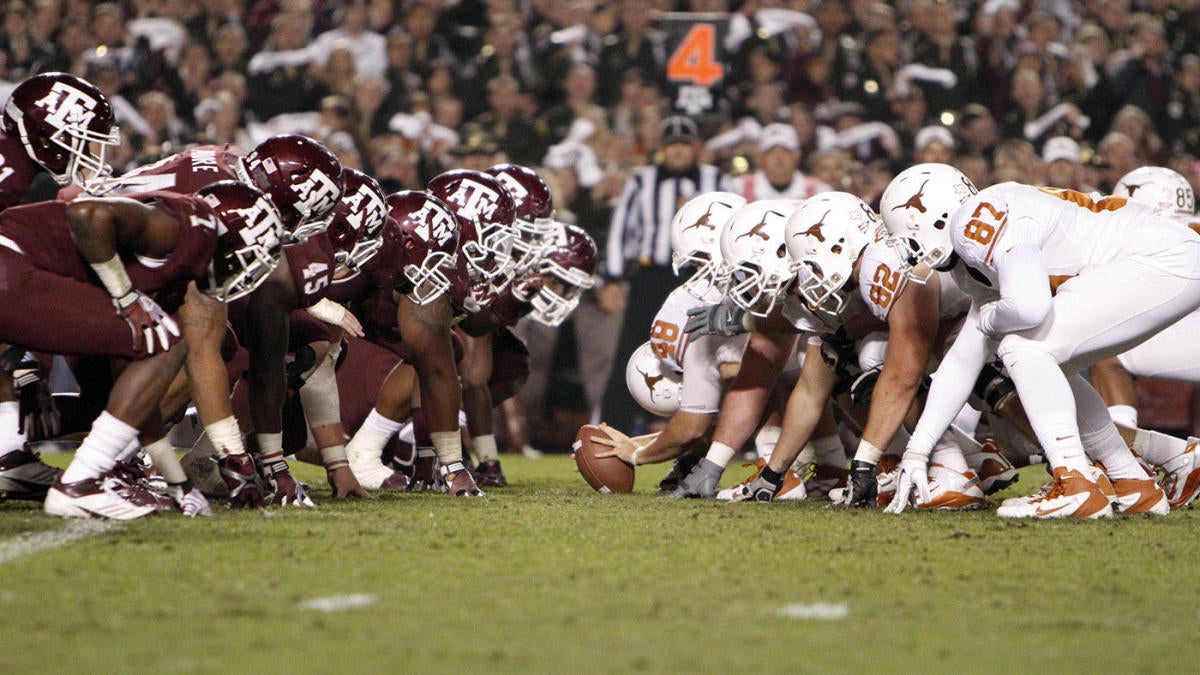
Planning Your Game Day Trip: Tips for Tourists
Attending the “Texas vs. Texas A&M” game is an experience that requires foresight and planning, especially for tourists looking to maximize their enjoyment and navigate the logistical complexities of a major sporting event. Understanding the nuances of booking, local customs, and itinerary building can transform a potentially stressful trip into a memorable adventure.
Booking Accommodations and Tickets in Advance
Given the immense popularity of the rivalry, booking accommodations and game tickets well in advance is paramount. Hotels in both Austin and College Station, as well as surrounding areas, are often fully booked six months to a year ahead of the game. Travelers should explore various lodging options, including hotels, motels, vacation rentals through platforms like Airbnb or Vrbo, and even consider staying in nearby cities that offer reliable transportation to the game venue. Ticket purchasing also requires diligence. Official university ticket exchanges, reputable third-party resellers, and fan forums are common avenues, but vigilance against scams is crucial. Prices can fluctuate significantly based on demand, seat location, and the perceived importance of the matchup. Early booking not only secures a spot but can also offer more favorable pricing.
Navigating Transportation and Game Day Logistics
Game days are characterized by significant traffic congestion around the stadiums. Visitors should familiarize themselves with parking options at or near the venue, which often require pre-purchased permits. Many attendees opt for ride-sharing services, public transportation (where available), or designated shuttle services provided by universities or local businesses. Understanding the stadium’s entry policies, including prohibited items and bag restrictions, is essential to avoid delays. For those unfamiliar with Texas driving habits or the specific layouts of Austin or College Station, consulting GPS applications and allowing ample extra travel time is highly recommended. Exploring the local culture on the days leading up to or following the game can be a rewarding experience, offering a chance to visit Texas landmarks or enjoy local cuisine without the immediate game-day rush.
Embracing the Local Culture and Attractions
Beyond the thrill of the game itself, the “Texas vs. Texas A&M” rivalry offers a unique opportunity to engage with the distinctive culture of Texas. In Austin, this could involve visiting the Barton Creek Greenbelt for outdoor recreation, exploring the Blanton Museum of Art, or experiencing the vibrant atmosphere of a local farmers’ market. In College Station, immersing oneself in the traditions of Texas A&M University, such as attending a Corps of Cadets formation or visiting the Bonfire Memorial, provides a deeper understanding of the university’s heritage. Engaging with locals, trying regional specialties like breakfast tacos or brisket, and respecting the passionate fan bases are all part of the rich tapestry of this annual event. The rivalry, while intense on the field, often fosters a spirit of friendly competition and a shared appreciation for Texan hospitality among visitors and residents alike.
The Enduring Appeal of a Collegiate Showdown
The “Texas vs. Texas A&M” game, regardless of its annual winner, stands as a testament to the enduring power of collegiate athletics to shape cultural identity and drive tourism. It’s an event that encapsulates the spirit of Texas – passionate, proud, and deeply rooted in tradition.
Beyond the Scoreboard: A Legacy of Tourism
The narrative of who won the game each year is but a single chapter in a much larger story of how this rivalry contributes to Texas tourism. It’s a story of packed stadiums, bustling hotels, and vibrant communities united by a shared experience. The economic impact, the cultural immersion, and the unique visitor experiences offered in both Austin and College Station solidify the game’s status as a premier event on the Texas calendar. It draws families, friends, and alumni back to the state, many of whom extend their visits to explore other Texas destinations, further benefiting the state’s diverse tourism sector.
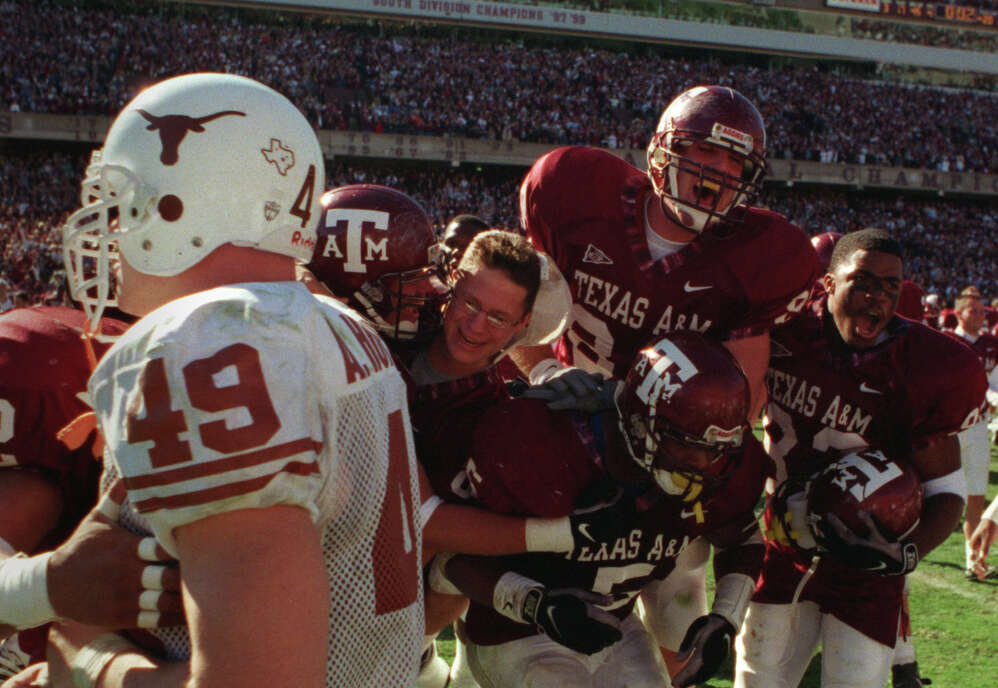
A Symbol of Texas Pride and Community
Ultimately, the “Texas vs. Texas A&M” game is more than just a sporting contest; it’s a symbol of Texas pride and a powerful force for community building. It brings together diverse groups of people under a common banner of support, fostering a sense of belonging that transcends the rivalry itself. For tourists, it offers an authentic glimpse into the heart of Texan culture, leaving them with memories that extend far beyond the final score. This annual spectacle continues to be a cornerstone of Texas’s tourism landscape, promising excitement and engagement for years to come.
LifeOutOfTheBox is a participant in the Amazon Services LLC Associates Program, an affiliate advertising program designed to provide a means for sites to earn advertising fees by advertising and linking to Amazon.com. Amazon, the Amazon logo, AmazonSupply, and the AmazonSupply logo are trademarks of Amazon.com, Inc. or its affiliates. As an Amazon Associate we earn affiliate commissions from qualifying purchases.