
The sight of flags flying at half-mast across the state of Texas is a poignant reminder of shared grief and respect. This practice, deeply rooted in tradition and law, signifies mourning for significant losses, whether at the state, national, or international level. Understanding the protocols and the reasons behind these solemn displays offers a deeper insight into the civic and cultural landscape of the Lone Star State and the broader United States.
The Significance of Half-Mast Displays
The tradition of flying a flag at half-mast, or half-staff, is a universally recognized symbol of mourning and respect. This gesture is reserved for moments of profound loss, serving as a visual tribute to departed leaders, fallen heroes, or victims of tragic events. In Texas, as across the nation, the flag represents the collective identity and values of its people. When flown at half-mast, it signifies that the community is united in sorrow.

Historical Roots of the Custom
The practice of lowering flags as a sign of mourning has a long and varied history, with roots tracing back to naval traditions. Mariners would fly their flags at half-mast to symbolize that the ship’s captain or a high-ranking officer had died. The idea was to “replant” the flag at the peak of the mast, signifying that the spirit of the deceased had ascended. While the exact origins are debated, the practice gained widespread adoption and formalization over centuries. In the United States, the U.S. Flag Code provides guidelines for the display of the American flag, including when it should be flown at half-mast. State governments, including Texas, often follow similar protocols, adapting them to reflect state-specific traditions and regulations.
Legal Framework and Protocols
In Texas, the lowering of flags is not merely a matter of sentiment but is often governed by specific directives and established protocols. The Governor of Texas has the authority to order flags to be flown at half-mast on state buildings and grounds in response to significant events. These orders can be issued for national tragedies, the passing of former U.S. Presidents or Texas Governors, or in remembrance of victims of specific disasters. The U.S. Flag Code, which guides the display of the American flag, also dictates that state flags should generally follow the same protocols. This ensures a unified display of respect across the nation.
The U.S. Flag Code outlines specific circumstances for half-mast displays, including:
- The death of the President, Vice President, Chief Justice, or Speaker of the House.
- The death of a former President, Vice President, or Associate Justice.
- The death of a sitting Supreme Court Justice, Secretary of the military departments, a Senate member, or a House of Representatives member.
- The death of a governor of a U.S. state, territory, or possession.
- The death of a former governor of a U.S. state, territory, or possession.
- The death of a former Speaker of the House of Representatives.
- The death of a former Vice President.
- The death of a U.S. territorial governor.
- The death of a distinguished American citizen (as designated by the President).
- The death of U.S. military personnel killed in the line of duty.
- The death of first responders killed in the line of duty.
- In commemoration of Memorial Day (from sunrise to noon only).
- In observance of Patriot Day (September 11th).
When a directive is issued, it typically specifies the duration for which the flags should remain at half-mast. This period allows for collective mourning and remembrance.
Triggers for Half-Mast Orders in Texas
The decision to lower flags in Texas is usually prompted by events of significant gravity, impacting the state, the nation, or even the international community. These triggers can range from the passing of esteemed leaders to acts of profound violence or natural disasters.
Official Mourning for Leaders
One of the most common reasons for flags to be flown at half-mast is the death of a prominent political figure. In Texas, this includes the passing of current or former Governors, U.S. Senators representing the state, and U.S. Representatives from Texas. Similarly, the death of a sitting U.S. President or Vice President, or a former President or Vice President, will invariably lead to flags being lowered nationwide, including across Texas. This gesture acknowledges the individual’s service and the void left by their departure.
Commemoration of Tragic Events
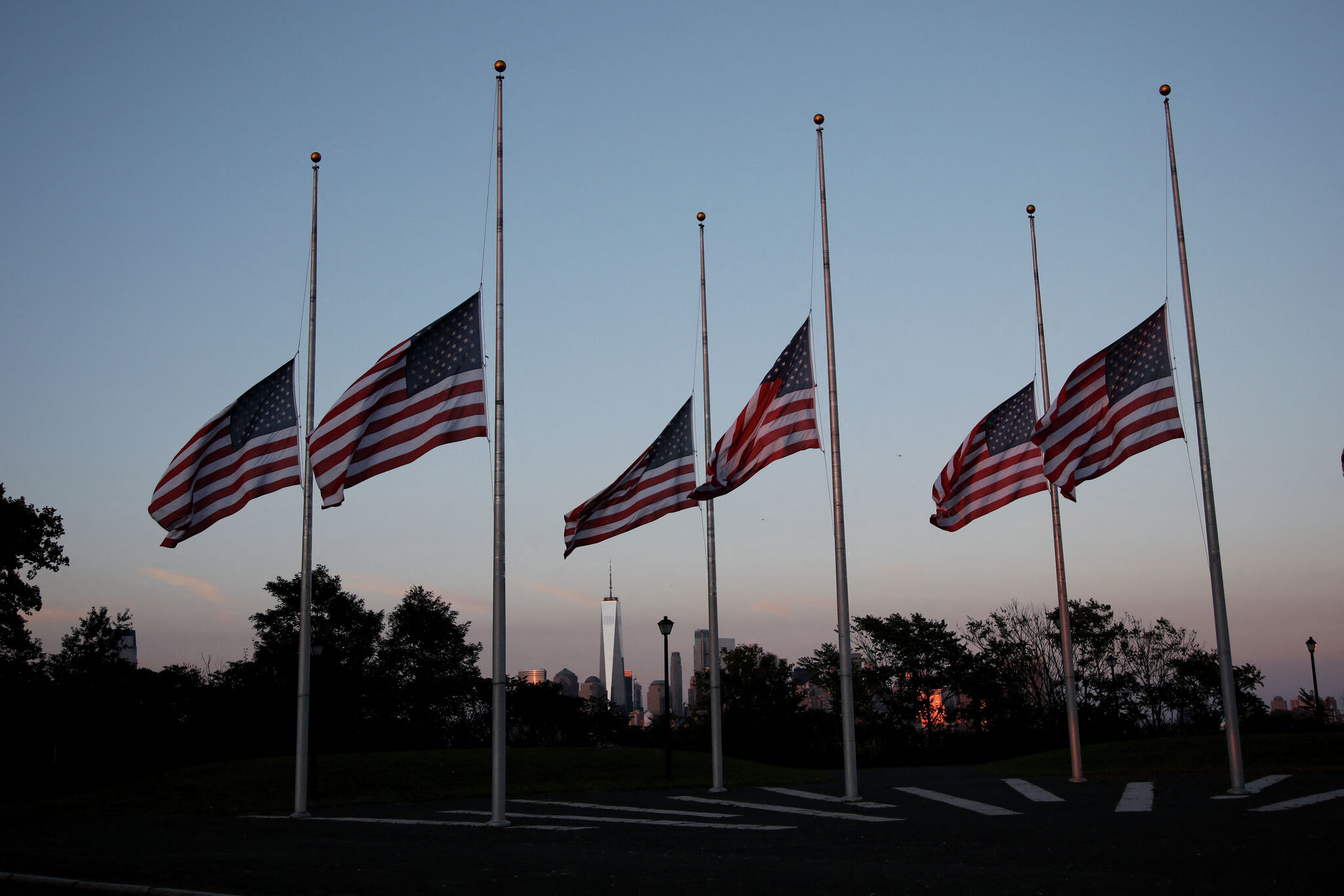
Tragic events, whether acts of terrorism, mass shootings, or devastating natural disasters, often prompt calls for flags to be lowered to half-mast. These displays serve as a collective expression of sympathy and solidarity with the victims and their families. For instance, following a significant attack on U.S. soil or a catastrophic event that results in widespread loss of life, presidential or gubernatorial directives are typically issued to lower flags. The intention is to honor those lost and to demonstrate a united front in the face of adversity. The Oklahoma City bombing is a stark example of a national tragedy that led to widespread half-mast displays.
Remembrance of Fallen Heroes
The sacrifice of military personnel and first responders in the line of duty is deeply respected across Texas. Flags are often flown at half-mast to honor fallen soldiers, police officers, firefighters, and other emergency service workers. This practice acknowledges their bravery and the ultimate price they paid in service to their communities and country. For specific events, such as military funerals or ceremonies honoring fallen law enforcement officers, the directive might be more localized or for a specific period.
The Act of Flying a Flag at Half-Mast
The physical act of lowering a flag to half-mast is a precise procedure, often carried out with solemnity and care. There are specific rules to ensure the gesture is performed correctly and respectfully.
Proper Procedure for Lowering
To fly a flag at half-mast, it must be lowered carefully from the peak of the staff to a position approximately two-thirds of the way down the staff. This ensures that the flag does not appear to be at half-mast due to a lack of strength or respect, but rather as a deliberate act of mourning. When lowering the flag at the end of the day, it should first be raised to the peak and then lowered to half-mast before being finally taken down. Conversely, if a flag is already at half-mast and is to be returned to full-staff, it should first be raised to the peak and then lowered to full-staff.
The “Replanting” Ritual
In a symbolic gesture that reinforces the meaning of the half-mast display, there is often a ritual of “replanting” the flag. When a flag is to be returned to full-staff, it is first raised briskly to the peak of the staff for a moment before being lowered to its normal position. This action is said to represent the spirit of the deceased returning to or ascending to its rightful place. This tradition, while not always formally mandated in every circumstance, is often observed with respect and reverence.
Beyond the State: National and International Implications
While the question “Why are flags half mast in Texas?” often pertains to state-level directives, it is crucial to remember that Texas is part of the United States, and its flag protocols often align with national standards.
Alignment with U.S. Flag Code
The U.S. Flag Code, established by Congress, serves as a guide for the respectful display of the American flag. State flags are generally expected to follow these guidelines, although states may have their own specific laws or executive orders that supplement or, in some cases, slightly modify these protocols. When the President of the United States orders flags to be flown at half-mast, this directive typically extends to all federal buildings and U.S. territories and possessions, and often influences the decisions of state and local governments.

Moments of Global Grief
On rare occasions, significant international events may also prompt flags in Texas to be lowered. This could be in response to the passing of a major world leader, a widely felt global tragedy, or in solidarity with another nation experiencing profound loss. These instances underscore the interconnectedness of the world and the shared human experience of grief and remembrance. For example, after a major natural disaster in another country that results in a significant loss of life, or the death of a revered international figure, a directive might be issued for flags to be lowered as a sign of global solidarity.
The practice of flying flags at half-mast in Texas is more than just a visual cue; it is a deeply ingrained cultural and civic tradition that signifies collective mourning, respect, and remembrance. Whether in response to the loss of a beloved leader, the tragedy of a devastating event, or the sacrifice of heroes, the lowered flag serves as a powerful symbol of shared humanity and collective sentiment. Understanding these protocols provides a richer appreciation for the ways communities express solidarity and honor those who have been lost.
LifeOutOfTheBox is a participant in the Amazon Services LLC Associates Program, an affiliate advertising program designed to provide a means for sites to earn advertising fees by advertising and linking to Amazon.com. Amazon, the Amazon logo, AmazonSupply, and the AmazonSupply logo are trademarks of Amazon.com, Inc. or its affiliates. As an Amazon Associate we earn affiliate commissions from qualifying purchases.