
The arid plains and sprawling landscapes of Texas conjure images of cowboy boots, wide-open spaces, and, for many, a distinct lack of subterranean living. While basements are a common feature in homes across much of the United States, they are a rarity in the Lone Star State. This absence isn’t a matter of architectural whim but a complex interplay of geological, hydrological, and economic factors unique to Texas. Understanding these reasons offers a fascinating glimpse into the practical considerations that shape residential construction in this diverse and dynamic region.
The Subterranean Obstacles: Geology and Hydrology
The primary deterrent to widespread basement construction in Texas lies in its underlying geology and the prevailing hydrological conditions. While the state boasts significant geographical variety, from the Piney Woods of East Texas to the arid West Texas desert, large portions of its populated areas are characterized by soil types and groundwater levels that make deep excavation impractical and costly.
Soil Composition and Stability
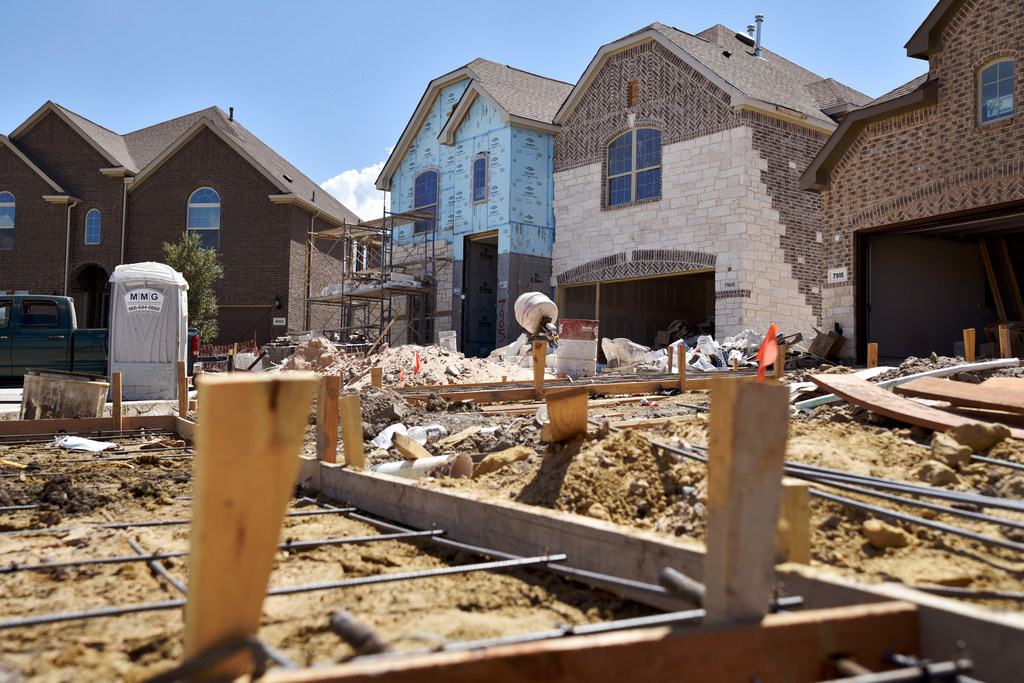
Much of Texas, particularly the densely populated regions along the Gulf Coast and in the Central Texas corridor encompassing cities like Houston, Austin, and San Antonio, features expansive clay soils. These soils, often referred to as “black gumbo,” have a notorious tendency to swell significantly when wet and shrink dramatically when dry. This constant expansion and contraction exert immense pressure on any subsurface structures, including basement walls and foundations.
- Swelling Clays: When rainwater saturates these clay soils, they can expand by as much as 10-15% in volume. This expansion can exert tremendous hydrostatic pressure and direct physical force on basement walls, leading to cracking, bowing, and even structural failure over time. The forces involved are substantial and require robust, often prohibitively expensive, engineering solutions to counteract.
- Shrinkage and Settlement: Conversely, during dry periods, these soils shrink, creating voids beneath foundations. This can lead to settlement, causing further stress on the structure. The cyclical nature of wetting and drying exacerbates these issues, making a stable basement environment challenging to maintain.
- Permeability and Drainage: Many of these clay soils are also relatively impermeable, meaning they don’t drain well. This can lead to prolonged saturation around basement walls, increasing the risk of water intrusion and hydrostatic pressure build-up.
Groundwater Levels
Another significant challenge is the prevalence of high groundwater tables in many areas of Texas. In regions like the Gulf Coast, water is often found just a few feet below the surface. Excavating a basement in such conditions would require extensive and continuous dewatering systems during construction, a process that is both technically complex and extremely expensive.
- Dewatering Costs: To build a basement below the water table, contractors must pump out water continuously, not only during excavation but also during the pouring of concrete and the construction of walls and floors. This requires specialized equipment, permits, and ongoing operational costs, making the initial investment for a basement significantly higher.
- Water Intrusion Risk: Even with advanced waterproofing techniques, maintaining a dry basement in areas with high groundwater tables is a constant battle. The risk of persistent leaks, mold growth, and associated structural damage is considerably higher, posing long-term maintenance headaches and potential health concerns for homeowners.
- Aquifer Proximity: In some areas, excavations could potentially interfere with important underground aquifers, the primary sources of drinking water for many communities. Environmental regulations and concerns about water contamination further discourage deep subsurface construction.
Economic Considerations: Cost vs. Benefit
Beyond the geological and hydrological hurdles, the economics of building a basement in Texas often tilt the scales against it. The added costs associated with overcoming the environmental challenges make it a less attractive proposition for both builders and buyers compared to regions where basements are standard.
Construction Costs
The engineering and labor required to build a basement in Texas are considerably more intensive than in many other parts of the country.
- Specialized Foundations: To combat the expansive soils and potential water issues, Texas basements would likely require heavily reinforced concrete walls, extensive exterior waterproofing membranes, robust interior drainage systems (like sump pumps and perimeter drains), and potentially specialized pier and beam foundations for the house itself.
- Labor and Expertise: Finding contractors with extensive experience in building basements in challenging Texas conditions can also be more difficult, potentially driving up labor costs. The specialized knowledge required to design and construct a resilient basement necessitates a higher level of expertise.
- Increased Material Costs: The need for stronger, more resilient materials to withstand soil pressures and water ingress translates directly into higher material costs for concrete, steel reinforcement, waterproofing agents, and drainage components.
Perceived Value and Alternatives
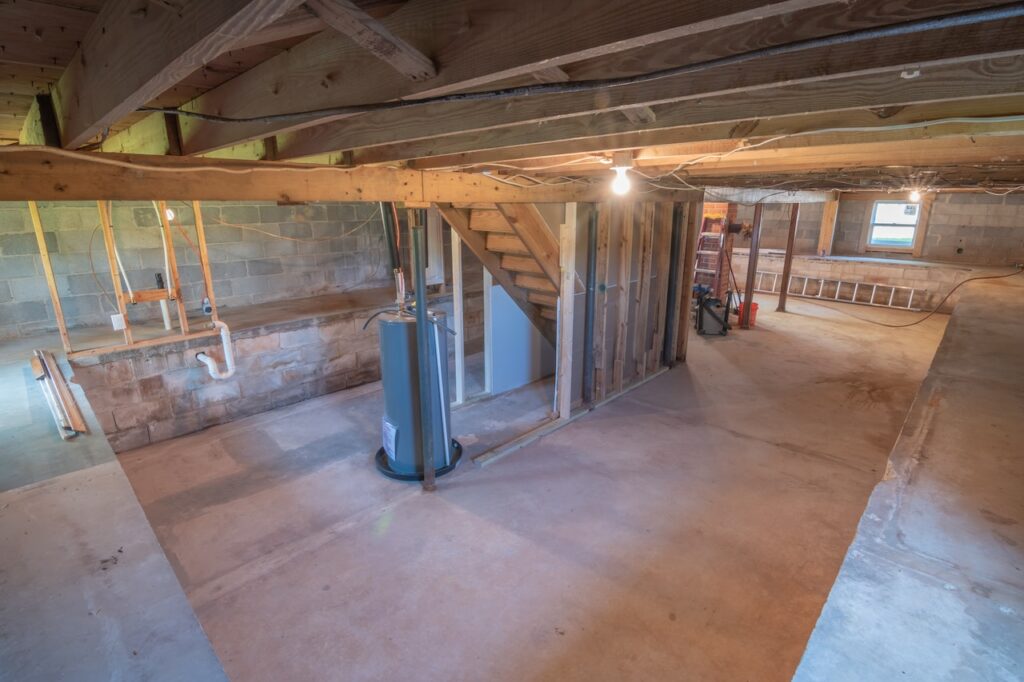
The market demand for basements in Texas is generally lower than in colder climates where they offer essential protection against harsh winters and additional storage space.
- Climate Influence: In Texas, the climate is characterized by hot summers and mild winters. The primary concern for homeowners is often managing heat and humidity, not cold. Therefore, the perceived benefit of a subterranean space for insulation against cold is minimal.
- Alternative Storage and Living Space: Builders and homeowners in Texas often opt for alternative solutions for storage and additional living space. This includes spacious attics, detached garages with workshops, finished bonus rooms above the garage, and larger lot sizes that accommodate sheds and outdoor storage. These options are typically more cost-effective and less prone to the structural issues associated with basements in the region.
- Resale Value: The lower demand and higher construction costs mean that the perceived resale value of a Texas home with a basement might not justify the initial investment for many sellers. Buyers might prefer a home with a larger yard or a more conventionally built structure that requires less specialized maintenance.
Architectural Adaptations and Regional Solutions
While true basements are uncommon, architects and builders in Texas have developed creative adaptations and alternative designs to address the unique challenges of the region’s climate and geology.
Raised Foundations and Piers
One of the most common architectural solutions in Texas is the use of raised foundations, often employing concrete piers or a raised slab.
- Crawl Spaces: Many homes are built with elevated foundations, creating a crawl space beneath the main living area. This space provides some elevation from potential ground moisture and allows for easier access to plumbing and electrical systems, though it’s not typically used for habitable living space.
- Pier and Beam Construction: In areas prone to significant soil expansion or flooding, pier and beam construction is prevalent. This method involves pouring concrete piers deep into the ground to anchor the structure, with beams spanning between the piers to support the house. This creates a significant air gap between the ground and the home, mitigating the direct impact of soil movement.
- Flood Zone Considerations: In flood-prone areas along the Gulf Coast and near major rivers, houses are often built on elevated platforms or stilts to protect them from rising waters. This design inherently elevates the living space, eliminating the need for a basement as a flood mitigation strategy.
Slab-on-Grade Construction
The most prevalent foundation type in much of Texas is the slab-on-grade foundation. This involves pouring a concrete slab directly onto the prepared ground.
- Cost-Effectiveness: Slab foundations are generally more cost-effective to build than basements or even pier and beam foundations. They are also less susceptible to issues caused by expansive soils because there is no subterranean void to be affected.
- Engineering for Expansion: While simpler, even slab foundations in Texas require careful engineering to account for soil expansion. This often involves reinforcement with steel rebar and specific concrete mixes. However, the foundation itself is integrated with the ground rather than being a separate, deeply excavated structure.
- Limited Subsurface Access: The main drawback of slab construction is the difficulty and expense of accessing utilities buried beneath the concrete slab if repairs are needed. However, this is generally considered a manageable trade-off compared to the risks and costs associated with building a basement.
Storm Shelters and Safe Rooms
While not full basements, the need for protection from severe weather, particularly Texas’s notorious tornadoes and hailstorms, has led to the increased popularity of dedicated storm shelters and safe rooms.
- Above-Ground and Below-Ground Options: These can be constructed either within the existing home (often in a closet or reinforced room) or as a separate, reinforced structure buried in the yard. The below-ground options offer some of the protective benefits of a basement but are specifically designed for structural integrity against extreme weather, not for general living or storage.
- Specialized Construction: These shelters are built to stringent safety standards, using reinforced concrete, steel doors, and other robust materials to withstand high winds and flying debris. Their construction is focused on safety and is not an economically viable route for creating general-purpose subterranean space.
In conclusion, the absence of widespread basement construction in Texas is a pragmatic response to a unique set of environmental and economic challenges. The expansive clay soils, high groundwater tables, and the associated high costs of engineering and construction make them an impractical choice for most homeowners. Instead, Texans have adapted with architectural innovations like raised foundations and slab-on-grade construction, focusing on resilient designs that suit the state’s climate and geological realities, while also ensuring safety through dedicated storm shelters when needed.
LifeOutOfTheBox is a participant in the Amazon Services LLC Associates Program, an affiliate advertising program designed to provide a means for sites to earn advertising fees by advertising and linking to Amazon.com. Amazon, the Amazon logo, AmazonSupply, and the AmazonSupply logo are trademarks of Amazon.com, Inc. or its affiliates. As an Amazon Associate we earn affiliate commissions from qualifying purchases.