
Understanding Alabama’s Approach to Retirement Income Taxation
For many individuals planning their retirement or those already enjoying their golden years, understanding the tax implications of their income is paramount. The state of Alabama offers a unique tax landscape for retirees, with specific rules governing how retirement income is treated. This exploration delves into whether Alabama taxes retirement income, breaking down the nuances of its tax code to provide clarity for those considering Alabama as their retirement destination or for existing residents. The state’s approach is not a blanket “yes” or “no,” but rather a nuanced system that depends on the type of retirement income received. This distinction is crucial for accurate financial planning and ensuring compliance with state tax laws.
The appeal of retiring in a state with favorable tax policies is significant. Retirees often rely on fixed incomes, making every dollar count. Alabama has, for many years, been a state that attracts retirees due to its relatively low cost of living and, importantly, its approach to taxing retirement income. However, the devil is in the details, and a thorough understanding of these details is essential. This article aims to demystify Alabama retirement income taxation, covering various income streams commonly associated with retirement, such as pensions, Social Security, and distributions from retirement savings accounts.
Taxability of Social Security Benefits
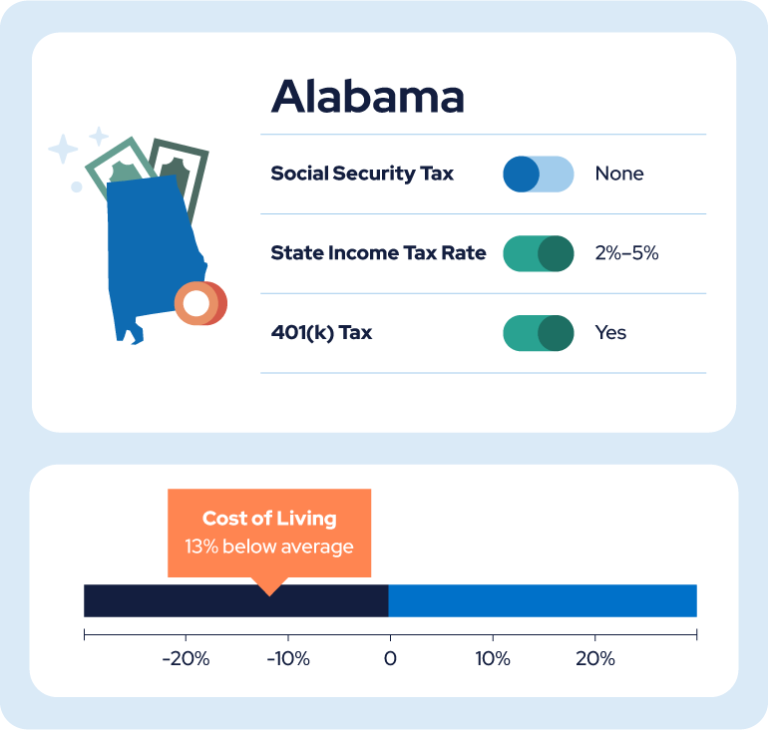
One of the most frequently asked questions regarding retirement income taxation in Alabama revolves around Social Security benefits. For a considerable period, Alabama has offered a significant tax advantage to its residents concerning Social Security income. Unlike many states that tax a portion or all of Social Security benefits, Alabama exempts these benefits from state income tax entirely.
Complete Exemption for Social Security
This means that if you receive benefits from the Social Security Administration, you can do so without incurring any state income tax liability on those funds in Alabama. This exemption applies regardless of your income level. For retirees whose primary source of income is Social Security, this provision makes Alabama a particularly attractive state for retirement. The financial relief provided by not having to allocate a portion of these benefits to state taxes can be substantial, allowing retirees to maintain a higher disposable income. This favorable treatment of Social Security is a cornerstone of Alabama’s appeal to retirees and a significant factor in retirement planning for those considering a move to the state.
Taxation of Pensions and Annuities
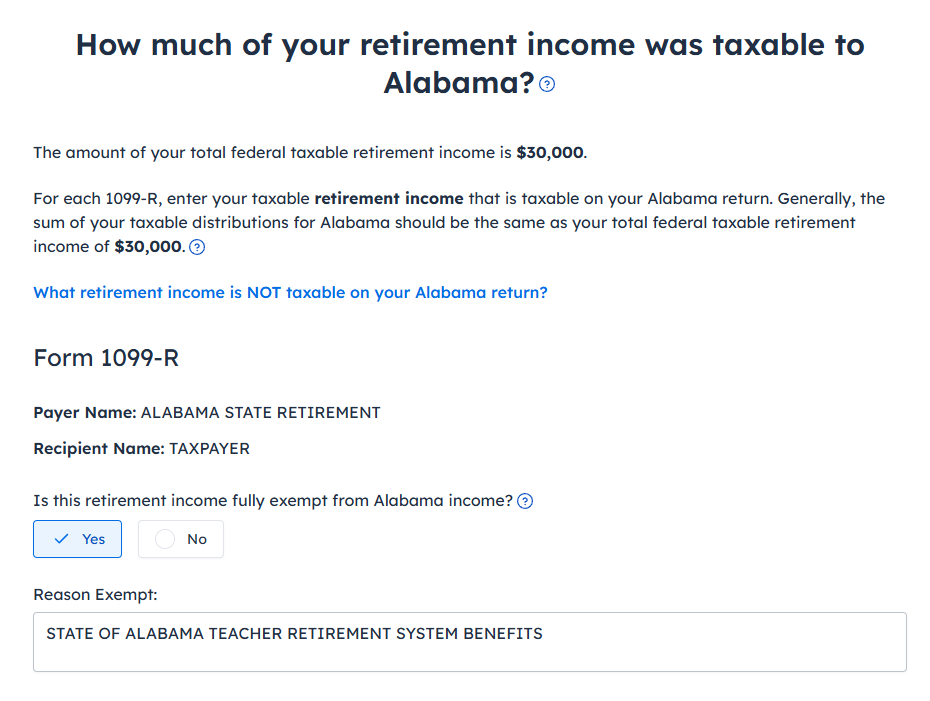
The treatment of pensions and annuities in Alabama presents a more nuanced picture. While Social Security is fully exempt, other forms of retirement income, such as those derived from private and government pensions, as well as annuities, are subject to taxation in Alabama, with certain exceptions and deductions available.
Government Pensions
Pensions received from government entities, including federal, state, and local government retirement systems, are generally taxable in Alabama. However, there is a specific deduction available for retirement benefits received from a U.S. government civil service. This deduction, often referred to as the “civil service retirement exemption,” allows individuals to deduct a certain amount of their federal civil service pension from their taxable income. The exact amount that can be deducted can vary, and taxpayers should consult the latest Alabama Department of Revenue guidelines or a tax professional for the most current figures and eligibility requirements. This deduction helps to mitigate the tax burden on these specific pension types.
Private Pensions and Annuities
For pensions and annuities originating from private employers or private annuity contracts, the situation is similar. Generally, these income streams are considered taxable income by the state of Alabama. However, similar to government pensions, Alabama offers a deduction for retirement benefits received from private sources as well. This deduction aims to provide some relief to retirees relying on these income streams. The specifics of this deduction, including any income limitations or specific eligibility criteria, are detailed in Alabama tax forms and publications. It’s important for retirees to differentiate between the sources of their pension and annuity income, as the deductibility can sometimes vary slightly based on the origin of the funds.
Rollover Distributions and Early Withdrawals
Distributions from private pensions or annuities that were funded by pre-tax contributions are typically taxable. If these funds are rolled over directly into another qualified retirement account, such as an IRA or another pension plan, the rollover itself is not a taxable event. However, if funds are withdrawn and not rolled over within the allotted timeframe, or if they are considered early withdrawals (typically before age 59½), they may be subject to both federal and state income tax, and potentially a federal early withdrawal penalty. Alabama generally follows the federal treatment of these distributions, meaning they are taxable at the state level if not properly rolled over.
Taxation of Retirement Savings Accounts (IRAs, 401(k)s, etc.)
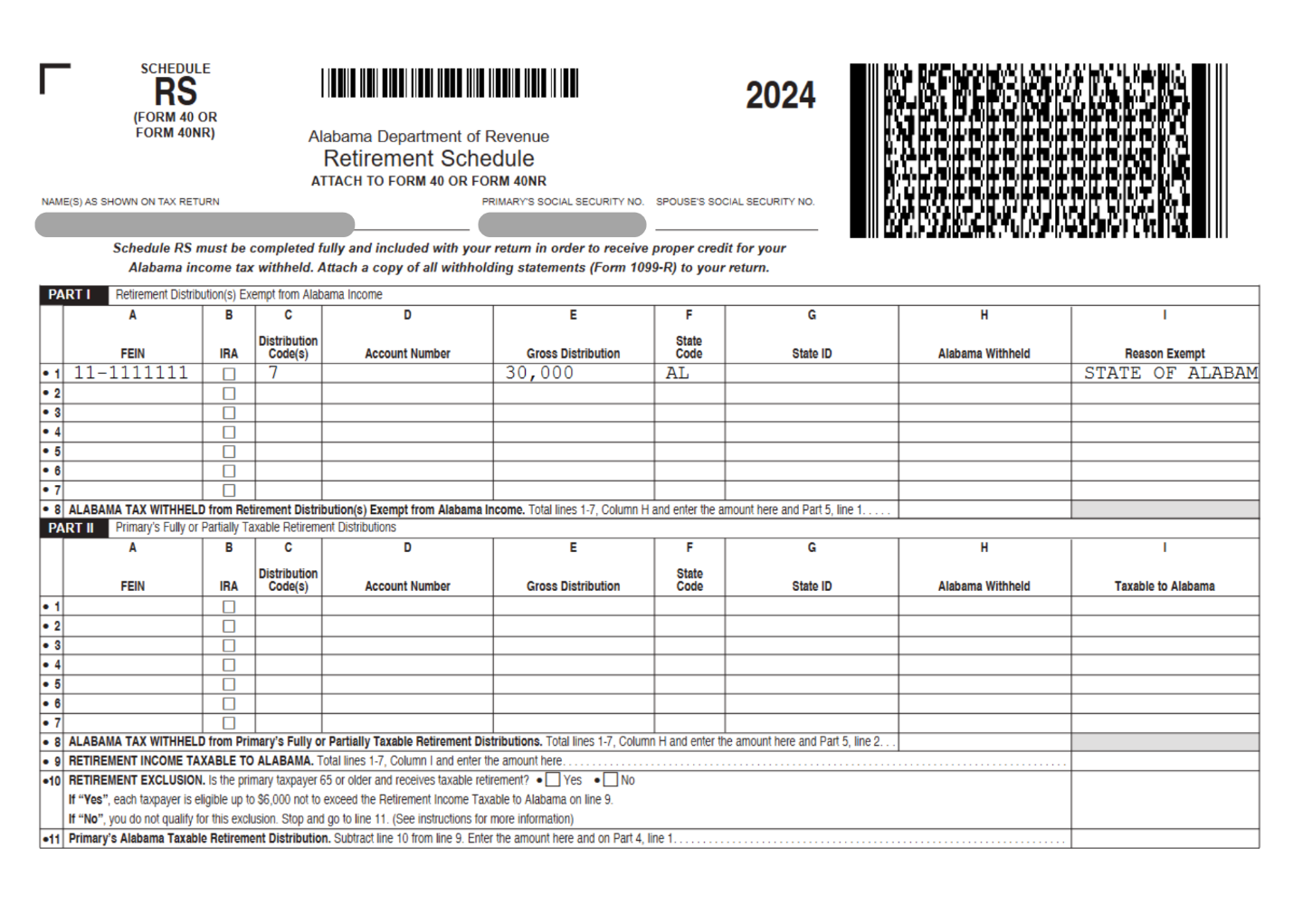
Retirement savings accounts, such as Individual Retirement Arrangements (IRAs), 401(k)s, 403(b)s, and other employer-sponsored retirement plans, are a cornerstone of retirement planning for many Americans. The taxation of distributions from these accounts in Alabama largely depends on whether the contributions were made on a pre-tax or after-tax basis.
Pre-Tax Contributions
For the majority of individuals, contributions to traditional IRAs, 401(k)s, and similar plans are made on a pre-tax basis. This means that the contributions were deducted from taxable income in the year they were made. Consequently, when these funds are withdrawn in retirement, both the original contributions and any earnings generated over time are subject to ordinary income tax at the state level in Alabama. This is a standard tax treatment across most states that levy an income tax. The tax rate applied will be the individual’s applicable marginal income tax rate in Alabama at the time of withdrawal.
After-Tax Contributions (Roth IRAs, etc.)
In contrast, contributions to Roth IRAs are made with after-tax dollars. This means that the money contributed has already been taxed at the federal and state level. Therefore, qualified distributions from Roth IRAs, including both contributions and earnings, are tax-free in retirement at both the federal and state level. This tax-free status makes Roth IRAs a highly attractive savings vehicle for many anticipating future tax rate increases or simply seeking tax certainty in retirement. Alabama recognizes this distinction and exempts qualified Roth IRA distributions from state income tax.
Withdrawals from Non-Qualified Accounts
If an individual has investments in non-qualified accounts (accounts that do not meet the specific tax-advantaged definitions of IRAs or employer-sponsored plans), any earnings generated from these investments are typically taxed annually as capital gains or dividends. Withdrawals of the principal amount are generally not taxed again, as it was already funded with after-tax dollars. Alabama taxes capital gains and dividends at the ordinary income tax rates.
Other Considerations for Retirees in Alabama
Beyond the direct taxation of retirement income, there are several other financial and lifestyle considerations for retirees in Alabama that influence their overall financial well-being.
Property Taxes
Alabama is known for its relatively low property taxes compared to many other states. Property taxes are levied at the local level (county and municipal) and are based on the assessed value of the property. While property taxes are a consideration for homeowners of any age, retirees on a fixed income may find Alabama’s property tax rates to be manageable. There are also homestead exemptions available for primary residences, which can further reduce the property tax burden.
Sales Tax
Alabama has a state sales tax, and local jurisdictions also levy their own sales taxes, leading to varying rates across the state. Groceries are generally exempt from sales tax, which is a benefit to all residents, including retirees. However, purchases of goods and services are subject to these sales taxes. Retirees should factor this into their spending budgets.
Estate Tax
Crucially for estate planning, Alabama does not impose a state estate tax or inheritance tax. This means that when a resident of Alabama passes away, their heirs will not have to pay state taxes on the assets they inherit. This can be a significant financial advantage for families and simplifies estate settlement.
Retirement Communities and Lifestyle
Alabama offers a diverse range of retirement living options, from bustling cities like Birmingham and Huntsville to charming coastal towns on the Gulf Coast and serene countryside locales. Popular retirement destinations include Daphne, Fairhope, and parts of Montgomery. Many communities cater specifically to seniors, offering amenities and activities designed to enhance the retirement lifestyle. The absence of state income tax on Social Security and no state estate tax contribute to Alabama’s appeal as a retirement haven, allowing retirees to stretch their savings further and enjoy their later years with greater financial freedom.
LifeOutOfTheBox is a participant in the Amazon Services LLC Associates Program, an affiliate advertising program designed to provide a means for sites to earn advertising fees by advertising and linking to Amazon.com. Amazon, the Amazon logo, AmazonSupply, and the AmazonSupply logo are trademarks of Amazon.com, Inc. or its affiliates. As an Amazon Associate we earn affiliate commissions from qualifying purchases.