
Planning a trip to the Grand Canyon State can be an exhilarating experience, with its breathtaking landscapes, vibrant cities, and rich cultural heritage. However, one question frequently puzzles travelers and even residents: “What time zone is Arizona in right now?” The answer, while seemingly simple, carries a nuance that sets Arizona apart from most other United States and global destinations. Understanding this unique time zone status is crucial for seamless travel planning, from booking flights and tours to making dinner reservations and coordinating with friends and family outside the state.
At its core, Arizona observes Mountain Standard Time (MST) throughout the year. What makes this distinctive is that, with one significant exception, Arizona does not observe Daylight Saving Time (DST). This means that for roughly half the year, from spring to autumn, when most of the United States “springs forward” an hour, Arizona remains on MST. Consequently, during this period, Arizona’s time aligns with Pacific Daylight Time (PDT), which is observed in neighboring California and Nevada. Then, when the rest of the country “falls back” in the autumn, Arizona reverts to being one hour behind those states observing PDT, once again aligning with Mountain Standard Time alongside states like Colorado and New Mexico (which would then be on Mountain Standard Time too, having just ended Mountain Daylight Time). This constant observation of MST has profound implications for anyone traveling to, from, or within the state, impacting everything from flight schedules to sunset views over the Sonoran Desert.
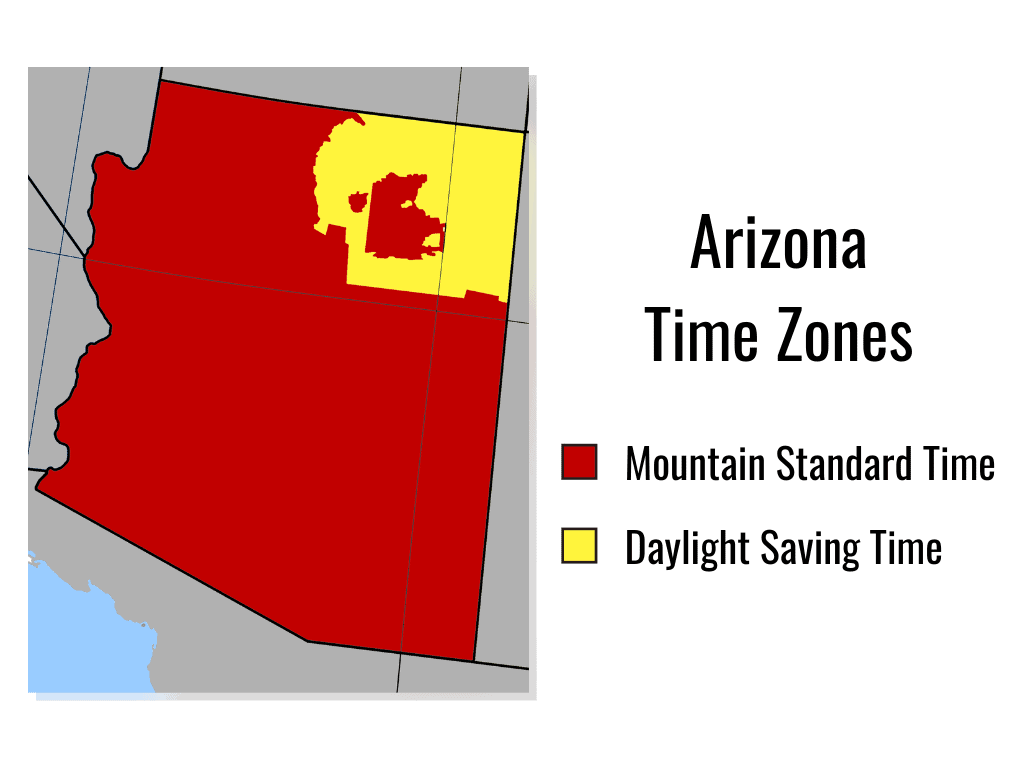
Understanding Arizona’s Unique Time Zone Status
The peculiarity of Arizona’s time zone choice is rooted in historical decisions and practical considerations, primarily driven by its scorching summer heat. Unlike many other states that embrace Daylight Saving Time to maximize evening daylight, Arizona’s climate makes this less desirable. Shifting an hour forward would mean pushing peak daylight further into the evening, intensifying the heat during what are already the hottest parts of the day. By staying on MST year-round, the state essentially experiences earlier sunrises and sunsets, allowing residents and visitors alike to make the most of cooler mornings and late afternoons.
Mountain Standard Time (MST) All Year Round: The Rule
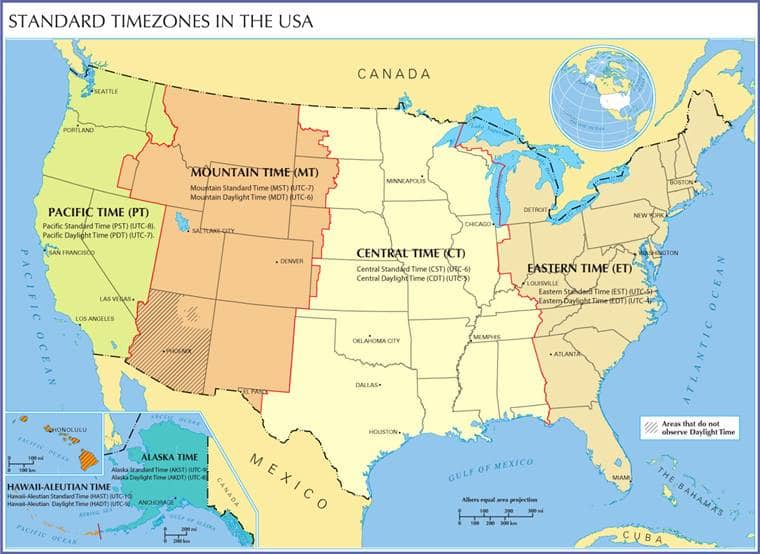
For the vast majority of Arizona, from the bustling metropolis of Phoenix to the artistic enclave of Sedona and the historic streets of Tucson, the time remains constant. This means that if you’re planning a visit to the Desert Botanical Garden in Phoenix or hiking in Saguaro National Park near Tucson, you can rest assured that the local time will always be MST. This consistency simplifies many aspects of daily life and travel planning, reducing the need to constantly adjust clocks or second-guess appointment times. During the spring and summer months, when Mountain Daylight Time (MDT) is observed by many neighboring states (like Utah and New Mexico), Arizona will be one hour behind them. Simultaneously, during this period, Arizona will be on the same time as California and Nevada, which will be observing Pacific Daylight Time (PDT). This temporal dance is often the source of confusion for first-time visitors or those coordinating activities across state lines.
The Exception: Navajo Nation
While the “no DST” rule applies to almost all of Arizona, there is a notable and important exception: the Navajo Nation. This large semi-autonomous Native American territory, which spans parts of northeastern Arizona, Utah, and New Mexico, does observe Daylight Saving Time. This means that within the Navajo Nation’s boundaries, clocks “spring forward” and “fall back” just like in most other states. This decision is partly due to the tribe’s multi-state landholdings and its desire to maintain a consistent time with its tribal members and operations in Utah and New Mexico.
For travelers, this introduces a crucial consideration. If your itinerary includes iconic Navajo Nation attractions such as Monument Valley, Antelope Canyon, or Canyon de Chelly National Monument, you must be mindful of this time difference. During DST, the Navajo Nation will be one hour ahead of the rest of Arizona. For example, if it’s 3:00 PM in Phoenix, it will be 4:00 PM in Page, which borders the Navajo Nation but remains on MST. Always confirm tour times and appointments within the Navajo Nation to avoid missing out on these unforgettable experiences.

Practical Implications for Travelers and Tourists
Understanding Arizona’s time zone status is more than just a trivia fact; it’s a vital piece of information for planning any successful trip to the state. From managing logistics to enjoying local attractions, the time difference (or lack thereof) will influence your entire experience.
Planning Your Arizona Itinerary: Flights, Tours, and Reservations
When booking flights into major hubs like Phoenix Sky Harbor International Airport (PHX) or Tucson International Airport (TUS), your arrival time will typically be listed in local Arizona time. However, if you’re flying from a state that observes DST during the spring and summer, be prepared for an effective one-hour “gain” or “loss” upon arrival, depending on your origin. For instance, if you depart Los Angeles (on PDT) at 10:00 AM, you’ll arrive in Phoenix (on MST) at 10:00 AM local time, even though the flight took an hour. This can be a pleasant surprise for travelers looking to maximize their first day.
Similarly, scheduling tours, restaurant reservations, or activity bookings requires careful attention. If you’re coordinating a Grand Canyon tour departing from Flagstaff or Williams (both on MST), but your accommodation is within the Navajo Nation, you’ll need to account for the one-hour difference during DST. Many hotels and resorts, from the luxurious The Phoenician in Scottsdale to the family-friendly JW Marriott Scottsdale Camelback Inn Resort & Spa, operate strictly on Arizona’s prevailing MST, so confirming times is always a good practice.
Cross-State Travel Considerations
For road-trippers and those exploring the broader Southwest, Arizona’s time zone status becomes particularly relevant when crossing state borders.
- From California or Nevada: During DST, these states are on PDT, which is the same time as Arizona’s MST. This makes cross-border travel along I-10 or I-40 seamless in terms of time. When DST ends, California and Nevada revert to PST, making them one hour behind Arizona.
- From Utah, Colorado, or New Mexico: These states observe Mountain Daylight Time (MDT) during DST, meaning they will be one hour ahead of Arizona. If you’re driving from Las Vegas and crossing into Arizona near the Hoover Dam, the time often remains consistent (as Nevada is on PDT during DST, the same as Arizona’s MST). However, heading north to the Grand Canyon from Utah, you’ll effectively gain an hour upon entering Arizona during DST. This is particularly important for activities like visiting Lake Powell, where the marina operations might be on MST but nearby Utah shores are on MDT.
The Impact on Daily Activities and Experiences
For many visitors, the consistent time zone simplifies daily life. There’s no need to adjust to a new time after a few months, allowing for a more stable rhythm. Early risers can enjoy spectacular sunrises over the Superstition Mountains or the unique landscapes of Petrified Forest National Park without feeling rushed. Conversely, the earlier sunsets (compared to a DST state) mean that evening activities, dining at places like those in Old Town Scottsdale, or catching live music at a venue in Tempe can commence at what feels like a more natural time for many. For those seeking accommodation, many properties, from boutique hotels in Jerome to luxury resorts like the Ritz-Carlton, Dove Mountain in Tucson, design their activity schedules around this consistent time frame, often allowing for longer, cooler afternoons for outdoor enjoyment.
Why Arizona Stays on MST: A Historical and Lifestyle Perspective
Arizona’s decision to largely opt out of Daylight Saving Time is not arbitrary; it’s deeply ingrained in the state’s climate, culture, and lifestyle. The primary motivation is pragmatic: to avoid extending the intense summer heat into later evening hours.
The Rationale Behind the Choice: Heat and Energy
When the Uniform Time Act was passed in 1966, mandating DST across the United States but allowing states to opt out, Arizona chose to remain on Mountain Standard Time. The main argument was — and still is — the extreme heat. During summer months, temperatures in Phoenix and Tucson regularly soar above 100°F (38°C). Shifting clocks forward would mean the sun would set an hour later, prolonging the period of intense heat into what would typically be cooler evening hours. This would increase energy consumption for air conditioning, impacting both residents’ wallets and the state’s power grid. By staying on MST, Arizona ensures that the hottest part of the day passes earlier, allowing for more comfortable evenings and earlier starts for outdoor activities.
Lifestyle and Tourism Benefits: Consistent Schedules and Outdoor Enjoyment
This consistent time zone contributes to a unique Arizona lifestyle that often revolves around early mornings and late afternoons to avoid the midday sun. For tourists, this means that activities like a hot air balloon ride over Scottsdale or a morning hike in Camelback Mountain can start at a time that aligns with sunrise, maximizing the cooler temperatures and stunning natural light. Similarly, visiting attractions like the Musical Instrument Museum or the Heard Museum in Phoenix offers a reliable schedule. The predictable time frame also simplifies scheduling for families on vacation or business travelers needing to coordinate with colleagues in different time zones. Resorts like Hyatt Regency Scottsdale Resort & Spa at Gainey Ranch and Sanctuary Camelback Mountain, A Gurney’s Resort & Spa often highlight the benefits of consistent daylight hours for their guests’ outdoor activities, from golf rounds to spa treatments.
Navigating Time Zones in a Connected World
In today’s interconnected world, technology often acts as a silent assistant, automatically adjusting our devices to local time. However, even with smart devices, a clear understanding of Arizona’s unique time zone situation is invaluable to prevent confusion, especially when communicating with those outside the state or within the Navajo Nation.
Technology and Time Zone Awareness
Modern smartphones, smartwatches, and laptops are typically set to automatically update to the correct local time based on your location data. This feature is immensely helpful when you cross state lines into Arizona or move between different time zones during your travels. However, it’s always wise to double-check your device settings and verify the time, especially when planning critical appointments or meetings. Many online booking platforms and travel apps are also programmed to display times in the local time zone of the destination, but confirming the time zone specified for any booking is a good habit. For example, if you book a tour to Antelope Canyon, confirm if the listed time is MST (Arizona’s standard) or the Navajo Nation’s Daylight Saving Time.
Tips for Seamless Travel: Staying Ahead of the Clock
To ensure a smooth and time-hassle-free trip to Arizona, consider these practical tips:
- Confirm all booking times in local Arizona time. This includes flights, hotel check-ins, car rentals, tours, and restaurant reservations.
- Be especially aware when visiting the Navajo Nation. During Daylight Saving Time, remember that the Navajo Nation is one hour ahead of the rest of Arizona. Double-check tour times for attractions like Monument Valley or Antelope Canyon.
- Communicate clearly with contacts outside Arizona. When scheduling calls or virtual meetings, explicitly state that you are operating on MST year-round and specify the corresponding time in their local zone during DST periods. For example, “Let’s chat at 10 AM Arizona time, which will be 10 AM in California (during DST) or 11 AM in Colorado.”
- Use reliable mapping and navigation apps. These tools usually display the current local time, helping you stay oriented as you traverse different regions.
- Embrace the consistency. Once you understand Arizona’s unique time zone, you can appreciate the stability it offers, making it easier to plan your days without the disruption of changing clocks.
In conclusion, for most of the year, Arizona operates on Mountain Standard Time (MST) and does not observe Daylight Saving Time. The key exception is the Navajo Nation, which does observe DST. This consistent approach helps manage the state’s extreme heat and contributes to a distinctive lifestyle. For travelers, a little pre-trip research and awareness can transform potential confusion into a seamless and enjoyable experience, allowing you to fully immerse yourself in all the wonders the Grand Canyon State has to offer, from the red rocks of Sedona to the bustling energy of Phoenix and the serene beauty of the Grand Canyon. So, when you ask “What time zone is Arizona in right now?”, the answer is almost always Mountain Standard Time, a stable anchor in your travel plans.
LifeOutOfTheBox is a participant in the Amazon Services LLC Associates Program, an affiliate advertising program designed to provide a means for sites to earn advertising fees by advertising and linking to Amazon.com. Amazon, the Amazon logo, AmazonSupply, and the AmazonSupply logo are trademarks of Amazon.com, Inc. or its affiliates. As an Amazon Associate we earn affiliate commissions from qualifying purchases.