
Planning a road trip often begins with a fundamental question: “How far is it?” For those contemplating a journey to the heart of the American South, the answer to “How far is Alabama from me by car?” is the crucial first step in unlocking a wealth of experiences. This guide aims to demystify travel distances and provide insights into the diverse landscapes and attractions that await you once you’ve charted your course. Whether you’re embarking from a neighboring state or a distant corner of the country, understanding your proximity to Alabama by road is key to a well-prepared and enjoyable adventure.

Charting Your Course to the Heart of Dixie
The distance to Alabama by car is highly variable, depending entirely on your starting point. This vast Southern state offers a rich tapestry of history, culture, and natural beauty, making it a desirable destination for a wide array of travelers. From the rolling hills of the Appalachian foothills in the north to the pristine beaches of the Gulf Coast in the south, Alabama presents a multifaceted experience that can be reached through countless road networks.
Estimating Your Drive Time and Distance
To provide a general understanding, let’s consider a few major origin points.
From the Northeast
For travelers originating in the northeastern United States, such as from cities like New York City or Boston, the journey to Alabama is a substantial undertaking.
- From New York City to Birmingham, Alabama: This route typically covers approximately 900-950 miles and can take around 14-16 hours of pure driving time, not including stops for gas, food, or rest. Major interstates like I-81 South and I-77 South, followed by I-20 West, are common pathways.
- From Boston to Mobile, Alabama: This longer route would stretch to around 1,200-1,300 miles, requiring approximately 18-20 hours of driving. Travelers might utilize I-90 West, I-81 South, and then I-65 South.
These journeys necessitate at least one overnight stop, often two, to ensure a safe and comfortable drive. Thorough planning of rest stops and potential overnight accommodations in cities like Charlotte, Atlanta, or Nashville is highly recommended.
From the Midwest
Travelers from the Midwest, a region bordering Alabama to the north, will find the distances more manageable.
- From Chicago, Illinois to Montgomery, Alabama: This trip spans roughly 750-800 miles and can be completed in about 11-13 hours of driving. The primary route often involves I-65 South for a significant portion of the journey.
- From Indianapolis, Indiana to Huntsville, Alabama: This drive is approximately 500-550 miles, taking around 8-10 hours. I-65 South is again the dominant interstate for this route, offering a relatively direct path.
For most Midwestern travelers, a single overnight stop might be optional, depending on their tolerance for long driving days. Cities like Louisville, Kentucky, or even parts of Tennessee could serve as convenient stopping points.
From the Southeast
For those already in the southeastern United States, reaching Alabama is often a matter of a few hours’ drive.
- From Atlanta, Georgia to Auburn, Alabama: This is a popular route for many, covering approximately 110-120 miles and taking about 2-2.5 hours. I-85 South is the main artery for this journey, making it an easy day trip or a quick start to a longer exploration of Alabama.
- From New Orleans, Louisiana to Gulf Shores, Alabama: This coastal route is about 200-220 miles and takes around 3.5-4 hours. I-10 East is the primary highway, offering scenic views as you approach the Gulf Coast.
- From Memphis, Tennessee to Florence, Alabama: This drive is roughly 140-160 miles, taking about 2.5-3 hours. U.S. Highway 72 East provides a direct and pleasant drive through the countryside.
These shorter distances make spontaneous trips to Alabama highly feasible, allowing for more time to explore the destination rather than the journey itself.
From the Southwest
Travelers venturing from the Southwest, such as from Texas, face a considerable drive across multiple states.
- From Houston, Texas to Tuscaloosa, Alabama: This route covers approximately 600-650 miles and requires about 9-11 hours of driving. Travelers will likely use I-45 North, I-20 East, and then potentially I-459 North or other connecting routes into Alabama.
- From Dallas, Texas to Mobile, Alabama: This is a longer haul, around 750-800 miles, demanding 12-14 hours of driving. I-20 East is again a key interstate, with connections to I-65 South for the final leg.
Similar to the Northeast, these journeys from the Southwest will necessitate at least one overnight stay, with cities like Shreveport, Louisiana, or Jackson, Mississippi, being potential stopovers.
Tools for Precision Planning
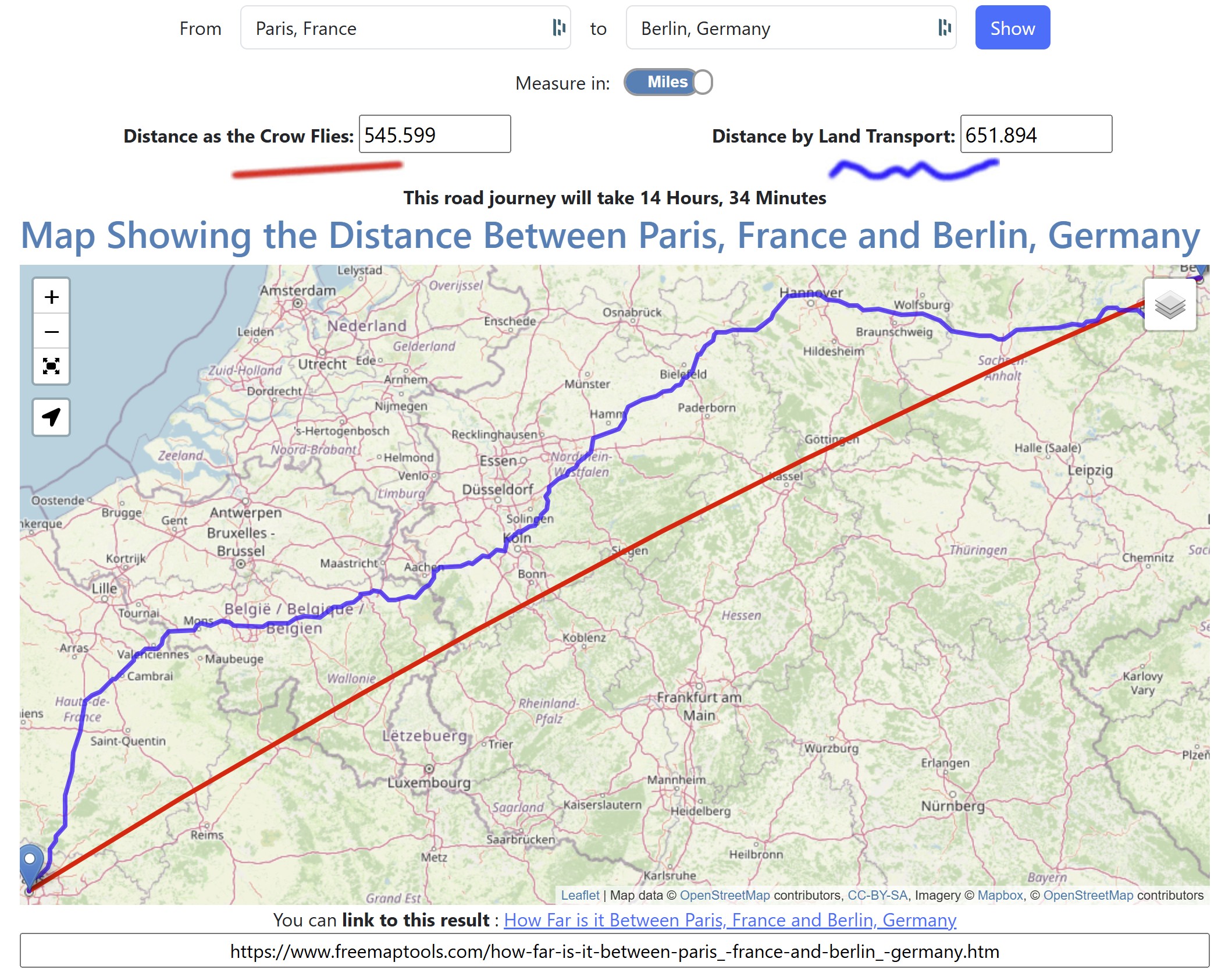
While these estimates provide a general framework, the most accurate way to determine the distance and estimated driving time from your specific location to Alabama is to utilize online mapping services. Websites and apps like Google Maps, Apple Maps, or Waze allow you to input your exact starting address and desired destination within Alabama. These tools offer real-time traffic updates, suggest alternative routes, and provide highly accurate travel time estimates, factoring in typical speed limits and potential delays. They can also help you identify convenient gas stations, restaurants, and rest areas along your chosen path.
Navigating Alabama: Key Destinations and Their Distances
Once you know how far you are from the state’s borders, understanding the distances between key destinations within Alabama becomes crucial for itinerary planning. The state boasts a diverse range of attractions, from historical sites and vibrant cities to natural wonders.
Northern Alabama: Mountains, Space, and History
The northern part of Alabama is characterized by its proximity to the Appalachian Mountains, its connection to the aerospace industry, and significant historical landmarks.
- Huntsville: Known as the “Rocket City,” Huntsville is home to the U.S. Space & Rocket Center. From Atlanta, it’s about a 2.5-hour drive (120 miles). From Nashville, it’s approximately 2 hours (115 miles).
- Florence/Muscle Shoals: This region is renowned for its musical heritage, being the birthplace of Muscle Shoals Sound Studio and other legendary recording locations. It’s about a 2.5-hour drive (160 miles) west of Huntsville.
- Birmingham: As the state’s largest city, Birmingham offers a rich industrial history, vibrant arts scene, and significant civil rights landmarks. From Huntsville, it’s a 2-hour drive (100 miles) south. From Atlanta, it’s about a 2.5-hour drive (150 miles) west.
Central Alabama: The Heart of History and Culture
Central Alabama is steeped in history, particularly its role in the Civil Rights Movement, and is home to the state capital.
- Montgomery: The capital city is a cornerstone of Civil Rights history, featuring sites like the Rosa Parks Museum and the Dexter Avenue King Memorial Baptist Church. From Birmingham, it’s about a 2-hour drive (100 miles) south. From Atlanta, it’s approximately 2.5-3 hours (170 miles) southwest.
- Selma: Famous for the historic Selma to Montgomery marches, Selma is a powerful destination for understanding the struggle for voting rights. It’s about a 1-hour drive (50 miles) west of Montgomery.
- Tuscaloosa: Home to the University of Alabama, Tuscaloosa is a lively college town with a significant history. It’s about a 1.5-hour drive (100 miles) west of Birmingham.
Southern Alabama: Coastal Charm and Southern Hospitality
The southern part of the state transitions to the sandy shores of the Gulf Coast and embraces a distinct Southern charm.
- Mobile: A historic port city with a rich French heritage, Mobile offers beautiful antebellum homes and is the site of the original Mardi Gras celebration in the United States. From Birmingham, it’s a 3-hour drive (220 miles) south. From New Orleans, it’s about a 2-hour drive (145 miles) east.
- Gulf Shores/Orange Beach: These barrier islands boast stunning white-sand beaches, offering a classic beach vacation experience. They are located just south of Mobile, with a short drive of about 45 minutes (30 miles).
- Dothan: Known as the “Peanut Capital of the World,” Dothan celebrates its agricultural heritage with unique attractions. It’s about a 2-hour drive (120 miles) southeast of Montgomery.
Preparing for Your Alabama Road Trip
Understanding the distances is the first step; preparing for your road trip to Alabama involves more than just setting your GPS.
Vehicle Check and Essentials
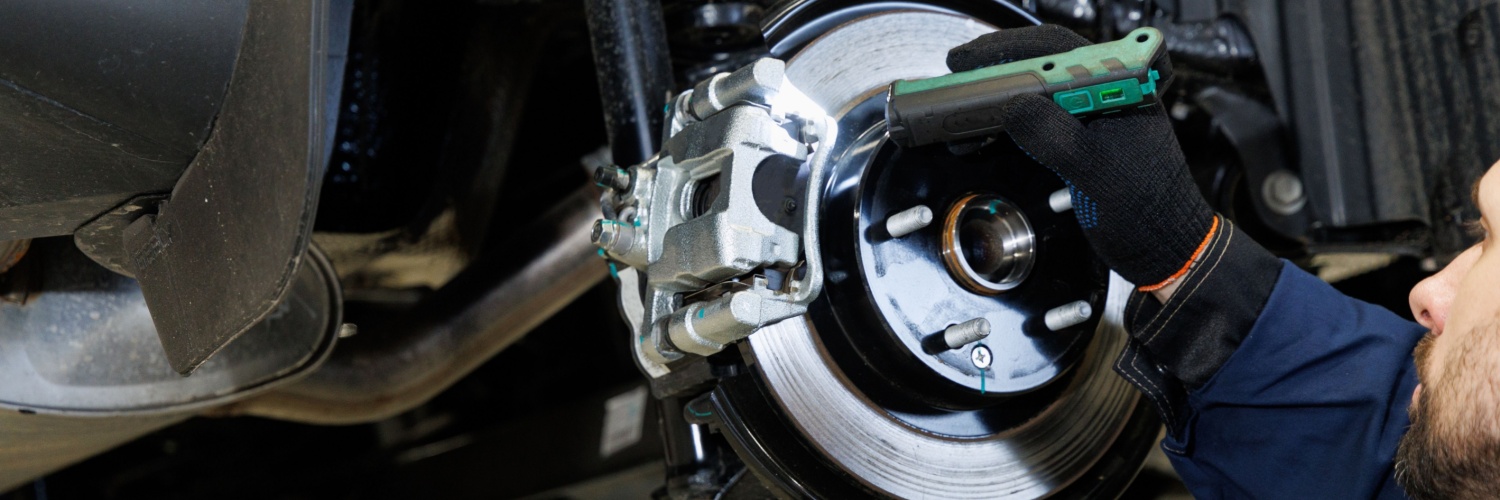
Before embarking on any significant road trip, a thorough check of your vehicle is paramount. Ensure your tires are properly inflated, your oil is changed, and your fluids are topped off. Pack an emergency kit with essentials like jumper cables, a first-aid kit, water, non-perishable snacks, and a flashlight.
Route Planning and Navigation
While mapping apps are invaluable, having a general understanding of major interstates and highways will enhance your journey. Research potential routes that align with your interests; for instance, a scenic route might be preferred over the most direct highway if time permits. Consider downloading offline maps in case you encounter areas with limited cell service, particularly in more rural parts of Alabama.
Accommodation and Sightseeing
Depending on the length of your drive, booking accommodations in advance is often wise, especially during peak travel seasons. Research hotels, resorts, or vacation rentals in your desired destinations within Alabama. Look into opening hours and admission fees for attractions you plan to visit to maximize your time and avoid disappointment.
Embracing the Journey
The distance to Alabama by car is not just a number; it represents an opportunity. Each mile traveled is a step closer to experiencing the unique blend of history, culture, and natural beauty that this Southern state has to offer. Whether you’re drawn by the call of the Civil Rights Movement in Montgomery, the allure of the Gulf Coast in Gulf Shores, or the technological marvels in Huntsville, your road trip to Alabama promises to be a rewarding adventure. Understanding the distance is simply the prologue to the story you’ll create on the open road.
LifeOutOfTheBox is a participant in the Amazon Services LLC Associates Program, an affiliate advertising program designed to provide a means for sites to earn advertising fees by advertising and linking to Amazon.com. Amazon, the Amazon logo, AmazonSupply, and the AmazonSupply logo are trademarks of Amazon.com, Inc. or its affiliates. As an Amazon Associate we earn affiliate commissions from qualifying purchases.