
Arizona, a land of captivating deserts, dramatic canyons, and vibrant urban centers, consistently draws travelers seeking adventure and unique experiences. Yet, one common query often surfaces before or during a visit: “What timezone is Arizona in right now?” The answer, while mostly straightforward, carries a specific nuance that makes it essential for seamless travel planning, from booking flights and accommodation to scheduling your daily explorations.
For the majority of the year and most of the state, Arizona observes Mountain Standard Time (MST) year-round. This critical distinction means that, unlike most of the United States, Arizona does not participate in Daylight Saving Time (DST). While this commitment to a single time zone might seem like a simple detail, it creates a unique temporal landscape that impacts how you plan your itinerary, especially when coordinating with neighboring states or exploring specific regions within Arizona itself. Understanding this unique status is key to optimizing your trip, ensuring timely arrivals for tours, and making the most of every sun-drenched moment in the Grand Canyon State.
Understanding Arizona’s Unique Time Zone Status
Arizona’s decision to opt out of Daylight Saving Time traces back to practical considerations, primarily driven by its intense summer heat. The rationale was that shifting clocks forward would only prolong daylight into the hottest parts of the evening, increasing the demand for air conditioning and overall energy consumption. By maintaining Mountain Standard Time consistently, the state benefits from earlier sunsets during the summer, allowing for cooler evenings and more comfortable outdoor activities, a significant lifestyle advantage for both residents and visitors.
Mountain Standard Time Year-Round: The General Rule
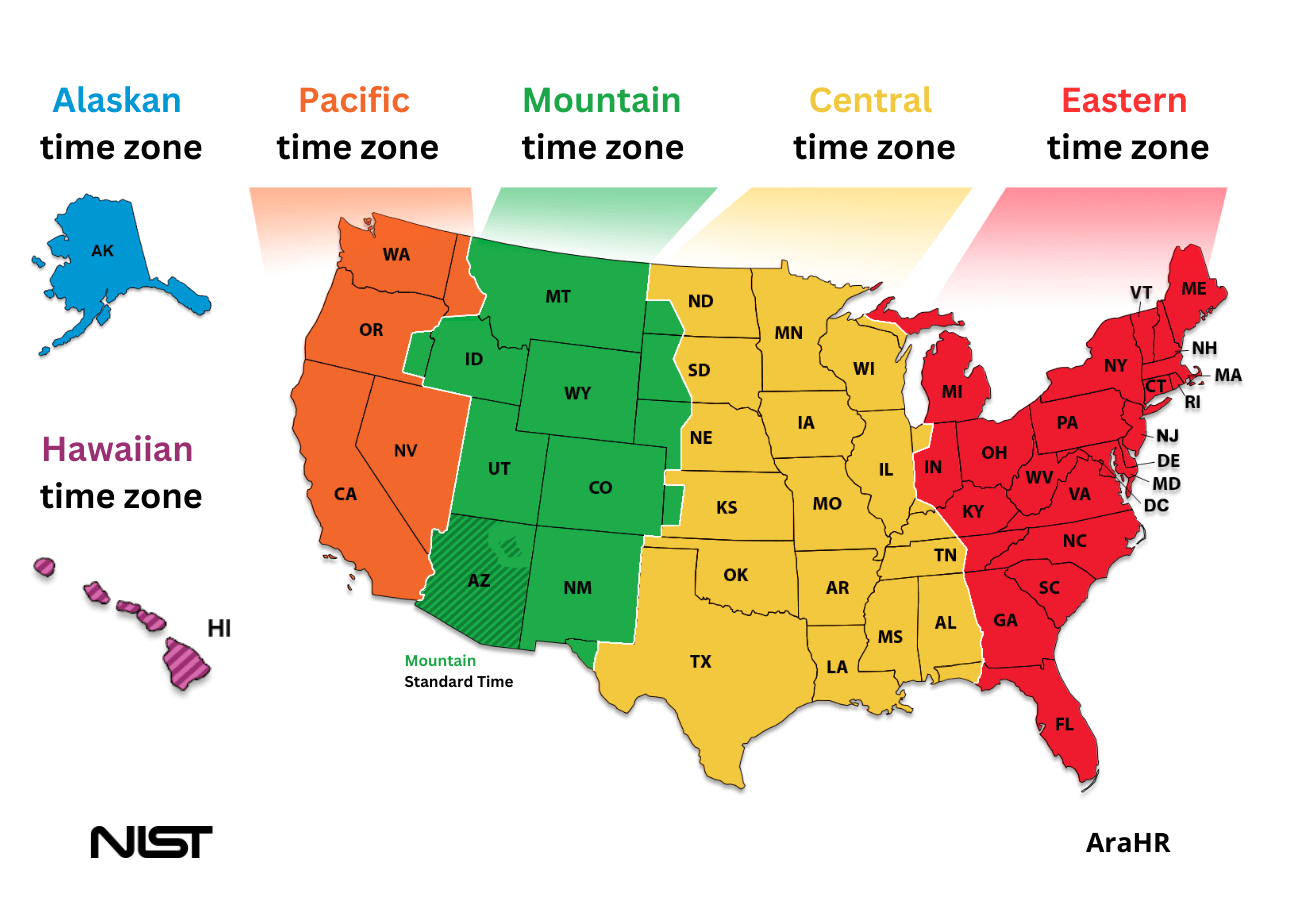
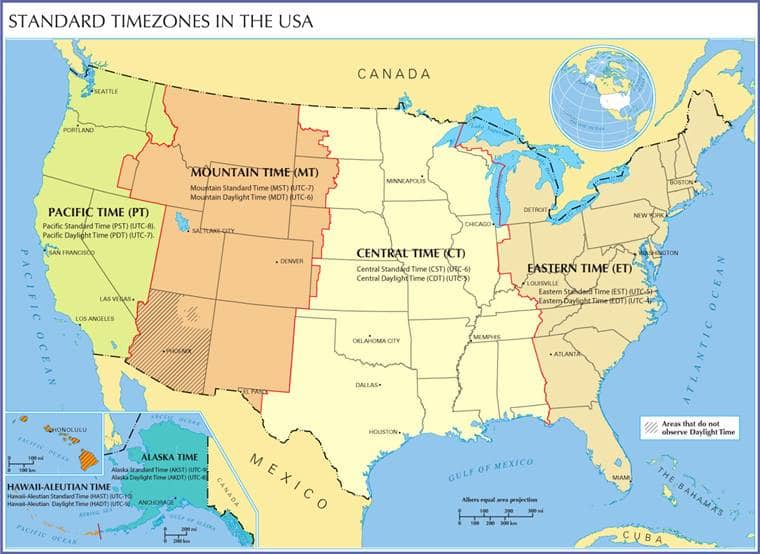
Most of Arizona operates on Mountain Standard Time (UTC-7) throughout the entire year. This means that during the spring and summer months (roughly March to November) when states like California and Nevada observe Pacific Daylight Time (PDT), Arizona aligns with their clocks. So, if it’s 10 AM in Los Angeles, it’s also 10 AM in Phoenix. Conversely, when Daylight Saving Time ends in the fall, Arizona reverts to being one hour behind its Mountain Standard Time neighbors like Colorado, Utah, and New Mexico.
This consistent approach simplifies time management for most of your Arizona travels. Whether you’re visiting the Grand Canyon, exploring Sedona’s red rocks, or enjoying the urban vibrancy of Phoenix, your clock remains steady. For tourists, this eliminates the confusion of biannual time changes, making it easier to coordinate flights, hotel check-ins, and tour schedules without second-guessing.
The Navajo Nation Exception: A Different Clock
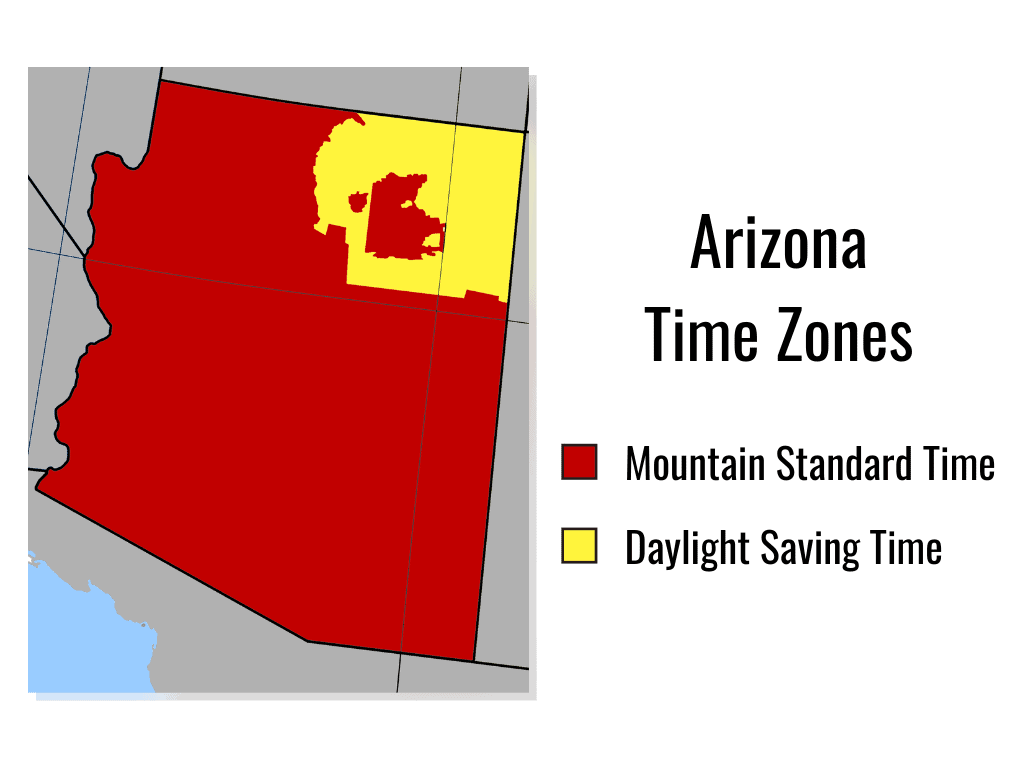
While most of Arizona adheres to Mountain Standard Time year-round, there is a significant exception: the Navajo Nation. This autonomous nation, whose territory spans parts of Arizona, Utah, and New Mexico, observes Daylight Saving Time in alignment with its portions in the other states. This decision ensures consistency across its vast tribal lands, simplifying administration and daily life for its people.
For travelers, this means that if your itinerary includes iconic attractions like Antelope Canyon, Horseshoe Bend near Page, or the majestic Monument Valley, you will be entering the Navajo Nation. During the months when Daylight Saving Time is active (typically from March to November), the Navajo Nation will be one hour ahead of the rest of Arizona. For example, if it’s 10 AM in Flagstaff, it will be 11 AM within the Navajo Nation. This time difference is crucial, especially when booking guided tours, which are often required for visiting sensitive sites like Antelope Canyon. Always confirm the local time when planning activities in this region.
Practical Implications for Travelers
Arizona’s time zone situation has several key implications for visitors. First, when driving into Arizona from neighboring states that observe Daylight Saving Time (e.g., Utah, New Mexico), remember to adjust your clock accordingly. During DST, Arizona will be on the same time as California and Nevada (Pacific Daylight Time), but one hour behind Utah and New Mexico (Mountain Daylight Time).
Second, when booking flights, hotels, tours, or making reservations for attractions, always double-check the specified time zone. While most modern booking platforms and smart devices automatically adjust, a quick verification can prevent confusion. This is particularly relevant for flights arriving from or departing to states observing Daylight Saving Time. For example, a flight leaving Phoenix at 9 AM in July might arrive in Denver at 12 PM, even with a relatively short flight time, due to Colorado being an hour ahead.
Finally, for activities within the Navajo Nation, confirming the local time with your tour operator or venue is paramount. Businesses catering to tourism in this area often specify whether they operate on “Navajo Time” or “Arizona Time” to avoid mix-ups. This proactive approach ensures you maximize your travel experience without any frustrating time-related hiccups, making your Arizona adventure as smooth as possible.
Planning Your Arizona Adventure: Time Zone Considerations for Travel
Beyond simply setting your watch, Arizona’s consistent time zone subtly influences the pace of daily life and the rhythm of your vacation. Its year-round adherence to Mountain Standard Time can be a significant advantage, offering predictable daylight hours for exploring, especially during the pleasant spring and fall seasons.
Navigating Arizona’s Diverse Regions and Their Clocks
Arizona is a state of remarkable contrasts, from the bustling urban landscape of Phoenix to the tranquil beauty of the Grand Canyon. Understanding how time operates across these diverse regions is key to seamless movement.
For example, if you fly into Phoenix Sky Harbor International Airport (PHX) and plan a road trip to Flagstaff or the Grand Canyon, the time remains consistent throughout your journey in these areas. This simplifies route planning and booking. However, if your itinerary takes you to the stunning slot canyons of Antelope Canyon or the iconic buttes of Monument Valley, be prepared for the time shift when you enter the Navajo Nation during Daylight Saving Time periods.
This regional distinction can affect various aspects of your trip, from making restaurant reservations to ensuring you arrive on time for a booked tour. When arranging activities in towns like Page, which borders the Navajo Nation, always clarify which time zone the business or tour operator is observing to avoid any miscommunications.
Optimizing Your Itinerary: Flights, Check-ins, and Activities
The absence of Daylight Saving Time across most of Arizona can be a traveler’s advantage. During the spring and summer months, when most of the US moves an hour forward, Arizona’s time effectively aligns with Pacific Daylight Time. This makes travel from the West Coast particularly straightforward, as there’s no time difference to account for. For travelers arriving from the East Coast, the initial time difference may feel more pronounced, but the consistency thereafter means you only adjust once.
When booking flights, pay careful attention to arrival and departure times. An early morning flight from Phoenix in July might feel even earlier to someone accustomed to DST. Conversely, arriving in Arizona from a DST-observing state in the afternoon means you gain an hour, offering a pleasant bonus for check-in and settling into your hotel or resort.
For time-sensitive activities like sunrise photography tours at the Grand Canyon, hot air balloon rides over Sedona, or spa appointments in Scottsdale, confirming the local Arizona time with the operator is critical. This proactive approach ensures you maximize your travel experience without any frustrating delays or missed opportunities.
From Sunrise Hikes to Sunset Dinners: Maximizing Your Experience
Arizona’s fixed time zone significantly shapes the daily rhythm of life and tourism. During the warmer months, the “earlier” sunrises and sunsets (relative to DST-observing areas) mean outdoor activities can commence earlier in cooler temperatures. This is particularly advantageous for morning hikes, mountain biking, or exploring national parks like Saguaro National Park or Petrified Forest National Park. You can hit the trails at dawn, enjoy the crisp morning air, and complete your activity before the midday heat becomes too intense.
Similarly, the earlier sunsets are ideal for enjoying evening meals with a view, relaxing poolside, or experiencing the vibrant nightlife of cities like Phoenix or Scottsdale as the sky displays its magnificent colors. This consistency helps travelers establish a comfortable routine without the disruption of changing clocks. It simplifies planning for family trips, ensuring consistent schedules for children, and provides a predictable backdrop for all your Arizona explorations.
Beyond the Clock: Exploring Arizona’s Timeless Attractions
While understanding Arizona’s time zone is practical, the state’s true allure lies in its unparalleled natural beauty and rich cultural tapestry, offering an incredible array of landmarks and experiences.
Iconic Natural Wonders and Landmarks
The majestic Grand Canyon, carved by the Colorado River, stands as one of the world’s most awe-inspiring natural landmarks. Whether you’re hiking its trails, descending into its depths, or admiring it from the rim, its scale and beauty are truly humbling. Nearby towns like Tusayan and Williams offer various accommodation options, with Williams also being the departure point for the scenic Grand Canyon Railway.
The ethereal red rock formations of Sedona attract hikers, spiritual seekers, and art enthusiasts alike. Known for its supposed vortexes, vibrant art galleries, and incredible hiking trails, Sedona offers stunning vistas and serene retreats. Accommodation ranges from luxurious resorts with spas to charming boutique hotels.
Further north, within the Navajo Nation, lie the mesmerizing slot canyons of Antelope Canyon and the dramatic Horseshoe Bend near Page. These sites require careful planning due to the Navajo Nation’s time zone difference and the necessity of guided tours. The iconic monoliths of Monument Valley, also on Navajo Nation land, offer quintessential Southwestern landscapes.
Other notable natural landmarks include the fossilized forests of Petrified Forest National Park, the majestic saguaro cacti of Saguaro National Park near Tucson, and the impressive Hoover Dam on the border with Nevada, creating Lake Mead. Even the historic London Bridge, relocated to Lake Havasu City, offers a unique blend of history and recreation.
Vibrant Cities and Cultural Experiences
Arizona’s urban centers provide a dynamic contrast to its natural wonders. Phoenix, the state capital, is a sprawling metropolis in the heart of the Sonoran Desert, offering world-class museums, the stunning Desert Botanical Garden, and diverse dining. Outdoor enthusiasts can hike Camelback Mountain or explore the unique rock formations of Papago Park.
Adjacent to Phoenix, Scottsdale is renowned for its upscale lifestyle, vibrant nightlife, and championship golf courses. Old Town Scottsdale offers a charming historical district with unique shops and art galleries, complemented by luxurious resorts that cater to discerning travelers.
Tucson, a UNESCO City of Gastronomy, showcases a rich blend of Native American, Mexican, and Southwestern cultures. Explore its historic barrios, missions, and celebrated culinary scene, or venture out to Sabino Canyon or the scenic Mount Lemmon Scenic Byway. Other charming cities like Flagstaff (a gateway to the Grand Canyon and winter sports), Mesa, and Prescott each offer their own distinct flavors and cultural experiences.
Hidden Gems and Unique Accommodation
Beyond the main tourist hubs, Arizona reveals charming small towns and lesser-known attractions. Explore the historic copper mining towns of Bisbee and Jerome, perched on hillsides with quirky art scenes and haunted tales. Step back in time in Tombstone, “The Town Too Tough to Die,” famous for the O.K. Corral shootout.
For unique natural encounters, visit the stunning underground formations of Kartchner Caverns State Park, a living cave system south of Tucson. The Verde Valley wine region, centered around towns like Cottonwood, offers delightful tasting experiences. Wickenburg preserves a rich cowboy heritage, while Yuma delves into desert history. Patagonia and Sierra Vista are havens for birdwatching enthusiasts.
Accommodation options throughout Arizona are as diverse as its landscapes. From the opulent luxury resorts of Scottsdale and Sedona boasting world-class spas and golf, to charming boutique hotels in historic downtowns, and rustic cabins near national parks. Many establishments embrace the local Southwestern aesthetic, offering an authentic sense of place. For longer stays, apartments and villas are available, particularly in metropolitan areas, providing a home-away-from-home experience. Utilize reviews and comparison websites to find the perfect stay for your travel style, whether you’re planning a family-friendly vacation, a romantic escape, or a budget-conscious adventure, ensuring your tourism experience is nothing short of exceptional.
Conclusion:
So, what timezone is Arizona in right now? The answer for most of the state is Mountain Standard Time (MST) year-round, with the notable exception of the Navajo Nation within its borders, which does observe Daylight Saving Time. This unique time zone status, while a small detail, is a crucial piece of information for any traveler planning an adventure to this stunning Southwestern state.
By understanding Arizona’s consistent clock and the specific nuances of the Navajo Nation, you can confidently navigate flights, hotel check-ins, tour schedules, and dining reservations. This knowledge empowers you to fully immerse yourself in the natural wonders, vibrant cities, and rich culture that define the Arizona experience. From the majestic Grand Canyon to the red rocks of Sedona, and the bustling streets of Phoenix to the historic charm of Tucson, Arizona offers a timeless journey. Set your watch, plan your visit with confidence, and prepare to discover why the Grand Canyon State remains a premier destination for unforgettable travel and lifestyle adventures.
LifeOutOfTheBox is a participant in the Amazon Services LLC Associates Program, an affiliate advertising program designed to provide a means for sites to earn advertising fees by advertising and linking to Amazon.com. Amazon, the Amazon logo, AmazonSupply, and the AmazonSupply logo are trademarks of Amazon.com, Inc. or its affiliates. As an Amazon Associate we earn affiliate commissions from qualifying purchases.