
Unpacking the Administrative Divisions of the Heart of Dixie
The question of “How many counties are in Alabama?” might seem straightforward, a simple demographic query. However, for those planning a journey through the Heart of Dixie, understanding its administrative landscape offers a unique lens through which to view the state’s diverse geography, rich history, and vibrant local cultures. Alabama is not just a collection of cities and natural wonders; it’s a tapestry woven from the threads of its 67 counties, each with its own story and character. This deeper understanding enhances any exploration, allowing travelers to connect with the state on a more profound level.
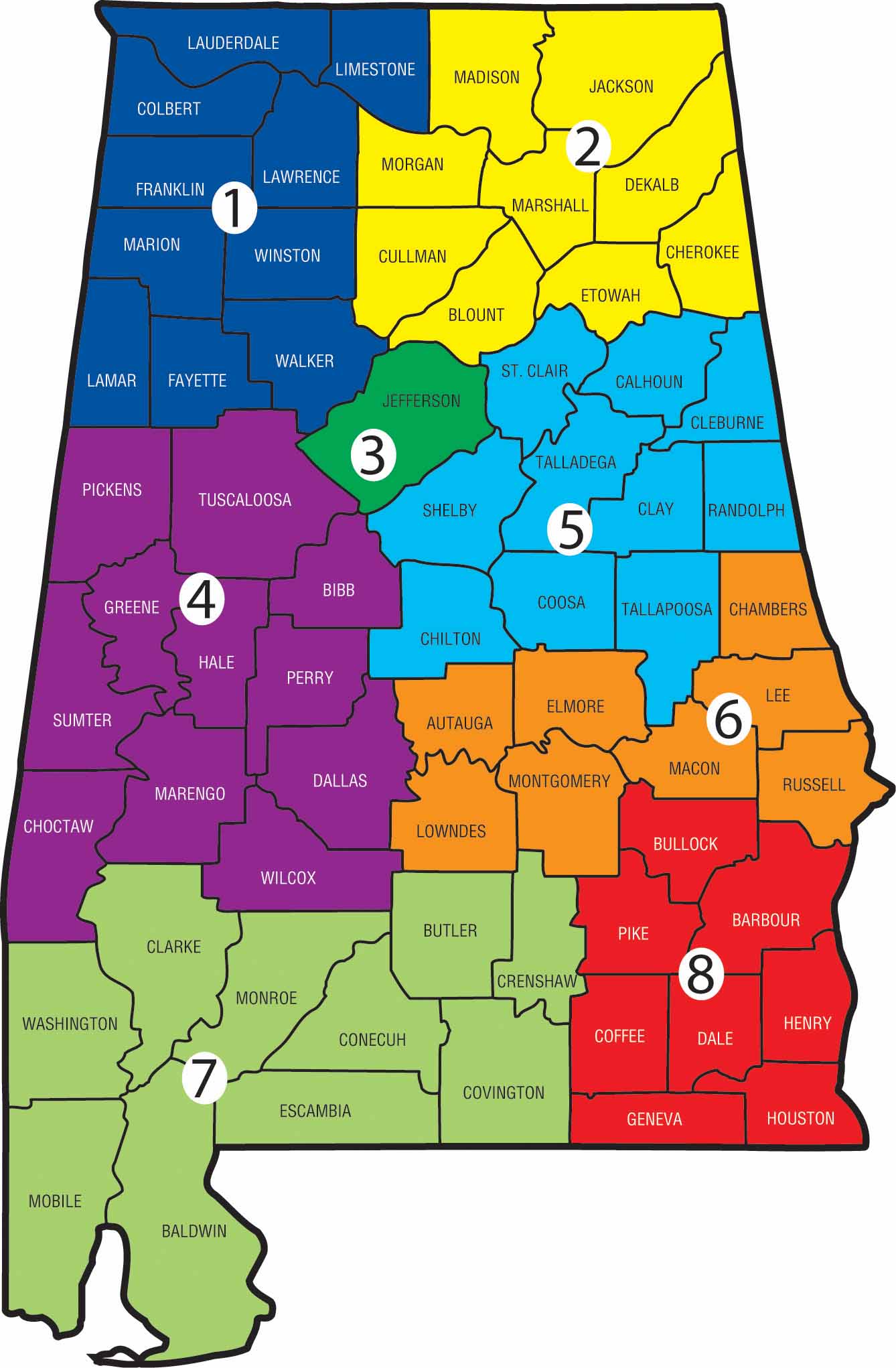
A Geographical and Historical Overview
The establishment of counties in Alabama, like in much of the United States, is deeply intertwined with the state’s historical development. As settlers moved into the region, the need for local governance, justice, and land management became paramount. The territorial and early statehood periods saw a rapid proliferation of county formations, often driven by population growth and the desire for accessible administrative centers. This process was not always linear; some counties have been dissolved, merged, or had their boundaries adjusted over time.
The physical geography of Alabama also plays a significant role in its county structure. From the rolling foothills of the Appalachian Mountains in the north to the fertile Black Belt prairies in the central region, and the sandy coastal plains in the south, each geographical zone fostered distinct settlement patterns and economic activities. These variations naturally influenced the size and shape of counties, creating a mosaic that reflects the state’s diverse topography. For instance, the larger, more sparsely populated counties are often found in the Wiregrass region of the southeast, while more densely populated areas in the north tend to have smaller, more numerous counties.
The 67 Counties: A State Divided
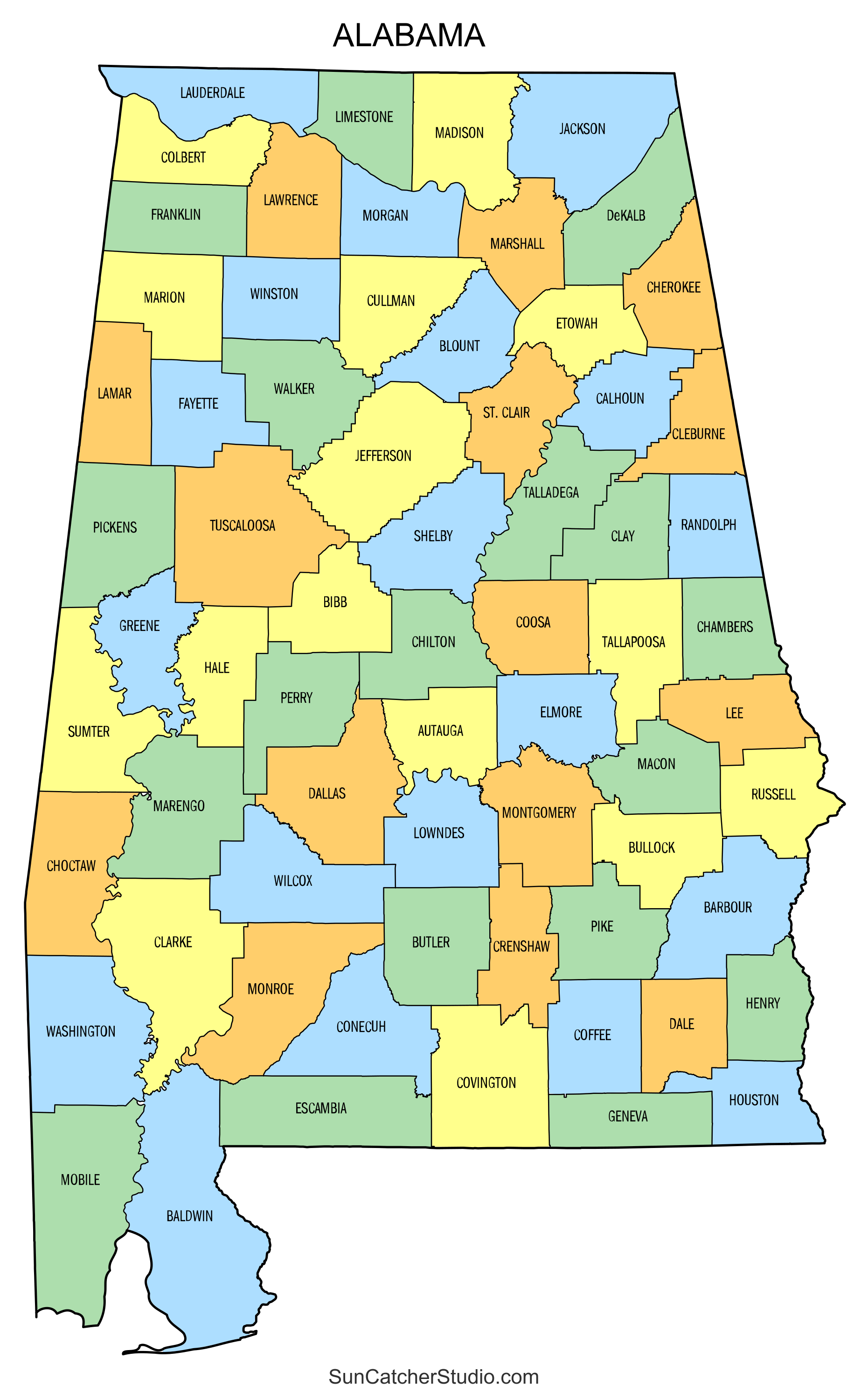
Alabama is officially comprised of 67 counties. This number has remained consistent for decades, reflecting a mature administrative framework. Each county serves as a fundamental unit of local government, responsible for services ranging from law enforcement and road maintenance to property records and election administration. For travelers, these counties represent distinct travel experiences. Whether you’re drawn to the historical significance of the Black Belt, the natural beauty of the Cheaha State Park region, or the coastal charm of Mobile County, understanding the county as a unit helps in planning an itinerary that captures the essence of different parts of Alabama.
Exploring Alabama by County: A Traveler’s Perspective
Each of Alabama’s 67 counties offers a unique slice of the state’s identity. While a comprehensive guide to every county is beyond the scope of this overview, highlighting a few provides a glimpse into the diversity awaiting exploration.
Northern Alabama: Mountains, Music, and History
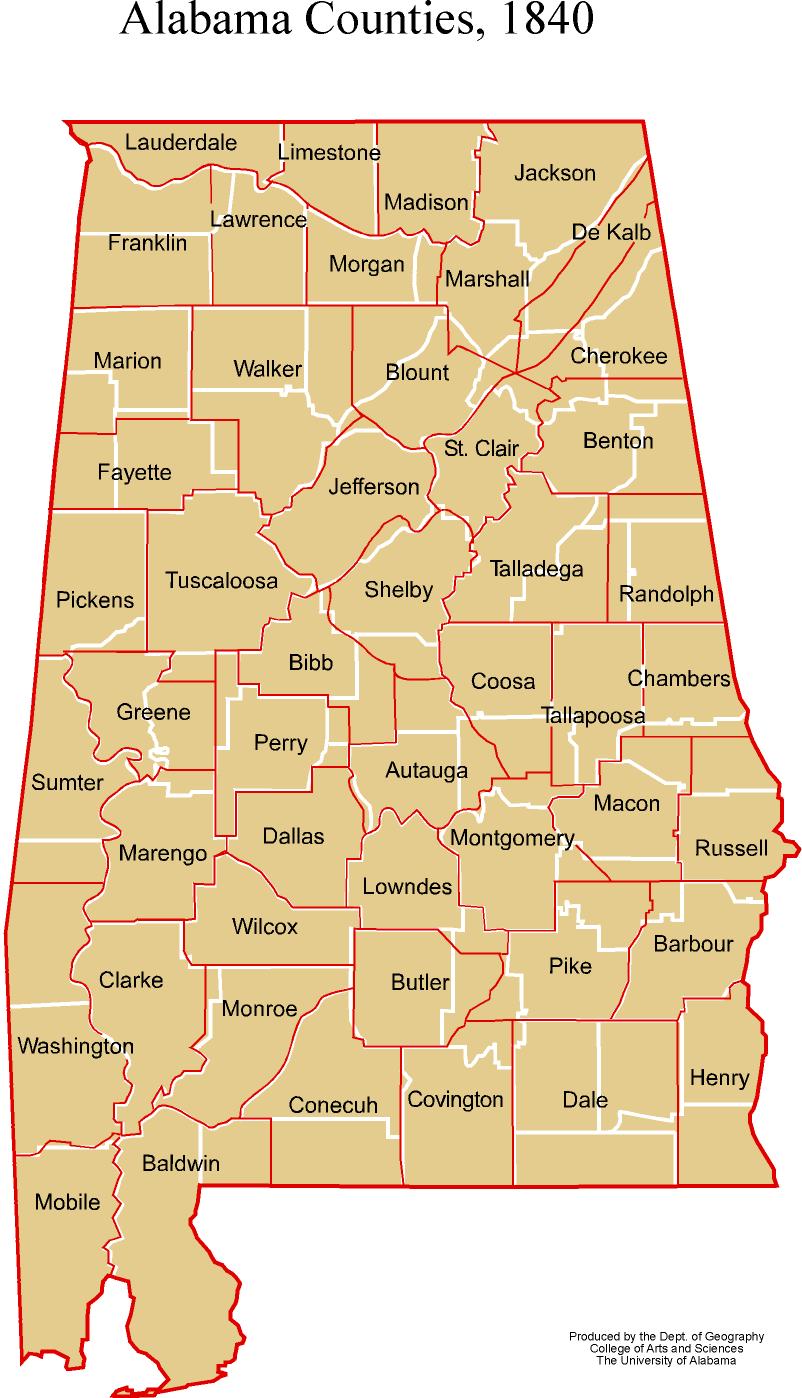
The northern reaches of Alabama are characterized by their mountainous terrain and a rich musical heritage. Counties like Lauderdale County, home to the historic city of Florence, are steeped in the sounds of Muscle Shoals music. Visitors can explore recording studios that shaped American music and discover the stories of legendary artists. Further east, Jackson County boasts stunning natural landscapes, including the Little River Canyon National Preserve, offering opportunities for hiking, waterfall chasing, and breathtaking scenic drives. DeKalb County is famous for Mentone, a charming mountain town, and the dramatic beauty of Cloudland Canyon State Park (though technically across the border in Georgia, its influence and proximity are felt). The history of the Civil Rights Movement is palpable in counties like Jefferson County, where Birmingham, the state’s largest city, stands as a testament to industrial might and social change. The Birmingham Civil Rights Institute is a must-visit for any traveler seeking to understand this pivotal era.
Central Alabama: The Black Belt and the Capital City
Central Alabama is perhaps most famously defined by the Black Belt, a crescent-shaped region renowned for its exceptionally fertile dark soil. Historically, this region was the heart of Alabama’s cotton plantation economy, and its legacy is deeply imprinted on its landscape and culture. Counties within the Black Belt, such as Dallas County (home to Selma, a pivotal site in the Civil Rights Movement and the start of the Selma to Montgomery National Historic Trail) and Lowndes County, offer a profound journey into the state’s complex past. Beyond the historical narratives, these counties are increasingly becoming destinations for agri-tourism and exploring a unique rural aesthetic.
The state capital, Montgomery, located in Montgomery County, serves as a focal point for understanding Alabama’s political and historical evolution. From the Dexter Avenue King Memorial Baptist Church to the Rosa Parks Museum, the city offers a powerful education in the fight for civil rights.
Southern Alabama: Coastal Plains and Gulf Shores
As one moves south, the terrain shifts to the coastal plains, eventually meeting the Gulf of Mexico. Mobile County is the heart of Alabama’s Gulf Coast, featuring the historic port city of Mobile, known for its Mardi Gras celebrations, antebellum architecture, and the USS Alabama Battleship Memorial Park. The county also encompasses the popular beach destinations of Gulf Shores and Orange Beach, attracting visitors with their sugar-white sands and clear blue waters. Further inland in the southern part of the state, counties like Henry County and Dale County offer a more rural experience, with agricultural landscapes and a slower pace of life, often punctuated by small towns with their own distinct charm and local festivals. The Wiregrass Museum of Art in Dothan, located in Houston County, showcases regional art and culture.
Navigating Alabama’s Counties: Practical Tips for Travelers
For travelers, understanding Alabama’s county structure can significantly enhance their journey:
- Itinerary Planning: Knowing which attractions fall within which counties helps in logically planning routes and minimizing travel time. For example, if you wish to visit both Cheaha State Park and the historic sites in Selma, you’ll need to account for travel between Clay County and Dallas County.
- Local Flavor: Counties often have unique culinary traditions, festivals, and local artisans. Researching specific counties of interest can lead to more authentic and enriching experiences. For instance, seafood in Baldwin County will differ from the barbecue found in northern counties.
- Accommodation Options: While major cities offer a range of hotels and resorts, exploring smaller towns within specific counties can reveal charming bed and breakfasts, unique vacation rentals, or historic inns.
- Understanding Local Governance: While not a primary focus for most tourists, a basic awareness that each county has its own government and services can be helpful, especially in more rural areas where services might be more localized.
The Enduring Significance of Alabama’s Counties
The 67 counties of Alabama are more than just administrative boundaries; they are living, breathing entities that shape the state’s identity. They represent the diverse landscapes, from the mountains of the north to the coast in the south. They are the repositories of history, echoing with stories of Native American tribes, pioneers, the Civil Rights Movement, and industrial growth. They are the hubs of local culture, fostering unique traditions, cuisines, and community spirits. For any traveler looking to truly understand and appreciate the multifaceted beauty of Alabama, exploring its counties is an essential part of the journey, transforming a simple trip into a rich and immersive experience.
LifeOutOfTheBox is a participant in the Amazon Services LLC Associates Program, an affiliate advertising program designed to provide a means for sites to earn advertising fees by advertising and linking to Amazon.com. Amazon, the Amazon logo, AmazonSupply, and the AmazonSupply logo are trademarks of Amazon.com, Inc. or its affiliates. As an Amazon Associate we earn affiliate commissions from qualifying purchases.