
Establishing a Limited Liability Company (LLC) in Alabama is a strategic move for entrepreneurs looking to protect their personal assets while enjoying the flexibility of a pass-through taxation structure. This guide will walk you through the essential steps involved in forming an LLC in the Heart of Dixie, from initial planning to post-formation compliance. Understanding the process ensures a smooth and efficient launch for your business endeavors.
Understanding the Alabama LLC Framework
Before diving into the procedural aspects, it’s crucial to grasp what an LLC is and why it’s a popular choice for small businesses and startups. An LLC combines the liability protection of a corporation with the operational simplicity and tax advantages of a partnership or sole proprietorship. This means your personal assets – such as your home, car, and savings – are generally shielded from business debts and lawsuits.
Benefits of an Alabama LLC
The advantages of forming an LLC in Alabama extend beyond liability protection. The state offers a business-friendly environment, and the LLC structure provides significant operational flexibility.
- Limited Liability: This is the cornerstone of the LLC structure. It separates your personal finances from your business obligations. If your business incurs debt or faces a lawsuit, your personal assets are typically not at risk.
- Pass-Through Taxation: Unless you elect otherwise, an LLC is not taxed as a separate entity. Instead, profits and losses are “passed through” to the owners (members) and reported on their individual tax returns. This avoids the “double taxation” that can occur with C-corporations.
- Flexibility in Management: Alabama LLCs can be managed by their members (member-managed) or by appointed managers (manager-managed). This flexibility allows you to tailor the management structure to your specific business needs and expertise.
- Fewer Formalities: Compared to corporations, LLCs generally have fewer ongoing compliance requirements, such as mandatory annual meetings or extensive record-keeping.
- Credibility: Operating as a formal business entity like an LLC can enhance your business’s credibility with customers, suppliers, and financial institutions.
Key Considerations Before Forming Your LLC
While the process is straightforward, thoughtful planning is essential for a successful LLC formation.
- Business Name: Your LLC name must be unique and distinguishable from other registered business names in Alabama. It must also include a designator such as “Limited Liability Company,” “LLC,” or “L.L.C.”
- Registered Agent: You must designate a registered agent in Alabama who will receive official legal and tax documents on behalf of your LLC. This agent must have a physical street address within the state.
- Operating Agreement: While not legally required by the state of Alabama, an Operating Agreement is a critical internal document that outlines the ownership structure, management responsibilities, profit and loss distribution, and operating procedures of your LLC. It’s highly recommended for clarity and to prevent future disputes.
Step-by-Step Guide to Forming Your Alabama LLC
The formation of an LLC in Alabama primarily involves filing the necessary documents with the Alabama Secretary of State.
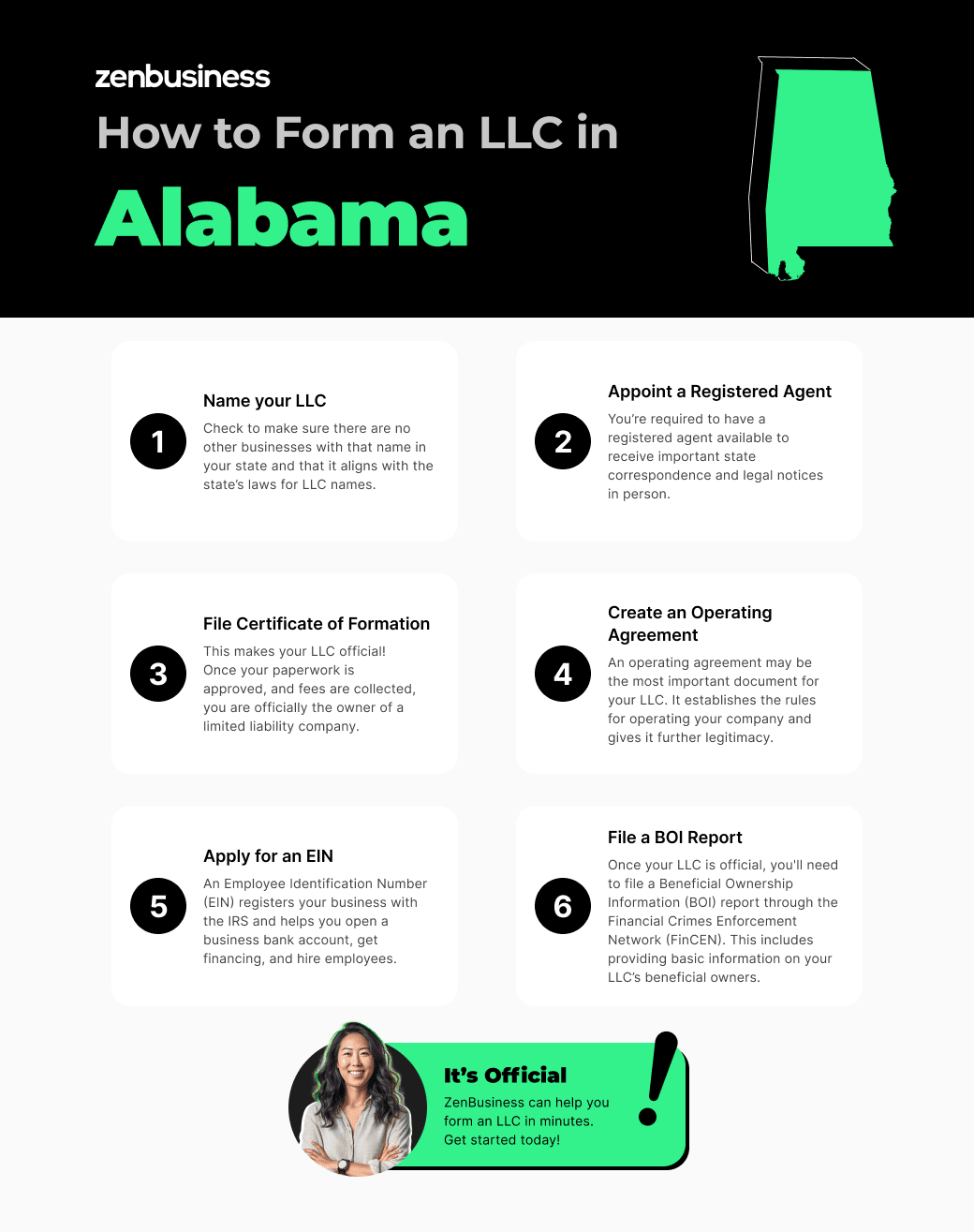
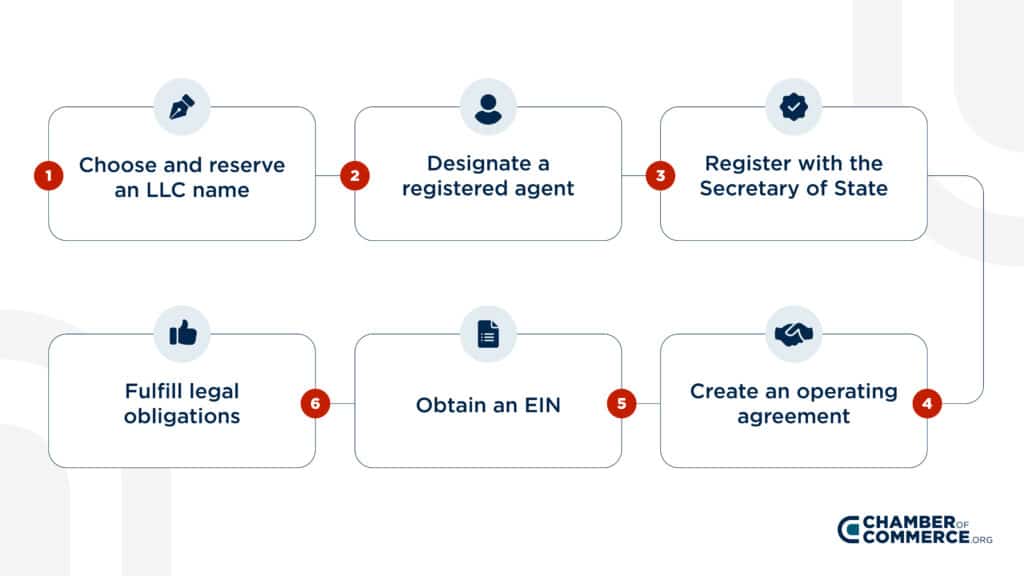
Step 1: Choose a Business Name
The first and most critical step is selecting a name for your LLC. This name will represent your business to the public and is legally important.
Name Availability Search
Before you fall in love with a name, you must ensure it’s available for use in Alabama. The Alabama Secretary of State provides a business entity search tool on its website. This tool allows you to check if your desired name, or a similar one, has already been registered. It’s advisable to have a few alternative names in mind in case your first choice is unavailable.
Naming Requirements
In addition to being unique, your LLC name must adhere to certain requirements set by Alabama law. The name must contain the words “Limited Liability Company” or one of its accepted abbreviations: “LLC” or “L.L.C.” You cannot use words that might mislead the public into believing your LLC is a government agency or a different type of business entity.
Step 2: Appoint a Registered Agent
Every LLC operating in Alabama must appoint a registered agent. This individual or entity serves as the official point of contact for your business for legal and government correspondence.
Who Can Be a Registered Agent?
- An individual who is a resident of Alabama and has a physical street address (not a P.O. Box) within the state.
- A business entity that is authorized to do business in Alabama and has a physical street address within the state.
You can choose to be your own registered agent if you meet these requirements. However, many businesses opt for a professional registered agent service, especially if they are not located in Alabama or if they prefer to keep their personal address private.
Importance of the Registered Agent
The registered agent’s role is crucial. They are responsible for receiving service of process (legal documents in case of a lawsuit) and official notices from the state. Failure to maintain a registered agent can lead to administrative dissolution of your LLC.
Step 3: File Certificate of Formation
The formal creation of your LLC happens when you file the “Certificate of Formation” with the Alabama Secretary of State. This document is the legal birth certificate of your LLC.
Required Information
The Certificate of Formation typically requires the following information:

- Name of the LLC: The exact name you chose and verified.
- Registered Agent Name and Address: The name and physical street address of your designated registered agent.
- Principal Office Address: The main business address of your LLC in Alabama.
- Management Structure: Whether the LLC will be member-managed or manager-managed.
- Organizer’s Name and Address: The name and address of the person filing the document. This can be a member, manager, or an attorney.
Filing the Certificate
You can file the Certificate of Formation online through the Alabama Secretary of State website, by mail, or in person. There is a filing fee associated with this document, which is subject to change. It’s recommended to check the official website for the most current fee schedule.
Step 4: Create an Operating Agreement
While not a mandatory filing with the state, an Operating Agreement is a vital internal document for your LLC. It’s a contract among the members that defines the ownership structure, operating procedures, and financial arrangements of the company.
Key Components of an Operating Agreement
- Member Information: Details about each member, their ownership percentage, and their contributions.
- Management Structure: Clearly defines who has the authority to make decisions and how those decisions will be made.
- Profit and Loss Distribution: Outlines how profits and losses will be allocated among the members.
- Membership Changes: Procedures for admitting new members, members leaving the LLC, or transferring ownership interests.
- Dissolution Procedures: Guidelines for winding down the business if necessary.
An Operating Agreement helps prevent misunderstandings and disputes among members and is often required by banks for opening business accounts.
Step 5: Obtain an EIN (Employer Identification Number)
If your LLC plans to hire employees, or if it is a multi-member LLC, you will need an Employer Identification Number (EIN) from the Internal Revenue Service (IRS). The EIN is like a Social Security number for your business, used for tax purposes.
How to Apply for an EIN
You can apply for an EIN for free directly on the IRS website. The application is straightforward and typically results in receiving your EIN immediately. Even if not strictly required, some single-member LLCs choose to obtain an EIN to keep their Social Security number separate from business dealings.
Step 6: Understand Ongoing Compliance
Forming your LLC is just the beginning. To maintain your LLC’s good standing in Alabama, you must adhere to ongoing compliance requirements.
Annual Reports
Alabama requires LLCs to file an Annual Report with the Alabama Secretary of State to remain in compliance. This report provides updated information about your LLC. Failure to file the Annual Report can result in your LLC being administratively dissolved. There is a fee associated with filing the Annual Report.
Business Licenses and Permits
Depending on your industry and location within Alabama, you may need to obtain specific federal, state, and local business licenses and permits. Researching these requirements is crucial for legal operation.
Tax Obligations
As an LLC, you will have federal, state, and potentially local tax obligations. Remember that most LLCs benefit from pass-through taxation, meaning you’ll report business income and losses on your personal tax return. Consult with a tax professional to understand your specific tax liabilities.
Maintaining Your Alabama LLC
Once your LLC is established, consistent attention to legal and financial matters ensures its continued success and protection.
Keeping Records Updated
Regularly update your business records, including your Operating Agreement if there are changes in membership or management. Ensure your registered agent information is current with the Alabama Secretary of State.
Business Bank Account
It is highly recommended to open a separate business bank account for your LLC. Commingling personal and business funds can jeopardize your limited liability protection. This also simplifies accounting and tax preparation. You will likely need your Certificate of Formation and EIN to open a business account.
Staying Informed of Legal Changes
Business laws and regulations can evolve. Staying informed about any changes that might affect your LLC in Alabama is important. This might involve consulting with legal counsel or staying updated with publications from the Alabama Secretary of State.
Forming an LLC in Alabama is a process that requires careful attention to detail and adherence to state regulations. By following these steps, you can successfully establish your business, protect your personal assets, and build a solid foundation for future growth.
LifeOutOfTheBox is a participant in the Amazon Services LLC Associates Program, an affiliate advertising program designed to provide a means for sites to earn advertising fees by advertising and linking to Amazon.com. Amazon, the Amazon logo, AmazonSupply, and the AmazonSupply logo are trademarks of Amazon.com, Inc. or its affiliates. As an Amazon Associate we earn affiliate commissions from qualifying purchases.