
Alabama, a state celebrated for its rich agricultural heritage and Southern hospitality, offers more than just picturesque landscapes and a vibrant culinary scene. For the resourceful traveler and local alike, understanding how to access fresh, free vegetables can significantly enhance a visit, whether you’re on a budget or simply seeking a deeper connection with the land. This guide delves into the various avenues available in Alabama for obtaining produce without monetary exchange, focusing on community initiatives, agricultural gleaning programs, and direct engagement with local farmers and gardens.
Community Gleaning Programs and Food Banks
One of the most impactful ways to access free vegetables in Alabama is through organized gleaning programs and the network of food banks that serve the state. Gleaning, the practice of collecting leftover crops from farms after the harvest, directly addresses food waste while providing essential nourishment to those in need.
Understanding Gleaning in Alabama
Several organizations across Alabama are dedicated to gleaning operations. These groups partner with farmers who are willing to donate surplus produce that might otherwise go to waste. Volunteers are the backbone of these efforts, dedicating their time to harvest these crops.
- Volunteer Opportunities: Participating as a volunteer is often the most direct route to obtaining gleaning produce. By joining a gleaning event, you’ll not only contribute to a vital community service but also gain access to freshly harvested fruits and vegetables. Organizations like the Alabama Food Bank Association and its member food banks often coordinate these volunteer opportunities. Keep an eye on their websites and social media for announcements regarding gleaning dates and locations.
- Food Bank Access: For individuals facing food insecurity, food banks and pantries are crucial resources. Many food banks in Alabama receive regular donations of fresh produce, either through direct farmer donations or gleaning efforts. You can locate a food pantry near you by contacting your local United Way chapter or visiting online directories. These facilities distribute food to individuals and families on a regular basis.
- Partnerships with Local Farms: Many gleaning initiatives work directly with farmers in regions such as the Black Belt or the fertile areas around Montgomery and Huntsville. Establishing relationships with these organizations can provide consistent access to seasonal produce.
Benefits of Gleaning
Beyond the obvious benefit of acquiring free food, participating in or benefiting from gleaning programs offers broader advantages:
- Reduces Food Waste: It diverts perfectly good produce from landfills.
- Supports Local Agriculture: It helps farmers by clearing fields and can sometimes offer a tax benefit for their donations.
- Builds Community: It brings people together for a common cause.
- Promotes Healthy Eating: It makes fresh, nutritious food accessible to everyone.
Community Gardens and Urban Farming Initiatives
Community gardens and urban farming projects are blossoming throughout Alabama, offering residents and visitors alike a chance to get involved and reap the rewards of shared cultivation. These spaces often operate on principles of cooperation and mutual benefit, where contributing time and effort can lead to access to fresh produce.
Engaging with Community Gardens

- Plot Participation: Many community gardens offer individual plots for rent, but some also have communal areas or designated sections where produce is grown for the benefit of all members or for donation. If you have a bit of land or a shared space, you might be able to start your own small garden, but for immediate access, joining an existing project is often more feasible.
- Volunteer Workdays: Community gardens frequently hold volunteer workdays. By pitching in with planting, weeding, watering, and harvesting, you can earn a share of the bounty. These events are not only productive but also serve as excellent opportunities to learn about gardening techniques and meet like-minded individuals. Look for community gardens in cities like Birmingham, Mobile, and Tuscaloosa.
- Educational Workshops: Some gardens offer workshops on sustainable agriculture, organic gardening, and cooking with fresh produce. While not directly providing free vegetables, these workshops equip you with the knowledge to grow your own or better utilize the produce you obtain.
Urban Farming and Food Forests
Beyond traditional community gardens, Alabama is seeing growth in urban farming initiatives and the development of “food forests.” These are designed to be self-sustaining ecosystems that produce food for the community.
- Food Forest Access: Food forests, often established in public parks or on underutilized land, are designed to be accessible to the public for foraging. While foraging etiquette dictates taking only what you need and leaving plenty for others and for the ecosystem, these can be a wonderful source of free, seasonal vegetables and fruits. Research specific food forest projects in your area of Alabama.
- Farmers Market Involvement: Some urban farms and community gardens sell their produce at local farmers’ markets. While this usually involves a cost, some markets have programs where volunteers can work a shift in exchange for produce, or they may offer surplus produce at the end of the market day.
Direct Engagement with Farmers and Home Gardens
For those willing to explore beyond organized programs, direct engagement with individual farmers and home gardeners can sometimes yield free vegetables, particularly during peak harvest seasons. This approach often relies on building relationships and showing genuine interest in local agriculture.
Building Relationships with Farmers
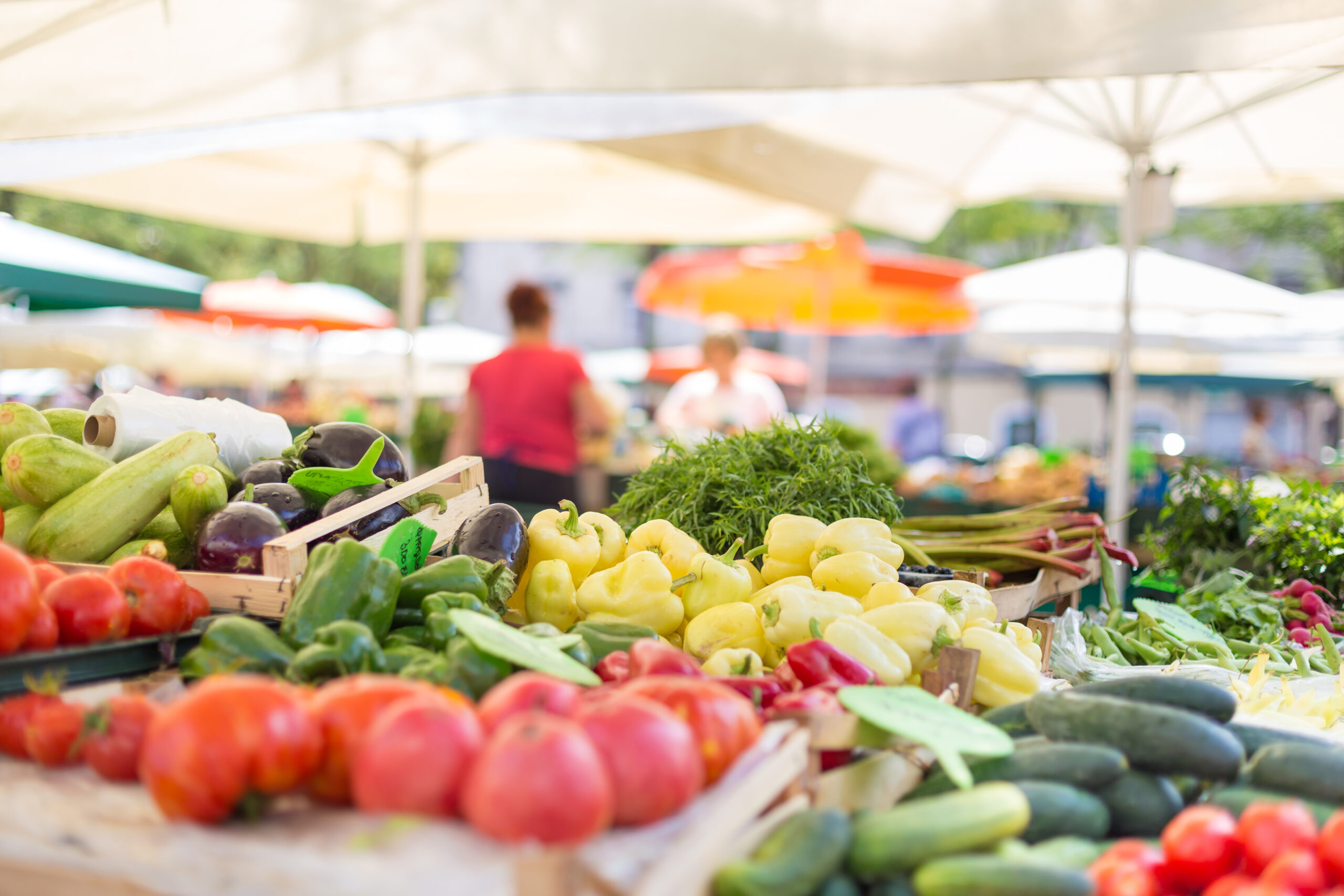
- Farmers’ Markets: While the primary purpose of a farmers’ market is commerce, building rapport with vendors at markets across Alabama, from the East Alabama Farmers Market to smaller rural stands, can lead to opportunities. Be a regular customer, show interest in their produce, and inquire about any surplus. Sometimes, at the end of the day, farmers may offer unsold produce for free rather than transport it back.
- Farm Stands and Roadside Offerings: Many small farms in rural Alabama have roadside stands. Engaging with the farmers at these locations might present opportunities. If you see an abundance of a particular vegetable, a polite inquiry about sharing in the harvest, especially if you offer to help with picking, could be successful.
- Seasonal Offers: Farmers often have bumper crops of certain vegetables. During these peak times, they might be more amenable to sharing, especially if you express appreciation for their hard work and the quality of their produce.
Connecting with Home Gardeners
- Neighborhood Exchange: In residential areas with active gardening communities, informal exchanges are common. If you have neighbors who are avid gardeners, a friendly conversation might reveal opportunities to share in their bounty. Perhaps you can offer a different skill or item in exchange, or simply help with watering or weeding.
- Online Community Groups: Local social media groups focused on gardening, homesteading, or community sharing in Alabama can be valuable resources. People often post about excess produce from their home gardens, offering it for free to anyone who can pick it up.
Ethical Considerations and Reciprocity
When seeking free vegetables through direct engagement, it’s crucial to approach the situation with respect and consideration.
- Offer to Help: Always be willing to offer your time and labor in exchange for produce. This demonstrates that you value the effort involved.
- Take Only What You Need: Be mindful of not overharvesting, respecting the gardener’s or farmer’s efforts and ensuring there is enough for them and for others.
- Express Gratitude: A sincere thank you goes a long way. Small gestures of appreciation can foster goodwill and create opportunities for future sharing.
- Share Your Own: If you have your own garden or can offer something in return, consider a reciprocal exchange.
By understanding and actively engaging with these various avenues – from organized gleaning programs and community gardens to direct interactions with agricultural producers – individuals in Alabama can find enriching and sustainable ways to access fresh, free vegetables, further connecting with the state’s abundant natural resources and its strong community spirit.
LifeOutOfTheBox is a participant in the Amazon Services LLC Associates Program, an affiliate advertising program designed to provide a means for sites to earn advertising fees by advertising and linking to Amazon.com. Amazon, the Amazon logo, AmazonSupply, and the AmazonSupply logo are trademarks of Amazon.com, Inc. or its affiliates. As an Amazon Associate we earn affiliate commissions from qualifying purchases.