
Phoenix, Arizona, a sprawling metropolis nestled in the heart of the Sonoran Desert, is a destination that captivates with its dramatic landscapes, vibrant culture, and perpetual sunshine. Often called the “Valley of the Sun,” this desert gem promises an unforgettable experience for travelers, whether they seek outdoor adventures, luxurious resort stays, or a deep dive into local history and art. However, a successful trip to Phoenix, Arizona, hinges significantly on understanding its unique and often extreme weather patterns. Unlike many destinations where weather is a minor consideration, in Phoenix, it defines the rhythm of life and tourism. From scorching summers that demand strategic planning to mild, sunny winters that beckon snowbirds, the climate here dictates everything from the best time to hit the hiking trails to the ideal poolside escape. For those planning a visit, knowing what to expect from the weather is not just a recommendation; it’s a prerequisite for an enjoyable and comfortable Phoenix experience. This guide will take you through the distinct seasons of the Valley of the Sun, offering insights into temperatures, activities, and essential tips for navigating this stunning desert landscape.
Understanding Phoenix’s Unique Desert Climate
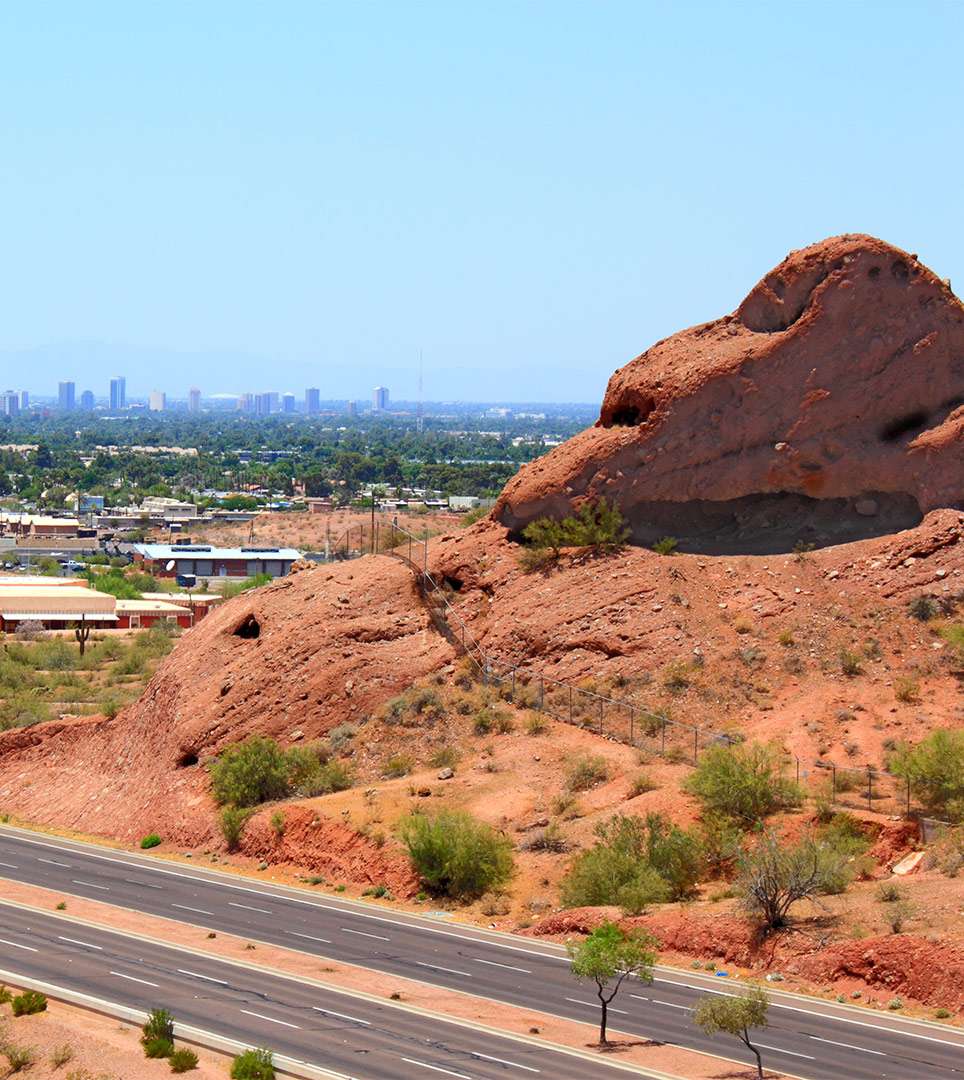
The climate of Phoenix is characterized as arid and subtropical, largely influenced by its location within the Sonoran Desert. This means long, extremely hot summers and short, mild winters. Humidity levels are generally low for much of the year, which, while offering a different kind of heat than humid climates, still necessitates careful attention to hydration and sun protection. Rainfall is sparse, with the majority occurring during the summer monsoon season and some during the cooler winter months. The consistent sunshine, averaging over 300 days a year, is a major draw for many visitors, but understanding its intensity through the seasons is key to planning the perfect itinerary. Each season in Phoenix offers a distinctly different experience, requiring varying approaches to activities, clothing, and even accommodation choices.
The Scorching Summers: June to September
When summer descends upon Phoenix, it does so with an intense blaze. From June through September, temperatures regularly soar into the triple digits, often exceeding 110°F (43°C) and sometimes even touching 120°F (49°C). These months are defined by an unrelenting sun that makes midday outdoor activities challenging, if not hazardous, for the uninitiated. This extreme heat doesn’t deter all travelers; indeed, many embrace the unique rhythm it imposes. Early mornings and late evenings become prime times for outdoor excursions, while the bulk of the day is best spent in air-conditioned comfort or submerged in a refreshing pool.
During July and August, the Sonoran Desert experiences its monsoon season. This period brings a dramatic shift in weather patterns, characterized by an increase in humidity and the potential for intense, albeit brief, thunderstorms. These storms can unleash heavy downpours, flash floods, and, most famously, colossal dust storms known as “haboobs” that sweep across the valley, turning the sky into an eerie orange haze. While the monsoons offer a spectacular natural phenomenon and temporarily cool the air, they require travelers to stay informed about weather advisories.
For those visiting during the summer, the focus shifts indoors or to water-centric activities. Phoenix boasts an impressive array of indoor attractions perfect for escaping the heat. The Musical Instrument Museum offers a fascinating journey through global music, while the Heard Museum provides deep insights into Native American art and culture. Art lovers will appreciate the extensive collections at the Phoenix Art Museum. For families, indoor amusement centers and trampoline parks offer a great way to burn off energy.
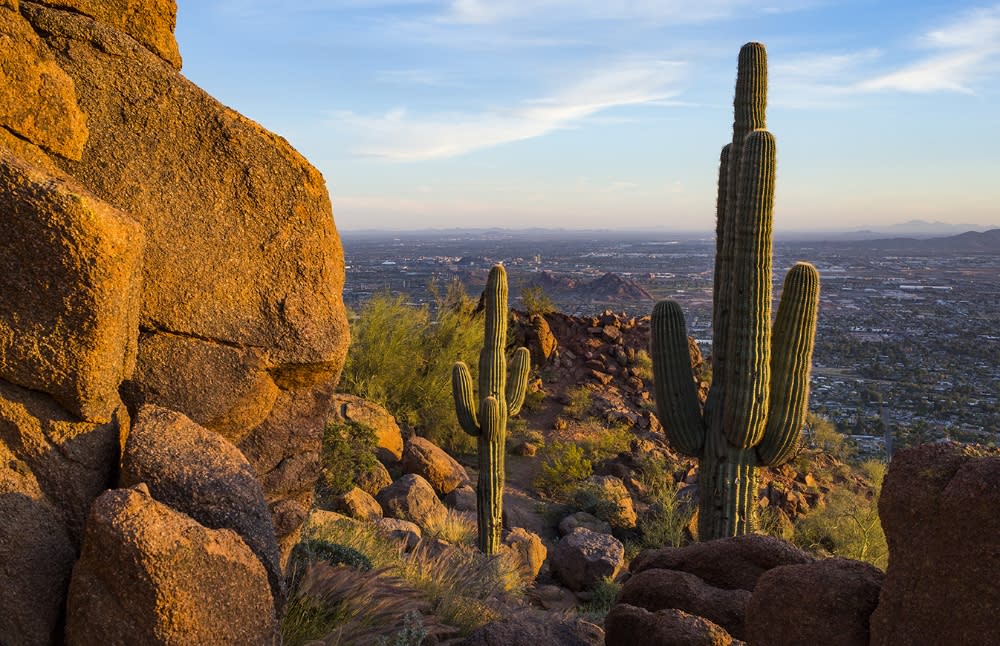
Resorts become sanctuaries during these months, with their elaborate pool complexes and luxurious amenities providing the ultimate refuge. Iconic establishments like the Arizona Biltmore, A Waldorf Astoria Resort or the Hyatt Regency Phoenix often feature sprawling pools, lazy rivers, and refreshing cabana service. The JW Marriott Desert Ridge Resort & Spa is another excellent option for those seeking a resort experience focused on water activities and relaxation. Shopping at climate-controlled malls like Biltmore Fashion Park or Scottsdale Fashion Square provides a stylish escape, offering everything from high-end boutiques to popular department stores. Despite the intense heat, summer travel to Phoenix often comes with the advantage of lower hotel rates and fewer crowds, making it an attractive option for budget-conscious travelers who are prepared to adapt to the climate.
The Glorious Shoulder Seasons: October-November & March-May
The shoulder seasons in Phoenix are arguably the most delightful times to visit, offering a perfect balance of warm weather and comfortable conditions, ideal for enjoying all the outdoor wonders the Valley of the Sun has to offer. These periods bridge the extremes of summer and winter, providing an inviting climate for a wide range of activities.
Autumn’s Embrace: October and November
As the calendar turns to October, Phoenix begins its transformation from sweltering summer to pleasant autumn. Temperatures moderate significantly, with daytime highs typically ranging from the mid-80s to low 90s°F (29-35°C), and evenings cooling down to comfortable 60s°F (15-20°C). The intense summer sun mellows, making outdoor exploration much more enjoyable. This period is particularly beloved by hikers, bikers, and golfers who can once again fully embrace the stunning desert landscape without the risk of heat exhaustion.
October and November are prime months for experiencing Phoenix’s natural beauty. The Desert Botanical Garden becomes a vibrant tapestry of desert flora, perfect for a leisurely stroll. Adventurers can tackle the numerous trails within South Mountain Park and Preserve, the largest municipal park in the United States, offering panoramic views of the city. Papago Park, with its distinctive red rock formations, is another excellent choice for shorter hikes and photo opportunities. Golf courses, pristine and inviting, welcome enthusiasts from around the globe. Evening activities flourish, with outdoor dining becoming a popular pastime, especially in charming areas like Old Town Scottsdale, known for its diverse culinary scene and vibrant nightlife. These months offer the perfect balance for those seeking active vacations combined with relaxed evenings.
Spring Bloom: March, April, and May
Spring in Phoenix is a season of renewal and breathtaking beauty, rivaling autumn as a favorite time for visitors. From March through May, the desert comes alive with wildflowers, painting the landscape with bursts of color. Temperatures are pleasantly warm, gradually increasing from the low 80s°F (27-30°C) in March to the high 90s°F (35-37°C) by late May, before the intense summer heat fully settles in. Evenings remain comfortably cool, perfect for al fresco dining or stargazing.
This is a bustling time for tourism, as visitors flock to enjoy the near-perfect weather. Spring Training baseball, with the Cactus League hosting numerous MLB teams, is a major draw, bringing a festive atmosphere to the entire valley. Families will find plenty to do, with attractions like the Phoenix Zoo offering enjoyable outdoor experiences. Hot air balloon rides provide an unforgettable perspective of the Sonoran Desert’s vastness and beauty, particularly stunning during sunrise. Outdoor festivals, art shows, and farmers’ markets are commonplace, showcasing Phoenix’s vibrant local culture. Hiking and biking remain popular, with trails offering incredible views of blooming cacti and desert flora. Spring combines the best of Phoenix’s outdoor lifestyle with a lively calendar of events, making it a truly exceptional time to visit.

Winter’s Mild Respite: December to February
While much of North America shivers under blankets of snow, Phoenix revels in its mild, sun-drenched winter. From December through February, the Valley of the Sun experiences its peak tourist season, drawing “snowbirds” and vacationers eager to escape colder climates. Average daytime temperatures range from the mid-60s to low 70s°F (18-23°C), creating an idyllic environment for outdoor activities. Evenings can be cool, often dropping into the 40s°F (4-9°C), requiring a light jacket or sweater, but the days are consistently sunny and pleasant.
This is undoubtedly the best time for extensive outdoor exploration. Hiking the myriad trails in areas like Camelback Mountain or Piestewa Peak is a fantastic way to enjoy the scenery and get some exercise. Golf courses are in pristine condition, hosting numerous tournaments and attracting players from around the globe. Cycling enthusiasts can take advantage of the many bike paths and scenic routes. Phoenix’s calendar is packed with events during winter, including art festivals, car shows, and cultural celebrations, taking full advantage of the agreeable weather.
Winter is also when Phoenix’s luxury resort scene truly shines. Resorts like The Phoenician, a Luxury Collection Resort, Scottsdale and the Four Seasons Resort Scottsdale at Troon North offer unparalleled service, world-class golf courses, and exquisite dining experiences, providing a perfect retreat for those seeking relaxation and indulgence. While hotel rates can be higher due to demand, the impeccable weather and vibrant atmosphere make it worthwhile for many.
Furthermore, winter’s moderate temperatures make it an ideal time for day trips to other iconic Arizona destinations. A drive north to the red rocks of Sedona or even further to the majestic Grand Canyon National Park is much more comfortable than undertaking such journeys in the heat of summer. The crisp air and clear skies enhance the scenic beauty, making winter a truly magical time to discover the diverse landscapes of Arizona.
Preparing for Your Phoenix Adventure: Essential Travel Tips
Regardless of the season, a successful trip to Phoenix requires some thoughtful preparation. Understanding the desert environment and how to best interact with it will significantly enhance your experience, ensuring comfort and safety throughout your visit.
What to Pack and Wear
Packing strategically for Phoenix is crucial. Lightweight, breathable fabrics like cotton or linen are ideal for all seasons. During summer, prioritize light-colored clothing that reflects the sun. A wide-brimmed hat, sunglasses, and high-SPF sunscreen are non-negotiables year-round due to the intense Arizona sun. Even in winter, sun protection is paramount. For the cooler months and shoulder seasons, layers are key. While days are mild, evenings can be surprisingly chilly, so bring a light jacket, sweater, or fleece. Comfortable walking shoes are essential, especially if you plan to explore the city’s attractions or hit the hiking trails. If visiting in summer and planning to spend time at resorts, swimwear is a must.
Staying Hydrated and Safe
Hydration is perhaps the most critical tip for any visitor to Phoenix. The dry desert air can dehydrate you quickly, often before you even realize it. Drink plenty of water constantly, even if you don’t feel thirsty, and carry a reusable water bottle. Avoid excessive alcohol and sugary drinks, as they can contribute to dehydration. During summer, it’s wise to limit strenuous outdoor activities to early mornings or late evenings and seek shade whenever possible. Always check the weather forecast before heading out, particularly for extreme heat warnings or monsoon storm predictions. Be aware of the signs of heat exhaustion and heatstroke, and know when to take a break or seek medical attention. When hiking, inform someone of your route and expected return time, and never underestimate the desert environment.
Accommodation Choices Across Seasons
When booking accommodation in Phoenix, regardless of the season, ensure that air conditioning is a primary feature. Even during the mildest winter days, some might appreciate a cool room. During the summer, a resort with a large pool or water park is a highly desirable amenity, turning your hotel into an oasis. Phoenix offers a diverse range of accommodation options, from luxurious resorts and boutique hotels to budget-friendly motels and vacation rentals. Consider your travel style and budget: high-end resorts often offer comprehensive amenities that can make enduring summer heat more palatable, while budget-conscious travelers might find better deals during the off-peak summer months. During peak seasons (winter and spring), booking well in advance is highly recommended to secure your preferred options and avoid higher prices.
Navigating Local Transportation
Phoenix is a sprawling city, and while public transportation options exist, including a light rail system serving parts of Phoenix, Tempe, and Mesa, a rental car is often recommended for maximum flexibility and convenience, especially if you plan to explore beyond the immediate downtown areas or take day trips. Rideshare services like Uber and Lyft are readily available. When driving, always use sun shades in your car to keep it cooler when parked, and be mindful of other drivers, as desert driving conditions can vary.
In conclusion, Phoenix offers a captivating experience throughout the year, each season presenting its own unique charm and challenges. By understanding its distinct desert climate and preparing accordingly, travelers can maximize their enjoyment, whether they’re seeking the vibrant outdoor adventures of the mild winter, the colorful blooms of spring, the luxurious indoor escapes of summer, or the comfortable exploration opportunities of autumn. With careful planning, a trip to the Valley of the Sun promises memories as bright and enduring as the Arizona sun itself.
LifeOutOfTheBox is a participant in the Amazon Services LLC Associates Program, an affiliate advertising program designed to provide a means for sites to earn advertising fees by advertising and linking to Amazon.com. Amazon, the Amazon logo, AmazonSupply, and the AmazonSupply logo are trademarks of Amazon.com, Inc. or its affiliates. As an Amazon Associate we earn affiliate commissions from qualifying purchases.