
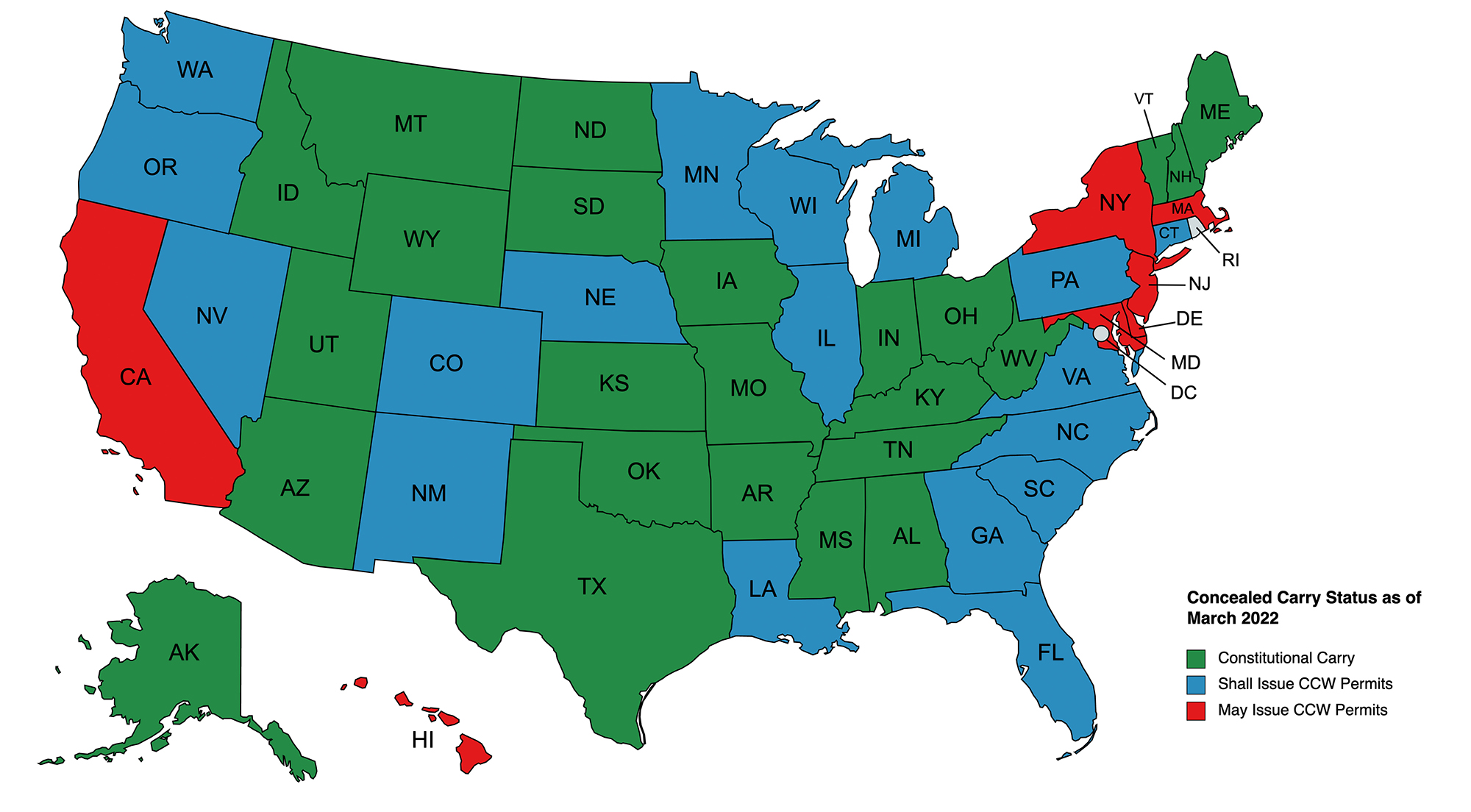
The question of whether Alabama is a constitutional carry state is a significant one for residents and visitors alike, particularly those who own firearms and are interested in carrying them. Constitutional carry, often referred to as permitless carry, allows individuals to carry a concealed or unconcealed handgun without needing a government-issued permit. This approach is rooted in the interpretation of the Second Amendment of the United States Constitution, which protects the right of the people to keep and bear arms. Understanding Alabama’s stance on this issue involves examining its legislative history, current laws, and the implications for lawful gun ownership and personal safety.
Understanding Constitutional Carry in Alabama
Constitutional carry is a legal framework that recognizes the right to bear arms as inherent and not requiring a special government authorization to exercise, provided certain conditions and restrictions are met. In states that have adopted constitutional carry, individuals who are legally permitted to own a firearm can generally carry it openly or concealed without obtaining a specific permit. This differs from “shall-issue” states, where permits are available to all applicants who meet specific, objective criteria, and “may-issue” states, where issuing a permit is at the discretion of law enforcement or local officials.
The movement towards constitutional carry has gained momentum across the United States in recent years, with many states enacting legislation to allow permitless carry. Proponents argue that requiring a permit infringes upon the fundamental right to self-defense and places an unnecessary burden on law-abiding citizens. Opponents often raise concerns about public safety and the potential for increased gun violence.
Legislative Milestones and Current Status
Alabama has a complex history when it comes to firearm laws. For a long time, the state operated under a system where carrying a concealed pistol required a permit. However, significant legislative changes have been made to move towards a more permissive stance.
In 2013, Alabama passed legislation that allowed eligible individuals to carry a concealed pistol without a permit, provided they met certain criteria. This was a major shift in the state’s firearm laws. Prior to this, the primary method of obtaining the right to carry a concealed pistol was through a Handgun Permit issued by a sheriff. The 2013 law, however, established that a permit was no longer mandatory for concealed carry for those who were otherwise legally allowed to possess a handgun. This effectively made Alabama a constitutional carry state for concealed handguns.
Key Provisions of Alabama’s Permitless Carry Law
The current legal framework in Alabama allows individuals who are 21 years of age or older, and who are not prohibited from possessing a firearm, to carry a handgun concealed or openly without a permit. This is a crucial distinction from many other states where permitless carry might only apply to open carry.
However, it is vital to understand that “constitutional carry” does not mean “no rules.” There are still specific prohibitions and restrictions in place to ensure public safety and prevent misuse of firearms. For instance, certain locations are designated as no-carry zones, such as schools, courthouses, and federal buildings. Additionally, individuals who are prohibited from owning firearms under federal or state law, such as convicted felons or those with a domestic violence conviction, are still prohibited from carrying handguns, with or without a permit.
The law also addresses the issue of reciprocity with other states. While Alabama recognizes permits from other states that have reciprocity agreements, the permitless carry provisions mean that an Alabama resident who meets the criteria can carry without a permit within the state, regardless of whether their home state has permitless carry or requires a permit.
Implications for Travelers and Residents
The designation of Alabama as a constitutional carry state has several important implications for both its residents and for individuals traveling through or visiting the state.
For Residents of Alabama
For law-abiding citizens of Alabama who are legally permitted to own a firearm, constitutional carry offers increased freedom and flexibility in exercising their right to self-defense. They no longer need to go through the process of applying for and renewing a permit to carry a handgun concealed. This can simplify personal protection strategies and reduce the administrative burden associated with firearm ownership.
However, it is paramount that residents educate themselves thoroughly on the specific laws governing firearm possession and carrying in Alabama. Ignorance of the law is not a defense, and violating any of the restrictions, such as carrying in a prohibited area or by a prohibited person, can lead to severe legal consequences. Responsible gun ownership includes understanding when, where, and how to carry a firearm legally and safely.
For Visitors and Travelers to Alabama
For travelers planning a trip to Alabama, understanding the state’s firearm laws is crucial, especially if they intend to carry a firearm. If a visitor is from a state that also has constitutional carry, they will generally be permitted to carry their handgun in Alabama under the same provisions as residents, provided they meet the age and eligibility requirements.
However, the situation becomes more complex for visitors from states that do not have constitutional carry or have significantly different firearm regulations. Federal law and Alabama’s specific laws govern how non-residents can carry firearms. Generally, if a visitor is legally allowed to carry a handgun in their home state, and their home state has a reciprocity agreement with Alabama, or if Alabama’s permitless carry law extends to them, they may be able to carry.

The most prudent advice for any traveler is to research Alabama’s firearm laws thoroughly before their trip. This includes understanding the specific age requirements, prohibited locations, and any nuances related to carrying firearms across state lines. Consulting official state government resources or legal professionals specializing in firearm law is highly recommended. Websites of the Alabama Law Enforcement Agency or the Alabama Attorney General’s office are good starting points for accurate information.
Navigating Prohibited Locations and Other Restrictions
Even in a constitutional carry state like Alabama, responsible firearm owners must be acutely aware of the places where carrying a handgun is prohibited. These restrictions are in place to ensure the safety of specific environments and the people within them.
Federal and State Prohibited Areas
Alabama law, like federal law, designates several locations where firearms are strictly forbidden. These typically include:
- Schools: This is a critical area. Carrying a firearm on school property, including K-12 schools and public colleges or universities, is generally prohibited, regardless of whether you have a permit or are carrying under constitutional carry provisions. There may be specific exceptions for law enforcement officers or individuals with explicit authorization, but for the general public, this is a no-carry zone.
- Courthouses and Government Buildings: Many courthouses and other local, state, or federal government buildings are off-limits for firearms. These are secure facilities where the presence of firearms could pose a significant risk.
- Polling Places: During an election, carrying a firearm at a polling place is prohibited.
- Law Enforcement Facilities: This includes police stations and sheriff’s offices.
- Federal Buildings: Any building owned or occupied by the federal government is a prohibited location.
Understanding “Carry” Laws: Concealed vs. Open
In Alabama, constitutional carry applies to both concealed and unconcealed (open) carry. This means that an eligible individual can carry a handgun either hidden from view or openly. However, even with open carry, there are considerations. While not explicitly prohibited by law for eligible individuals, openly carrying a firearm in certain contexts can cause alarm or draw unwanted attention, potentially leading to misunderstandings or calls to law enforcement. Responsible carriers often consider the environment and the potential impact of their actions on those around them.
Age and Eligibility Requirements
The constitutional carry law in Alabama is not a blanket permission for everyone. Specific age and eligibility requirements must be met. As mentioned, individuals must be at least 21 years old. Furthermore, they must not be prohibited from owning a firearm by federal or state law. This includes individuals who:
- Have been convicted of a felony.
- Have been convicted of certain misdemeanors, including domestic violence.
- Are subject to a domestic violence restraining order.
- Are an unlawful user of or addicted to any controlled substance.
- Have been dishonorably discharged from the United States Armed Forces.
- Have renounced their United States citizenship.
- Are an illegal alien.
It is the responsibility of the individual to ensure they meet all these criteria. Law enforcement officers are authorized to check for compliance, and penalties for unlawful possession or carrying can be severe.
Reciprocity and Traveling with Firearms
For those who choose to obtain a handgun permit in Alabama, or for visitors who carry under their home state’s permit, understanding reciprocity is key. Alabama has reciprocity agreements with numerous other states, meaning that it recognizes valid handgun permits issued by those states. Conversely, Alabama permits are recognized in many other states.
However, with the advent of constitutional carry, the emphasis shifts slightly. While permits are no longer mandatory for carrying a handgun within Alabama for eligible residents and visitors who meet the state’s criteria, having a permit can still be advantageous. A permit can facilitate smoother travel through other states that may not have constitutional carry and may have specific requirements for non-residents. For instance, a concealed carry permit from Alabama is recognized by many states that might not recognize permitless carry for visitors from states without such provisions.
Benefits of Obtaining an Alabama Handgun Permit
Despite the availability of permitless carry, there are still compelling reasons why an eligible individual might choose to obtain an Alabama Handgun Permit. These include:
- Interstate Travel: As mentioned, a permit enhances the ability to legally carry firearms in other states that recognize Alabama permits, even if those states don’t have constitutional carry.
- Verification of Eligibility: The permit application process involves a background check, which can provide an extra layer of reassurance to the applicant that they meet all legal requirements.
- Access to Certain Privileges: In some jurisdictions or for specific activities, carrying with a permit might offer certain conveniences or bypass certain restrictions, although this is less common in states with robust constitutional carry laws.

Staying Informed About Changing Laws
Firearm laws are subject to change. Legislatures at both the state and federal levels can amend existing statutes or enact new ones. For any firearm owner, staying informed about the latest legal developments is not just a matter of convenience but a legal necessity. Subscribing to newsletters from reputable firearm organizations, following legislative updates, and periodically reviewing official state government websites are all effective ways to remain current.
Ultimately, the question of whether Alabama is a constitutional carry state is answered with a resounding “yes” for eligible individuals carrying handguns, both concealed and openly. This legal framework offers significant rights and responsibilities, emphasizing the importance of education, awareness, and responsible gun ownership for all who choose to exercise their Second Amendment rights within the state.
LifeOutOfTheBox is a participant in the Amazon Services LLC Associates Program, an affiliate advertising program designed to provide a means for sites to earn advertising fees by advertising and linking to Amazon.com. Amazon, the Amazon logo, AmazonSupply, and the AmazonSupply logo are trademarks of Amazon.com, Inc. or its affiliates. As an Amazon Associate we earn affiliate commissions from qualifying purchases.