
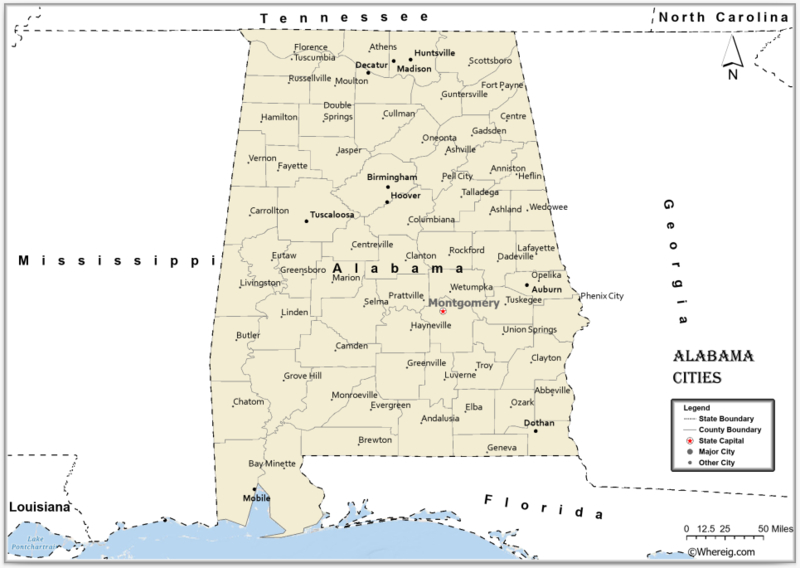
Alabama, a state steeped in history, culture, and natural beauty, offers a diverse range of experiences for any traveler. While its charming small towns and scenic byways hold undeniable allure, understanding the state’s urban centers provides a crucial lens through which to view its economic, social, and cultural pulse. These larger cities not only serve as hubs for commerce and innovation but also as gateways to the unique experiences that define the Heart of Dixie. Exploring the biggest cities in Alabama reveals a fascinating tapestry of development, from the bustling industrial might of Birmingham to the historic grandeur of Montgomery and the coastal charm of Mobile. For those planning a visit, identifying these key metropolises is an essential first step in crafting an itinerary that captures the essence of this Southern state.
Birmingham: The Magic City’s Enduring Appeal
Often referred to as the “Magic City,” Birmingham earned its nickname due to its rapid growth and industrial transformation in the late 19th and early 20th centuries. Today, it stands as Alabama’s most populous city and a vibrant center for healthcare, finance, and innovation. For travelers, Birmingham offers a compelling blend of historical significance, a thriving arts scene, and a burgeoning culinary landscape.
A Deep Dive into History and Civil Rights
Birmingham played a pivotal role in the American Civil Rights Movement, and its historical sites are essential stops for understanding this crucial period. The Sixteenth Street Baptist Church, tragically bombed in 1963, now stands as a powerful memorial and a testament to resilience. Nearby, the Birmingham Civil Rights Institute offers an immersive and moving exhibition that chronicles the struggles and triumphs of the movement. Visitors can also explore Kelly Ingram Park, a key gathering place during protests, and the historic Fourth Avenue Business District, which was once a thriving center for African American commerce and culture.
Cultural Enrichment and Artistic Expression
Beyond its civil rights legacy, Birmingham boasts a rich cultural tapestry. The Birmingham Museum of Art houses an impressive collection spanning various eras and cultures, from ancient artifacts to contemporary works. For performing arts enthusiasts, the Alabama Theatre and the Lyric Theatre offer stunning architectural backdrops for live performances, including music concerts, Broadway shows, and film screenings. The city’s numerous galleries and studios further underscore its commitment to fostering artistic talent.
Culinary Delights and Outdoor Adventures
Birmingham’s culinary scene has exploded in recent years, earning national recognition for its innovative and delicious offerings. From James Beard Award-winning chefs to charming neighborhood eateries, the city provides a gastronomic journey for every palate. Southern comfort food is a staple, but expect to find diverse influences and creative interpretations. For those seeking outdoor recreation, Ruffner Mountain Nature Preserve offers hiking trails with stunning city views, while the Botanical Gardens provide a serene escape with diverse flora.
Montgomery: The Cradle of the Confederacy and Civil Rights
As the capital of Alabama, Montgomery holds immense historical significance, particularly as a focal point for both the Confederacy and the Civil Rights Movement. Its compact downtown is rich with landmarks that tell the story of pivotal moments in American history, making it a compelling destination for travelers interested in understanding the nation’s past.
Echoes of the Confederacy
Montgomery’s role as the first capital of the Confederate States of America is palpable throughout the city. The Alabama State Capitol, where Jefferson Davis was inaugurated, stands as a prominent historical monument. Visitors can explore the building and its grounds, reflecting on the era that led to the Civil War. The First White House of the Confederacy offers a glimpse into the domestic life of the Confederate president and his family.
A Beacon of the Civil Rights Movement
Montgomery was the launching point for many of the most impactful events of the Civil Rights Movement. The Rosa Parks Museum, located at the site of her historic arrest on a city bus, provides a moving and interactive experience detailing the Montgomery Bus Boycott. The Dexter Avenue King Memorial Baptist Church, where Martin Luther King Jr. served as pastor, was a crucial center for organizing protests and planning the boycott. The Edmund Pettus Bridge in nearby Selma, though not directly in Montgomery, is intrinsically linked to the voting rights marches that began in the capital city and ended with the tragic events on the bridge.
Government, Culture, and Riverfront Charm
Beyond its historical weight, Montgomery serves as the seat of Alabama’s government. The State House offers insights into contemporary state politics. The city’s cultural offerings include the Montgomery Museum of Fine Arts, showcasing a diverse collection of American art. The revitalized riverfront district provides a pleasant area for strolling, dining, and enjoying views of the Alabama River, with attractions like the Riverwalk Amphitheater hosting various events.
Mobile: A Historic Port City with Coastal Allure
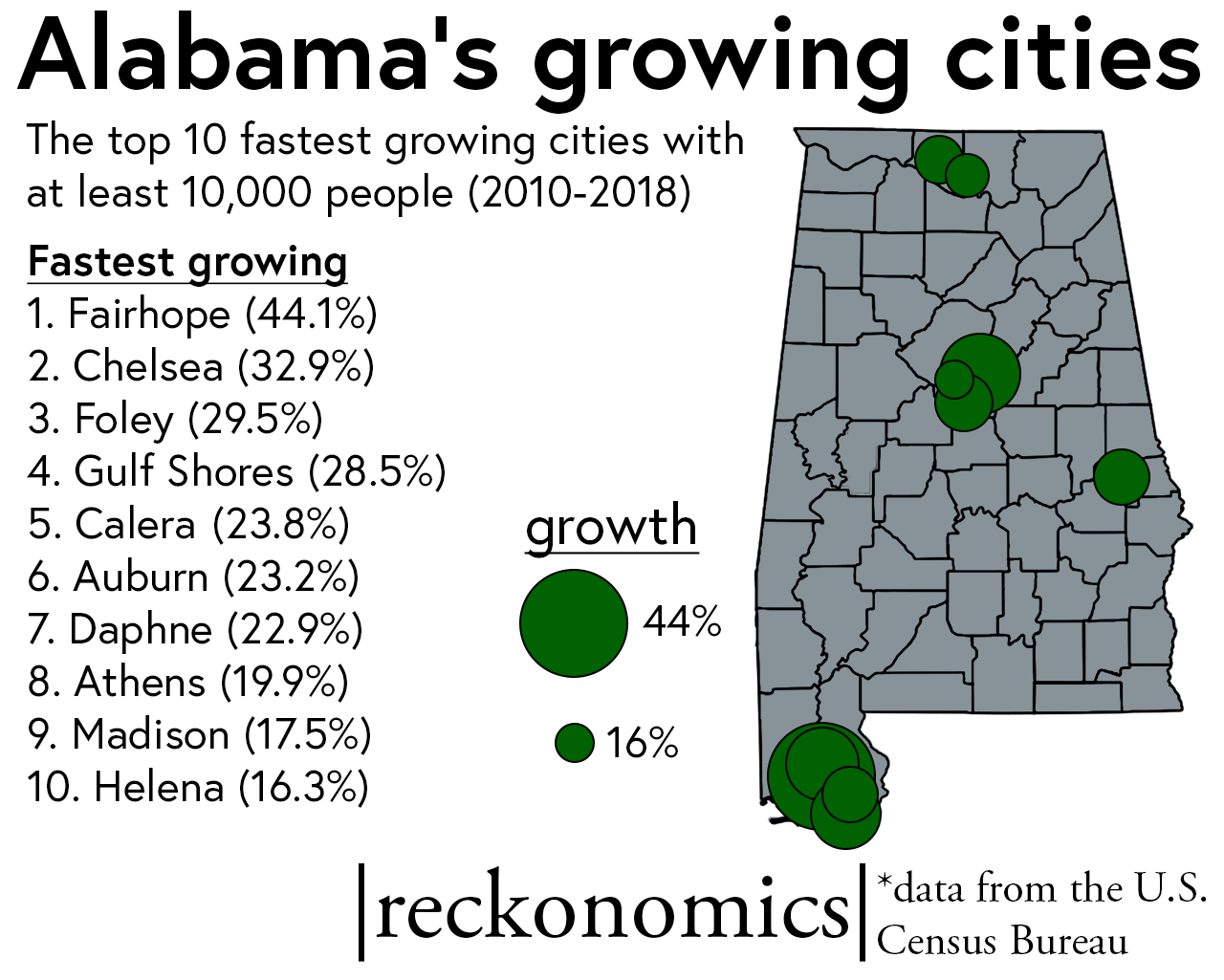
Nestled on the Gulf Coast, Mobile is Alabama’s third-largest city and a vital port with a rich history influenced by French, British, Spanish, and American rule. Its unique heritage is evident in its architecture, cuisine, and vibrant Mardi Gras celebrations, making it a distinctively charming destination.
A Legacy of French Influence and Mardi Gras
Mobile proudly claims to be the birthplace of Mardi Gras in the United States, with celebrations dating back to 1703. The annual Mardi Gras festivities are a spectacular affair, drawing visitors from far and wide to witness elaborate parades, vibrant costumes, and the lively spirit of the city. Outside of the carnival season, the Mobile Carnival Museum offers a fascinating look into the history and traditions of this iconic event. The city’s French heritage is also reflected in its historic architecture, particularly in the charming downtown area.
Maritime History and Waterfront Wonders
As a major port city, Mobile’s connection to the sea is undeniable. The USS Alabama Battleship Memorial Park is a must-visit, featuring the retired World War II battleship USS Alabama and the submarine USS Drum. Exploring these vessels offers a tangible connection to naval history. The waterfront area, including the Cooper Riverside Park, provides scenic views, walking paths, and opportunities for enjoying the coastal atmosphere. For nature enthusiasts, the nearby Dauphin Island is a popular destination for birdwatching and exploring barrier island ecosystems.
Southern Charm and Gastronomic Pleasures
Mobile’s culinary scene is a delightful fusion of Southern traditions and Gulf Coast flavors. Seafood is, of course, a highlight, with fresh catches prepared in a variety of delicious ways. Expect to find influences from Creole and Cajun cuisine, reflecting the region’s multicultural past. Dishes like shrimp and grits, oysters, and fresh fish are local favorites. The historic downtown area is dotted with charming restaurants and cafes, offering a perfect setting to savor the city’s unique gastronomic offerings. The Olde Dauphin Way Historic District showcases beautiful antebellum homes, further enhancing the city’s Southern charm.
Huntsville: The Rocket City’s Ascendancy
Huntsville, located in northern Alabama, has undergone a remarkable transformation from a small agricultural town to a major center for aerospace and technological innovation. Its rapid growth has propelled it to become the state’s fourth-largest city, making it a significant destination for those interested in space exploration and cutting-edge technology.
A Gateway to the Stars
Huntsville’s identity is inextricably linked to its role in the U.S. space program. The U.S. Space & Rocket Center, home of Space Camp, is a world-renowned museum and educational facility. Visitors can marvel at an impressive collection of rockets, spacecraft, and artifacts from the space race, including the Saturn V rocket. The center offers interactive exhibits that bring the wonders of space exploration to life, making it an inspiring destination for all ages.
Innovation and Economic Growth
The presence of NASA’s Marshall Space Flight Center and the U.S. Army Aviation and Missile Command at Redstone Arsenal has fueled Huntsville’s technological prowess and economic development. This focus on science and engineering has fostered a dynamic environment with numerous research and development companies. For travelers, this translates into a modern city with a forward-thinking atmosphere and a growing array of amenities.
Green Spaces and Downtown Revitalization
While known for its technological advancements, Huntsville also offers opportunities for outdoor enjoyment and cultural experiences. The Huntsville Botanical Garden is a beautiful oasis featuring themed gardens and seasonal displays. The recently revitalized downtown area, known as the Huntsville Squares, offers a charming mix of shops, restaurants, and entertainment venues. The Old Town Historic District showcases charming historic homes and a quaint atmosphere. The city’s commitment to green spaces and urban renewal provides a well-rounded experience for visitors.
Tuscaloosa: A Hub of Education and Southern Culture
Tuscaloosa, situated on the Black Warrior River, is perhaps best known as the home of the University of Alabama. This affiliation imbues the city with a youthful energy and a strong connection to Southern traditions, particularly in the realm of college sports.
The Crimson Tide’s Home Turf
The University of Alabama’s football program, the Crimson Tide, is a cultural phenomenon in Tuscaloosa. Game days are an electric experience, with Bryant-Denny Stadium drawing tens of thousands of passionate fans. Even outside of football season, the university’s campus offers impressive architecture and a vibrant student life that spills into the city. The Paul W. Bryant Museum is dedicated to the legendary coach and the history of Alabama football.
Historical Roots and Riverfront Revitalization
Tuscaloosa boasts a rich history, serving as Alabama’s capital before Montgomery. The Old Tavern Museum provides a glimpse into the region’s past. The city has also invested in its riverfront, creating a beautiful area with parks, walking trails, and event spaces along the Black Warrior River. The Tuscaloosa Riverwalk is a popular spot for recreation and enjoying scenic views.
Arts, Culture, and Culinary Exploration
Beyond athletics, Tuscaloosa offers a diverse cultural landscape. The Bama Theatre, a beautifully restored art deco cinema, hosts film screenings and live performances. The Dinah Washington Cultural Arts Center celebrates the legacy of the jazz singer and hosts various artistic exhibitions. The city’s dining scene reflects its Southern heritage, with opportunities to enjoy classic comfort foods and explore a growing number of contemporary eateries.
In conclusion, Alabama’s largest cities each offer a unique and captivating travel experience. From the industrial dynamism and civil rights legacy of Birmingham to the historical depths of Montgomery, the coastal allure of Mobile, the futuristic vision of Huntsville, and the spirited energy of Tuscaloosa, these urban centers provide a comprehensive introduction to the diverse character of the Heart of Dixie. Each city serves as a vital gateway, inviting travelers to explore the rich tapestry of history, culture, and innovation that defines Alabama.
LifeOutOfTheBox is a participant in the Amazon Services LLC Associates Program, an affiliate advertising program designed to provide a means for sites to earn advertising fees by advertising and linking to Amazon.com. Amazon, the Amazon logo, AmazonSupply, and the AmazonSupply logo are trademarks of Amazon.com, Inc. or its affiliates. As an Amazon Associate we earn affiliate commissions from qualifying purchases.