
Alabama, a state steeped in Southern charm and diverse landscapes, offers a unique blend of historical richness and natural beauty. From the rolling hills of the Appalachian foothills to the pristine Gulf Coast, its geography supports a vibrant ecosystem that influences everything from agriculture to gardening. Understanding Alabama’s Hardiness Zones is crucial for anyone looking to cultivate a successful garden, plant specific trees, or simply appreciate the state’s horticultural potential. These zones, determined by the USDA, provide a standardized way to gauge the average annual minimum winter temperature, a critical factor for plant survival.
Understanding USDA Plant Hardiness Zones
The USDA Plant Hardiness Zone Map is a vital tool for gardeners and landscapers alike. It divides North America into 11 distinct zones, each representing a 10-degree Fahrenheit difference in average annual minimum winter temperature. Zone 1 experiences the coldest winters, while Zone 11 boasts the mildest. By knowing the zone in which a particular area falls, individuals can make informed decisions about which plants are most likely to thrive. This map is not static; it is periodically updated to reflect changes in climate data. The most recent version, released in 2012, incorporates more detailed data and a greater number of zones, providing even more precise guidance.
The key to utilizing the hardiness zone map lies in understanding that it primarily indicates the minimum winter temperature. It does not account for other factors that can affect plant success, such as humidity, rainfall, soil type, and microclimates. However, it serves as an indispensable starting point for selecting plants that can withstand the typical winter lows of a region. For instance, a plant rated for Zone 7 might struggle in a Zone 6, even if other conditions seem favorable. Conversely, a plant hardy to Zone 5 would likely flourish in Zone 7.
How Zones Are Determined
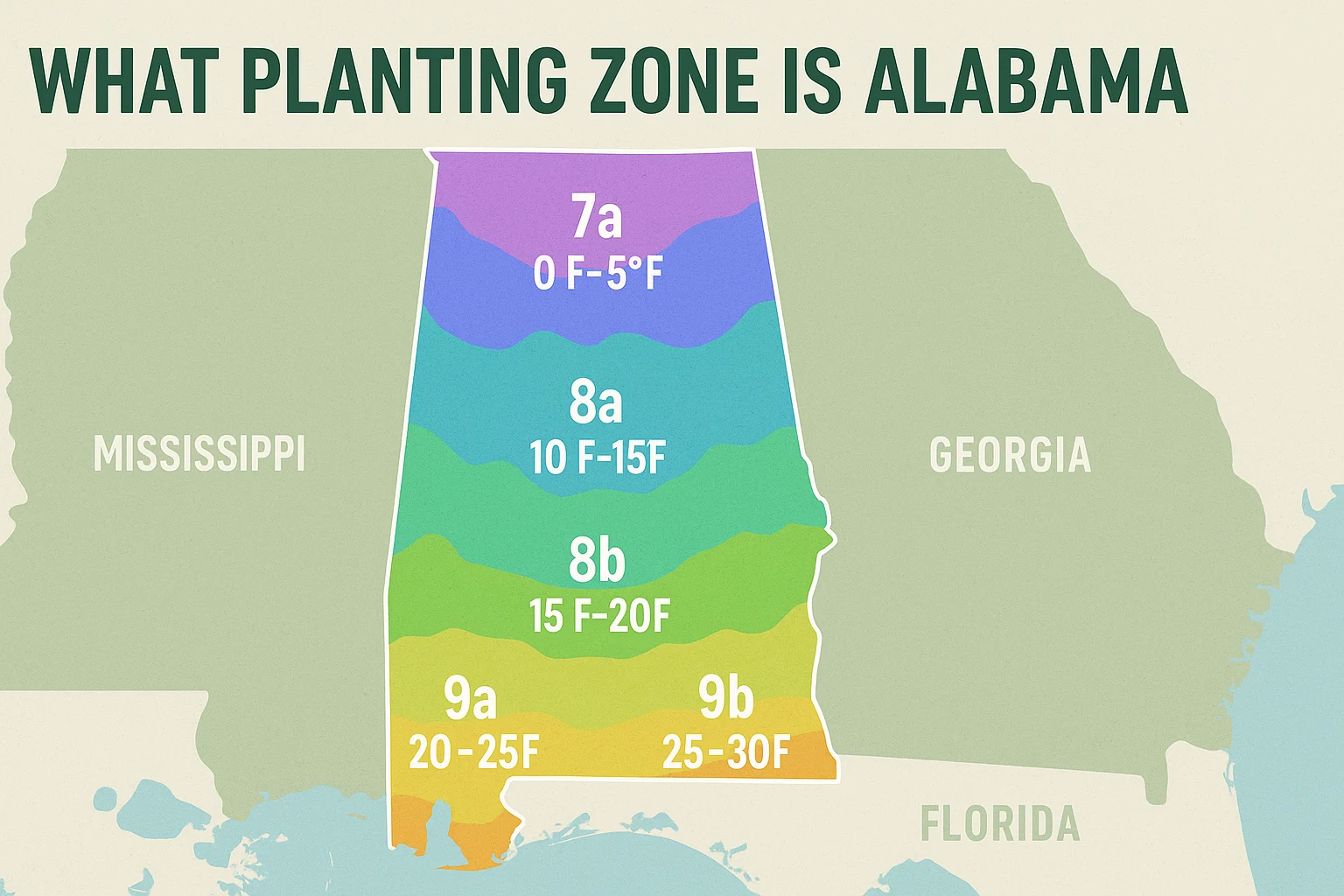
Each hardiness zone is further divided into two sub-zones, ‘a’ and ‘b’, representing a 5-degree Fahrenheit difference. For example, Zone 7a has an average annual minimum winter temperature of 0 to 5 degrees Fahrenheit, while Zone 7b ranges from 5 to 10 degrees Fahrenheit. This finer division allows for more nuanced plant selection, especially in transitional areas or for plants with specific cold tolerance limits.
The USDA map relies on historical weather data, typically averaged over a 30-year period, to establish these minimum temperatures. This approach ensures a reliable representation of the typical winter climate. However, it’s important to remember that these are averages. Individual years can experience temperatures that fall outside the predicted range, leading to occasional plant damage even in areas considered suitable.
Alabama’s Diverse Hardiness Zones
Alabama’s varied topography, stretching from the mountains in the northeast to the coastal plains in the south, results in a range of hardiness zones across the state. This climatic diversity allows for a wide spectrum of plant life and gardening opportunities.
Northern Alabama
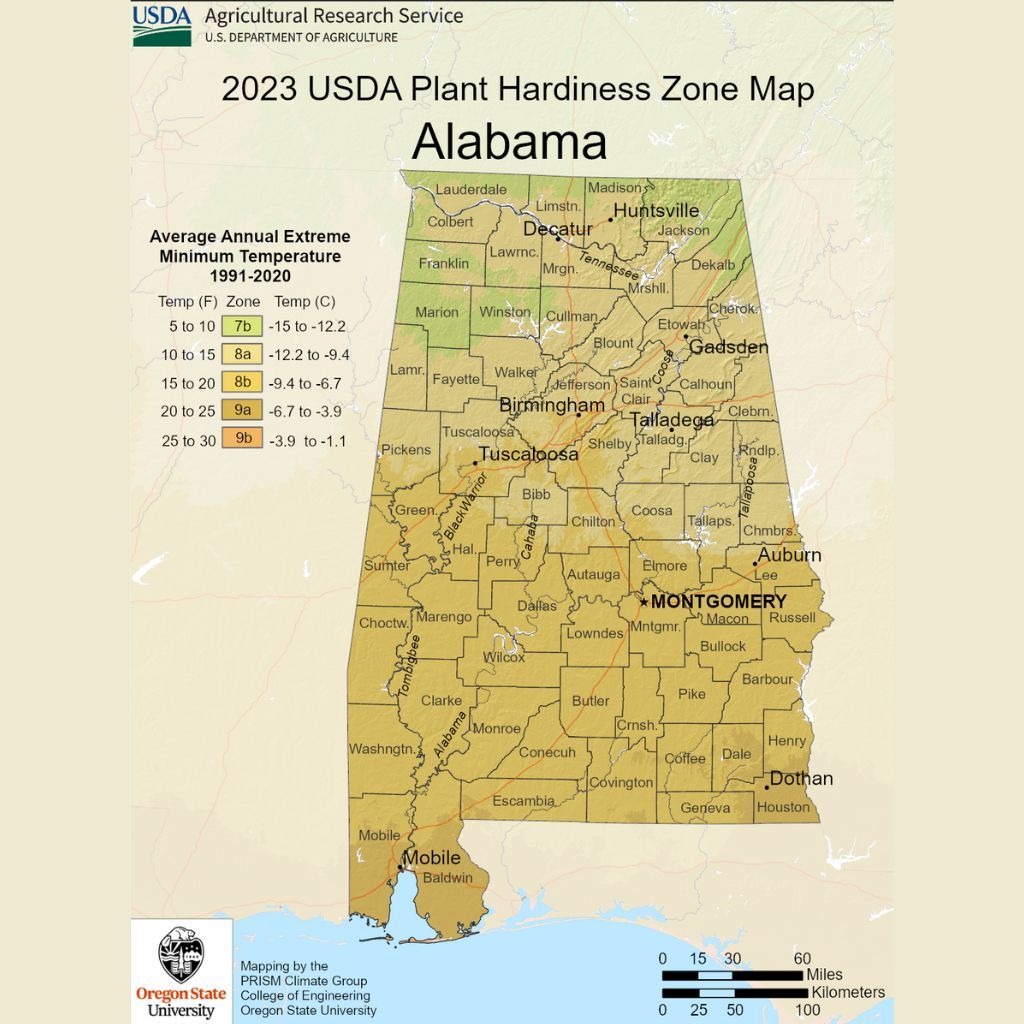
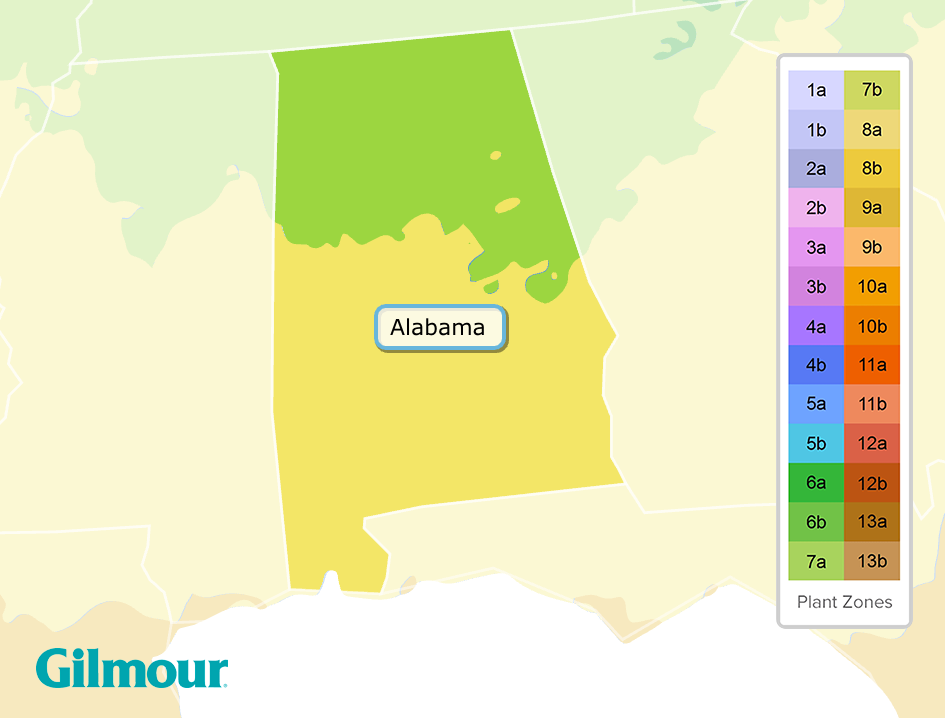
In the northern regions of Alabama, particularly in the mountainous areas of the Cumberland Plateau and near cities like Huntsville and Gadsden, you will find areas predominantly falling into Zone 7a. This zone is characterized by average annual minimum winter temperatures ranging from 0 to 5 degrees Fahrenheit. While these winters are colder than those in the southern parts of the state, they are still mild compared to many other parts of the country. This zone supports a broad range of deciduous trees, many varieties of roses, and a selection of perennial flowers that can withstand occasional frosts and freezing temperatures.
Gardening in Zone 7a means being prepared for the possibility of hard freezes, especially in higher elevations. It’s advisable to select plants known for their cold hardiness. Many popular garden plants, including hostas, peonies, and hydrangeas, thrive here. However, tender perennials or tropical plants might require winter protection or are best treated as annuals. The transition from fall to winter can be abrupt, with the first hard freeze often occurring in late November or early December.
Central Alabama
Moving south into the heart of Alabama, including areas around Birmingham and Montgomery, the hardiness zones shift. This region generally falls into Zone 7b and sometimes Zone 8a. Zone 7b has average annual minimum winter temperatures between 5 and 10 degrees Fahrenheit, while Zone 8a experiences lows between 10 and 15 degrees Fahrenheit. This slight increase in winter temperatures opens up a wider array of plant choices.
In Zone 7b and 8a, gardeners have more flexibility with semi-hardy perennials and can experience longer growing seasons. Many varieties of citrus trees, while still requiring some care, can be grown in these zones, especially in sheltered locations. This is also a prime area for growing a wide range of ornamental shrubs like azaleas, camellias, and magnolias, which are iconic to the Southern landscape. The milder winters mean that plants often experience less dormancy stress, and spring blooming can begin earlier.
Southern Alabama and the Gulf Coast
The southernmost reaches of Alabama, including the Wiregrass region and the entire Gulf Coast area surrounding cities like Mobile and Daphne, fall primarily into Zone 8b and sometimes even Zone 9a. Zone 8b has average annual minimum winter temperatures between 15 and 20 degrees Fahrenheit, while Zone 9a experiences lows between 20 and 25 degrees Fahrenheit. These warmer winter temperatures significantly expand the possibilities for plant selection.
In these zones, the threat of prolonged freezing is minimal. This allows for the successful cultivation of a wider variety of subtropical plants, including certain palm species, bougainvillea, and more sensitive citrus varieties like Meyer lemons. The growing season is considerably longer, often extending well into late fall and starting very early in spring. However, even in these warmer zones, occasional cold snaps can occur, and it’s still prudent to be aware of plant tolerances, especially for newly introduced species. Humidity is also a more significant factor along the coast, which can influence plant health and disease susceptibility.
Factors Beyond Hardiness Zones in Alabama
While the USDA Hardiness Zones provide an excellent foundation for plant selection in Alabama, several other environmental factors play a crucial role in garden success and the overall experience of nature in the state.
Microclimates and Local Conditions
Within each broad hardiness zone, microclimates can significantly influence plant survival and growth. These are small, localized variations in climate. For instance, a property with a south-facing slope might be a few degrees warmer than a north-facing slope, creating a microclimate suitable for plants that prefer slightly warmer conditions. Urban areas, with their “heat island effect,” can also be a few degrees warmer than surrounding rural landscapes, potentially allowing for the cultivation of plants rated for a slightly warmer zone. Conversely, low-lying areas prone to frost pockets might be colder than the general zone indicates. Observing your specific garden conditions, noting areas that are sheltered from wind or receive more sun, can help you tailor your plant choices for optimal performance.
Soil Types and Drainage
Alabama’s diverse geology results in a variety of soil types. In the north, you might encounter more clay-heavy soils, while the coastal regions often have sandy soils. Soil composition significantly impacts a plant’s ability to access nutrients and water, as well as its drainage. Poorly drained soils can lead to root rot, even in plants that are otherwise suited to the hardiness zone. Conversely, sandy soils drain quickly but may require more frequent watering and fertilization. Understanding your soil type and amending it accordingly, perhaps with compost to improve structure and fertility, is as critical as knowing your hardiness zone.
Rainfall and Humidity
Alabama is known for its generally abundant rainfall, which is beneficial for plant growth. However, the distribution of this rainfall can vary throughout the year, with periods of drought possible. Moreover, the high humidity, especially in the southern and coastal regions, can influence plant health. While some plants thrive in high humidity, others are more susceptible to fungal diseases under these conditions. Selecting disease-resistant varieties and ensuring good air circulation around plants can mitigate these issues.
The Impact on Tourism and Outdoor Activities
Understanding Alabama’s hardiness zones is not just for gardeners. It contributes to a broader appreciation of the state’s natural beauty and its suitability for various outdoor activities. For instance, the zones influence the types of forests and the blooming seasons of wildflowers, which are attractions for hikers and nature enthusiasts. The success of agricultural ventures, from pecan orchards to vineyards, is directly tied to these climatic considerations. Knowing the zones can also inform visitors about the best times to experience certain natural phenomena, such as the vibrant fall foliage in the northern mountains or the lush, year-round greenery along the coast. Whether you’re planning a visit to a state park like Cheaha State Park or exploring the Tuskegee National Forest, understanding the climate and its impact on the flora provides a richer, more informed experience.
Alabama’s Horticultural Bounty and Plant Selection
The varied hardiness zones across Alabama allow for an impressive diversity of flora, contributing to the state’s aesthetic appeal and agricultural output. From the hardy native trees of the mountains to the exotic blooms of the coast, there’s a plant for nearly every situation.
Native Plants and Their Suitability
Alabama boasts a rich array of native plants that are perfectly adapted to its specific climate and soil conditions. For Zone 7a and 7b, consider native species like the Eastern Redbud (Cercis canadensis), known for its beautiful spring flowers, or the Serviceberry (Amelanchier spp.), which offers multi-season interest. In the warmer zones 8b and 9a, native plants like the Southern Magnolia (Magnolia grandiflora) and various species of native azaleas and rhododendrons thrive, providing iconic Southern charm. Utilizing native plants is not only beneficial for the environment, as they require less maintenance and support local wildlife, but they also guarantee success in your chosen hardiness zone.
Edible Gardening Across Alabama
The differences in hardiness zones also significantly impact edible gardening. In northern Alabama (Zone 7a), cool-season crops like broccoli, kale, and spinach can be grown successfully in both spring and fall, with warm-season crops like tomatoes and peppers flourishing during the summer. Central Alabama (Zones 7b-8a) offers a slightly longer growing season, allowing for more flexibility with planting times and potentially success with slightly less cold-hardy vegetables. Southern Alabama (Zones 8b-9a) is a paradise for gardeners, with the longest growing seasons. Here, you can often grow a continuous harvest of many vegetables throughout the year, including citrus fruits, figs, and a wide variety of berries. Planning your planting calendar according to your specific zone and the needs of your chosen crops is key to a bountiful harvest.
Ornamental Gardening and Landscape Design
For ornamental gardens, the hardiness zones dictate the possibilities for trees, shrubs, and flowers. In cooler northern zones, deciduous trees that provide brilliant fall color, such as maples and oaks, are excellent choices. Perennial gardens can feature a wide array of bulbs, hardy perennials, and flowering shrubs. As you move south, the palette expands to include more tropical and subtropical plants. Camellias, gardenias, and various palm species become viable options, allowing for lush, green landscapes that can be enjoyed year-round. Even within a specific zone, considering the mature size of plants and their specific light and water needs is essential for successful landscape design. For those seeking inspiration, visiting botanical gardens like the Huntsville Botanical Garden or the Bellingrath Gardens and Home can offer excellent examples of what thrives in different regions of Alabama.
By understanding what hardiness zone Alabama falls into, from its cooler northern reaches to its balmy southern coast, individuals can unlock the full potential of their gardens and better appreciate the state’s diverse and beautiful natural landscapes.
LifeOutOfTheBox is a participant in the Amazon Services LLC Associates Program, an affiliate advertising program designed to provide a means for sites to earn advertising fees by advertising and linking to Amazon.com. Amazon, the Amazon logo, AmazonSupply, and the AmazonSupply logo are trademarks of Amazon.com, Inc. or its affiliates. As an Amazon Associate we earn affiliate commissions from qualifying purchases.