
Understanding the tax landscape in a state is crucial for both residents and visitors, especially when considering expenditures, investments, or even planning a trip. Alabama, known for its rich history, diverse geography, and welcoming Southern charm, presents a unique tax environment. For travelers, this can translate into how much their budget might stretch, influencing decisions on dining, shopping, and entertainment. For those considering longer stays or property investments, a deeper dive into tax rates is essential. This article aims to demystify the tax structure in Alabama, focusing on aspects relevant to tourism and lifestyle, such as sales tax and its impact on vacation spending.
State and Local Sales Tax in Alabama
Alabama employs a multi-tiered sales tax system, a common practice across many U.S. states. This means that the total sales tax you encounter at the point of purchase is a combination of the state sales tax rate and local (city and county) sales tax rates. This can lead to considerable variation in the final price of goods and services depending on your precise location within the state.
The State Sales Tax Rate
The state of Alabama currently imposes a state sales tax rate of 4%. This rate applies to most retail sales of tangible personal property. It’s important to note that certain goods and services may be exempt from this state tax, or taxed at a different rate. For instance, necessities like groceries are often exempt or taxed at a reduced rate, while luxury items might fall under the standard rate.
Local Sales Tax: A Patchwork of Rates
This is where the complexity truly emerges. In addition to the 4% state sales tax, cities and counties across Alabama levy their own sales taxes. These local rates can fluctuate significantly, leading to a wide range of combined sales tax percentages.
- County Sales Tax: Most counties in Alabama impose their own sales tax, which can range from less than 1% to over 2%.
- Municipal Sales Tax: Cities and towns within these counties can add their own municipal sales tax. These rates can also vary, typically ranging from 1% to 3%, and sometimes even higher.
The combination of these rates means that the effective sales tax rate in Alabama can range from a low of around 5% in some areas to a high of 10% or more in others. This is a critical piece of information for travelers looking to budget for shopping excursions, whether it’s picking up souvenirs in a charming town like Mentone or indulging in a shopping spree in a larger metropolitan area like Birmingham.
Example Scenario:
Imagine you are purchasing a handcrafted item for $100.
- In a town with 4% state tax + 2% county tax + 2% city tax = 8% total sales tax: Your total cost would be $108.
- In a different town with 4% state tax + 1% county tax + 1% city tax = 6% total sales tax: Your total cost would be $106.
This difference, while seemingly small on a single item, can add up significantly over the course of a vacation. Being aware of these variations can help travelers make more informed purchasing decisions, perhaps prioritizing shopping in areas with lower combined rates if possible.
Sales Tax on Specific Goods and Services
While the general sales tax rate provides a baseline, Alabama also has specific rules for certain categories of goods and services that can impact your spending.
Tourism-Related Expenditures
- Accommodation: Hotels, motels, and other lodging establishments in Alabama are subject to both state and local sales taxes, as well as potentially lodging taxes. The combined rate can vary, but often adds a significant percentage to the nightly room rate. For example, a stay at a popular resort like the Grand Hotel Golf Resort & Spa in Point Clear will reflect these taxes on the final bill.
- Dining: Restaurant meals are generally subject to sales tax. The rate will depend on the location of the restaurant, incorporating the state and local levies. This means a delightful meal at a seafood shack on the Gulf Coast might have a different tax component than a fine dining experience in Montgomery.
- Attractions and Entertainment: Tickets to theme parks, museums like the U.S. Space & Rocket Center in Huntsville, sporting events, and other entertainment venues are also typically subject to sales tax.
- Retail Purchases: Souvenirs, clothing, electronics, and any other tangible goods purchased during your visit will be taxed at the prevailing rate of the location where the transaction occurs.
Exemptions and Reduced Rates
Alabama recognizes the need to ease the tax burden on essential items and certain industries.

- Groceries: Most unprepared food items purchased for home consumption are exempt from state sales tax. However, local taxes may still apply in some jurisdictions. This is a significant factor for families or individuals opting for self-catering accommodations.
- Prescription Drugs: Prescription medications are generally exempt from sales tax.
- Manufacturing and Machinery: There are often exemptions or reduced tax rates for machinery and equipment used in manufacturing, aimed at encouraging industrial development within the state. While not directly impacting a tourist’s spending, this demonstrates a strategic use of tax policy.
Property Taxes in Alabama
While sales tax is the most visible tax for transient visitors, property taxes are a significant consideration for residents and those looking to invest in real estate, such as purchasing a vacation home or a long-term rental property.
State and Local Property Tax Structure
Unlike sales tax, Alabama does not have a statewide property tax. Property taxes are levied and administered at the county and local level. This means the rates and assessment practices can vary considerably from one county or municipality to another.
- Assessment: Property is assessed based on its fair market value. The assessment rate, which is the percentage of market value used for tax calculation, is set by law.
- Millage Rate: The tax itself is calculated by multiplying the assessed value of the property by the millage rate. A mill is one-tenth of a cent, or $0.001. Millage rates are set by local taxing authorities such as counties, cities, school districts, and other special tax districts.
Impact on Real Estate Investment and Homeownership
For someone considering buying a property in Alabama, understanding the property tax rates in the specific area is paramount.
- County and City Differences: For example, property taxes in a desirable coastal community like Gulf Shores might differ significantly from those in a more rural county in North Alabama.
- School Districts: A substantial portion of property taxes often goes towards funding local school districts. Areas with highly-rated school systems may consequently have higher property taxes.
- Homestead Exemption: Alabama offers homestead exemptions that can reduce the taxable value of a primary residence, thereby lowering property tax bills for homeowners.
Income Tax in Alabama
For individuals who earn income in Alabama, either as residents or through business dealings, the state income tax is a key consideration.
State Income Tax Rates
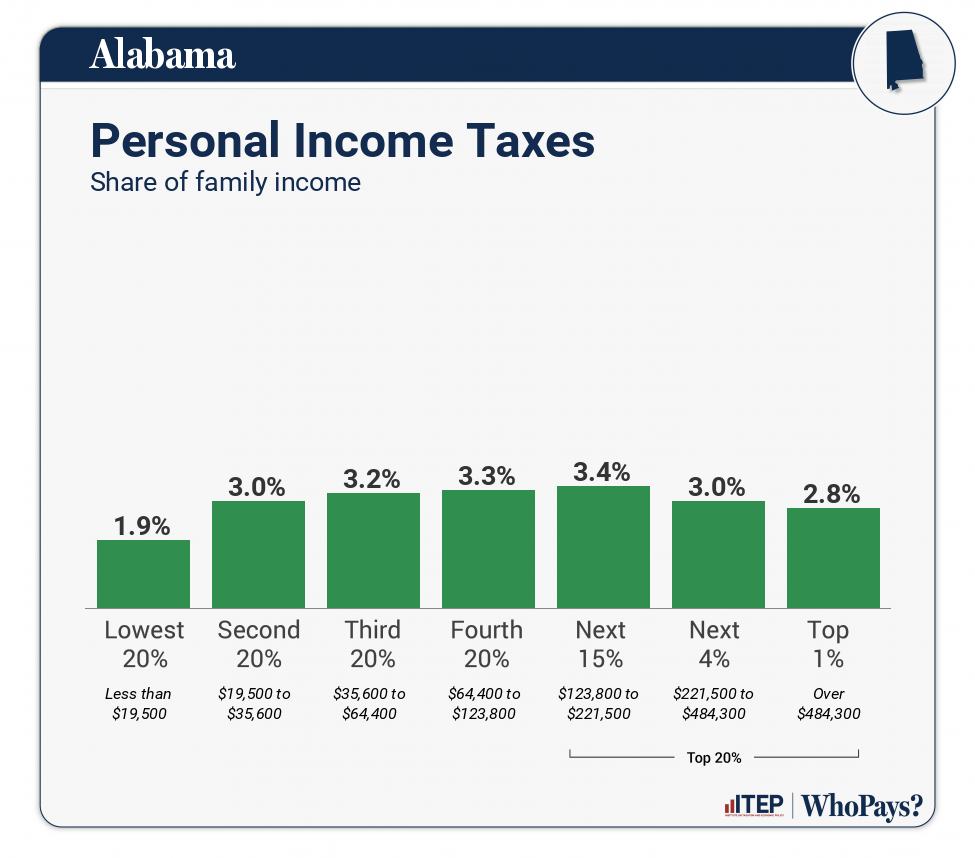
Alabama has a progressive income tax system, meaning that higher earners are taxed at higher rates. The tax rates are applied to taxable income after deductions and exemptions.
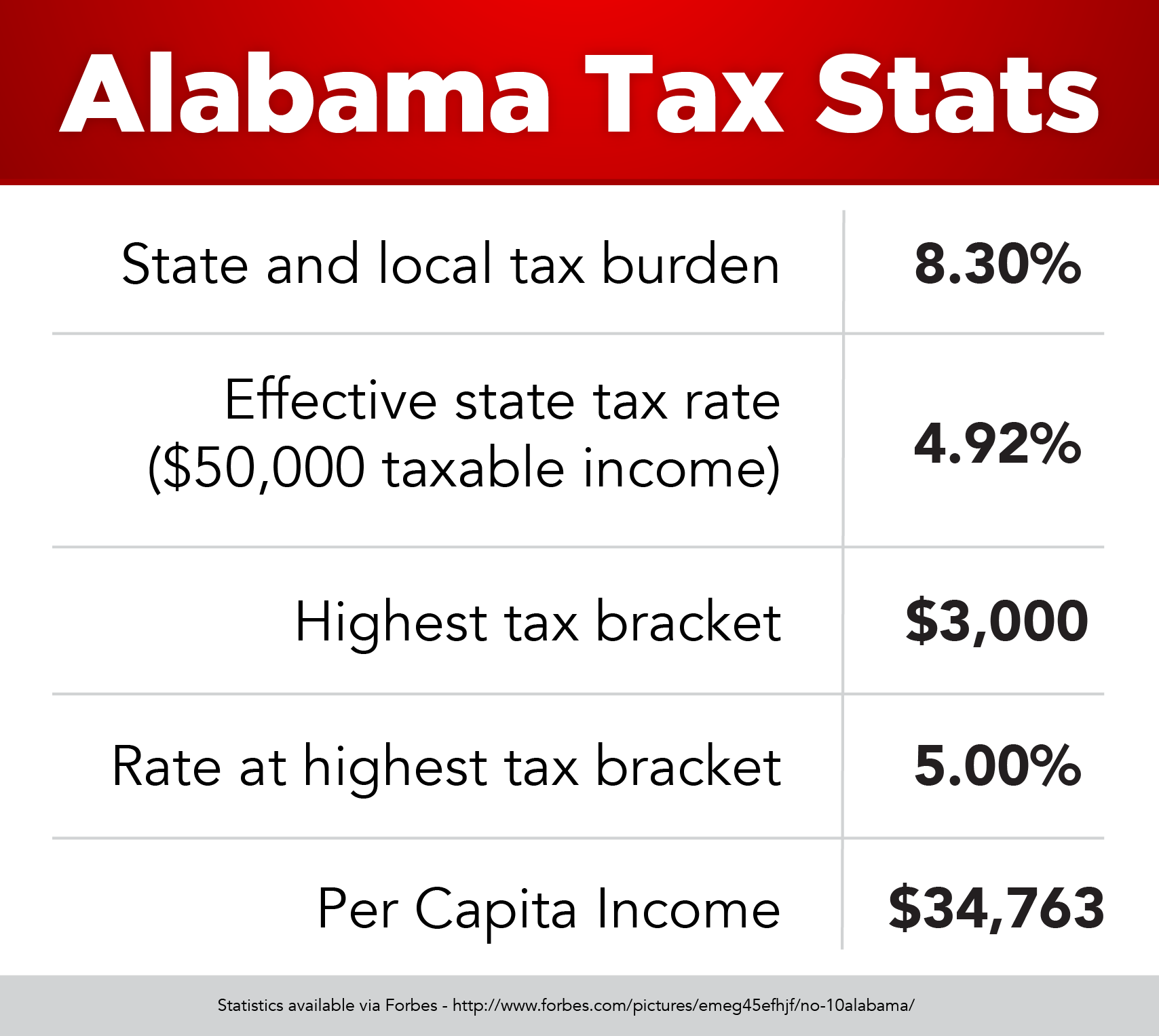
- Tax Brackets: The state income tax rates in Alabama currently range from 0% to 5%. This means that individuals with lower taxable incomes may pay no state income tax, while those with higher incomes will pay at the top marginal rate.
- Filing Status: Taxpayers can file as single, married filing jointly, or married filing separately, with different standard deductions and tax brackets potentially applying.
Deductions and Credits
Similar to federal income taxes, Alabama allows for various deductions and credits that can reduce an individual’s overall tax liability. These can include deductions for dependents, medical expenses, and certain business expenses. For businesses operating within the state, understanding corporate income tax and potential incentives is also a crucial aspect of financial planning.
Navigating Alabama’s Tax System for Travelers and Residents
For travelers, the primary tax consideration is sales tax. By being aware of the state and local rates, visitors can better manage their budgets. Researching the sales tax rates in your intended destinations, whether it’s a bustling city like Mobile or a tranquil lakeside town, can lead to smarter spending. Packing items that might be expensive to purchase locally, or planning shopping excursions to areas with lower tax rates, are practical strategies.
For those considering longer stays, investment properties, or establishing a business in Alabama, a comprehensive understanding of property and income taxes is essential. Consulting with a tax professional familiar with Alabama tax laws is highly recommended to ensure compliance and to take advantage of any applicable exemptions or incentives.
Alabama’s tax structure, with its varying sales taxes and localized property taxes, reflects a common approach to generating revenue while attempting to stimulate economic activity. For both the casual tourist exploring the historic sites of Tuscaloosa and the prospective homeowner in the scenic Appalachian Mountains, a clear grasp of these tax implications enhances the overall experience and financial planning.
LifeOutOfTheBox is a participant in the Amazon Services LLC Associates Program, an affiliate advertising program designed to provide a means for sites to earn advertising fees by advertising and linking to Amazon.com. Amazon, the Amazon logo, AmazonSupply, and the AmazonSupply logo are trademarks of Amazon.com, Inc. or its affiliates. As an Amazon Associate we earn affiliate commissions from qualifying purchases.