
The question of when interracial marriage became legal in a particular state often arises when exploring the historical context of a region, particularly as it relates to civil rights and societal evolution. For Alabama, the journey to legalizing unions between individuals of different races was a complex and protracted one, marked by legal battles, legislative changes, and the pervasive influence of racial segregation laws that defined much of the American South for decades. Understanding this history is crucial for appreciating the broader narrative of social progress and the dismantling of discriminatory practices.
The Era of Anti-Miscegenation Laws
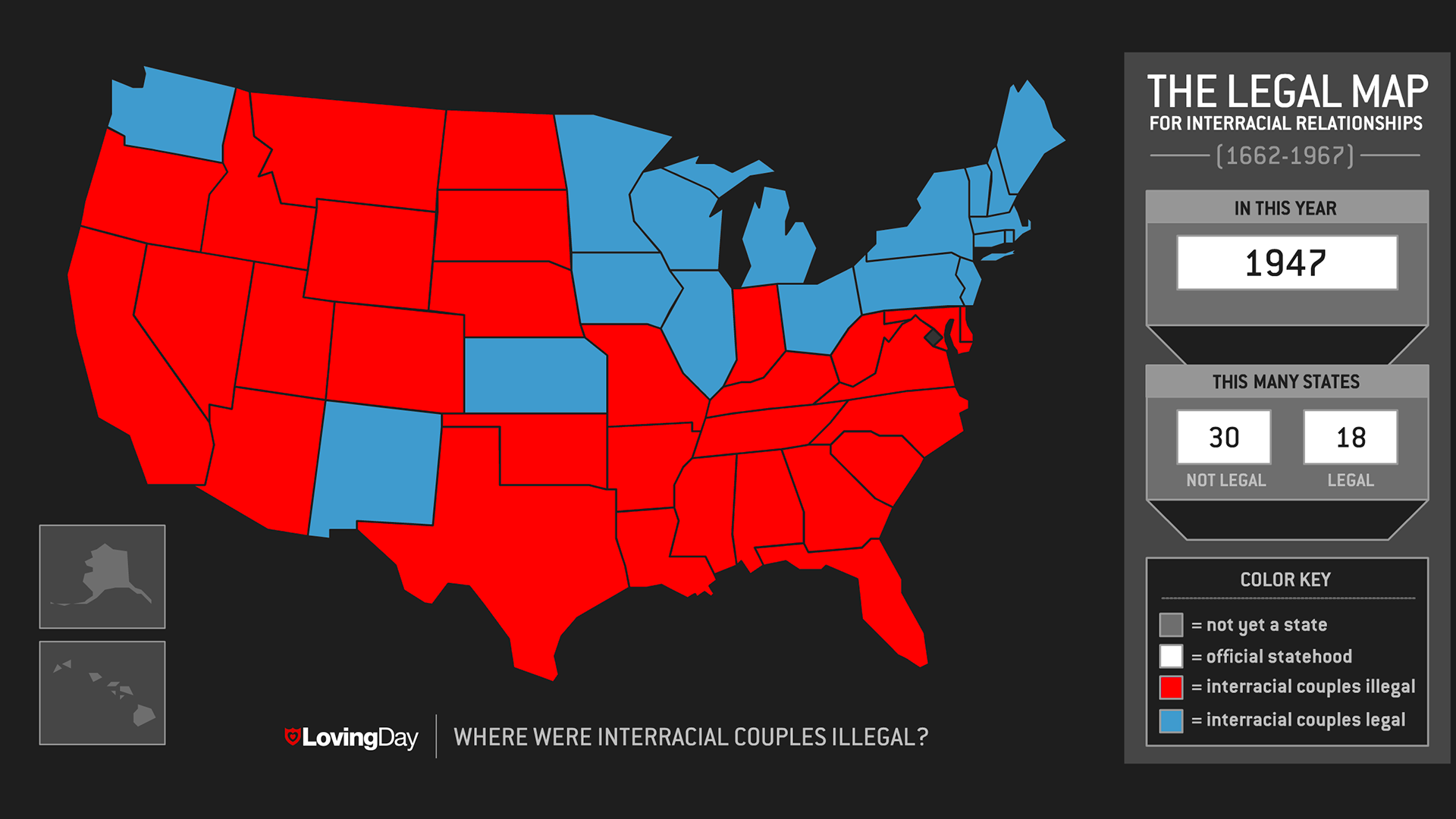
Prior to the landmark Supreme Court decision that would ultimately strike down state laws prohibiting interracial marriage, Alabama, like many other states, had its own statutes in place that criminalized such unions. These laws, often referred to as anti-miscegenation laws, were rooted in deeply ingrained racial prejudices and a desire to maintain a strict social hierarchy based on race.
Genesis of Discriminatory Legislation
The legal framework against interracial marriage in Alabama dates back to its territorial period and was further solidified after its admission to the Union. The primary legal instrument was the state’s penal code, which explicitly prohibited marriage between individuals of different races. These laws were not merely symbolic; they carried significant penalties, including imprisonment and fines, for both the officiant and the couple involved. The intent was to prevent the formation of families that challenged the prevailing racial order, thereby reinforcing segregation and discrimination.
Enforcement and Societal Impact
The enforcement of these anti-miscegenation laws varied over time but consistently served as a tool to police racial boundaries. Couples who defied these laws often faced severe consequences, including legal prosecution, social ostracism, and the potential loss of their children. The existence of these laws created a climate of fear and limited the social freedoms of individuals, particularly for those in interracial relationships. This legal landscape profoundly impacted the social fabric of Alabama, contributing to a society where racial lines were rigidly enforced in almost all aspects of life, from housing and education to public accommodations and, crucially, marriage.
The Landmark Supreme Court Ruling
The turning point in the legal fight against anti-miscegenation laws across the United States, including Alabama, came with a pivotal Supreme Court decision. This ruling fundamentally altered the legal landscape and made such discriminatory statutes unconstitutional.

Loving v. Virginia and Its Ramifications
In 1967, the United States Supreme Court delivered its unanimous decision in the case of Loving v. Virginia. While the case originated in Virginia, its implications were far-reaching, invalidating anti-miscegenation laws in all states that still had them in effect. The Court ruled that laws prohibiting marriage on the basis of race violated the Equal Protection and Due Process Clauses of the Fourteenth Amendment to the U.S. Constitution. This landmark decision declared that the freedom to marry is a fundamental right and cannot be infringed upon by state legislation based on racial classifications.
Alabama’s Legal Response to Loving v. Virginia
Following the Loving v. Virginia decision, Alabama was legally compelled to cease enforcing its anti-miscegenation statutes. While the Supreme Court’s ruling immediately rendered these laws unenforceable, the formal repeal or amendment of such laws at the state level often followed a legislative process. For Alabama, this meant that its previously existing laws prohibiting interracial marriage became null and void due to the Supreme Court’s declaration of their unconstitutionality. The state’s legal apparatus no longer had the authority to prosecute or penalize individuals for entering into interracial marriages. This marked a profound shift from a legal system that actively enforced racial segregation in marriage to one that upheld the principle of equality under the law, at least in this critical domain.
The Legacy and Continued Relevance
The legal prohibition of interracial marriage in Alabama and other states was a stark manifestation of systemic racism. While the Loving v. Virginia decision represented a monumental step forward in civil rights, its legacy continues to inform discussions about equality, justice, and the ongoing struggle against discrimination.
Societal Acceptance and Evolving Norms
The legal prohibition of interracial marriage was a reflection of deeply entrenched societal prejudices. The overturning of these laws did not, however, instantaneously eradicate these biases. Societal acceptance of interracial marriage has evolved significantly since the 1960s, with increasing numbers of couples forming across racial lines. This evolution reflects a broader societal shift towards greater inclusivity and a rejection of racial hierarchies. Nevertheless, the historical context of such prohibitions serves as a reminder of the challenges faced by those who defied societal norms and the importance of continued efforts to promote genuine equality and understanding.

Understanding Alabama’s Past for a More Equitable Future
Examining when Alabama allowed interracial marriage is more than just a historical inquiry; it is an essential component of understanding the state’s complex social and legal past. The era of anti-miscegenation laws represents a dark chapter in American history, one that underscored the pervasive nature of racial discrimination. By recalling this history, we gain a deeper appreciation for the progress that has been made and the ongoing need to address contemporary issues of racial inequality. For those visiting or learning about Alabama, this historical understanding provides crucial context for appreciating the state’s journey towards becoming a more inclusive and equitable society, offering a nuanced perspective that goes beyond superficial attractions to engage with the deeper narratives that have shaped its identity. This historical understanding enriches the experience of exploring any region, providing a lens through which to view its present-day culture and its aspirations for the future. It highlights how legal frameworks, often influenced by societal prejudices, can profoundly impact individual lives and shape the very fabric of a community.
LifeOutOfTheBox is a participant in the Amazon Services LLC Associates Program, an affiliate advertising program designed to provide a means for sites to earn advertising fees by advertising and linking to Amazon.com. Amazon, the Amazon logo, AmazonSupply, and the AmazonSupply logo are trademarks of Amazon.com, Inc. or its affiliates. As an Amazon Associate we earn affiliate commissions from qualifying purchases.