
Alabama, a state steeped in Southern tradition and culinary heritage, boasts a deep and abiding love affair with crawfish. From the vibrant, boisterous boils that spill onto picnic tables in the spring to the more intimate, sophisticated preparations found in upscale dining establishments, these freshwater crustaceans are more than just a delicacy; they are a cultural cornerstone. For both seasoned locals and curious travelers eager to experience the authentic flavors of the Deep South, understanding the nuances of crawfish season in Alabama is key to unlocking some of the state’s most cherished culinary experiences. The anticipation builds as winter wanes, and the first signs of warmer weather are often accompanied by the intoxicating aroma of simmering crawfish, garlic, and Cajun spices. This season isn’t just about eating; it’s about gathering, celebrating, and embracing a way of life.
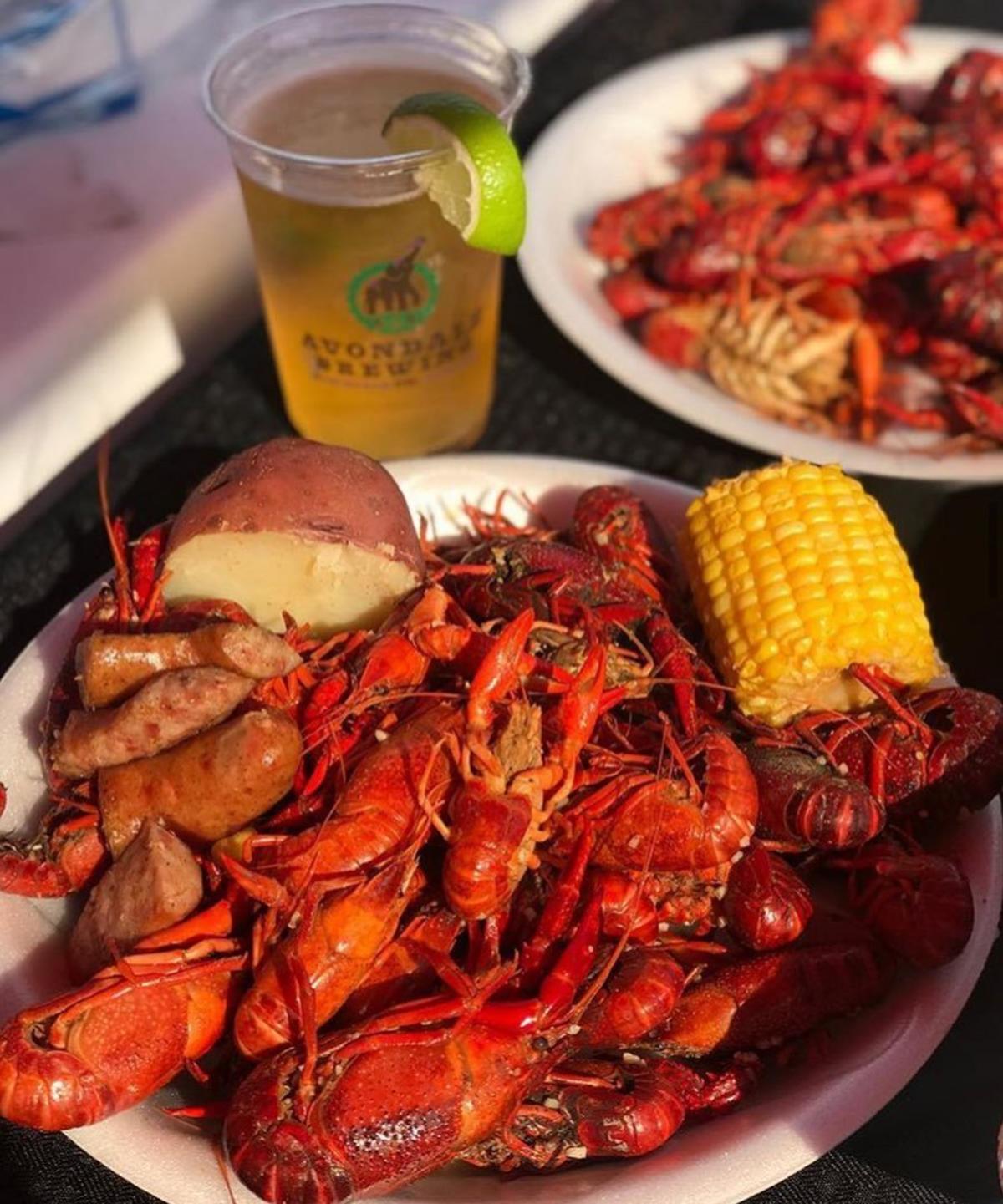
The Rhythms of the Crawfish Cycle
The life cycle of the Louisiana red swamp crawfish (Procambarus clarkii), the most commonly harvested species in Alabama, is intricately tied to environmental conditions, particularly water temperature and rainfall. While there isn’t a single, definitive “start” date that applies uniformly across the entire state, a general consensus emerges based on biological cues and market availability.
Peak Harvesting and Availability
The primary crawfish season in Alabama typically kicks off in late winter or early spring, often around February, and extends through May and sometimes into early June. This period is considered the prime time for crawfish harvesting, meaning the supply is most abundant, and the quality is generally at its best. During these months, the crawfish are actively growing and reproducing, leading to larger sizes and richer flavor profiles.
- February to April: This is generally considered the “peak” of the season. Water temperatures are rising sufficiently to stimulate crawfish activity after the colder months. The rain from winter often replenishes their pond habitats, providing ample space and food.
- May: While still a strong month for crawfish, the season may begin to wind down in some areas as water temperatures rise significantly. The crawfish might start to spawn more actively, and some of the larger, older individuals may become less plentiful.
- Early June: In some cooler years or in northern parts of the state, you might still find decent crawfish availability in early June, but it’s becoming less common and usually signifies the very tail end of the season.
Factors Influencing the Season
Several environmental factors play a crucial role in determining the exact timing and intensity of crawfish season in Alabama:
- Water Temperature: Crawfish are cold-blooded creatures, and their activity levels are directly correlated with water temperature. They become more active and easier to catch as the water warms from winter lows. Ideal temperatures for good harvesting are generally between 55°F and 75°F.
- Rainfall: Abundant rainfall, especially in the preceding winter months, is vital. It fills the ponds and wetlands where crawfish live, providing them with the necessary habitat and food sources (aquatic vegetation and detritus). Drought conditions can significantly shorten or delay the season.
- Sunlight: Increased sunlight in spring contributes to the growth of aquatic vegetation, which is a primary food source for crawfish.
- Breeding Cycles: Crawfish have specific breeding cycles. The eggs are typically laid in the fall, and the young crawfish hatch in the spring. The availability of larger, harvestable crawfish depends on the success of these hatching and growth cycles.
Experiencing Alabama’s Crawfish Culture
Knowing when crawfish season arrives is just the beginning. To truly appreciate Alabama’s crawfish culture, one must immerse oneself in the various ways these crustaceans are enjoyed across the state. From casual backyard boils to sophisticated restaurant dishes, the options are as diverse as the state itself.
The Quintessential Crawfish Boil
The crawfish boil is an iconic Southern experience, and Alabama is no exception. These events are more than just meals; they are communal gatherings, celebrations of flavor, and a testament to the joy of sharing food with friends and family.
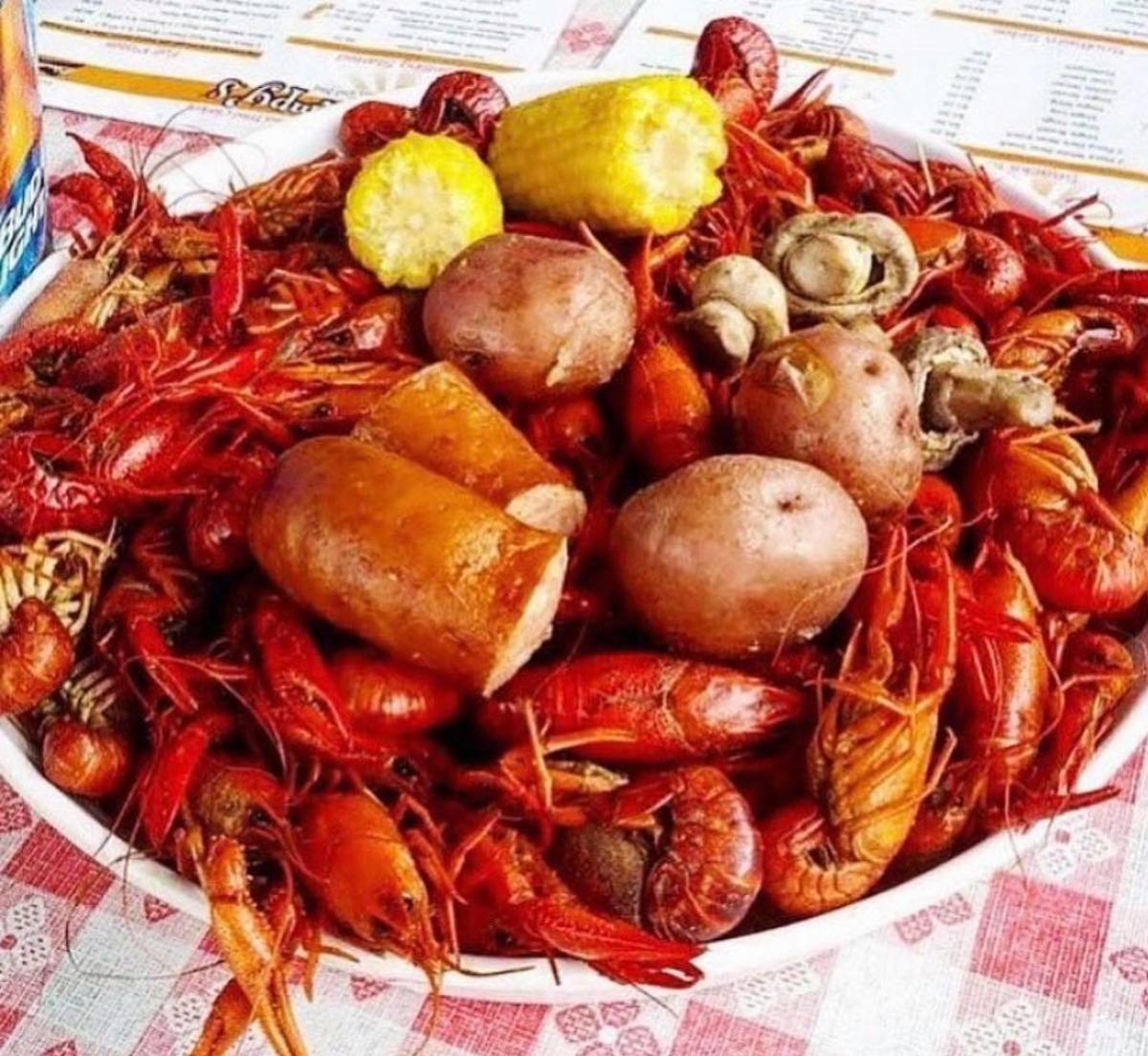
- The Setup: Typically held outdoors, a crawfish boil involves a massive pot filled with water, seasoned generously with a potent blend of spices. The key ingredients often include a commercial crawfish boil seasoning mix (like Zatarain’s or Louisiana Fish Fry), cayenne pepper, paprika, garlic, onions, lemons, and sometimes corn on the cob and new potatoes.
- The Process: Once the water reaches a rolling boil, sacks of live crawfish are added and cooked for a specific duration, usually around 8-12 minutes, depending on the size of the crawfish and the intensity of the boil. The goal is to cook them through while infusing them with the flavorful broth.
- The Enjoyment: Cooked crawfish are then drained and dumped directly onto newspaper-covered tables. Diners gather around, armed with paper towels and perhaps a bib, and peel the crawfish by hand, savoring the succulent meat from the tail and claws. It’s a hands-on, messy, and utterly delicious affair.
- Where to Find Boils: While many families host private boils, numerous restaurants and community events throughout Alabama, particularly in the southern and central regions, will feature crawfish boils during the season. Keep an eye out for local event listings and restaurant specials.
Beyond the Boil: Culinary Innovations
While the boil reigns supreme, Alabama’s chefs and home cooks have embraced crawfish in a multitude of other culinary applications, showcasing their versatility and unique flavor.
- Crawfish Étouffée: A classic Creole dish, étouffée features crawfish simmered in a rich, savory sauce made from a roux, onions, bell peppers, celery (the “holy trinity”), and often tomatoes or a blond roux depending on regional variations. It’s typically served over rice.
- Crawfish Bisque: A creamy, decadent soup, crawfish bisque is made with a rich broth, crawfish tails, and often sherry or brandy for an extra layer of flavor.
- Fried Crawfish: Crispy, golden-brown fried crawfish tails are a popular appetizer or addition to salads and po’boys.
- Crawfish Pasta: Many Alabama restaurants offer pasta dishes featuring crawfish in creamy sauces, garlic butter, or Creole-inspired preparations.
- Crawfish Pies and Casseroles: Savory pies and baked casseroles featuring crawfish are hearty and satisfying options, often found on Southern menus.
Planning Your Alabama Crawfish Adventure
For travelers looking to time their visit to coincide with the peak of crawfish season, strategic planning is essential. Understanding the best times to visit and where to find the freshest catches will enhance the culinary experience.
Timing Your Visit
- Early Spring (February to April): This is arguably the ideal time for crawfish enthusiasts. You’ll encounter the most abundant supply, often at more reasonable prices, and witness the height of the boiling season. Many festivals and events celebrating crawfish will also be scheduled during these months.
- Late Spring (May): While still a good time, you might notice a slight increase in price and a potential decrease in the size of the crawfish as the season progresses. However, the flavor remains excellent.
Top Destinations for Crawfish Aficionados
While crawfish can be found throughout Alabama, certain regions and cities have a particularly strong connection to this beloved crustacean.
- South Alabama: Cities like Mobile and Montgomery are often considered hubs for crawfish culture. Their proximity to Louisiana, a state synonymous with crawfish, influences their culinary traditions. You’ll find numerous seafood markets, restaurants, and festivals dedicated to crawfish here.
- River Towns: Communities along the Alabama River and its tributaries often have a strong tradition of crawfish harvesting and consumption.
- Local Seafood Markets: For the freshest, often locally caught crawfish, seeking out independent seafood markets is highly recommended. Many will sell live crawfish by the sack for home boils, and some also offer prepared dishes.
- Restaurants: Researching restaurants known for their Southern cuisine and seafood will likely lead you to establishments serving excellent crawfish dishes during the season. Look for menus that highlight “seasonal” offerings.
Tips for the Crawfish Tourist
- Ask Locals: The best recommendations often come from the people who live there. Don’t hesitate to ask locals for their favorite crawfish spots.
- Embrace the Experience: Whether it’s a casual boil or a refined dish, approach crawfish with an open mind and a hearty appetite.
- Be Aware of Market Fluctuations: Prices can vary based on supply, demand, and weather conditions.
- Consider Festivals: Keep an eye out for local crawfish festivals, which offer a fantastic opportunity to sample a variety of crawfish dishes and experience the vibrant community spirit surrounding this culinary tradition.
By understanding the seasonal rhythms and cultural significance of crawfish in Alabama, visitors can plan an unforgettable culinary journey, savoring one of the Deep South’s most iconic and delicious treasures. The experience is a true taste of Alabama’s vibrant spirit.
LifeOutOfTheBox is a participant in the Amazon Services LLC Associates Program, an affiliate advertising program designed to provide a means for sites to earn advertising fees by advertising and linking to Amazon.com. Amazon, the Amazon logo, AmazonSupply, and the AmazonSupply logo are trademarks of Amazon.com, Inc. or its affiliates. As an Amazon Associate we earn affiliate commissions from qualifying purchases.