
The question “How far is New York from Boston?” is more than just about mileage; it’s about the journey between two of America’s most historic, vibrant, and culturally significant cities. These two iconic metropolises, nestled in the heart of the Northeast United States, offer a compelling contrast of old-world charm and modern dynamism. Whether you’re a history buff eager to trace the roots of the American Revolution in Boston or a cosmopolitan explorer ready to immerse yourself in the non-stop energy of New York City, the journey between them is a classic East Coast experience. This comprehensive guide will explore the various travel options, practical distances, and everything you need to know to make your trip seamless, enjoyable, and packed with unforgettable moments. From the bustling avenues of Manhattan to the cobblestone streets of Boston’s Beacon Hill, preparing for your travel requires understanding the logistics, choosing the right mode of transport, and perhaps most importantly, knowing what awaits you at each incredible destination.

The Proximity and Practical Distances
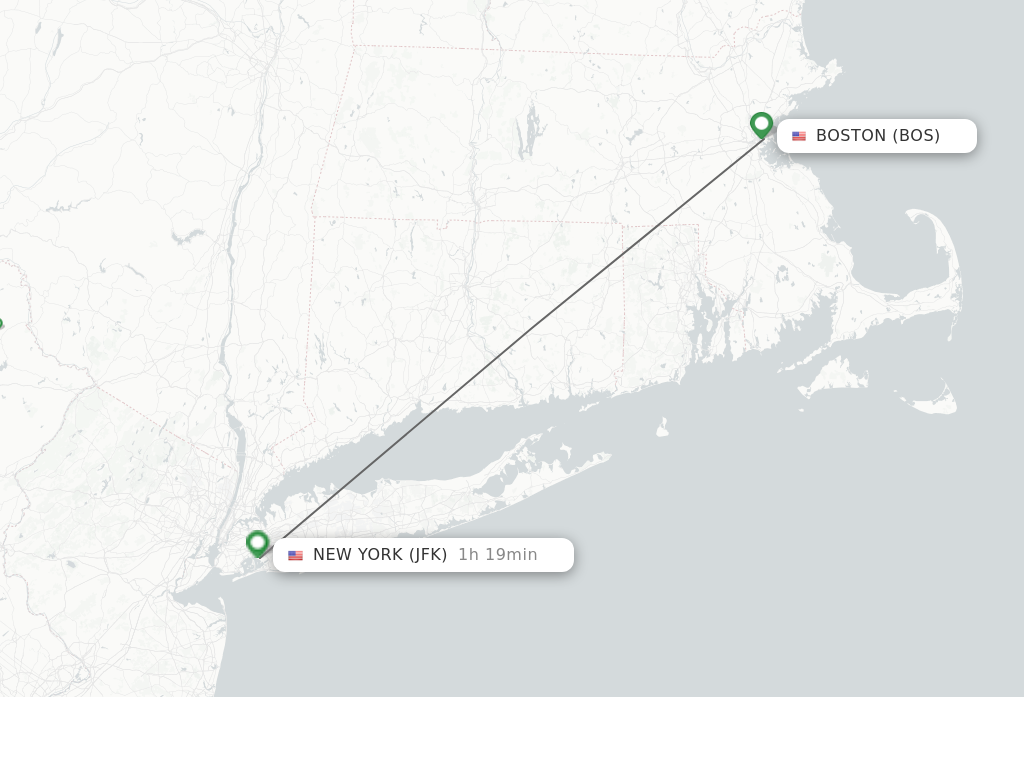
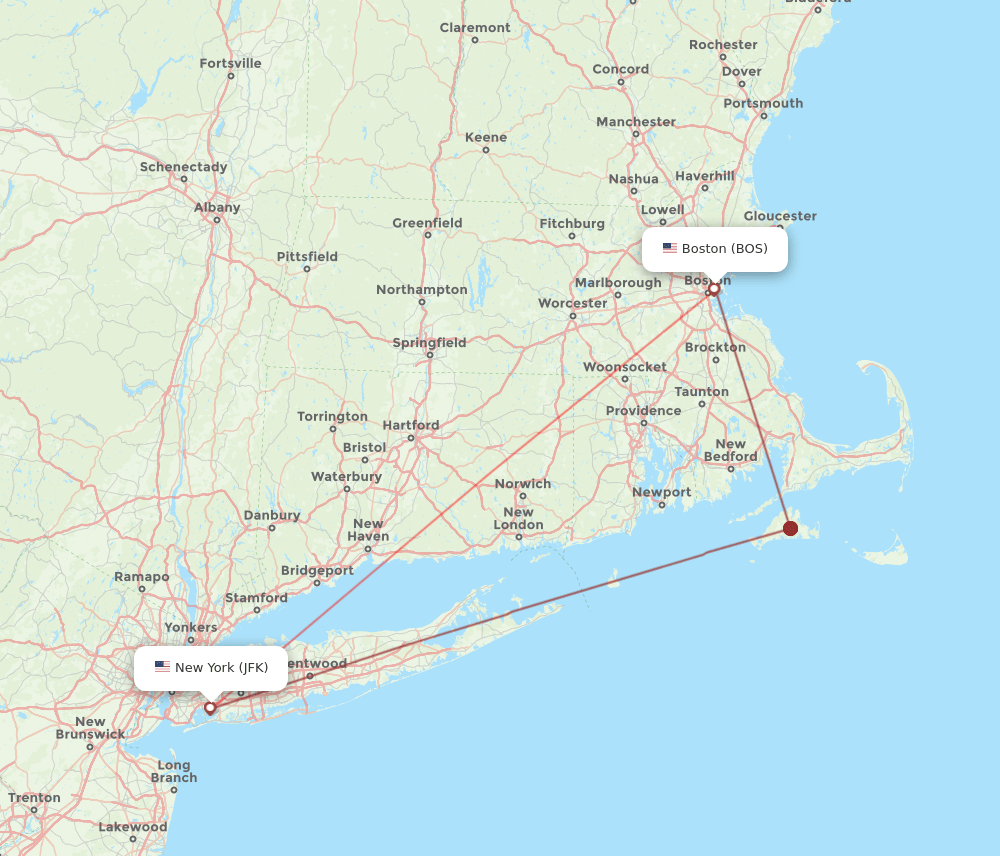
The geographical distance between New York and Boston is relatively short, making it an ideal route for weekend getaways, business trips, or extended explorations of both cities. Approximately 215 miles (346 kilometers) separate the two urban centers, traversing through parts of Connecticut and Rhode Island when traveling by road. This proximity allows for a variety of travel methods, each offering distinct advantages in terms of cost, comfort, and travel time. Understanding these practical distances and the time investment for each mode of transport is crucial for planning your itinerary effectively.
By Road: A Classic American Journey
Driving between New York and Boston is a quintessentially American road trip experience, offering flexibility and the chance to explore charming towns along the way. The primary route follows US Interstate 95, a major artery connecting much of the East Coast. Under ideal conditions, without significant traffic, the drive typically takes around 3.5 to 4 hours. However, this is a heavily trafficked corridor, especially during peak commuter hours, holidays, and weekends. It’s not uncommon for the journey to stretch to 5 or even 6 hours, particularly when navigating the urban sprawl of New Jersey and Connecticut.
For those with more time, the road trip offers opportunities for scenic detours. You could venture off I-95 to explore coastal towns in Connecticut, such as New Haven (home to Yale University), or the picturesque shoreline of Rhode Island and its famous Newport mansions. Car rentals are widely available in both cities, offering a convenient option for those who prefer the freedom of self-driving. However, visitors should factor in parking costs, which can be substantial in downtown New York and Boston, as well as potential tolls along the route.
By Rail: The Northeast Corridor Experience
For a comfortable and often less stressful journey, train travel via Amtrak is a popular choice. The Northeast Corridor service connects New York’s Penn Station (or Moynihan Train Hall) to Boston’s South Station. Amtrak offers two primary services on this route: the high-speed Acela Express and the more traditional Northeast Regional train.
The Acela Express is the fastest option, completing the journey in approximately 3.5 to 4 hours, comparable to driving without traffic. It offers a premium experience with larger seats, quiet cars, and onboard Wi-Fi, making it a favorite for business travelers. The Northeast Regional service is slightly slower, taking around 4 to 4.5 hours, but is generally more affordable. Both services provide a comfortable ride, allowing passengers to relax, work, or enjoy the scenic views without the worries of driving or airport security. The convenience of city-center station arrivals means immediate access to local public transport, reducing overall travel time and hassle.
By Bus: Budget-Friendly and Accessible
Bus travel is often the most economical way to get between New York and Boston. Several reputable bus companies operate this route, including Greyhound, Peter Pan Bus Lines, and various Chinatown bus services. Departures are frequent throughout the day from New York’s Port Authority Bus Terminal or various curbside stops, arriving at Boston’s South Station or Logan International Airport.
The travel time by bus typically ranges from 4 to 5 hours, depending on traffic conditions and the number of stops. While it can be slightly longer than train or car, the significantly lower cost makes it an attractive option for budget-conscious travelers or students. Modern buses often come equipped with amenities like Wi-Fi, power outlets, and comfortable seating, making the journey pleasant. It’s advisable to book tickets in advance, especially during peak travel seasons, to secure the best fares and preferred departure times.
By Air: Quickest, But Not Always Fastest Door-to-Door
Flying is the fastest way to cover the distance between New York and Boston in terms of actual flight time. The aerial distance is roughly 190 miles (306 kilometers), and a direct flight typically lasts only about 1 hour. Major airlines like JetBlue, Delta Airlines, United Airlines, and American Airlines offer multiple daily flights between Boston’s Logan International Airport (BOS) and New York’s three main airports: JFK International Airport (JFK), LaGuardia Airport (LGA), and Newark Liberty International Airport (EWR) in New Jersey.
However, the “door-to-door” travel time by air can often rival or even exceed that of train or car, especially when considering the time spent traveling to and from airports, going through security, and waiting for boarding and baggage claim. For example, traveling from Manhattan to JFK or LGA can take an hour or more, and the same applies to reaching downtown Boston from Logan. For short-haul routes like New York to Boston, flying is usually only advantageous if you prioritize minimal time in transit between the cities themselves, or if you find a particularly good deal on a flight that aligns well with your schedule.
Planning Your Journey: Essential Considerations
Embarking on a trip between New York and Boston offers a myriad of choices and experiences. Thoughtful planning can transform a simple commute into an enriching adventure. From selecting the ideal mode of transportation to securing the perfect lodging, every decision contributes to the overall quality of your travel experience.
Choosing Your Mode of Transport
The “best” way to travel between New York and Boston largely depends on individual priorities, budget, and desired comfort level.
- For Speed and Efficiency (Door-to-Door): The Acela Express train often provides the best balance of speed and convenience, especially for city-center to city-center travel. While flights are quicker in the air, the overall airport process often negates the time saved.
- For Comfort and Relaxation: Both Amtrak services offer a comfortable experience with space to move around, restrooms, and dining options. First-class train tickets on the Acela provide an even more luxurious experience.
- For Budget-Conscious Travelers: Buses are undeniably the most cost-effective option. Booking in advance and being flexible with travel times can yield significant savings.
- For Flexibility and Scenic Detours: Driving is ideal for those who want the freedom to stop wherever they please, explore smaller towns, or carry a lot of luggage without extra fees. However, be prepared for potential traffic and parking challenges in both urban destinations.
- For Business Travelers: The Acela Express is often preferred due to its reliability, onboard amenities conducive to work, and direct access to major business districts.
Consider the time of day you plan to travel. Weekday mornings and late afternoons see heavy commuter traffic on roads and trains. Mid-day or off-peak evening travel can often be quicker and less crowded.
Best Times to Travel
The Northeast experiences all four distinct seasons, each offering a different ambiance for your trip.
- Spring (April-May): Mild temperatures, blooming flowers, and fewer crowds than summer make spring an excellent time to visit. It’s pleasant for walking tours in both cities.
- Summer (June-August): Warm weather, vibrant street life, and numerous outdoor events. However, this is peak tourist season, so expect larger crowds and higher prices for accommodation and flights/trains. Humidity can also be a factor.
- Fall (September-October): Arguably the most picturesque season, with stunning foliage, especially as you travel through Connecticut and Massachusetts. Temperatures are comfortable, and the cities are bustling with university students returning. This is also a popular time, so book ahead.
- Winter (November-March): Colder temperatures and the possibility of snow, particularly in Boston. While some might shy away, winter offers a unique charm, especially around the holidays with festive decorations and ice skating rinks. Prices for travel and lodging tend to be lower outside of holiday weekends.
Regardless of the season, checking weather forecasts and planning activities accordingly is always a good idea.
Accommodation in NYC and Boston
Both New York and Boston boast a wide array of accommodation options to suit every taste and budget, from luxurious resorts to cozy apartments and budget-friendly hostels.
In New York, you’ll find an unparalleled selection of hotels across its boroughs. Manhattan offers high-end luxury at establishments like The Peninsula New York, Four Seasons, and The Ritz-Carlton, especially around Central Park or Midtown. For a more boutique or trendy experience, consider neighborhoods like SoHo, Greenwich Village, or the Meatpacking District. Major chains like Marriott, Hilton, and Hyatt also have numerous properties throughout the city, including spacious suites and serviced apartments suitable for longer stays.
Boston, while smaller, also offers diverse choices. Historic hotels abound in areas like Beacon Hill and Back Bay, often combining classic elegance with modern amenities. Luxury options like the Mandarin Oriental Boston or Four Seasons Hotel Boston cater to discerning travelers. For those looking for more space or a home-away-from-home feel, serviced apartments or extended-stay hotels are available in areas like the Seaport District.
Booking in advance is always recommended, especially during peak seasons, major events, or holidays. Utilize online booking platforms to compare prices, read reviews, and find deals. Many websites offer detailed comparisons of amenities, from swimming pools and fitness centers to on-site dining and business services, helping you select the perfect accommodation for your trip, whether it’s a romantic getaway, a family vacation, or a crucial business stay.
Iconic Cities, Unforgettable Experiences
The allure of traveling between New York and Boston lies not just in the journey itself, but in the incredible experiences each destination offers. Both cities are rich with history, culture, culinary delights, and world-class attractions, providing a stark yet complementary contrast for travelers.
Exploring the Big Apple: New York City Highlights
New York City, often called “The Big Apple,” is a global icon of ambition, diversity, and endless possibilities. A trip here is a sensory overload in the best possible way. Begin your exploration in Manhattan with a visit to the electrifying Times Square, where giant billboards and street performers create an unforgettable spectacle. No visit is complete without experiencing a Broadway show, from timeless classics to cutting-edge new productions.
For a serene escape from the urban hustle, wander through the expansive beauty of Central Park, an urban oasis offering everything from leisurely strolls to ice skating in winter. Take in panoramic views from the Empire State Building or Top of the Rock observation decks. History and symbolism converge at the Statue of Liberty and Ellis Island, accessible by ferry from Battery Park. The somber yet powerful National September 11 Memorial & Museum offers a poignant reflection in the Financial District.
New York’s cultural scene is unrivaled, with world-renowned institutions like the Metropolitan Museum of Art and the Museum of Modern Art (MoMA) showcasing millennia of human creativity. Foodies will revel in the city’s diverse culinary landscape, from Michelin-starred restaurants in the Upper East Side to authentic ethnic eateries in the Lower East Side or the vibrant neighborhoods of Queens and Brooklyn. A walk across the iconic Brooklyn Bridge offers spectacular skyline views and a taste of outer-borough charm. For a different vibe, explore areas like Greenwich Village with its bohemian history or the chic boutiques of SoHo.
Discovering Beantown: Boston’s Charm and History
Boston, affectionately known as “Beantown,” offers a rich tapestry of American history woven into a modern, vibrant city. It’s a place where revolutionary stories echo from every corner, yet it thrives as a hub of innovation and academia. The most iconic way to immerse yourself in Boston’s past is to walk the Freedom Trail, a 2.5-mile red-lined path that connects 16 historically significant sites, including the Massachusetts State House, Old North Church, and the USS Constitution.
Explore the bustling atmosphere of Faneuil Hall and Quincy Market, where street performers entertain and vendors offer a bounty of local and international foods. Adjacent to this lively area, the serene Boston Common and Boston Public Garden provide perfect spots for relaxation, swan boat rides, and picnicking. For sports enthusiasts, catching a Boston Red Sox game at historic Fenway Park is an unforgettable experience.
Boston is also home to world-class educational institutions like Harvard University and MIT in nearby Cambridge, offering fascinating campus tours and intellectually stimulating environments. Art and science lovers can spend hours at the Museum of Fine Arts, the Isabella Stewart Gardner Museum, or the Museum of Science. Stroll through the elegant streets of Beacon Hill with its gas lamps and brick row houses, or savor authentic Italian cuisine in the charming North End. The renovated Seaport District offers modern dining, waterfront views, and a vibrant nightlife. Boston’s compact size makes it highly walkable, allowing visitors to easily navigate its historic lanes and enjoy its unique blend of colonial heritage and contemporary flair.
Beyond the Basics: Enhancing Your Trip
Making the most of your travel between New York and Boston involves tailoring the experience to your specific needs and desires, whether that’s indulging in luxury, sticking to a tight budget, planning a family adventure, or optimizing for a business trip.
Lifestyle and Luxury vs. Budget Travel
The contrast between New York and Boston extends to their lifestyle offerings, which can cater to both luxury and budget travelers.
Luxury Travel: For those seeking an opulent experience, both cities deliver. In New York, think lavish suites at The St. Regis New York, private shopping excursions on Fifth Avenue, helicopter tours of Manhattan, and exclusive dining experiences. Boston offers its own brand of luxury, with elegant stays at The Langham Boston, spa treatments at high-end resorts, and private guided tours focusing on historical insights or artistic masterpieces. Consider booking personalized concierge services to curate unique experiences, from yacht cruises in Boston Harbor to behind-the-scenes access at Broadway theaters.
Budget Travel: Traveling between these two cities doesn’t have to break the bank. Opt for bus travel over train or flight, and look for hostels or budget-friendly hotels and apartment rentals, especially in neighborhoods slightly outside the immediate city center (e.g., Queens or Brooklyn in NYC, or areas just across the river in Cambridge for Boston). Many attractions in both cities are free, such as walking the Brooklyn Bridge, exploring Central Park or Boston Common, and strolling through neighborhoods like Greenwich Village or the North End. Take advantage of free museum days or discounted theater tickets (TKTS booth in Times Square is famous for this). Eating locally at food trucks, casual eateries, or preparing your own meals in a rented apartment can also significantly cut costs.
Business Travel and Extended Stays
For business travelers, efficiency and reliable connectivity are paramount. Both New York and Boston are major business hubs, offering sophisticated infrastructure for corporate visitors. The Acela Express is often the preferred mode of transport due to its Wi-Fi, power outlets, and comfortable environment conducive to working en route. Business-focused hotels, often part of major chains like Hilton, Marriott, and Hyatt, provide amenities like conference rooms, high-speed internet, and executive lounges. New York’s Midtown and Financial District are prime for business, while Boston’s Financial District, Seaport District, and areas around Cambridge (due to its proximity to MIT and Harvard) are key for corporate activity.
For longer stays, whether for work or extended leisure, apartment rentals or serviced apartments become attractive alternatives to traditional hotels. These provide more space, a kitchen for self-catering, and often a more localized living experience. Websites specializing in long-term accommodation can help travelers find suitable villas, apartments, or suites. Look for properties with amenities like in-unit laundry, fitness centers, and easy access to public transportation. This type of accommodation is particularly beneficial for families, digital nomads, or individuals on temporary assignments, offering both comfort and cost-efficiency over an extended period.
In conclusion, the journey from New York to Boston is more than just a matter of distance; it’s an opportunity to traverse a vibrant corridor rich in history, culture, and diverse experiences. With numerous travel options available, from high-speed trains to scenic drives, and a wealth of attractions and accommodations in both cities, planning your trip offers endless possibilities. Whether you seek the fast-paced energy of the Big Apple or the colonial charm of Beantown, this classic East Coast adventure promises memories to last a lifetime.
LifeOutOfTheBox is a participant in the Amazon Services LLC Associates Program, an affiliate advertising program designed to provide a means for sites to earn advertising fees by advertising and linking to Amazon.com. Amazon, the Amazon logo, AmazonSupply, and the AmazonSupply logo are trademarks of Amazon.com, Inc. or its affiliates. As an Amazon Associate we earn affiliate commissions from qualifying purchases.