
Understanding Perceptions of Safety in Anniston
The question of safety in any city is complex, often shaped by a confluence of statistical data, media representation, and lived experiences. When a city like Anniston, Alabama garners attention for concerns about its safety, it prompts a deeper investigation into the factors that contribute to such perceptions. It’s crucial to differentiate between statistically reported crime rates and the overall feeling of security within a community, as both play a role in how a place is perceived and experienced by its residents and visitors.
Crime Statistics and Trends
To address the perception of danger, it’s essential to examine the crime statistics for Anniston. Like many cities across the United States, Anniston experiences fluctuations in crime rates. These statistics typically encompass various categories, including violent crimes such as homicide, aggravated assault, robbery, and non-violent offenses like burglary, larceny, and vehicle theft.

The interpretation of these statistics is vital. A high crime rate does not necessarily translate to constant peril for every individual. Instead, it often indicates specific areas within the city that may experience higher incidences of criminal activity, and particular types of crimes that are more prevalent. Understanding these trends allows for a more nuanced discussion, moving beyond broad generalizations to pinpoint areas and issues that require focused attention from law enforcement and community stakeholders.
Several factors can influence a city’s crime statistics. Socioeconomic conditions, such as poverty levels, unemployment rates, and access to education and opportunities, are frequently correlated with crime rates. Urban planning, the presence of community programs, and the effectiveness of policing strategies also play significant roles. For Anniston, as with any city grappling with these challenges, a comprehensive approach that addresses root causes is often more effective than reactive measures alone.
Media Portrayal and Public Perception
The narrative surrounding a city’s safety is often amplified or distorted by media coverage. Sensationalized headlines and a focus on negative events can create a disproportionate perception of danger. When Anniston is highlighted in the news regarding safety issues, the public discourse can quickly coalesce around these often-limited portrayals, overshadowing the everyday realities and the vast majority of positive experiences within the community.
This media spotlight can have tangible effects, influencing how potential visitors view the city, how businesses decide to invest, and even how residents feel about their own neighborhoods. It’s a cycle where perception can become reality, leading to increased vigilance and, in some cases, avoidance, regardless of the actual, day-to-day safety experienced by most.
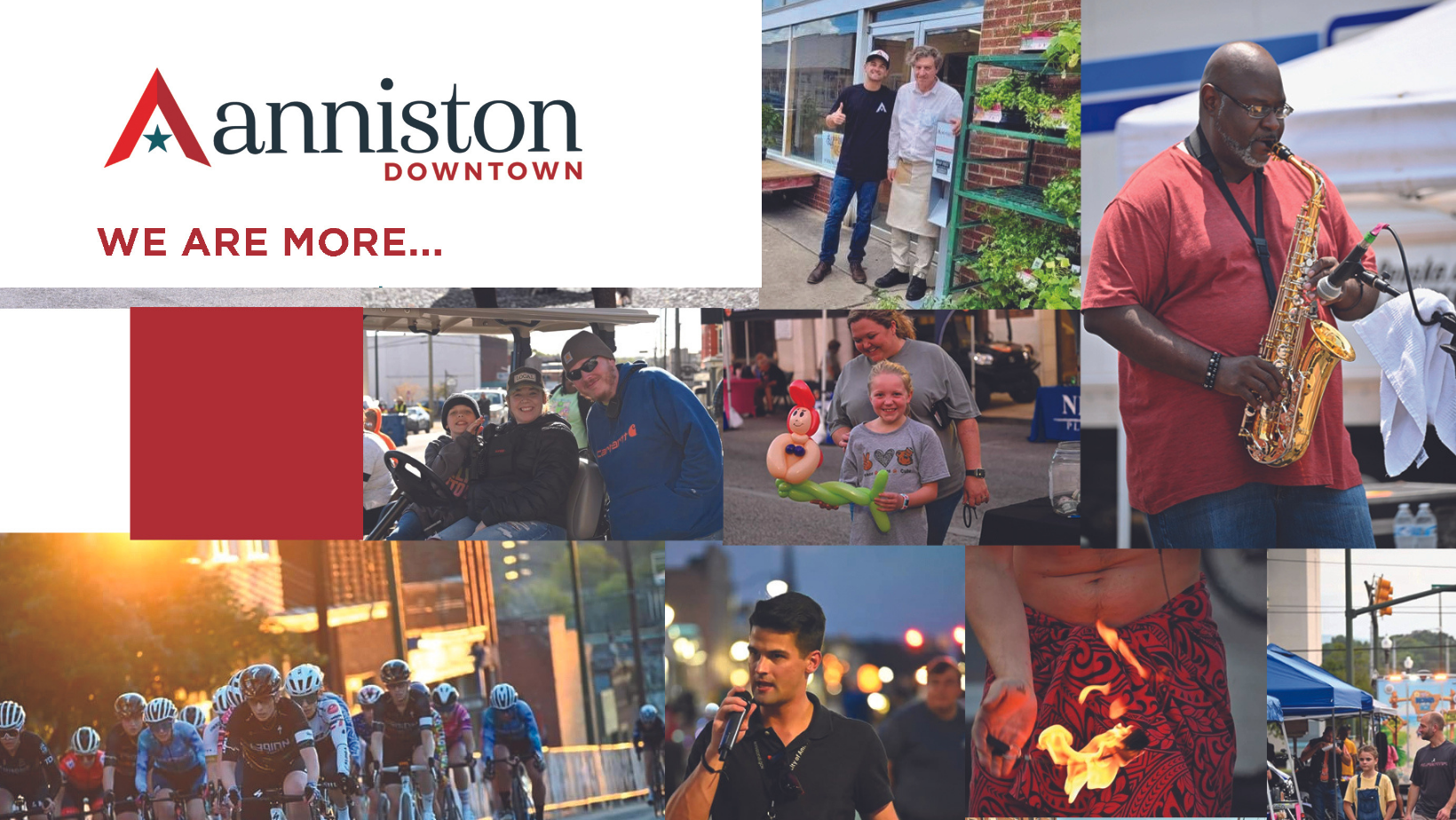
To counter such perceptions, cities often engage in public relations efforts, highlighting positive aspects, community initiatives, and success stories. For Anniston, this might involve showcasing its historical significance, its natural beauty in areas like the nearby Cheaha State Park, or the resilience and vibrancy of its communities.
Community Efforts and Resilience
Despite the challenges that may contribute to its reputation, Anniston is also a city characterized by the strength and dedication of its residents and community organizations. The presence of active community groups, neighborhood watches, and local initiatives aimed at improving public spaces and fostering social cohesion are crucial elements in addressing safety concerns.
These grassroots efforts often work in tandem with law enforcement and local government to create safer environments. They can involve everything from neighborhood clean-up drives and youth mentoring programs to advocating for policy changes and providing support services to at-risk populations. The resilience of a community is often best measured by its ability to organize, support its members, and work collaboratively towards common goals, including enhanced safety.
For instance, programs that focus on positive youth development can divert young people from potential involvement in crime by offering constructive alternatives and fostering a sense of belonging. Similarly, initiatives that promote economic development and job creation can address some of the underlying socioeconomic factors linked to crime. The story of Anniston is not solely one of challenges but also of the ongoing efforts by its people to build a better and safer future.

Navigating Anniston: Practical Considerations
For individuals planning to visit or relocate to Anniston, or for those already living there, understanding practical safety considerations is key. Like any urban environment, awareness of one’s surroundings, especially when in unfamiliar areas or at night, is a universal recommendation.
- Research Specific Neighborhoods: Crime statistics can vary significantly even within a single city. Researching specific neighborhoods can provide a more accurate picture of safety levels. Local police department websites or community forums may offer more granular data.
- Stay Informed: Keep abreast of local news and any community alerts. Understanding what is happening in the city can help in making informed decisions about where to go and when.
- Engage with the Community: Connecting with local residents or community leaders can offer invaluable insights into the lived experience of safety in Anniston. They can often point to safe areas, community events, and local initiatives that contribute to a positive atmosphere.
- Utilize Local Resources: Familiarize yourself with local emergency services and resources. Knowing how to contact police or other relevant authorities in case of an emergency is fundamental.
Ultimately, the question of why Anniston, Alabama is perceived as dangerous requires a multifaceted answer. It involves an honest appraisal of crime statistics, an understanding of how media narratives shape public opinion, and an appreciation for the ongoing efforts of its community to foster safety and resilience. By looking beyond sensationalism and engaging with the complexities of urban life, a more balanced and accurate picture of Anniston emerges.
LifeOutOfTheBox is a participant in the Amazon Services LLC Associates Program, an affiliate advertising program designed to provide a means for sites to earn advertising fees by advertising and linking to Amazon.com. Amazon, the Amazon logo, AmazonSupply, and the AmazonSupply logo are trademarks of Amazon.com, Inc. or its affiliates. As an Amazon Associate we earn affiliate commissions from qualifying purchases.