
As the Atlantic hurricane season intensifies, residents and travelers along the Gulf Coast find themselves anxiously monitoring weather patterns. The question on many minds, particularly those in Alabama, is whether Hurricane Helene will make landfall in their state. While predicting the exact path and intensity of a hurricane remains a complex science, understanding the factors that influence these storms and the potential impacts on travel and tourism is crucial for preparedness.
Understanding Hurricane Formation and Trajectories
Hurricanes are powerful tropical cyclones characterized by a closed low-level circulation, strong winds, and torrential rainfall. They form over warm ocean waters, typically between 5 and 20 degrees latitude, where sea surface temperatures reach at least 26.5 degrees Celsius (80 degrees Fahrenheit). The Atlantic Ocean basin, which includes the waters off the coast of Florida and the Gulf of Mexico, is a fertile breeding ground for these storms during the official hurricane season, which runs from June 1 to November 30.
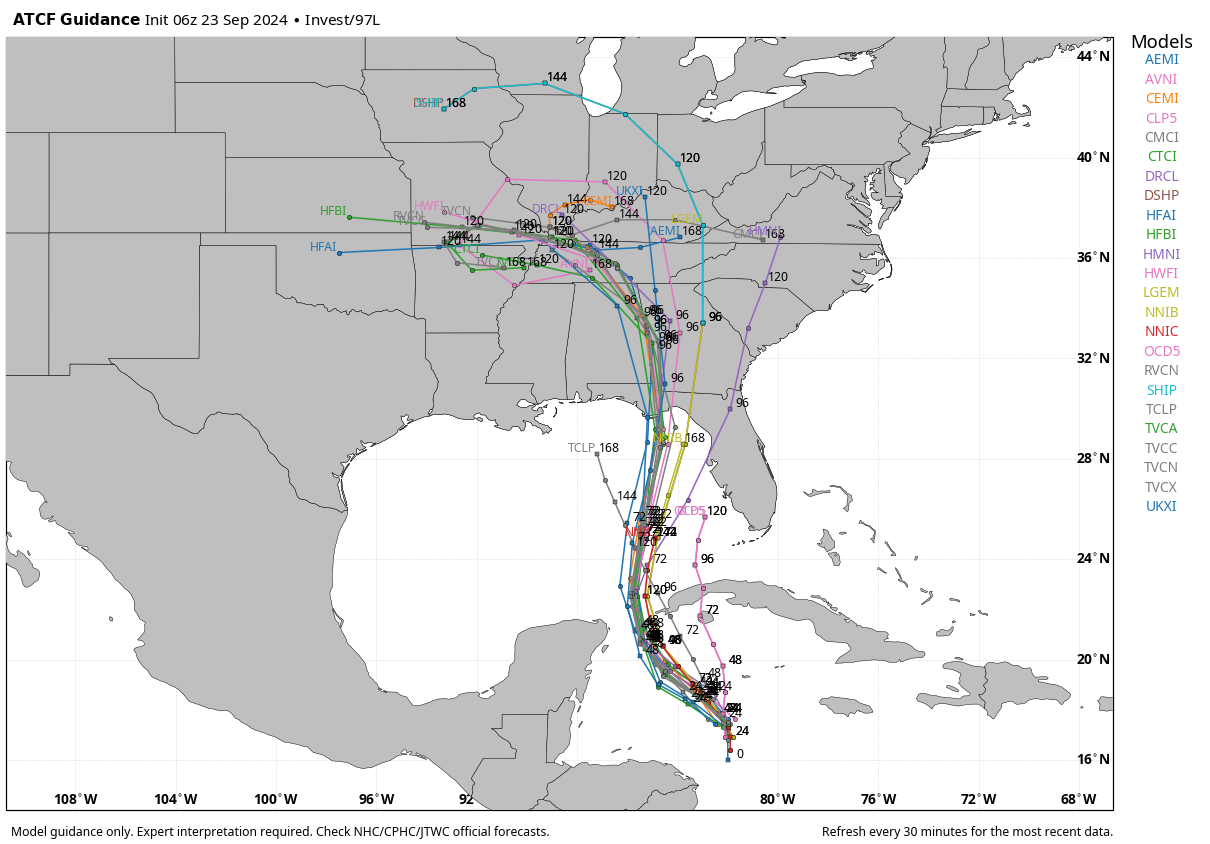
The trajectory of a hurricane is influenced by a confluence of atmospheric forces. Steering currents, primarily high-pressure systems and prevailing winds, guide the storm’s movement. Factors such as the strength and position of the Bermuda High (also known as the Azores High) play a significant role in directing storms westward or northward. Changes in these steering patterns, often associated with jet stream fluctuations, can cause a storm to curve, accelerate, or even stall.
Predictive models, while constantly improving, are not infallible. Meteorologists utilize a suite of sophisticated computer models, each with its own strengths and weaknesses, to forecast a hurricane’s path and intensity. These models ingest vast amounts of data from satellites, reconnaissance aircraft, buoys, and weather stations to simulate atmospheric conditions. The consensus among multiple models often provides the most reliable guidance, but periods of divergent forecasts are common, especially in the early stages of a storm’s development.
Key Factors Influencing Helene’s Path
- Sea Surface Temperatures: Warm ocean waters provide the fuel for hurricanes. Anomalously warm conditions in the Atlantic or Gulf of Mexico can contribute to the intensification and longevity of storms.
- Steering Currents: The dominant atmospheric flow patterns dictate the storm’s general direction. Shifts in these currents can significantly alter a hurricane’s projected path.
- Interaction with Landmasses: As a hurricane approaches land, friction with the terrain can weaken it. Conversely, interacting with favorable atmospheric conditions over land can sometimes lead to re-intensification.
- Other Tropical Systems: The presence of other tropical storms or depressions can influence each other through gravitational interactions or by altering the surrounding atmospheric environment.
Potential Impacts on Alabama’s Tourism Landscape
Should Hurricane Helene threaten Alabama, the implications for its vibrant tourism industry would be significant. Alabama boasts a diverse array of attractions, from the sandy beaches of Gulf Shores and Orange Beach to the historic charm of cities like Mobile and the natural beauty of its inland state parks.
Coastal Destinations
The state’s Gulf Coast is a major draw for tourists, particularly during the late summer and fall months. The pristine beaches, renowned for their white sand and clear waters, are home to numerous hotels, resorts, vacation rentals, and a plethora of water-based activities. A direct hit or even a close brush from a hurricane like Helene could lead to:

- Beach Closures and Evacuations: For safety reasons, authorities would likely close beaches and issue mandatory or voluntary evacuation orders for coastal communities. This would immediately halt all tourism-related activities.
- Damage to Infrastructure: High winds, storm surge, and heavy rainfall can inflict severe damage on hotels, restaurants, piers, and other tourism infrastructure. Repairs can take weeks, months, or even years, depending on the severity of the damage.
- Disruption to Travel: Airports, major highways, and local roads leading to and from the coast could be impacted by flooding, debris, or damage, disrupting travel plans for visitors and hindering the movement of supplies and personnel.
- Loss of Revenue: The economic impact on businesses would be substantial, with cancellations of bookings, loss of operational days, and the cost of repairs and recovery. This extends beyond hotels and restaurants to encompass souvenir shops, tour operators, and recreational service providers.
Inland Attractions
While the immediate focus is often on the coast, inland areas of Alabama are not immune to hurricane impacts. Heavy rainfall can lead to widespread flooding, affecting rivers, streams, and low-lying areas. This could impact:
- State Parks and Natural Areas: Parks like Cheaha State Park, known for its hiking trails and scenic vistas, could experience flash floods, landslides, or downed trees, leading to temporary closures and impacting recreational tourism.
- Historic Sites and Cultural Attractions: Cities like Montgomery and Tuscaloosa possess significant historical and cultural landmarks. While many are robust, severe weather can cause damage or necessitate closures for safety.
- Event Cancellations: Many popular fall events, such as festivals, sporting events, and outdoor concerts, are scheduled for this season. The threat of a hurricane could lead to cancellations, impacting visitor numbers and local economies.
Preparing for the Storm: A Guide for Travelers and Residents
The uncertainty surrounding hurricane tracks underscores the importance of proactive preparation. For travelers with plans to visit or who are currently in Alabama or other hurricane-prone regions, staying informed and having a contingency plan is paramount.
For Travelers:
- Monitor Official Advisories: Regularly check updates from the National Hurricane Center (NHC), the National Weather Service, and local emergency management agencies. These sources provide the most accurate and up-to-date information on storm forecasts and potential impacts.
- Review Travel Insurance: If you have travel insurance, understand its coverage for weather-related cancellations or interruptions. Contact your provider to clarify policy details.
- Stay in Touch with Accommodation Providers: Hotels, resorts, and rental agencies will be issuing their own advisories. Maintain communication with your lodging to understand their operational status, cancellation policies, and any evacuation plans. Consider flexible booking options if available.
- Have an Evacuation Plan: If you are in an area under a mandatory evacuation order, adhere to it immediately. Know your evacuation route and have a safe destination in mind, preferably outside the projected storm path.
- Pack an Emergency Kit: Include essentials such as water, non-perishable food, a first-aid kit, medications, a flashlight, batteries, a portable charger for your phone, and important documents.
- Secure Valuables: If staying in a hotel or rental, secure any valuable items or important documents in a safe place.
For Residents and Businesses:
- Stay Informed: Utilize multiple sources of information, including local news, radio, and official emergency alerts.
- Develop a Family Emergency Plan: Outline communication strategies, meeting points, and evacuation routes for your household.
- Secure Property: Board up windows, secure outdoor furniture and objects that could become projectiles, and trim trees and branches that could fall.
- Stock Emergency Supplies: Ensure you have at least a three-day supply of water, non-perishable food, and essential medications.
- Fuel Vehicles and Charge Devices: Keep your vehicle’s gas tank full and ensure all electronic devices are charged.
- Business Continuity: For tourism-related businesses, have a robust plan in place for communication with guests, staff, and suppliers, as well as protocols for securing the property and managing potential damage.

The Resilience of Alabama’s Tourism Sector
Despite the perennial threat of hurricanes, Alabama’s tourism sector has demonstrated remarkable resilience. Communities along the Gulf Coast have become adept at preparing for and recovering from these events. Following major storms, there is often a swift and determined effort to rebuild and restore infrastructure, demonstrating a commitment to welcoming visitors back as soon as it is safe to do so.
The allure of Alabama’s beaches, its rich history, and its natural beauty continues to draw visitors year after year. While the potential impact of storms like Hurricane Helene is a serious concern, understanding the risks, prioritizing safety, and staying informed are the best strategies for navigating this aspect of travel and living along the coast. The proactive measures taken by both authorities and individuals play a critical role in mitigating the effects of such powerful weather phenomena and ensuring the eventual return to normalcy and continued enjoyment of all that Alabama has to offer.
LifeOutOfTheBox is a participant in the Amazon Services LLC Associates Program, an affiliate advertising program designed to provide a means for sites to earn advertising fees by advertising and linking to Amazon.com. Amazon, the Amazon logo, AmazonSupply, and the AmazonSupply logo are trademarks of Amazon.com, Inc. or its affiliates. As an Amazon Associate we earn affiliate commissions from qualifying purchases.