
Wintergreen, a plant revered for its distinctive aroma and medicinal properties, sparks curiosity among botanists, foragers, and travelers alike. The question of its presence in the vast and varied landscapes of Alaska is a pertinent one, especially for those planning expeditions or seeking to understand the unique flora of the Last Frontier. While often associated with more temperate or boreal forests, the resilient nature of certain wintergreen species, coupled with Alaska’s diverse ecosystems, suggests that this aromatic herb might indeed be a resident. This exploration delves into the likelihood of finding wintergreen in Alaska, examining the specific species that might thrive, the habitats they would prefer, and the broader context of botanical exploration within the state.

The Genus Gaultheria: A Botanical Overview
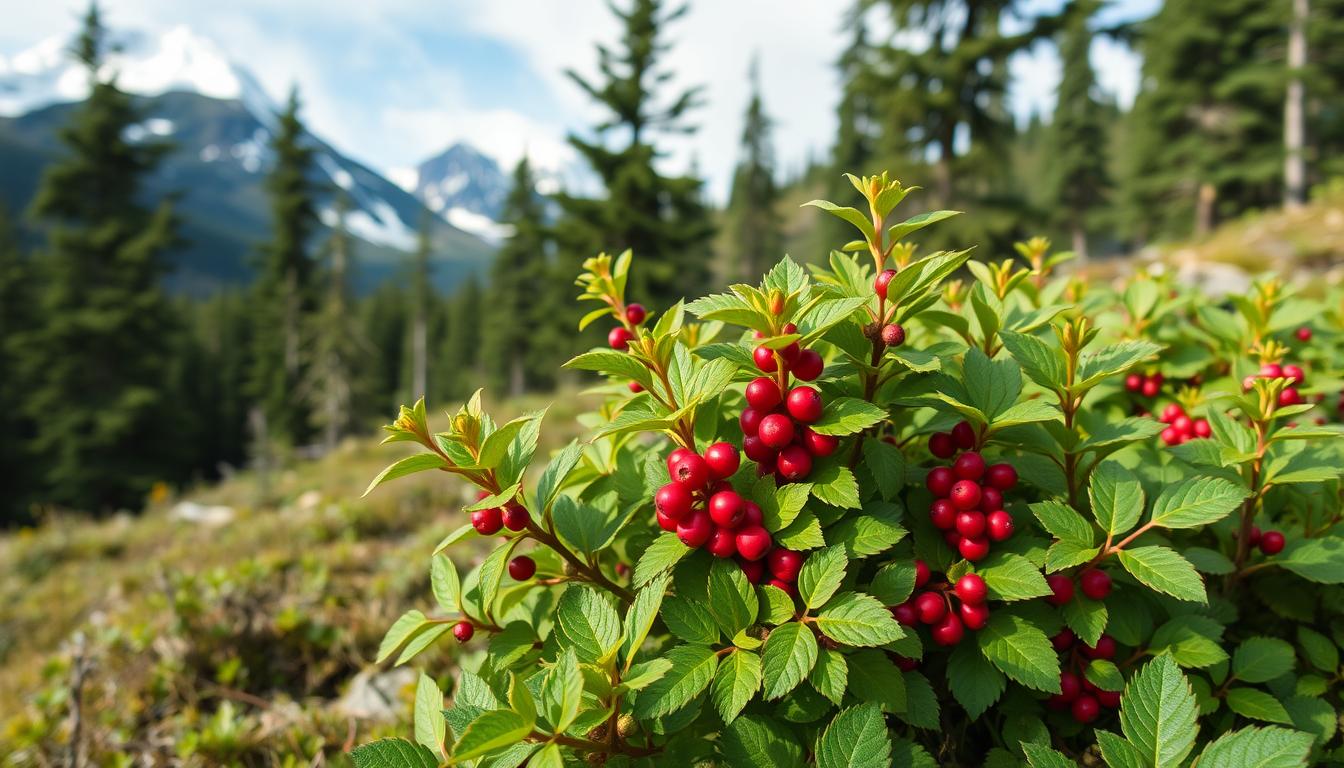
Wintergreen is not a single species but a common name applied to several plants within the Gaultheria genus. These evergreen shrubs are characterized by their bright red berries, leathery leaves, and, most notably, the distinct methyl salicylate scent released when their leaves are crushed. This scent is the source of the characteristic flavor and aroma often associated with wintergreen candies, toothpastes, and essential oils.
Key Wintergreen Species and Their Habitats
Globally, Gaultheria species are distributed across various continents, including North America, South America, Asia, and Australia. In North America, several species are native, with their distribution often dictated by climate, soil conditions, and habitat type. Understanding these preferences is crucial when considering their potential presence in Alaska.
-
Gaultheria procumbens: Commonly known as Eastern Teaberry or American Wintergreen, this species is widespread in eastern North America, from Newfoundland and Labrador south to Georgia and west to Manitoba and Tennessee. It typically thrives in acidic, well-drained soils, often found in coniferous or mixed forests, woodlands, and sandy barrens. Its preference for cooler climates might suggest a potential for survival in southern Alaska.
-
Gaultheria hispidula: Also known as Creeping Snowberry or American Wintergreen, this delicate groundcover has a broader distribution across North America, extending further north than G. procumbens. It favors moist, shady environments, often found in mossy areas, coniferous forests, and along the edges of bogs and fens. Its northern range in Canada makes it a strong candidate for presence in certain Alaskan ecosystems.
-
Gaultheria shallon: Known as Salal, this species is prominent in the Pacific Northwest of North America, ranging from California to British Columbia. It is a dominant understory shrub in coastal coniferous forests and is known for its adaptability to various light conditions and soil types, including acidic, well-drained soils. While its primary range is south of Alaska, the similar coastal coniferous forest ecosystems in southeastern Alaska could potentially support it.
Alaska’s Diverse Ecosystems: A Fertile Ground?
Alaska is a land of immense ecological diversity, encompassing tundra, boreal forests, coastal rainforests, and alpine regions. This varied topography and climate present a complex picture when considering the distribution of plant species.
Boreal Forests and Taiga
A significant portion of Alaska is covered by boreal forest, also known as taiga. These vast coniferous forests, dominated by spruce, fir, and larch, are characterized by long, cold winters and short, mild summers. The acidic soils often found in these regions are conducive to ericaceous plants like wintergreens. Species like Gaultheria hispidula, with its preference for mossy ground and shade, would likely find suitable habitat within the Alaskan boreal forest, particularly in areas with dense conifer cover and rich humus layers.
Coastal Rainforests
Southeastern Alaska, part of the temperate rainforest biome, experiences milder temperatures and higher precipitation than the interior. These lush forests, dominated by Sitka spruce, western hemlock, and western red cedar, offer a rich environment for a variety of understory plants. If Gaultheria shallon extends its range as far north as the southernmost reaches of the Alaskan panhandle, it would thrive in these moist, shaded conditions, likely growing in dense thickets among other understory shrubs.
Tundra and Alpine Regions
While much of Alaska is covered by tundra or alpine environments, these habitats are generally considered less likely for Gaultheria procumbens or Gaultheria shallon due to their typically more open, windswept, and often drier conditions. However, more specialized or resilient Gaultheria species, or variations adapted to colder extremes, might exist in sheltered microhabitats within these regions, particularly in areas with significant soil development and protection from harsh winds. Gaultheria hispidula, being a low-growing, creeping plant, could potentially persist in sheltered alpine meadows or along the edges of the treeline where some moisture and protection are available.

Documented Sightings and Botanical Surveys
The definitive answer to whether wintergreen can be found in Alaska rests on documented botanical surveys and records. While general distribution maps for Gaultheria species might not explicitly include Alaska, localized studies or less common species might be overlooked in broader assessments.
The Role of Indigenous Knowledge
Indigenous communities in Alaska have a deep and extensive knowledge of the local flora, often utilizing plants for medicinal, culinary, and practical purposes. Information passed down through generations might hold clues to the presence of wintergreen, even if not formally cataloged by Western botanical science. Local foraging guides and ethnobotanical studies specific to Alaskan Native cultures would be invaluable in uncovering such knowledge.
Scientific Literature and Floras
Botanical literature, including state floras and regional plant checklists, are the primary sources for confirming the presence of a species within a given area. A thorough review of Alaskan floras would provide the most authoritative answer. It is plausible that Gaultheria hispidula, given its northern range and adaptability, is present in Alaska, perhaps in less accessible areas or noted under a different common name. The scientific name is often more precise than common names when tracing distribution.
Potential for New Discoveries
Alaska remains a frontier for botanical exploration. Its sheer size and challenging terrain mean that many areas are still underexplored. It is not inconceivable that further botanical research could confirm the presence of one or more Gaultheria species in Alaska, or even identify unique adaptations of known species to the Alaskan environment.
Practical Considerations for Travelers and Foragers
For those planning a trip to Alaska with an interest in wintergreen, a few practical considerations are important.
Identification is Key
If the intent is to forage, accurate identification is paramount. Wintergreen berries are edible, and the leaves can be used for teas or flavorings, but misidentification of wild plants can lead to serious consequences. If a Gaultheria species is found, it is essential to confirm its identity with reliable field guides and, ideally, with the guidance of an experienced local botanist or forager.
Ethical Foraging and Regulations
Any foraging activities in Alaska must adhere to local regulations and ethical practices. This includes understanding land ownership (public vs. private), obtaining necessary permits if required, and practicing sustainable harvesting to ensure the long-term health of plant populations. Overharvesting can deplete local resources and impact the ecosystem.
Respecting the Wilderness
Alaska is a pristine wilderness. Visitors are encouraged to practice leave-no-trace principles, minimizing their impact on the environment. This means staying on marked trails where available, packing out all waste, and avoiding disturbance to wildlife and vegetation.
Conclusion: A Plausible Presence
While definitive, widespread documentation of wintergreen in Alaska may be scarce in readily accessible general flora, the ecological conditions and the known distribution of certain Gaultheria species strongly suggest its plausible presence. Gaultheria hispidula, the creeping snowberry, is the most likely candidate, given its northern range and affinity for boreal forest understories. Southeastern Alaska’s coastal rainforests might also harbor Gaultheria shallon, though this is less certain without specific survey data. The vastness and relative unexplored nature of much of the Alaskan wilderness mean that such botanical discoveries are always on the horizon. For the curious traveler or dedicated botanist, the search for wintergreen in Alaska represents an engaging facet of exploring the rich and dynamic natural heritage of this magnificent state. Continued botanical surveys and the sharing of traditional ecological knowledge will ultimately solidify the answer to this fascinating question.
LifeOutOfTheBox is a participant in the Amazon Services LLC Associates Program, an affiliate advertising program designed to provide a means for sites to earn advertising fees by advertising and linking to Amazon.com. Amazon, the Amazon logo, AmazonSupply, and the AmazonSupply logo are trademarks of Amazon.com, Inc. or its affiliates. As an Amazon Associate we earn affiliate commissions from qualifying purchases.