
Alaska, a state synonymous with vast wilderness, towering mountains, and unique natural phenomena, often sparks questions about its daylight hours. The most common query revolves around its legendary darkness, particularly during the winter months. The answer is a resounding yes, but the degree and duration of this darkness are far more nuanced and captivating than a simple affirmation. Understanding the interplay of Alaska’s geographical position, seasonal changes, and the resulting celestial displays offers a profound insight into the Alaskan experience, making it a compelling destination for those seeking to witness nature’s most dramatic spectacles.
The Science of Alaskan Darkness and Light
Alaska’s unique relationship with daylight is a direct consequence of its high latitude. Situated in the northernmost reaches of the planet, it experiences extreme variations in daylight throughout the year. This phenomenon is not unique to Alaska but is amplified there due to its position within the Arctic Circle for a significant portion of its landmass.
Earth’s Tilt and Orbital Dance
The fundamental reason for Alaska’s dramatic shifts in daylight is the axial tilt of the Earth. Our planet is tilted at approximately 23.5 degrees relative to its orbital plane around the Sun. As the Earth orbits the Sun, this tilt causes different parts of the globe to receive varying amounts of direct sunlight throughout the year.
During the summer solstice (around June 21st), the Northern Hemisphere, including Alaska, is tilted most directly towards the Sun. This results in the longest days of the year, leading to the famous “midnight sun” phenomenon in many Alaskan regions. Conversely, during the winter solstice (around December 21st), the Northern Hemisphere is tilted furthest away from the Sun. This is when the shortest days and longest nights occur, plunging much of Alaska into prolonged periods of darkness.
Latitude’s Dramatic Impact
Alaska spans a vast range of latitudes, from the Panhandle in the southeast to the remote islands of the Aleutian chain in the west and the northernmost tip on the Arctic coast. This geographical spread means that the intensity of the darkness, and conversely the light, varies significantly across the state.
The Midnight Sun Phenomenon
North of the Arctic Circle, which cuts across Alaska, the Sun does not set for at least one full day during the summer. In places like Utqiagvik (formerly Barrow), the northernmost city in the United States, the midnight sun can last for over two months, from mid-May to late July. This means the sun remains above the horizon 24 hours a day, bathing the landscape in perpetual twilight or daylight, albeit at a lower angle in the sky. Further south, but still within Alaska, cities like Fairbanks experience extended daylight hours, often with the sun dipping only slightly below the horizon before rising again. This prolonged daylight offers unique opportunities for outdoor activities and exploration, transforming the landscape into a vibrant, ever-lit canvas.
The Polar Night and Its Variations
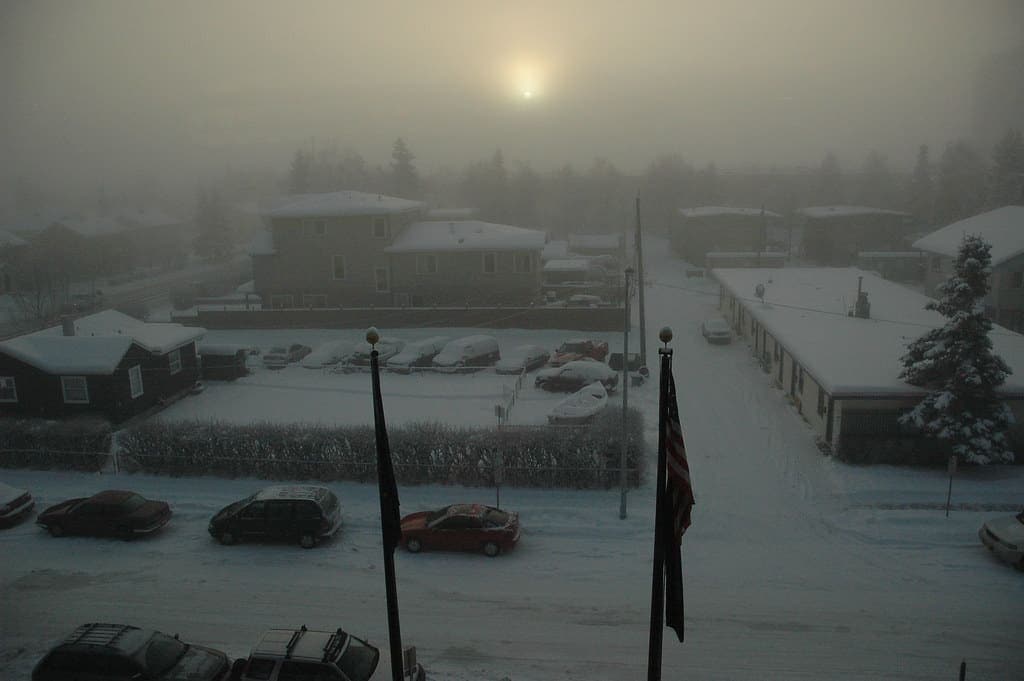
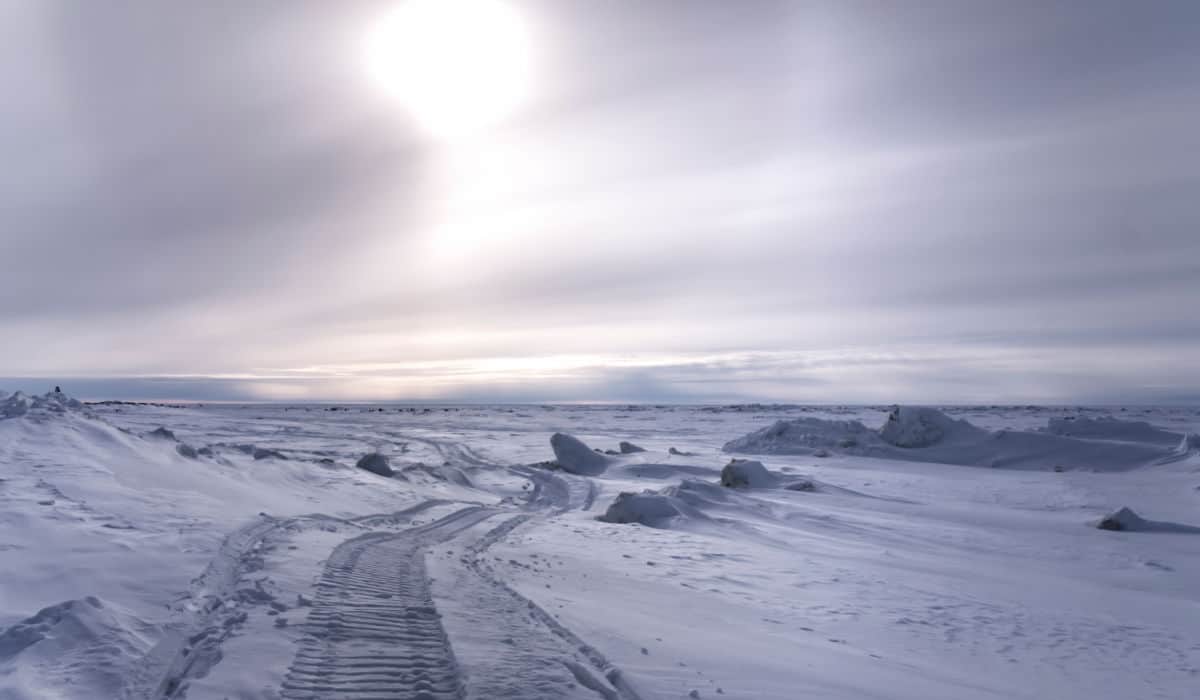
Conversely, during the winter months, regions north of the Arctic Circle experience the polar night, where the sun remains below the horizon for 24 hours or more. In Utqiagvik, this can last for more than two months, from late November to late January. During this period, the landscape is bathed in perpetual twilight, with the sun appearing as a faint glow on the horizon for a brief period each day, if at all. Further south, cities like Anchorage and Juneau still experience significantly shorter days, with sunrise occurring late in the morning and sunset occurring early in the afternoon. This extended darkness, while challenging for some, creates a magical atmosphere, setting the stage for some of Alaska’s most sought-after natural wonders.
Experiencing Alaskan Darkness: Beyond Mere Absence of Light
The “darkness” in Alaska is not simply an absence of sunlight. It is a complex interplay of atmospheric conditions, celestial events, and the unique reflective properties of snow and ice, all of which contribute to an experience that is both visually stunning and deeply atmospheric. This period of reduced sunlight is precisely what allows for the emergence of the aurora borealis, making winter a prime time for aurora viewing.
The Aurora Borealis: The Crown Jewel of Alaskan Nights
Perhaps the most celebrated phenomenon associated with Alaskan darkness is the Aurora Borealis, or Northern Lights. This celestial ballet of vibrant colors dancing across the night sky is a breathtaking spectacle, and Alaska’s position at high latitudes, combined with its often clear, dark skies during winter, makes it one of the best places on Earth to witness it.
The aurora is caused by charged particles from the Sun colliding with gases in Earth’s upper atmosphere. When these particles interact, they emit light, creating the luminous curtains and streaks of green, pink, purple, and red that characterize the aurora. The darker the sky, the more vivid the aurora appears. Therefore, the prolonged darkness of Alaskan winters is not a deterrent but a prerequisite for experiencing this natural wonder.
Prime Aurora Viewing Locations and Seasons
Optimal viewing conditions for the Aurora Borealis in Alaska are typically from late August through April, when the nights are long and dark. Popular viewing locations include Fairbanks, which is situated under the “auroral oval,” a band of intense auroral activity. Other excellent spots include Denali National Park and Preserve, where the vast wilderness offers minimal light pollution, and smaller towns further north for a more immersive experience. Many lodges and tour operators in these areas specialize in aurora viewing tours, providing heated viewing areas, photography tips, and knowledgeable guides.
The Enchantment of Twilight and Extended Dawn/Dusk
Even during the darkest months, Alaska is rarely plunged into complete, impenetrable blackness. The presence of snow and ice reflects ambient light, and the phenomenon of civil twilight, when the sun is just below the horizon, can extend for hours. This creates a soft, ethereal glow that paints the landscape in subtle hues of blue, purple, and pink.
This extended twilight, combined with the brief period when the sun might be visible as a sliver on the horizon, creates a unique visual experience. The sky can transition through a spectrum of colors, from deep indigo to fiery orange, offering a constantly changing panorama. This gentle, prolonged transition between day and night offers a serene and contemplative atmosphere, different from the sharp, abrupt changes experienced at lower latitudes.
Adapting to Alaskan Light Cycles: A Traveler’s Guide
For visitors, understanding and preparing for Alaska’s extreme light cycles is crucial for maximizing their experience. Whether you’re visiting during the perpetual daylight of summer or the long nights of winter, there are practical considerations and unique opportunities to embrace.
Summer Travel: Embracing the Midnight Sun
During the summer months, the abundance of daylight in Alaska is a significant advantage for travelers. You can enjoy extended periods of sightseeing, hiking, fishing, and other outdoor activities without the constraints of short days. Popular attractions like the Kenai Fjords National Park, Glacier Bay National Park and Preserve, and the scenic drives around Homer become accessible for longer durations.
However, the constant daylight can disrupt sleep patterns. Packing an eye mask is highly recommended for those sensitive to light. Many accommodations also offer blackout curtains, but it’s wise to inquire beforehand. The extended daylight also means that the concept of “night” is redefined; evenings can be spent enjoying a leisurely dinner or a sunset cruise that lasts for hours, with the sun never fully disappearing.
Winter Travel: Navigating the Darkness and Finding the Light
Winter in Alaska offers a distinct set of challenges and rewards. The shorter days and longer nights require careful planning for outdoor excursions. However, this is the prime season for experiencing the magic of the aurora, dog sledding adventures, ice fishing, and the cozy charm of Alaskan towns illuminated by festive lights against a dark backdrop.
When traveling in winter, it’s essential to be prepared for the cold and to plan your activities around the limited daylight hours. Guided tours are highly recommended for activities like aurora hunting or exploring remote areas. Embrace the darkness as an opportunity to experience the unique nocturnal beauty of the Alaskan wilderness. Consider staying in lodges that offer specific aurora viewing packages or opportunities to learn about local winter traditions. The quiet solitude of a snow-covered landscape under a starlit or auroral sky is an unforgettable experience.
Beyond the Extremes: Alaska’s Shoulder Seasons
The transitional periods, known as the shoulder seasons (spring and autumn), offer a fascinating glimpse into Alaska’s changing light. These months provide a balance, with days becoming longer or shorter, and the dramatic celestial displays of both summer and winter still within reach.
Spring: The Thaw and the Return of Light
As winter begins to recede, typically from March onwards, the days in Alaska noticeably lengthen. This is a time of transition, where the lingering snow begins to melt, revealing the landscape underneath. The Iditarod Trail Sled Dog Race, for instance, takes place in March, showcasing the end of winter and the early signs of spring. While the nights are still dark enough for aurora viewing in the early spring, the increasing daylight offers more opportunities for daytime exploration. The scenery transitions from stark winter whites to the first hints of green, making it a beautiful and less crowded time to visit.
Autumn: The Golden Hour and the Approaching Darkness
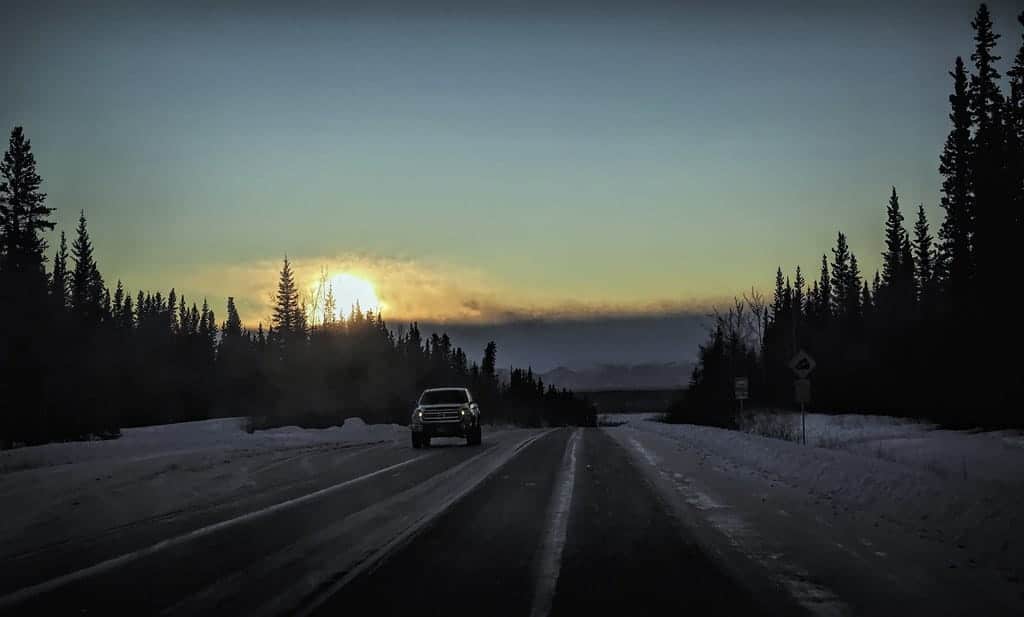
Autumn in Alaska, from September through October, is a period of breathtaking beauty. The deciduous forests, particularly in the interior, burst into vibrant fall colors, creating a stunning contrast against the evergreen trees. The daylight hours begin to shorten, creating spectacular “golden hours” of soft, warm light that photographers and nature enthusiasts cherish.
Crucially, autumn is also when the nights become dark enough again to witness the Aurora Borealis. This makes September and October particularly appealing for travelers who wish to experience both the colorful fall foliage and the potential for aurora sightings. The crisp air and the dramatic shift in light create a unique and evocative atmosphere, a perfect prelude to the full darkness of winter.
In conclusion, Alaska doesn’t just “get dark”; it experiences a profound and dynamic transformation of light. From the endless days of the midnight sun to the ethereal twilight of the polar night, and the spectacular dance of the aurora, Alaska offers a masterclass in the power and beauty of natural light cycles. It is a destination that invites travelers to not only witness these phenomena but to immerse themselves in the unique rhythms of a land shaped by the celestial clock.
LifeOutOfTheBox is a participant in the Amazon Services LLC Associates Program, an affiliate advertising program designed to provide a means for sites to earn advertising fees by advertising and linking to Amazon.com. Amazon, the Amazon logo, AmazonSupply, and the AmazonSupply logo are trademarks of Amazon.com, Inc. or its affiliates. As an Amazon Associate we earn affiliate commissions from qualifying purchases.