
The Enduring Majesty of Alaska’s White Spruce
Alaska, a land of breathtaking vistas and untamed wilderness, is synonymous with towering forests and resilient flora. Among its most iconic arboreal residents is the white spruce (Picea glauca), a species that thrives in the challenging northern climate. The question of whether these magnificent trees exist in a wild, natural state within Alaska is not only a valid one but also opens a gateway to understanding the state’s unique ecosystems and the significance of its natural resources. Indeed, the presence of wild-grown white spruce trees in Alaska is not merely a possibility; it is a fundamental characteristic of its vast boreal forests.
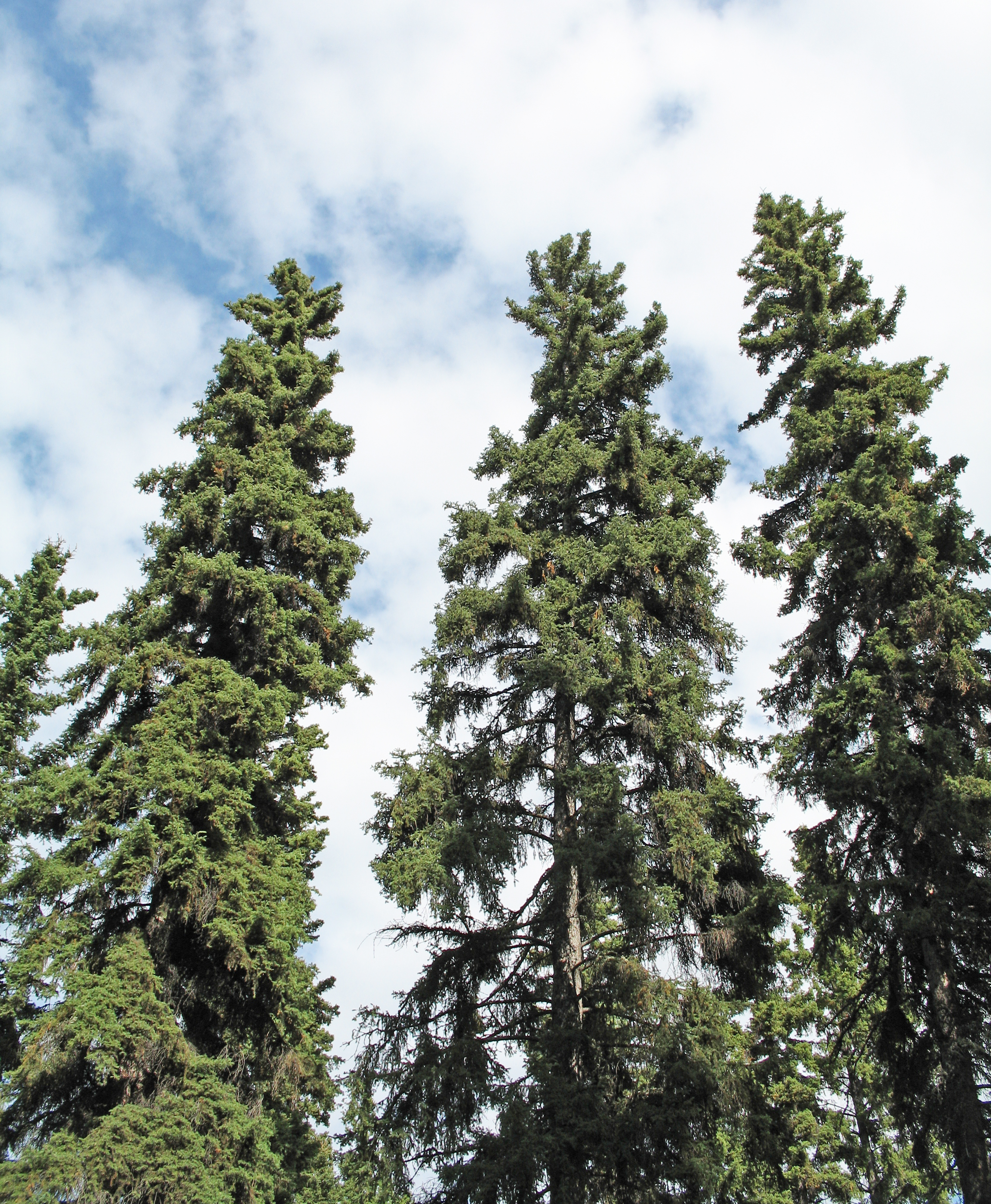
The white spruce is a cornerstone species in the taiga, or boreal forest, that blankets much of interior and northern Alaska. These forests are characterized by vast expanses of coniferous trees, and the white spruce stands out for its adaptability, hardiness, and widespread distribution. It is a symbol of the wild Alaskan landscape, a silent witness to centuries of natural cycles and a vital component of the environment that supports diverse wildlife and unique ecological processes.
Defining “Wild Grown” in an Alaskan Context
When we speak of “wild-grown” white spruce in Alaska, we are referring to trees that have established and matured without direct human intervention in their planting or cultivation. This encompasses trees that have naturally regenerated from seed dispersed by wind or animals, growing in their native habitat across the expansive Alaskan wilderness. These forests are not manicured or managed for commercial timber production in the same way as in some other regions. Instead, they are dynamic ecosystems shaped by natural forces such as fire, insect outbreaks, and the slow, persistent march of glacial retreat.
Alaska’s vastness means that large tracts of land remain undeveloped and untouched by human hands, allowing natural processes to dictate the landscape. The white spruce has not only survived but flourished in these conditions, demonstrating remarkable resilience. Its presence is a testament to the planet’s capacity for regeneration and the enduring power of nature when given space to thrive. From the Yukon Flats National Wildlife Refuge to the edges of Denali National Park and Preserve, these trees form intricate ecosystems, providing shelter, food, and habitat for a multitude of species.
Ecological Significance and Adaptations
The white spruce’s success in Alaska is a story of remarkable adaptation. This coniferous evergreen is exceptionally well-suited to the harsh Alaskan climate, characterized by long, cold winters with deep snow cover and short, relatively warm summers. Its conical shape, with drooping branches, helps to shed heavy snow, preventing branch breakage. The needles are short, stiff, and four-sided, covered in a waxy cuticle that minimizes water loss during dry, cold periods.
-
Seed Dispersal and Regeneration: White spruce trees produce small, winged seeds that are dispersed by the wind. They are also an important food source for various wildlife, aiding in their dispersal. The species is also known for its ability to regenerate after disturbances, particularly fire. In fact, fire can be beneficial for white spruce, as it clears away competing vegetation and exposes mineral soil, creating an ideal seedbed for germination. The cones often remain closed until exposed to heat, releasing their seeds after a fire event.
-
Habitat Provision: The dense canopy of white spruce forests provides crucial shelter for a wide array of Alaskan wildlife, protecting them from the elements and predators. Animals such as moose, caribou, Dall sheep, and numerous bird species rely on these forests for survival. The trees also offer food sources; their seeds are consumed by squirrels, crossbills, and other rodents and birds, while their needles are browsed by moose and caribou.
-
Soil and Water Management: The extensive root systems of white spruce help to stabilize soil, preventing erosion, especially on the often-frozen ground of Alaska. Their presence also plays a role in regulating water cycles, contributing to the health of local watersheds.
Where to Encounter Wild White Spruce in Alaska
The opportunity to witness wild-grown white spruce trees in their natural habitat is abundant throughout Alaska. Their distribution is extensive, forming the backbone of the boreal forest ecosystem.
Interior Alaska’s Boreal Forests
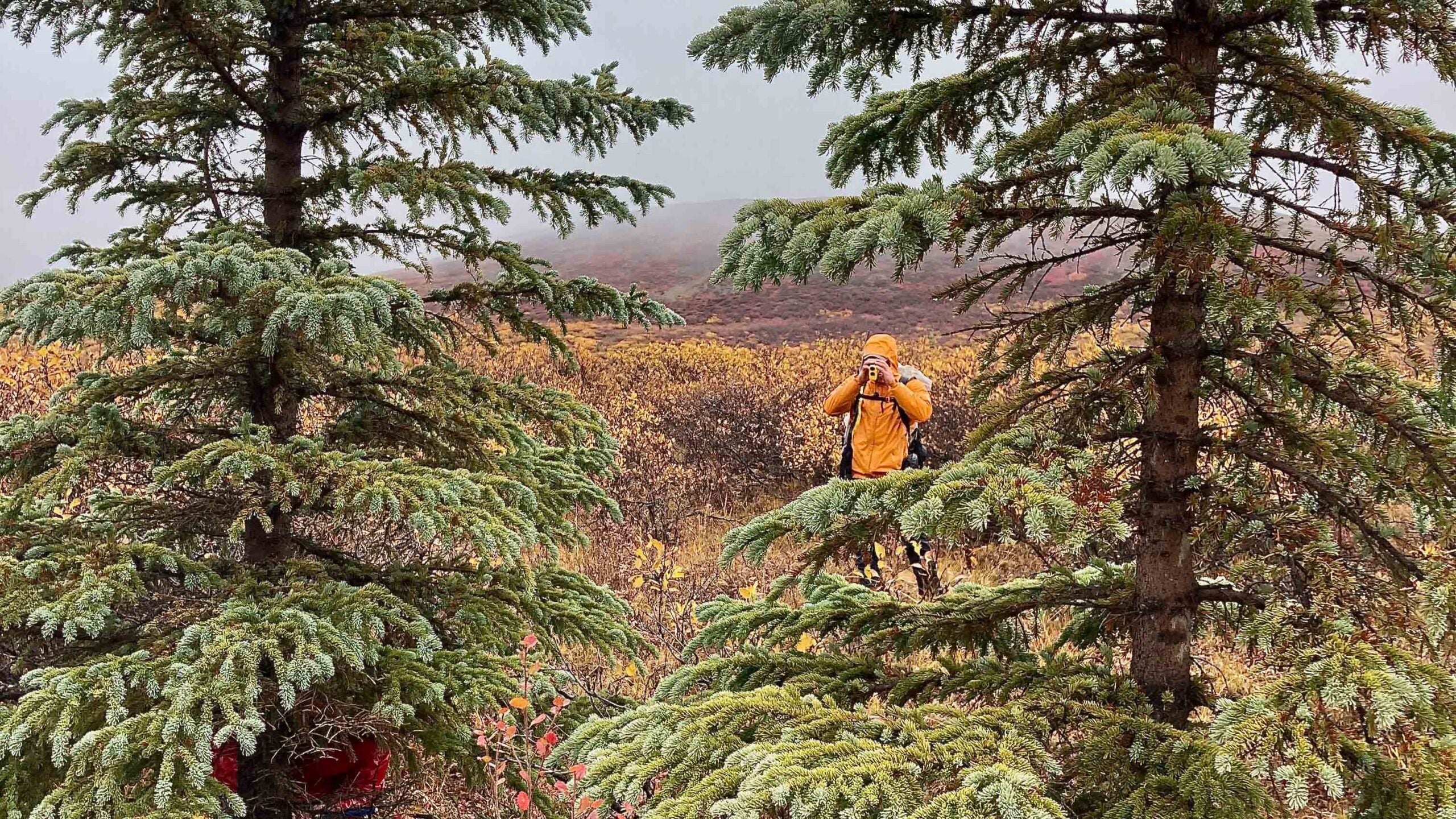
The vast interior of Alaska is perhaps the most quintessential home of the white spruce. Here, immense forests stretch as far as the eye can see, punctuated by meandering rivers and the occasional mountain range.
-
Denali National Park and Preserve: While Denali is renowned for its alpine tundra and majestic peaks, the lower elevations and river valleys within the park are heavily forested with white spruce. Driving the park road, especially in the early sections, offers glimpses into these expansive woodlands. Hiking trails that venture into the spruce forests provide an immersive experience.
-
Yukon Flats National Wildlife Refuge: This sprawling refuge in central Alaska is characterized by a mosaic of boreal forest, wetlands, and lakes. White spruce is a dominant tree species here, contributing to the rich biodiversity of the area. While accessibility to some parts of the refuge can be challenging, it represents a pristine example of wild Alaskan spruce forests.
-
Fairbanks Area: The city of Fairbanks itself is situated within extensive white spruce forests. Driving or hiking on trails just outside the city, such as those in the Creamer’s Field Migratory Waterfowl Refuge or along the Chena River, will immerse visitors in these natural woodlands. The University of Alaska Fairbanks’ research forest also showcases native spruce stands.
Arctic and Subarctic Regions
As one travels further north and west, the boreal forest transitions into sparser woodlands and eventually tundra. However, white spruce continues to be a prominent species in the subarctic regions, often marking the northern limit of continuous forest.
-
Gates of the Arctic National Park and Preserve: In the southern reaches of this remote park, white spruce can be found clinging to protected valleys and riverbanks, representing the edge of the boreal biome. These hardy trees are a testament to their adaptability in extreme environments.
-
Kobuk Valley National Park: While known for its vast sand dunes, the park also encompasses significant areas of boreal forest, with white spruce being a common sight along river corridors and in sheltered locations.
Experiencing Alaska’s White Spruce Forests
To truly appreciate the wild-grown white spruce trees of Alaska is to engage with them in their natural setting. This often involves venturing into the wilderness, whether through organized tours, self-guided explorations, or simply by observing them from scenic overlooks and roadways.
-
Hiking and Backpacking: For the more adventurous, hiking and backpacking offer the most intimate encounters. Trails within national parks, state forests, and wildlife refuges wind through these forests, allowing visitors to walk beneath the towering spruces, breathe in their characteristic scent, and observe the intricate details of their ecosystem. It is crucial to be prepared for Alaskan conditions, including variable weather and the presence of wildlife.
-
Scenic Drives: Many of Alaska’s iconic roadways, such as the Parks Highway connecting Anchorage to Fairbanks and the Glenn Highway, traverse landscapes dominated by white spruce forests. Pull-offs and designated viewpoints offer opportunities to stop, stretch your legs, and take in the grandeur of these natural woodlands.
-
Wildlife Viewing: The presence of white spruce is intrinsically linked to the wildlife that inhabits these forests. Birdwatching is particularly rewarding, with species like the boreal chickadee, pine grosbeak, and various woodpeckers calling these trees home. Keep an eye out for larger mammals that forage or shelter within the spruce stands.
Conservation and Future of Wild Spruce
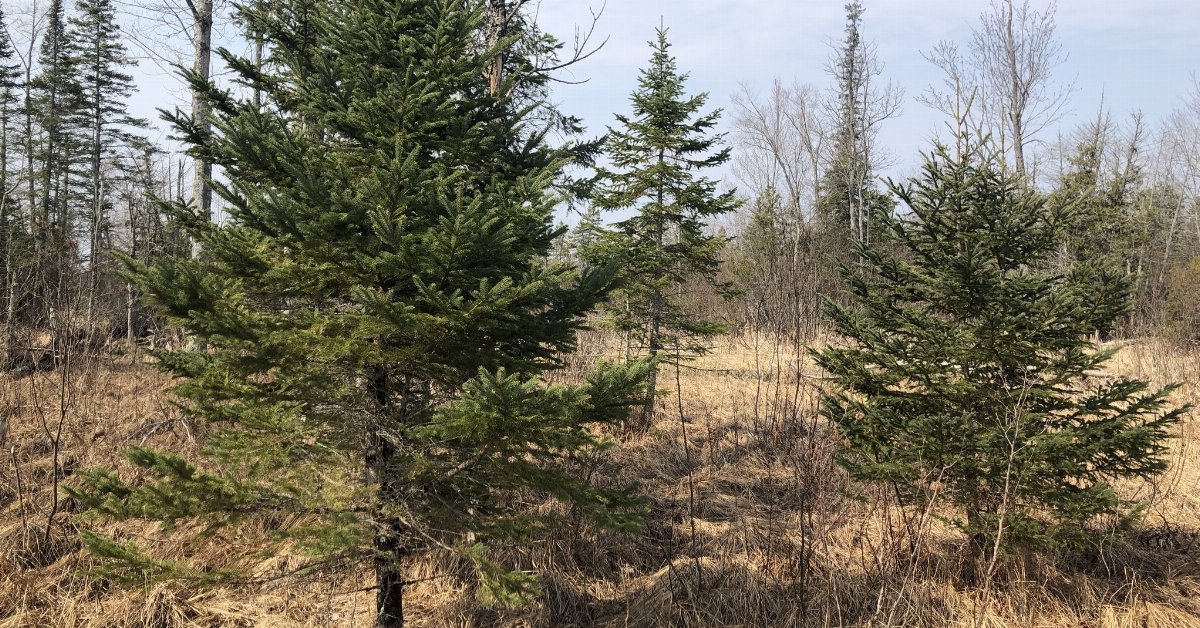
The future of Alaska’s wild-grown white spruce forests is largely tied to the natural cycles of the boreal ecosystem and the broader implications of climate change. While the species is resilient, ongoing shifts in temperature and precipitation patterns, as well as changes in fire frequency and intensity, are factors that forest managers and scientists are monitoring closely.
Efforts to conserve these natural areas, particularly through the designation of national parks, national forests, and wildlife refuges, are paramount. These protected lands ensure that vast expanses of white spruce forests can continue to thrive and evolve according to natural processes, unhindered by extensive human development. The continued existence of these wild forests is vital not only for the ecological health of Alaska but also as a testament to the enduring power and beauty of the natural world. Their presence is a profound reminder of the wild spirit that defines the Last Frontier.
LifeOutOfTheBox is a participant in the Amazon Services LLC Associates Program, an affiliate advertising program designed to provide a means for sites to earn advertising fees by advertising and linking to Amazon.com. Amazon, the Amazon logo, AmazonSupply, and the AmazonSupply logo are trademarks of Amazon.com, Inc. or its affiliates. As an Amazon Associate we earn affiliate commissions from qualifying purchases.