
Alaska, a land often synonymous with snow, ice, and frigid temperatures, might not be the first place that comes to mind when contemplating perspiration. Yet, the question of whether one might “sweat bad” in this vast northern territory, particularly “right now,” delves into a nuanced understanding of climate, personal physiology, and the often-surprising realities of Alaskan weather patterns throughout the year. While the image of bundled-up explorers battling blizzards is prevalent, the Alaskan experience is far more diverse, encompassing distinct seasons, microclimates, and activities that can indeed lead to a warm and sweaty encounter.
Understanding Alaskan Climates: Beyond the Arctic Myth
The popular perception of Alaska as perpetually frozen is a significant oversimplification. While the Arctic regions certainly maintain sub-zero temperatures for extended periods, much of populated Alaska experiences a more varied climate. Understanding these variations is crucial to answering whether you might find yourself sweating.
Seasonal Extremes
Alaska’s seasons are dramatic.
- Winter (November to March): This is the period most aligned with the frozen stereotype. Temperatures can plummet far below zero, especially inland and in the north. However, even during winter, coastal areas like Juneau tend to be milder due to oceanic influence, with temperatures often hovering around freezing. In these conditions, strenuous outdoor activity, such as cross-country skiing or snowshoeing, can certainly induce sweating. The cold air might make it feel less noticeable, but the physiological response is present.
- Spring (April to May): As the snow begins to melt, temperatures rise, and daylight hours increase significantly. This transitional period can be surprisingly warm, especially in southern regions. Activities like hiking and fishing become popular, and the combination of physical exertion and warming air can lead to sweating.
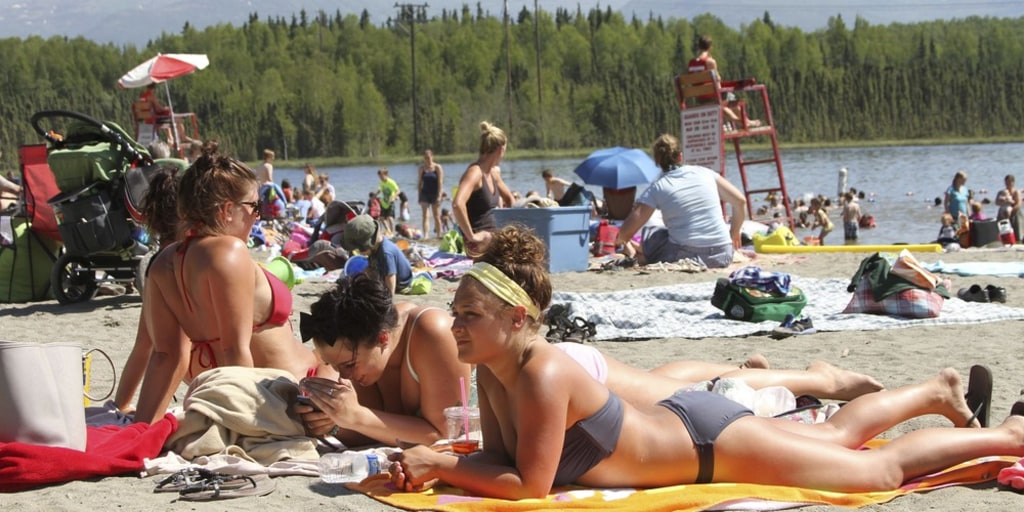
- Summer (June to August): This is Alaska’s warmest season and the peak tourist period. Temperatures in many areas, particularly interior cities like Fairbanks and south-central regions around Anchorage, can reach into the 70s and even 80s Fahrenheit (20s and 30s Celsius). Coastal areas remain cooler, but humidity can become a factor, exacerbating the feeling of heat and leading to perspiration. Outdoor adventures like kayaking, hiking, and exploring national parks such as Denali National Park and Preserve are at their peak, and strenuous effort in summer temperatures is a surefire way to sweat.
- Autumn (September to October): This season offers a beautiful display of fall colors but can also bring unpredictable weather. Early autumn can still be mild, with opportunities for outdoor activities. As winter approaches, temperatures drop, but the transition can still involve periods where exertion leads to sweating, especially during the earlier, warmer days.
Microclimates and Regional Differences
Alaska is a massive state, and its geography creates distinct microclimates.
- Coastal Regions: Cities like Ketchikan, Sitka, and Juneau are heavily influenced by the Pacific Ocean and the Gulf of Alaska. This results in milder, wetter winters and cooler, more humid summers compared to the interior. The humidity can make even moderately warm temperatures feel warmer and lead to increased sweating.
- Interior Alaska: This vast region, encompassing cities like Fairbanks and stretching towards the Canadian border, experiences a continental climate with greater temperature extremes. Winters are frigid and dry, while summers can be surprisingly hot and humid, with occasional heatwaves. This is where you are most likely to experience significant sweating during summer months due to heat and humidity.
- Arctic and Subarctic Regions: Areas further north, such as Utqiagvik (formerly Barrow), are characterized by extremely cold temperatures for most of the year. While sweat might be produced during intense physical activity, it evaporates very quickly in the dry, frigid air, and the primary concern is often staying warm rather than managing perspiration.
Activities That Can Make You Sweat in Alaska
The allure of Alaska lies in its unparalleled natural beauty and the abundance of outdoor activities it offers. Engaging in these can certainly lead to a sweaty experience, regardless of the season.
Adventures in the Wilderness
- Hiking and Backpacking: Exploring the numerous trails, from the coastal paths of the Inside Passage to the alpine meadows of Denali National Park and Preserve, involves physical exertion. During warmer months, hiking at lower elevations or on sunny days can easily cause you to sweat. Carrying a heavy backpack adds to the caloric expenditure and sweat production.
- Kayaking and Canoeing: Paddling through Alaska’s pristine waters, whether along the coast, in fjords, or on interior lakes and rivers, is a popular pastime. While the water itself might be cold, the physical act of paddling, especially against currents or for extended periods, can generate considerable body heat and lead to sweating. The exertion on a warm summer day can be particularly noticeable.
- Climbing and Mountaineering: For the more adventurous, scaling Alaska’s peaks, from the smaller mountains in the Chugach Mountains to the formidable slopes of Denali itself, is a strenuous undertaking. Even in frigid conditions, the intense physical demand can cause significant sweating, which then poses a risk of hypothermia if not managed properly.
- Fishing and Hunting: These activities often involve long hours outdoors, sometimes in challenging terrain. Whether fly-fishing in a rushing river or tracking game through dense forests, the physical effort, combined with variable weather, can lead to sweating.
Embracing the Cold: Winter Activities
Even in winter, sweating is a possibility, albeit one that requires careful management.
- Cross-Country Skiing and Snowshoeing: These popular winter pastimes are excellent cardiovascular exercises. Pushing through snow, especially on uphill sections or during an intense workout, will cause you to sweat. Layering clothing is essential for managing this heat effectively.
- Dog Sledding: While you might be a passenger, the energy expended by the sled dogs and the need to keep pace can contribute to a feeling of warmth and exertion, potentially leading to mild sweating, especially in less frigid conditions.
- Ice Climbing: Similar to rock climbing, ice climbing is a highly demanding sport that generates significant body heat, even in sub-zero temperatures.

Factors Influencing “Bad Sweat” in Alaska
The concept of “sweating bad” implies not just the production of sweat but also the discomfort it can cause. Several factors contribute to this in Alaska.
Humidity and Perceived Temperature
While Alaska is often perceived as dry, particularly in winter, coastal areas can be quite humid in the summer. High humidity prevents sweat from evaporating efficiently, making you feel hotter and stickier. This “muggy” feeling can contribute to the sensation of “sweating bad.” The “feels like” temperature, which accounts for humidity and wind chill, is a more accurate indicator of how hot or cold you will feel.
Clothing and Gear
The type of clothing worn is paramount. In summer, wearing non-breathable synthetic fabrics can trap heat and moisture, leading to excessive sweating. In winter, wearing too many heavy layers without the ability to vent can also cause overheating and sweating, which then increases the risk of becoming chilled as the sweat cools. High-quality, moisture-wicking base layers are crucial for managing sweat in all seasons.
Personal Physiology and Acclimatization
Individual body chemistry plays a significant role. Some people naturally sweat more than others. Furthermore, acclimatization to a particular climate affects how your body responds to heat and exertion. Visitors who are not accustomed to warmer temperatures or higher humidity might find themselves sweating more readily than long-term residents.
Intense Physical Activity
The intensity and duration of physical activity are direct drivers of sweat production. A leisurely stroll in Anchorage in August is unlikely to cause significant sweating, but a strenuous hike up a mountain trail in similar conditions certainly will.
“Right Now” in Alaska: Seasonal Considerations
To answer “Do You Sweat Bad In Alaska Right Now?”, one must consider the current date.
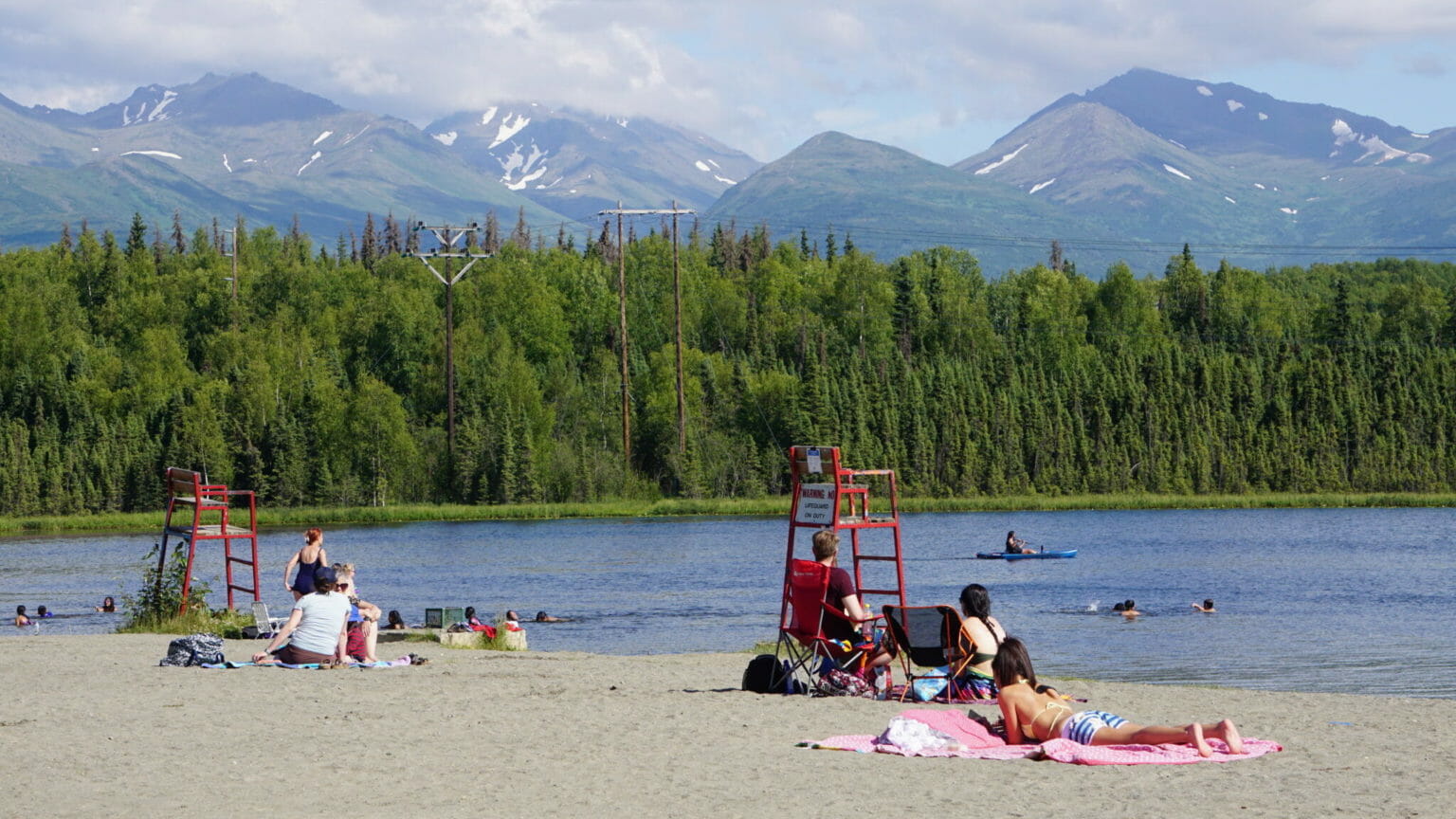
- If “right now” is summer (June-August): Yes, it is highly probable you could sweat, and potentially “sweat bad,” depending on your location, activity, and personal physiology. Interior cities like Fairbanks can experience warm, humid days where outdoor activities will lead to noticeable perspiration. Coastal areas will be cooler but can still be humid enough to make you feel clammy.
- If “right now” is spring or autumn (April-May, September-October): It’s possible, particularly during warmer, sunny days with increased physical activity. These shoulder seasons can offer a mix of conditions, and “sweating bad” is less likely than in summer but still achievable.
- If “right now” is winter (November-March): It is generally unlikely to “sweat bad” in the conventional sense due to heat. However, engaging in vigorous winter sports like cross-country skiing or snowshoeing can lead to sweating, which then needs to be managed to prevent chilling. The sweat might not feel “bad” in terms of heat discomfort but rather as a factor to be carefully managed for thermal regulation.
In conclusion, while Alaska’s reputation for cold is well-earned, it is a state of dynamic and varied climates. The question of sweating is not a simple yes or no but depends heavily on the season, the specific region within Alaska, the humidity, and the level of physical activity undertaken. For those visiting during the warmer months, or engaging in strenuous activities year-round, preparing for and managing perspiration is a practical consideration for maximizing comfort and enjoyment of the Alaskan experience.
LifeOutOfTheBox is a participant in the Amazon Services LLC Associates Program, an affiliate advertising program designed to provide a means for sites to earn advertising fees by advertising and linking to Amazon.com. Amazon, the Amazon logo, AmazonSupply, and the AmazonSupply logo are trademarks of Amazon.com, Inc. or its affiliates. As an Amazon Associate we earn affiliate commissions from qualifying purchases.