
Navigating the complexities of airline baggage fees can often feel like deciphering an ancient code. For travelers planning a journey with Alaska Airlines, understanding their checked bag policy is crucial for budgeting and packing efficiently. While many carriers have adopted stringent fee structures, Alaska Airlines presents a nuanced approach that merits a closer look. This guide aims to demystify their policies, offering clarity on when fees apply, how much they might cost, and strategies to potentially avoid them.
Alaska Airlines’ Checked Baggage Fee Structure
Alaska Airlines operates on a tiered system for checked baggage fees, with the cost varying based on several factors, including your fare class, frequent flyer status, and whether you are flying domestically or internationally. The general principle is that the first checked bag typically incurs a fee, with subsequent bags costing more. However, there are significant exceptions and benefits that can waive these charges.
Domestic Flights
For most standard domestic Economy class tickets on Alaska Airlines, travelers can expect to pay for their first checked bag. The standard fee for the first checked bag is generally around $35, and the second checked bag is typically $45. These fees are per person, per direction, meaning you’ll be charged for each leg of your journey. It is important to note that these prices are subject to change and can vary slightly depending on the specific route or promotional offers. Always verify the current fees on the Alaska Airlines website before your flight.
International Flights
International travel with Alaska Airlines often comes with a more generous baggage allowance, particularly on routes to Canada, Mexico, and other international destinations. For many of these routes, the first checked bag may be included in the ticket price, or the fee may be lower than for domestic travel. For instance, on routes to Mexico, the first checked bag might be around $30, and the second around $40. However, as with domestic flights, these allowances can vary, and it’s essential to confirm the specific policy for your international itinerary. Traveling to more distant international destinations may have different allowances, sometimes mirroring alliances with partner airlines.
Specific Fare Types
The type of ticket you purchase significantly impacts baggage fees. For example, the most basic “Saver” fares on Alaska Airlines are typically the least flexible and often do not include any checked baggage allowance, meaning you will likely incur fees from the first bag. Conversely, standard Economy, First Class, and premium cabin tickets may offer a more favorable baggage policy, sometimes including one or even two checked bags free of charge. Always review the fare rules associated with your specific ticket at the time of booking to understand exactly what is included.
Ways to Avoid Checked Bag Fees
Fortunately, Alaska Airlines offers several avenues for travelers to bypass checked bag fees, making it possible to fly with more convenience and less expense. Understanding these options can lead to considerable savings.
Elite Status with the Mileage Plan Program
The Alaska Airlines Mileage Plan is a loyalty program that rewards frequent flyers. Members who achieve elite status, particularly at the MVP, MVP Gold, and MVP Gold 100K tiers, often receive complimentary checked baggage. Typically, MVP members receive one free checked bag, while MVP Gold and MVP Gold 100K members enjoy two free checked bags on Alaska Airlines operated flights. This benefit is one of the most significant advantages of being a loyal customer and can add up to substantial savings for those who fly regularly.
Alaska Airlines Credit Cards
Alaska Airlines has partnered with Bank of America to offer co-branded credit cards, such as the Alaska Airlines Visa Signature Card. Many of these cards come with an annual companion fare benefit and, crucially, a checked bag benefit. Cardholders typically receive their first checked bag for free on Alaska Airlines flights. This benefit often extends to the cardholder and up to six other passengers on the same reservation, making it a highly valuable perk for families and groups traveling together. Be sure to check the specific terms and conditions of the card you choose, as benefits can vary.
Active Duty Military Personnel
Alaska Airlines extends a courtesy to active-duty military personnel by allowing them to check bags free of charge. This policy typically applies to members of the U.S. military and their dependents, up to a certain number of bags. Proof of military status is usually required at the airport. This thoughtful gesture acknowledges the service of military members and eases their travel burdens.
Specific Fare Classes and Promotions
While less common, some specific fare classes, particularly in premium cabins like First Class, may include a complimentary checked baggage allowance. Additionally, Alaska Airlines occasionally runs promotions or has specific partner agreements that might include free checked bags for certain routes or ticket types. Always scour the details of your booking and any promotional offers to see if this perk is included.
Bag Size and Weight Restrictions
Beyond fees, adhering to Alaska Airlines size and weight restrictions for checked baggage is paramount. Exceeding these limits can result in additional fees or even the refusal of your bag.
Standard Checked Bags
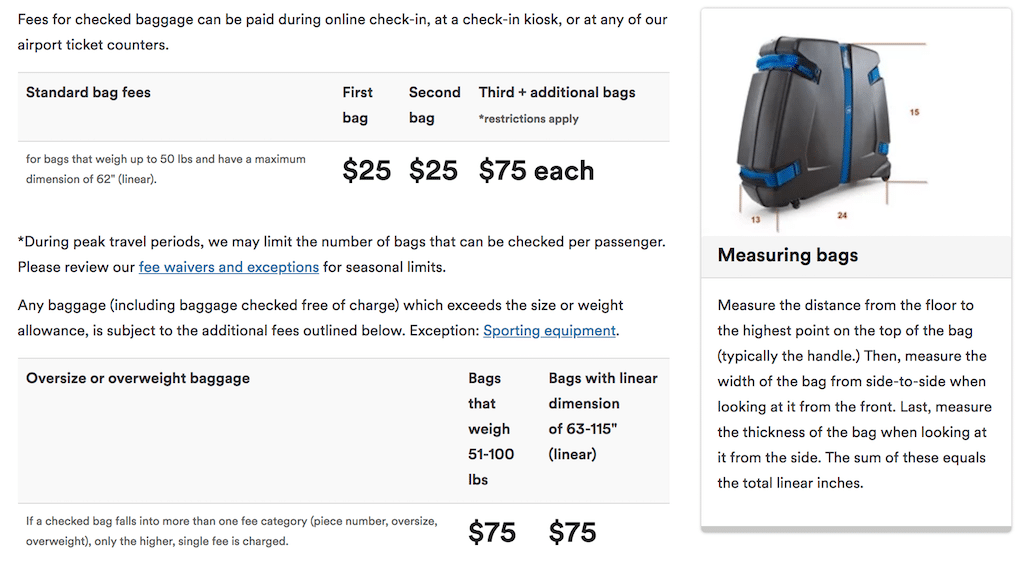
For domestic and most international flights, the standard maximum weight for a checked bag on Alaska Airlines is 50 pounds (23 kg). The maximum linear dimensions (length + width + height) for a checked bag are typically 62 inches (157 cm). Bags that exceed the weight limit will be subject to overweight baggage fees, which can be substantial. Bags that exceed the linear dimension limit will be considered oversized and may incur a higher fee or be treated as special baggage.
Oversized and Overweight Baggage
Alaska Airlines has specific policies and fees for bags that fall into the oversized or overweight categories. Overweight fees typically start for bags between 51 and 100 pounds (23-45 kg). Items exceeding 100 pounds (45 kg) are generally not accepted as checked baggage. Oversized items, typically those exceeding 62 linear inches (157 cm) but under 115 linear inches (292 cm), will incur a separate oversized baggage fee. It is crucial to consult the Alaska Airlines website for the most up-to-date fee structure for oversized and overweight items, as these can be significant and vary by route. Some items, like sporting equipment or musical instruments, may have specific allowances or fees.
Tips for Smart Packing and Fee Management
To ensure a smooth and cost-effective travel experience with Alaska Airlines, thoughtful packing and an understanding of their fee structure are key.
Pack Strategically
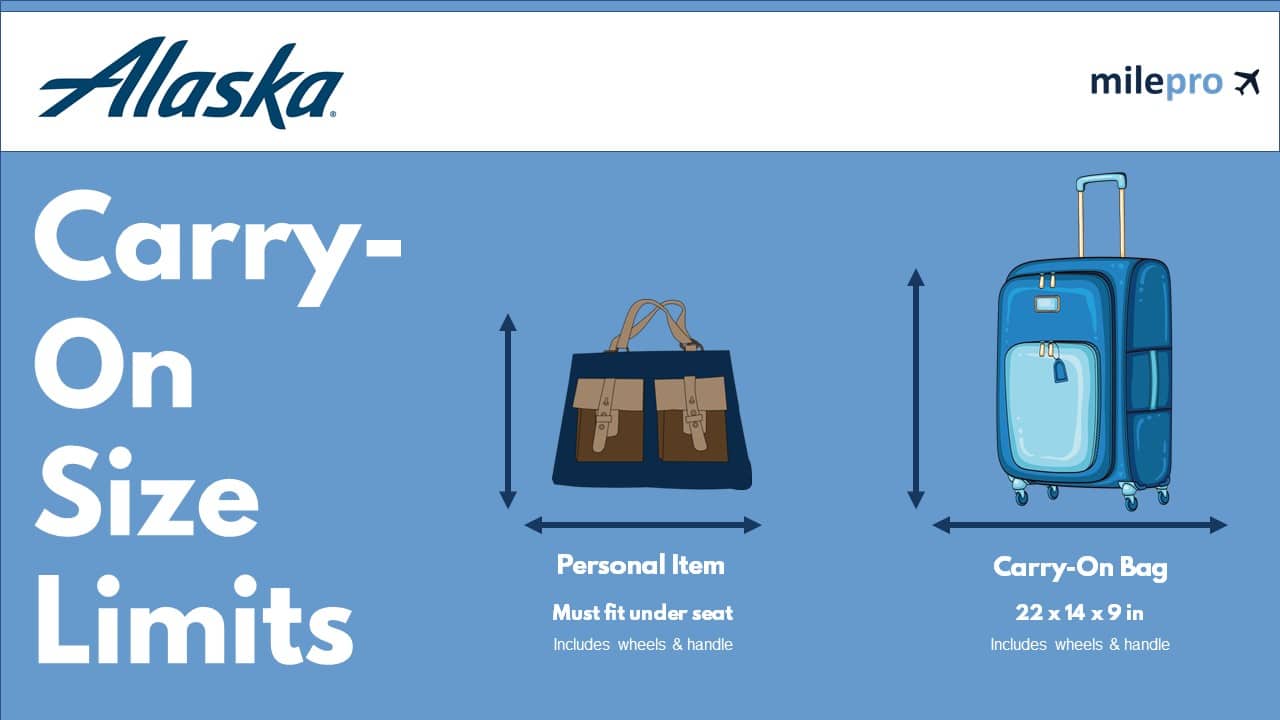
Before you even consider fees, optimize your packing. Utilize carry-on allowances to their fullest. Many personal items and standard carry-on bags can be brought onboard without charge, provided they meet Alaska Airlines dimension and quantity requirements. For checked luggage, consider consolidating items to avoid paying for multiple bags if possible. Packing cubes can help maximize space within a single bag. Weigh your bags at home before heading to the airport to avoid unexpected overweight charges.
Check Your Fare and Status
Always double-check the baggage allowance included with your specific fare at the time of booking. If you are a member of the Mileage Plan, ensure your status is correctly reflected in your booking. If you hold an Alaska Airlines co-branded credit card, make sure it’s linked to your reservation or that you have it with you. Understanding these elements upfront can prevent surprises at the check-in counter.
Consider the Overall Cost
When comparing flight options, remember to factor in the total cost, including baggage fees. A seemingly cheaper ticket might become more expensive once you add the cost of checked bags. By understanding Alaska Airlines policies and utilizing the available fee-waiver options, you can make informed decisions that align with your travel budget and needs. Whether flying to Seattle or further afield, a little planning goes a long way in managing baggage costs.
LifeOutOfTheBox is a participant in the Amazon Services LLC Associates Program, an affiliate advertising program designed to provide a means for sites to earn advertising fees by advertising and linking to Amazon.com. Amazon, the Amazon logo, AmazonSupply, and the AmazonSupply logo are trademarks of Amazon.com, Inc. or its affiliates. As an Amazon Associate we earn affiliate commissions from qualifying purchases.