
Moving to Alaska is a dream for many who seek adventure, solitude, and a life closer to nature. The Last Frontier, with its vast wilderness, unique culture, and resilient communities, offers a distinct way of life unlike anywhere else in the United States. This guide focuses on the practicalities and lifestyle considerations for those contemplating a permanent relocation to this extraordinary state.
Understanding Alaska: A Land of Extremes and Opportunities
Alaska is characterized by its immense size and its equally immense natural beauty, but also by its unique challenges and rewards. Understanding these fundamental aspects is crucial before making the leap.

Climate and Geography: Preparing for the Elements
Alaska’s climate is as varied as its landscapes, ranging from temperate coastal rainforests in the southeast to arctic tundra in the north.
- Southeast Alaska: This region, often called the “inside passage,” experiences a maritime climate with abundant rainfall, mild winters, and cool summers. Cities like Juneau and Ketchikan are located here. The dense forests and dramatic fjords are breathtaking.
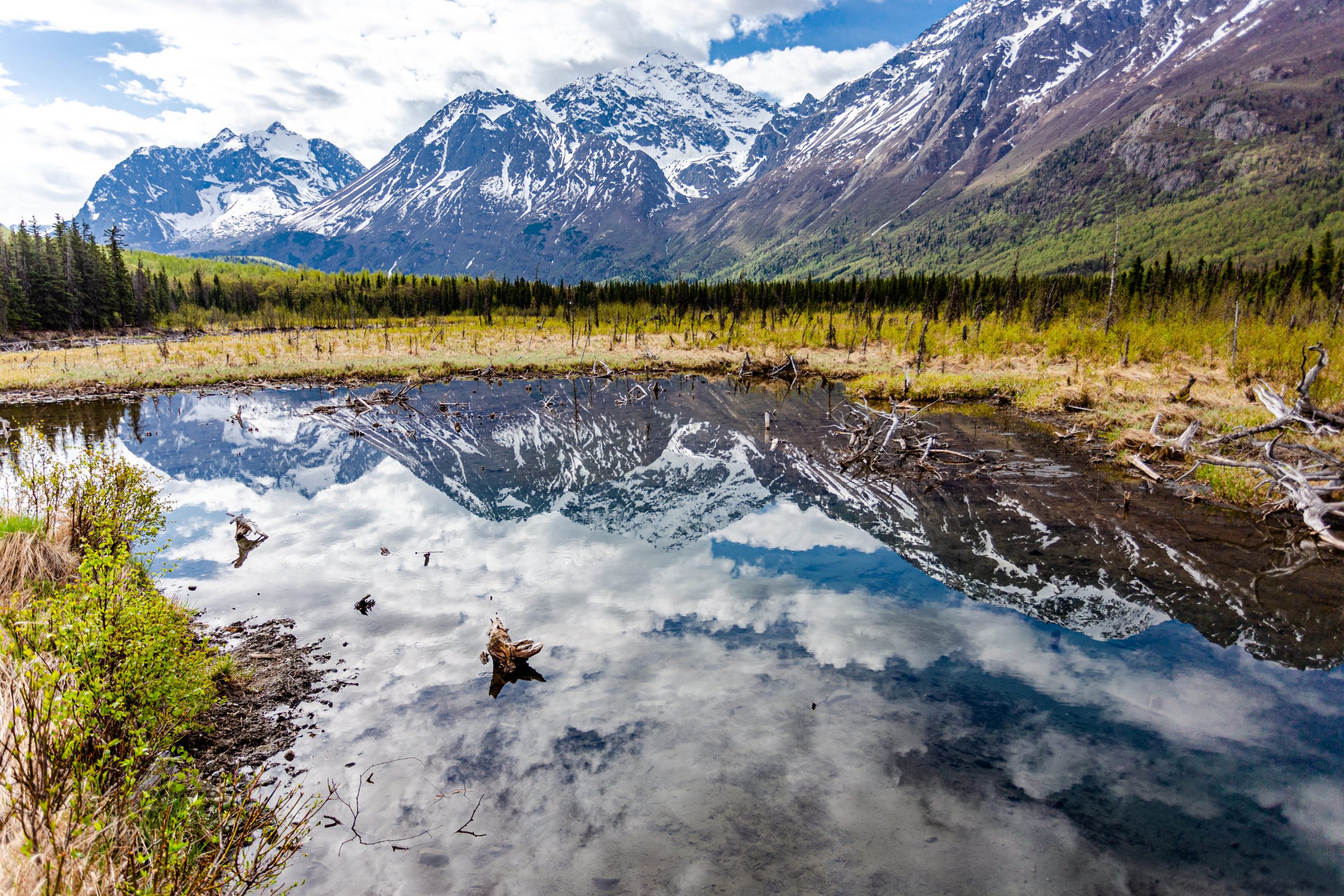
- Southcentral Alaska: This is the most populated region, home to Anchorage, the state’s largest city, and Fairbanks further inland. It experiences a continental climate with colder winters and warmer summers, though still significant snowfall. The Chugach Mountains and Denali National Park and Preserve are iconic features.
- Interior Alaska: Characterized by extreme temperature fluctuations, the Interior experiences very cold winters and warm summers. Fairbanks is a major hub. This is where you’ll find vast boreal forests and the longest rivers.
- Western Alaska: This region is dominated by tundra and coastal plains. Winters are long and cold, but generally milder than the Interior due to oceanic influence. Towns like Nome are situated here.
- Arctic Alaska: The northernmost part of the state is characterized by permafrost, treeless tundra, and extremely cold temperatures. Utqiagvik (formerly Barrow) is the northernmost city in the United States. The aurora borealis is a common sight here.
When considering a move, research the specific climate of the region you are interested in. This will impact everything from housing needs to clothing choices and your overall lifestyle.
Economy and Employment: Finding Your Niche
Alaska’s economy is diverse, driven by natural resources, government, and a growing service sector.
- Resource Industries: Historically, fishing, timber, and mining have been significant. The oil and gas industry, particularly on the North Slope, remains a major employer, although it has seen fluctuations.
- Government: As a state with a large landmass and federal presence, government jobs are a substantial part of the employment landscape.
- Tourism: A vital sector, especially during the summer months, employing many in hospitality, guiding, and transportation.
- Healthcare and Education: These sectors are essential in providing services to communities spread across the state.
- Small Businesses: Many Alaskans thrive by starting their own businesses, often catering to niche markets or fulfilling local needs.
Job prospects can vary significantly depending on the region and the season. Remote work is also becoming increasingly viable for some professions. It is advisable to secure employment or have a solid financial plan before relocating.
Cost of Living: Beyond the Mainland Comparison
The cost of living in Alaska can be higher than in the contiguous United States, primarily due to transportation costs for goods.
- Groceries: Expect higher prices for many food items, especially fresh produce, as they are often flown or shipped long distances.
- Housing: Housing costs vary greatly by region. Anchorage and Fairbanks generally have more affordable options than smaller, remote communities.
- Utilities: Heating costs, especially in the Interior and Arctic, can be substantial.
- Transportation: Owning and maintaining vehicles can be expensive due to road conditions and the need for specialized vehicles in some areas. Fuel costs also contribute.
However, Alaska’s Permanent Fund Dividend offers a unique benefit to residents, distributing a portion of the state’s oil revenues. While not enough to live on, it can help offset some of the higher costs.
Planning Your Relocation: Practical Steps for a Smooth Transition
Moving to a place as unique as Alaska requires careful planning and preparation. Here’s a breakdown of key steps to consider.
Securing Housing: Finding Your Alaskan Home
Finding a place to live is a primary concern. The availability and type of housing will differ greatly depending on your chosen location.
- Major Cities: In Anchorage, Fairbanks, and Juneau, you’ll find a range of options, from apartments and condos to single-family homes. Online listings and local real estate agents are your best resources.
- Smaller Towns and Remote Areas: Housing can be scarce and more expensive in remote communities. Availability might be limited to a few rentals or properties for sale. Some people opt for building their own homes, which requires significant planning and resources.
- Lease Agreements: Be sure to read rental agreements carefully, paying attention to heating costs, utility inclusions, and any specific clauses related to living in a harsh climate.
- Property Purchase: If you plan to buy, factor in potential challenges like accessibility for contractors and the cost of transporting building materials if you’re in a remote location.
Transportation: Getting Around the Last Frontier
Getting yourself and your belongings to Alaska is a significant undertaking.
- Driving: For many, driving is the preferred method for bringing personal vehicles and household goods. This involves traveling the Alaska Highway, a scenic but challenging route, especially in winter. It’s crucial to ensure your vehicle is in excellent condition and equipped for potential winter driving conditions.
- Shipping: You can ship vehicles and household goods via ocean freight to ports like Anchorage or Fairbanks. This is often more cost-effective for larger moves but takes longer.
- Flying: For personal travel and smaller items, flying is the most direct route. However, transporting significant amounts of belongings this way can be prohibitively expensive.
- Within Alaska: Once you’re settled, consider how you’ll get around. Many Alaskans rely on personal vehicles. In larger cities, public transportation exists but is not as extensive as in the Lower 48. For travel between communities, especially remote ones, air travel is often the only option. Consider the purchase of snowmobiles or ATVs for local transportation in some areas.
Essential Services and Utilities: Ensuring Comfort and Safety
Access to reliable services is vital for a comfortable life in Alaska.
- Internet and Phone: While improving, internet and phone service can be spotty and expensive in remote areas. Research providers in your chosen location.
- Electricity, Water, and Sewer: Most developed areas have these services. However, in very remote locations, you might need to consider alternatives like well water, septic systems, or generator power.
- Healthcare: Alaska has a network of hospitals and clinics, but access can be limited in smaller communities. Ensure you understand the nearest medical facilities and consider emergency preparedness. Providence Alaska Medical Center in Anchorage is a major facility.
- Education: If you have children, research school districts in your target area. Alaska has public, private, and homeschool options.
Embracing the Alaskan Lifestyle: What to Expect Beyond the Move
Life in Alaska is about more than just logistics; it’s about embracing a unique culture and a profound connection with the natural world.
Community and Culture: The Alaskan Spirit
Alaskan communities are often tight-knit, built on resilience, self-reliance, and a shared appreciation for their surroundings.
- Neighborly Support: In smaller towns, neighbors often rely on each other, especially during the long winter months. This can manifest in shared resources, helping with chores, or simply offering companionship.
- Outdoor Recreation: Alaskans are passionate about the outdoors. Activities like hiking, fishing, hunting, skiing, snowshoeing, and camping are integral to the lifestyle.
- Local Events: Throughout the year, communities host events that celebrate Alaskan culture, from dog sled races like the Iditarod Trail Sled Dog Race to harvest festivals and art shows.
- Indigenous Heritage: Alaska is home to diverse and vibrant Indigenous cultures, including the Alaska Native peoples. Understanding and respecting this heritage is an important part of living in the state.
Preparing for the Seasons: Adapting to the Rhythm of Nature
Alaska’s distinct seasons dictate much of daily life.
- Winter: The long, dark winters require preparation. Stocking up on supplies, ensuring your home is well-insulated and heated, and embracing indoor activities are key. Many people learn new skills, engage in crafts, or enjoy winter sports. The aurora borealis is a spectacular reward for braving the cold.
- Spring: As the snow melts, the landscape transforms. This is a time for planning summer activities and beginning outdoor projects.
- Summer: The “midnight sun” of summer brings long daylight hours, which are fully utilized for outdoor adventures, gardening, and enjoying the brief but vibrant warm season. Fishing, camping, and exploring the vast wilderness are popular pastimes.
- Autumn: A beautiful season marked by fall colors and a sense of preparation for winter. Hunting and fishing seasons are often at their peak.

Building Resilience: A Mindset for the North
Moving to Alaska is not for the faint of heart. It requires adaptability, a willingness to learn, and a strong sense of self-reliance. You will likely face challenges, from logistical hurdles to extreme weather. However, the rewards—unparalleled natural beauty, a sense of accomplishment, and a unique connection to the land—can be profoundly fulfilling. Embrace the adventure, be prepared, and you might just find your true home in the Last Frontier.
LifeOutOfTheBox is a participant in the Amazon Services LLC Associates Program, an affiliate advertising program designed to provide a means for sites to earn advertising fees by advertising and linking to Amazon.com. Amazon, the Amazon logo, AmazonSupply, and the AmazonSupply logo are trademarks of Amazon.com, Inc. or its affiliates. As an Amazon Associate we earn affiliate commissions from qualifying purchases.