
Alaska, a land of breathtaking extremes, offers a unique spectacle of light that profoundly influences its natural beauty and the experiences of those who visit. The question of “how many hours of light in Alaska?” is not a simple one, as it varies dramatically by season and location. Understanding these shifts is crucial for planning any trip to the Last Frontier, whether you’re chasing the ethereal glow of the Northern Lights in winter or embracing the perpetual daylight of summer. This guide delves into the fascinating diurnal variations across this vast and majestic state, offering insights for every traveler.
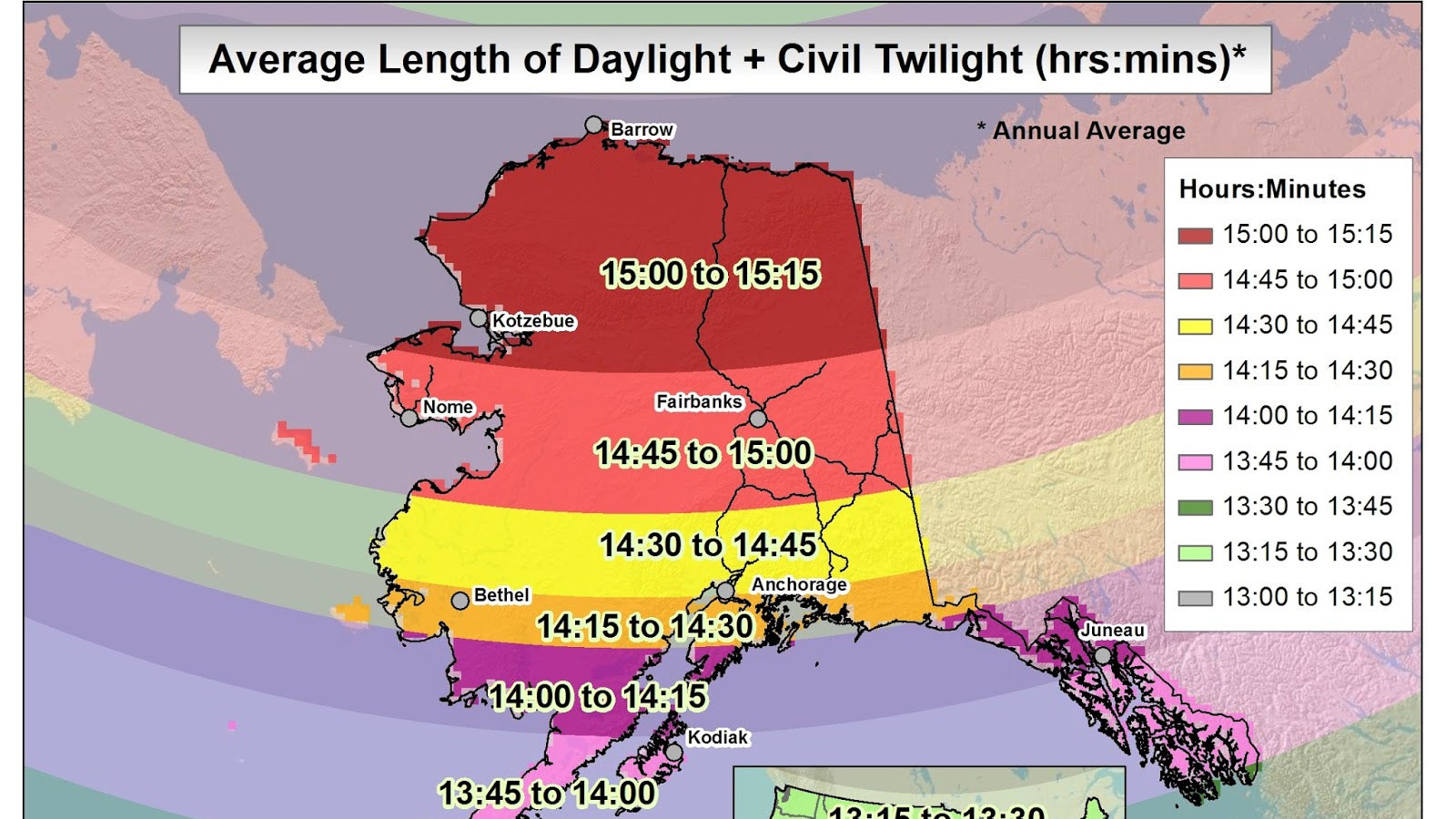
The Rhythmic Dance of Sun and Shadow
Alaska’s proximity to the Arctic Circle is the primary driver behind its dramatic seasonal changes in daylight. Unlike the contiguous United States, Alaska experiences periods of continuous daylight and prolonged darkness, creating a living calendar that dictates everything from wildlife migrations to local festivals.
Summer Solstice: The Midnight Sun
The peak of daylight occurs around the summer solstice, typically on June 20th or 21st. In many parts of Alaska, this translates to the phenomenon known as the “Midnight Sun.”
Fairbanks and Interior Alaska
Cities like Fairbanks, located well within the Arctic Circle, experience nearly 24 hours of daylight during late June. The sun dips towards the horizon but never truly sets, casting a soft, golden glow for extended periods. This offers travelers an unparalleled opportunity to explore attractions, hike trails, and enjoy outdoor activities well into what would traditionally be considered night. The extended daylight allows for a more immersive experience of the Alaskan wilderness, providing ample time to witness the state’s stunning natural landscapes, from rolling tundra to majestic mountain ranges. The feeling of having an endless day can be both invigorating and disorienting, a true testament to Alaska’s unique geography. Many local businesses and tour operators extend their operating hours, catering to the increased daylight and visitor interest.
Anchorage and Southcentral Alaska
Further south, in Anchorage, the days are slightly shorter but still remarkably long. Around the summer solstice, Anchorage can expect roughly 19 to 20 hours of daylight. While the sun does set, the twilight period is so extended that it often feels like perpetual dawn or dusk. This provides ample time for city exploration, day trips to nearby national parks like Denali National Park and Preserve, or enjoying the numerous festivals and outdoor markets that bloom during the warmer months.
Coastal and Southeast Alaska
Even in areas like Juneau and Ketchikan, renowned for their rainforests and proximity to the Inside Passage, the summer days are long. Expect around 18 to 19 hours of daylight. This extended illumination enhances the vibrant greens of the temperate rainforests and provides ample opportunities for wildlife viewing, kayaking, and exploring the charming coastal towns.
Winter Solstice: The Polar Night
Conversely, the winter solstice, around December 21st or 22nd, marks the shortest days of the year, leading to periods of prolonged darkness. This is when Alaska truly embraces its reputation as the land of the Northern Lights.
Fairbanks and Interior Alaska
In Fairbanks, the winter solstice brings a mere 3 to 4 hours of civil twilight. The sun appears as a brief, dim disc on the horizon, offering minimal direct light. However, this scarcity of sunlight is precisely what makes it an ideal destination for aurora viewing. The extended darkness provides the perfect canvas for the dazzling displays of the Aurora Borealis. Many visitors travel to Fairbanks specifically during these months to experience this celestial phenomenon.
Anchorage and Southcentral Alaska
Anchorage experiences approximately 5 to 6 hours of daylight around the winter solstice. While still short, this is considerably more than the interior and offers a slightly more manageable experience for those not solely focused on aurora hunting. The city remains active, with winter sports and holiday festivities providing ample entertainment.

Coastal and Southeast Alaska
Coastal regions like Juneau receive slightly more daylight, around 6 to 7 hours, due to their more southerly latitude compared to the interior. While the days are short and often overcast, the dramatic landscapes are still accessible for exploration.
Seasonal Transition: Spring and Autumn Light
The shoulder seasons of spring and autumn offer a more balanced experience of daylight, bridging the extremes of summer and winter.
Spring Equinox: Returning Light
As winter recedes, the spring equinox around March 20th or 21st brings a noticeable increase in daylight hours. Days lengthen progressively, bringing renewed energy to the landscape and its inhabitants. In Fairbanks, daylight hours can jump from around 10 hours in early March to nearly 13 hours by the end of the month. This period is often characterized by melting snow, returning migratory birds, and a sense of awakening in the wilderness.
Autumn Equinox: Waning Glow
The autumn equinox, around September 22nd or 23rd, signals the gradual return of longer nights. As summer’s perpetual daylight fades, the skies begin to darken earlier each day, again increasing the chances of witnessing the Northern Lights. By late September, Fairbanks can expect around 12 hours of daylight, gradually decreasing as winter approaches. This season is often celebrated for its vibrant fall colors and the crisp, clear air that precedes the deep freeze.
Planning Your Alaskan Adventure Around Daylight
Understanding Alaska’s daylight hours is fundamental to crafting an unforgettable itinerary.
Summer Travel: Embracing the Endless Day
If your priority is maximizing outdoor exploration, fishing, hiking, or wildlife viewing, visiting during the summer months, particularly from May through August, is ideal. The extended daylight hours allow for a flexible schedule, enabling you to pack more activities into each day. Many popular attractions and tours operate at their fullest capacity during this time. Consider a cruise along the Inside Passage or exploring the vast interior national parks. Be prepared for longer days and potentially warmer weather, though always pack layers as Alaskan weather can be unpredictable.
Winter Travel: Chasing the Aurora and Winter Wonders
For those drawn to the magic of the Northern Lights, winter is the prime time to visit. The period from late August to April offers the best chances, with the darkest months between November and February providing the most consistent viewing opportunities. Cities like Fairbanks are popular hubs for aurora tours and winter activities such as dog sledding and snowmobiling. While daylight is limited, the experience is deeply immersive, offering a starkly beautiful contrast to the summer months. Embrace the cozy indoors, enjoy the crisp winter air, and prepare for the celestial dance above.
Shoulder Season Travel: A Balanced Experience
The spring and fall months offer a unique blend of experiences. In spring, you can witness the thaw and the reawakening of nature, often with fewer crowds than in peak summer. In autumn, the stunning fall foliage, coupled with the increasing likelihood of aurora sightings, makes it a photographer’s paradise. These seasons can also offer more moderate pricing for flights and accommodations, making them attractive options for budget-conscious travelers.

Beyond the Numbers: The Alaskan Experience
The hours of daylight in Alaska are more than just numbers; they are the rhythm of life in this extraordinary place. They shape the behavior of animals, the traditions of its people, and the very character of the landscape. Whether bathed in the golden hues of the midnight sun or cloaked in the deep, star-studded darkness of winter, Alaska offers a profound connection to the natural world. By understanding and appreciating the unique diurnal cycle, travelers can unlock the full magic of this captivating frontier, experiencing its beauty in every season, under every kind of sky.
LifeOutOfTheBox is a participant in the Amazon Services LLC Associates Program, an affiliate advertising program designed to provide a means for sites to earn advertising fees by advertising and linking to Amazon.com. Amazon, the Amazon logo, AmazonSupply, and the AmazonSupply logo are trademarks of Amazon.com, Inc. or its affiliates. As an Amazon Associate we earn affiliate commissions from qualifying purchases.