
While the allure of the Last Frontier draws adventurers, nature enthusiasts, and those seeking unparalleled wilderness experiences, it’s crucial to approach travel in Alaska with a thorough understanding of its unique challenges. One aspect that often surfaces in discussions about Alaska is the phenomenon of people going missing. Understanding the statistics and the contributing factors is not about deterring travel but about promoting informed and responsible exploration of this magnificent, yet formidable, state.
The Scope of Missing Persons in Alaska
The question of how many people go missing in Alaska each year is complex, with varying figures reported by different agencies and at different times. Official statistics often depend on how cases are categorized and the timeframe for reporting. However, it is widely acknowledged that Alaska has a higher per capita rate of missing persons than most other U.S. states. This is not to say that Alaska is inherently more dangerous for tourists than other destinations, but rather that the factors contributing to disappearances are amplified by the state’s vast, remote, and often unforgiving environment.

Understanding the Data
It’s important to differentiate between missing persons reports filed by law enforcement and unresolved cold cases. Law enforcement agencies, such as the Alaska State Troopers, regularly compile data on open missing persons cases. These numbers fluctuate annually based on new reports, the successful resolution of cases, and the rate at which individuals are found. The Alaska Bureau of Investigation, part of the Department of Public Safety, plays a key role in coordinating efforts to locate missing individuals.
While specific year-end totals can vary, reports have indicated that the number of open missing persons cases in Alaska can range in the hundreds, with some historical analyses suggesting figures that place the state significantly above the national average. For instance, analyses of data over several years have often highlighted that Alaska might have a per capita rate of missing persons that is several times higher than the national average. This stark reality underscores the need for a deeper dive into why this situation persists in such a popular travel destination.
Factors Contributing to Higher Rates
Several interwoven factors contribute to the elevated number of missing persons in Alaska. These are not unique to tourists but affect residents and visitors alike, though tourists, being less familiar with the environment, may be more vulnerable.
The Vastness and Remoteness of the Landscape
Alaska is the largest state in the U.S. by area, yet it has a very small population. This means vast expanses of wilderness are sparsely populated and incredibly remote. Areas like the Brooks Range, the Yukon-Kuskokwim Delta, and the Tongass National Forest can be hundreds of miles from the nearest town or emergency services. When someone becomes lost or injured in these regions, the chances of swift discovery are significantly diminished. Search and rescue operations in such terrain are logistically complex, resource-intensive, and often hampered by weather.
Extreme Environmental Conditions
The Alaskan climate is notoriously challenging. Extreme cold, heavy snowfall, dense fog, high winds, and limited daylight hours, particularly during winter, can pose significant dangers. A lost hiker in summer might face hypothermia if unprepared, while a lost snowmobiler in winter faces even more immediate threats from the elements. The unpredictability of weather systems can rapidly turn a scenic outing into a survival situation.
Activities in Remote Areas
Many visitors come to Alaska specifically for outdoor adventures that take them far from established trails and settlements. Activities such as backcountry skiing, mountaineering in ranges like the Chugach Mountains, extensive hiking, kayaking in remote fjords, and accessing remote fishing lodges all carry inherent risks. While guides and established operators prioritize safety, the possibility of accidents, equipment failure, or navigational errors in remote settings remains.
Unintentional Disorientation
Even experienced outdoorspeople can become disoriented. In Alaska, factors like the magnetic declination of the compass, which can differ significantly from what is experienced in lower latitudes, can affect navigation. Furthermore, the sheer similarity of some landscapes can lead to confusion. A seemingly clear path can disappear, or landmarks can be obscured by fog or snow, leading to a gradual and terrifying realization of being lost.
Human Factors and Preparedness
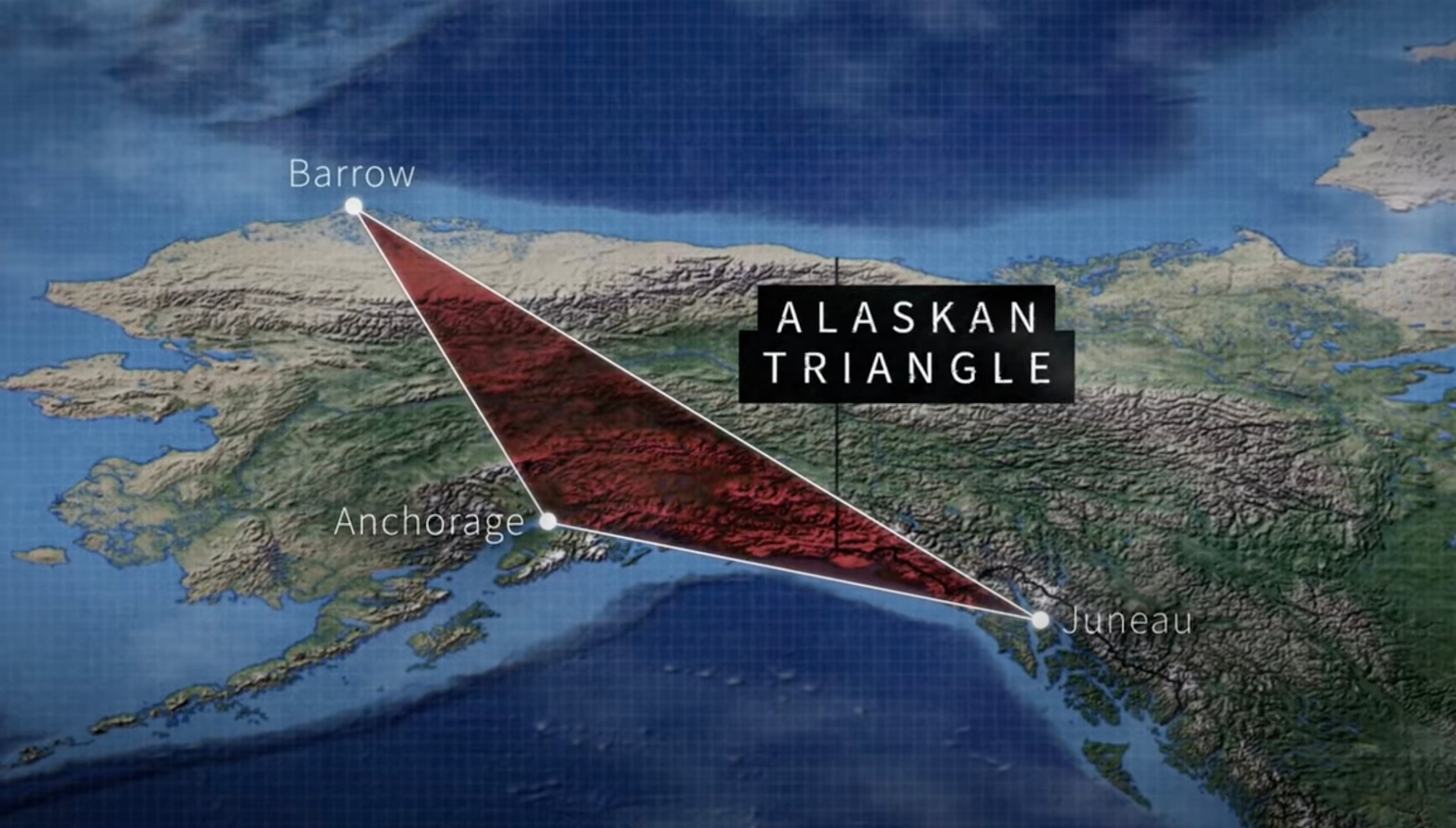
While the environment plays a significant role, human factors are also critical. This includes underestimating the challenges of the Alaskan wilderness, inadequate preparation (e.g., insufficient gear, lack of navigation tools, not informing others of one’s plans), and sometimes, individuals venturing into dangerous areas without proper training or supervision. For tourists, a lack of familiarity with the local conditions and wildlife can also contribute to risky situations.
Beyond Statistics: The Human Element of Missing Persons
It is crucial to remember that behind every statistic is a human story. The individuals who go missing in Alaska are not just numbers; they are family members, friends, and fellow travelers. Their disappearances have a profound impact on those left behind, often leaving a void of uncertainty and grief.
The Role of Search and Rescue
Alaska has a dedicated network of highly skilled and brave search and rescue (SAR) teams. These volunteers and professionals often work under incredibly difficult conditions, utilizing aircraft, snowmobiles, boats, and their own endurance to cover vast and challenging terrains. Their efforts are a testament to the community’s commitment to finding those lost. However, even the most skilled SAR teams face limitations dictated by resources, weather, and the sheer scale of the search areas.
Types of Missing Persons Cases
The cases of missing persons in Alaska can broadly fall into several categories, although the lines can blur:
- Lost or Stranded Individuals: This is perhaps the most common category, involving hikers, hunters, fishermen, or recreational users who become disoriented, injured, or stranded due to weather or equipment failure.
- Accidental Deaths: Sadly, some individuals may perish due to accidents in the wilderness – falls, drowning, or exposure – and their remains may not be immediately found.
- Intentional Disappearances: While less common, some individuals may deliberately choose to disappear.
- Criminal Activity: In rare instances, disappearances may be linked to foul play.
Navigating Alaska Safely: Tips for Travelers
Understanding the statistics surrounding missing persons in Alaska should serve as a catalyst for enhanced preparedness, not fear. The vast majority of visitors have safe and incredible experiences. Responsible travel is key to enjoying the wild beauty of this state.
Comprehensive Trip Planning
- Research Your Destination: Understand the specific environmental conditions, potential hazards, and local regulations of the areas you plan to visit.
- Inform Others of Your Itinerary: Always leave a detailed itinerary with a trusted friend or family member, including your expected return time. This should include your intended routes, lodging, and contact information.
- Check Weather Forecasts Religiously: Alaska weather can change rapidly. Stay updated on forecasts and be prepared to alter your plans if conditions deteriorate.
- Pack Appropriately: This includes layers of clothing for varying temperatures, waterproof and windproof outer shells, sturdy footwear, a first-aid kit, navigation tools (map, compass, GPS device), and sufficient food and water. Consider carrying a satellite communication device for areas with no cell service.
Choosing Guided Tours and Activities
For those less experienced with wilderness travel, opting for guided tours is a highly recommended approach. Reputable tour operators in Anchorage, Juneau, Fairbanks, and other gateway cities possess intimate knowledge of the local terrain, weather patterns, and safety protocols. They are equipped to handle unforeseen circumstances and ensure a higher level of safety for their clients. This is particularly true for activities like glacier trekking, bear viewing tours, or multi-day backcountry expeditions.
Understanding Wildlife Encounters
Alaska is home to magnificent wildlife, including bears, moose, and wolves. While encounters are often a highlight of a trip, they also pose risks. Always maintain a safe distance, never feed wildlife, and carry bear spray when hiking in bear country, knowing how to use it. Heeding local advice and signage regarding wildlife activity is paramount.

Staying Connected and Prepared for Emergencies
- Carry Communication Devices: Even if cell service is unreliable, consider renting or bringing a satellite phone or personal locator beacon (PLB). These devices can be lifesavers in remote areas.
- Learn Basic Survival Skills: For those venturing into the backcountry, a basic understanding of navigation, shelter building, and first aid can be invaluable.
- Respect Your Limits: Do not push yourself beyond your physical capabilities. It is always better to err on the side of caution and turn back if a situation feels unsafe.
The number of people who go missing in Alaska each year is a stark reminder of the power and wildness of this incredible landscape. By understanding the contributing factors and prioritizing meticulous preparation and responsible decision-making, travelers can significantly mitigate risks and ensure their Alaskan adventure is a safe and unforgettable experience. The beauty of Alaska is best savored with respect for its formidable, untamed spirit.
LifeOutOfTheBox is a participant in the Amazon Services LLC Associates Program, an affiliate advertising program designed to provide a means for sites to earn advertising fees by advertising and linking to Amazon.com. Amazon, the Amazon logo, AmazonSupply, and the AmazonSupply logo are trademarks of Amazon.com, Inc. or its affiliates. As an Amazon Associate we earn affiliate commissions from qualifying purchases.