
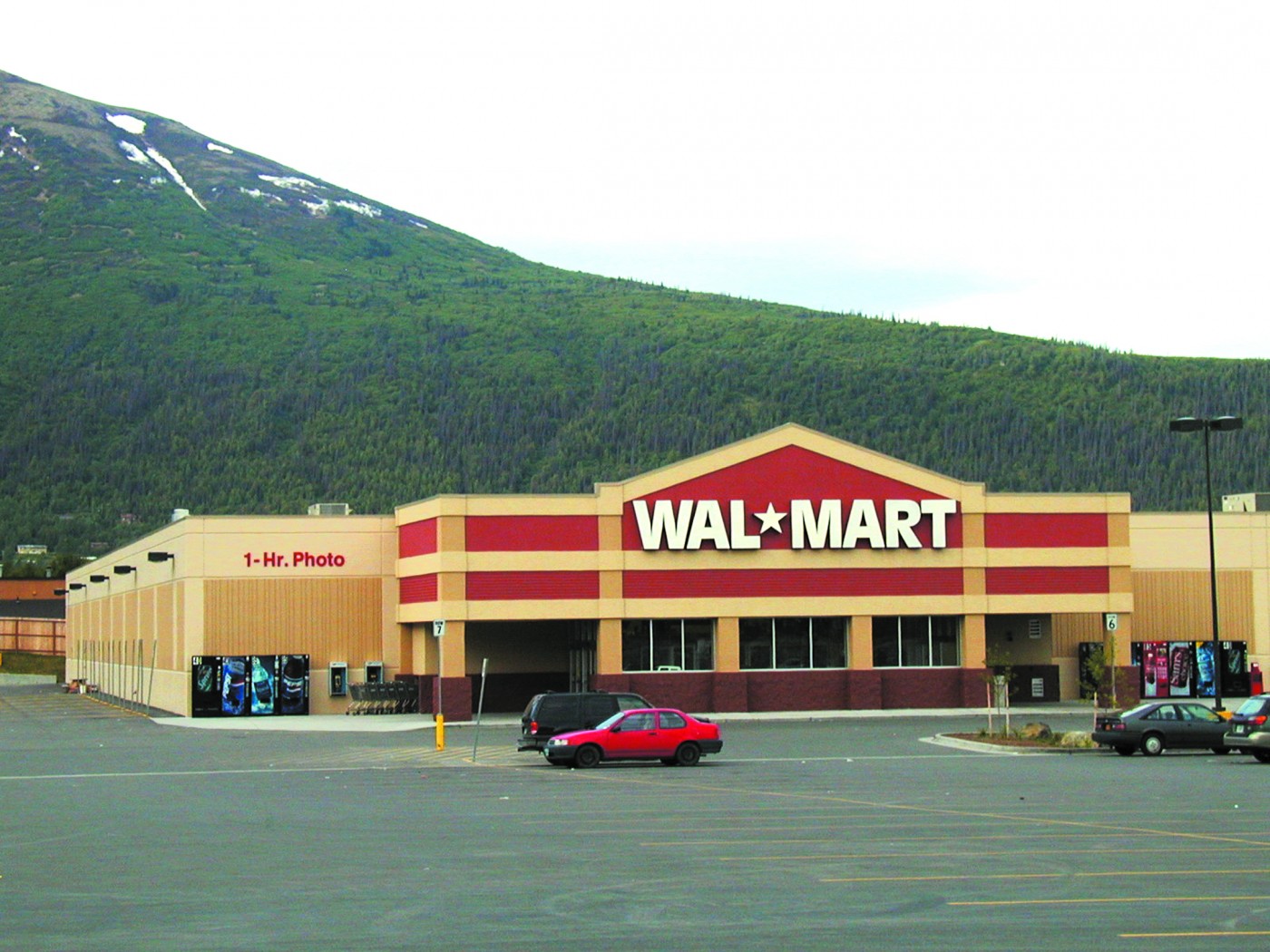
For many travelers, a visit to a Walmart is a familiar touchstone in an unfamiliar landscape. Whether stocking up on essentials for an Alaskan adventure, seeking a last-minute souvenir, or simply curious about the retail footprint in the Last Frontier, the question of Walmart’s presence in Alaska is a common one. While not as ubiquitous as in the contiguous United States, Walmart plays a significant role in the retail ecosystem of America’s largest state, serving communities from the coastal regions to the interior. This exploration delves into the number of Walmarts in Alaska, their strategic placement, and what their existence signifies for both residents and visitors to this unique destination.
The Retail Landscape of Alaska
Alaska presents a unique set of challenges and opportunities for any retail giant. Its vast size, sparse population, and challenging climate necessitate a different approach to logistics and store placement compared to more densely populated states. For Walmart, establishing a presence here meant navigating these complexities to serve a dispersed customer base. The company’s strategy in Alaska reflects an understanding of the state’s distinct geography and the varying needs of its communities.
Distribution and Accessibility
The limited number of Walmart locations in Alaska is a direct consequence of its population distribution. The vast majority of Alaskans live in a few key urban centers, with large expanses of wilderness in between. This geographical reality means that Walmart stores are primarily concentrated in the cities that serve as regional hubs. This strategic placement ensures accessibility for the largest segments of the population while acknowledging the logistical hurdles of reaching remote areas. For travelers, this means understanding that while a Walmart might be a convenient stop in Anchorage or Fairbanks, it is unlikely to be found in smaller, more isolated towns. This can influence travel planning, particularly for those embarking on extensive road trips or venturing into the more remote parts of the state.
Economic Impact and Community Role
Beyond providing goods, Walmart stores in Alaska contribute to the local economy through employment and by offering a wide range of products at competitive prices. For many Alaskan communities, especially those that may not have a broad selection of retail options, a Walmart serves as a crucial resource. It allows residents to purchase necessities, clothing, and household items without having to travel long distances or rely on more expensive, specialized stores. This economic role is particularly important in a state where the cost of living can already be high due to transportation and logistical challenges. Travelers may find that these stores are not just places to buy supplies but also reflections of the community’s needs and economic drivers.
The Specific Number: A Count of Alaskan Walmarts
As of recent data, Alaska is home to a specific number of Walmart Supercenters and Discount Stores. The precise count has remained relatively consistent over the past few years, reflecting a stabilized market presence.
Key Locations and Store Formats
The Walmart presence in Alaska is characterized by a limited number of large-format Supercenters, which combine grocery offerings with general merchandise, and potentially a smaller number of Discount Stores. These larger stores are strategically positioned to maximize their reach within the state’s primary population centers.
-
Anchorage: As the most populous city in Alaska, Anchorage typically hosts multiple Walmart locations, including Supercenters. These stores are essential for the city’s residents and serve as a major retail hub for the surrounding region. Travelers passing through or staying in Anchorage will find these locations convenient for stocking up on provisions for trips to Denali National Park and Preserve or for any other Alaskan excursions.
-
Fairbanks: Located in the interior of the state, Fairbanks is another significant population center and a gateway to the northern regions. It also boasts at least one prominent Walmart Supercenter, catering to the needs of its residents and the many tourists who pass through en route to destinations like the Arctic Circle or the Aurora Borealis.
-
Juneau: While Juneau, the state capital, is a major city, its accessibility is primarily by air or sea, which presents different logistical challenges for large retailers. Historically, Juneau has had fewer big-box store options compared to Anchorage and Fairbanks, and the presence of a Walmart might be limited or non-existent depending on current operations. Travelers visiting Juneau should research retail availability beforehand.
-
Other Communities: Beyond these primary cities, Walmart presence diminishes significantly. Some mid-sized communities might host a Walmart if their population and economic activity warrant it, but these are less common. For instance, towns like Wasilla or Palmer in the Matanuska-Susitna Valley might have Walmart stores due to their proximity to Anchorage and their growing populations.

The exact number of Walmart stores in Alaska fluctuates slightly with new openings or closures, but it generally hovers in the single digits, with a focus on the most populated areas. This makes them important points of reference for anyone planning a trip that involves extensive travel across the state.
Planning Your Alaskan Trip with Walmart in Mind
For travelers, understanding the distribution of Walmart stores in Alaska can be an integral part of trip planning. It influences how one packs, budgets, and navigates the state.
Strategic Stops for Supplies
When embarking on an Alaskan adventure, whether it’s for camping, fishing, hiking, or simply exploring, having access to essential supplies can be crucial. Walmart stores in Anchorage, Fairbanks, and potentially other larger towns serve as excellent starting points for stocking up. These stores offer a wide array of outdoor gear, clothing suitable for varying Alaskan weather conditions, camping equipment, and groceries. For those flying into cities like Anchorage and then renting a vehicle for a road trip, a stop at Walmart shortly after arrival can be a cost-effective way to acquire items that might be more expensive or difficult to find in smaller, more remote locations.
Budgeting and Savings
Alaska is known for its high cost of living, and this extends to the price of goods. Walmart’s reputation for offering affordable prices makes its stores valuable resources for budget-conscious travelers. By purchasing items like snacks, water, sunscreen, insect repellent, and even basic clothing at Walmart, travelers can significantly reduce their overall trip expenses. This is particularly relevant for longer stays or for families traveling with children, where the cost of consumables can quickly add up.
Navigating Remote Areas
It is important for travelers to be realistic about the availability of large retail chains like Walmart when venturing beyond the main population centers. Once you leave Anchorage or Fairbanks, the retail landscape shifts dramatically. Smaller towns will have local general stores, which are often charming and offer a unique glimpse into Alaskan life, but may have a more limited selection and higher prices. Planning ahead and identifying the locations of Walmart stores along your intended route can prevent last-minute scrambles for essential items. Utilizing online maps and store locators before you depart is a wise strategy. For instance, if your itinerary includes a drive along the Alaska Highway or a visit to the Kenai Peninsula, knowing the Walmart locations in communities like Soldotna or Kenai can be invaluable.
Beyond Walmart: The Broader Retail Ecosystem
While the presence of Walmart is a significant factor for many, it’s essential to recognize that Alaska possesses a diverse retail ecosystem that extends far beyond this single retailer. Understanding this broader context enriches the travel experience and provides a more complete picture of the state’s economy and lifestyle.
Local Stores and Specialty Shops
In many Alaskan communities, local businesses form the backbone of the retail sector. From general stores in small villages to independent outfitters in adventure hubs, these establishments offer unique products and a personal touch. Supporting these local businesses not only provides travelers with authentic souvenirs and specialized gear but also contributes directly to the Alaskan economy and its communities. For example, in towns like Homer, known for its vibrant arts scene and fishing culture, you’ll find a plethora of independent galleries, craft shops, and tackle stores that offer a distinctively Alaskan experience.
The Role of Online Retail and Mail Order
Given the vast distances and limited brick-and-mortar options in some areas, online retail and mail-order services play a vital role for both Alaskans and visitors planning for remote excursions. Many Alaskans rely on online shopping for a wider selection and potentially lower prices, with delivery to their doorsteps being a significant convenience. Travelers might also use these services to pre-order items or have them shipped directly to their accommodation or a designated pick-up point in advance of their arrival. This digital infrastructure helps bridge the gaps left by the physical retail footprint.
The Unique Alaskan Consumer
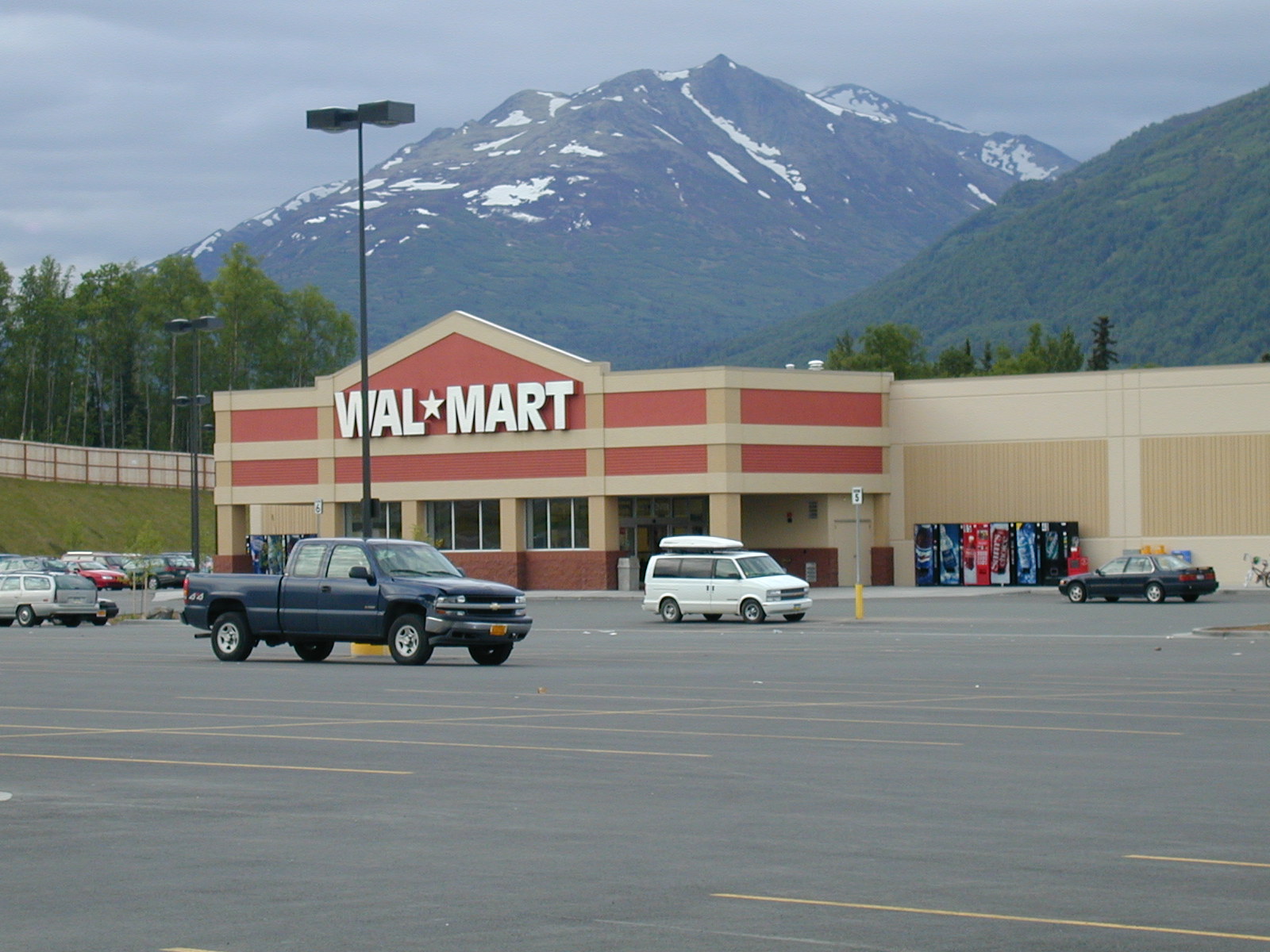
Alaskans are often highly resourceful consumers, accustomed to planning ahead and making do with what’s available. This can translate into a pragmatic approach to shopping, whether at a Walmart or a local co-op. Travelers can learn from this by being well-prepared and understanding that while modern conveniences exist, adaptability and foresight are key to a smooth experience in the Last Frontier. The limited number of Walmarts in Alaska is not a sign of decline but rather a reflection of the unique geographical and demographic realities that shape retail operations in this magnificent state.
LifeOutOfTheBox is a participant in the Amazon Services LLC Associates Program, an affiliate advertising program designed to provide a means for sites to earn advertising fees by advertising and linking to Amazon.com. Amazon, the Amazon logo, AmazonSupply, and the AmazonSupply logo are trademarks of Amazon.com, Inc. or its affiliates. As an Amazon Associate we earn affiliate commissions from qualifying purchases.