
Alaska, a land of unparalleled natural grandeur, is perhaps most famously known for its dramatic seasonal variations in daylight. The sheer scale of this phenomenon is a defining characteristic of the Last Frontier, drawing visitors who seek to experience the ethereal glow of the midnight sun or the profound stillness of polar night. Understanding the amount of daylight in Alaska is crucial for any traveler planning an itinerary, as it directly impacts the feasibility of activities, the visual spectacle of the landscape, and the overall mood and experience of a visit. From the bustling streets of Anchorage to the remote wilderness of Denali National Park, the sun’s presence, or absence, orchestrates the rhythm of life and tourism.
The Science of Alaskan Daylight Extremes
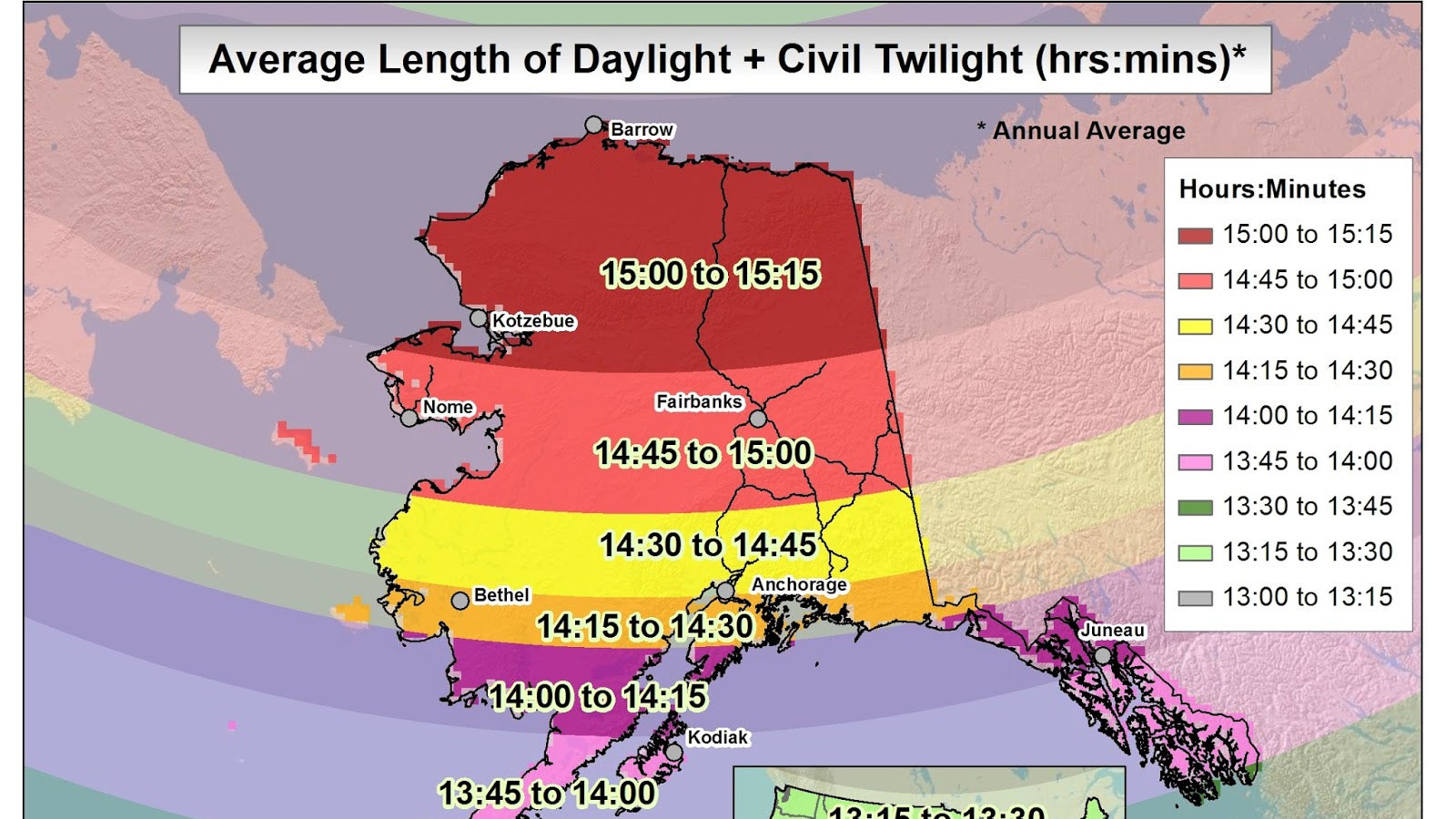
Alaska’s extraordinary daylight patterns are a direct consequence of its high latitude, situated well above the Arctic Circle for much of its expanse. The Earth’s axial tilt of approximately 23.5 degrees, combined with its orbit around the sun, causes different parts of the planet to receive varying amounts of direct sunlight throughout the year. At latitudes closer to the equator, the length of day and night remains relatively consistent, fluctuating by only a few hours. However, as one moves towards the poles, these fluctuations become increasingly pronounced.
Solstices: The Peaks of Extremes
The summer solstice, typically occurring around June 20th or 21st, marks the longest day of the year in the Northern Hemisphere. For locations within the Arctic Circle, this day signals the beginning of the “midnight sun” phenomenon, where the sun does not set for 24 hours or more. The further north one travels in Alaska, the longer this period of continuous daylight lasts. For instance, Utqiagvik (Barrow), the northernmost city in the United States, experiences continuous daylight for approximately 84 days, from early May to late July. Even in cities like Fairbanks, which lie just south of the Arctic Circle, summer days can extend to nearly 22 hours of daylight, leaving only a brief twilight period.
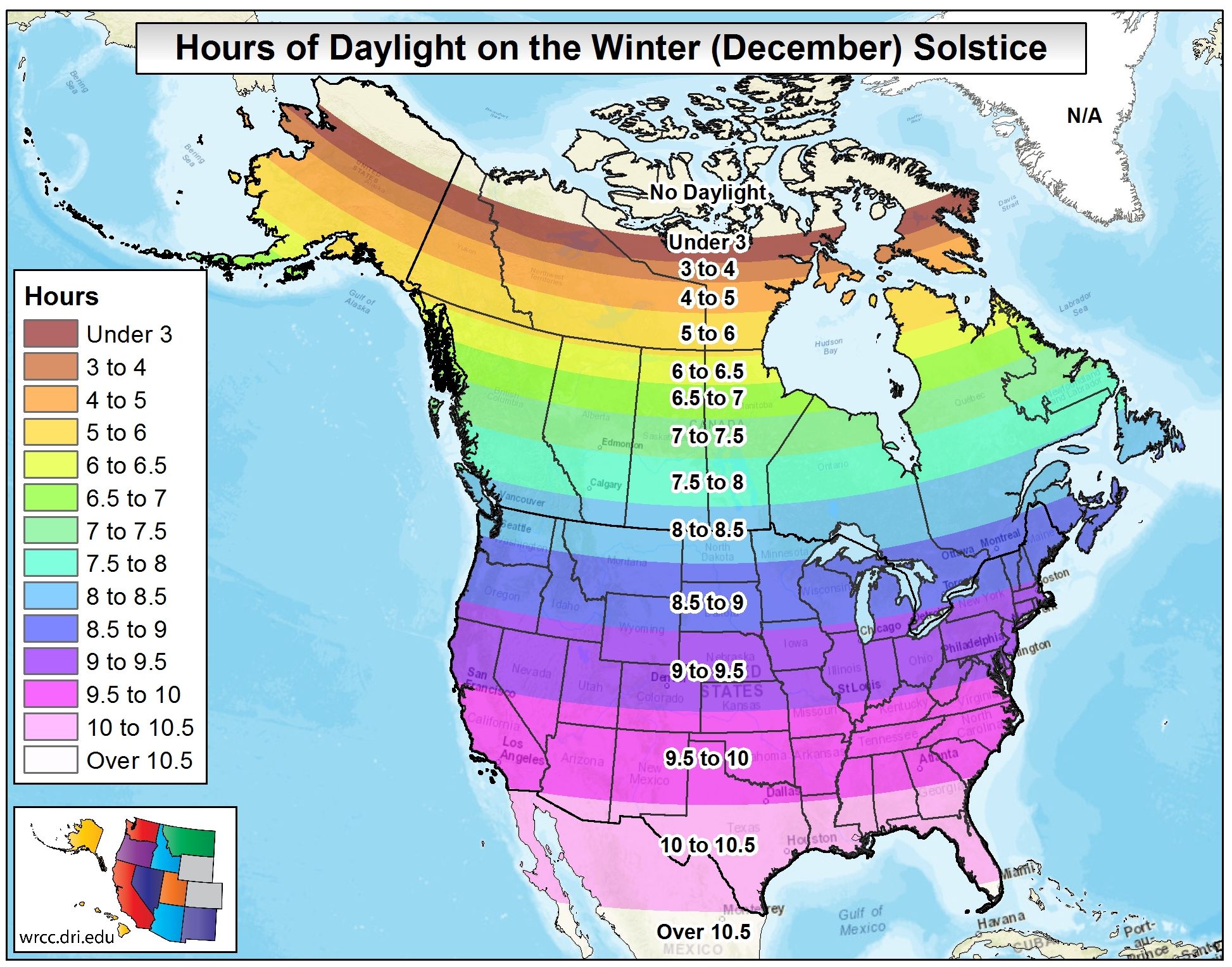
Conversely, the winter solstice, around December 21st or 22nd, marks the shortest day of the year. This is when the extreme of darkness descends upon Alaska. Within the Arctic Circle, the sun may not rise at all for extended periods, entering the phase known as polar night. In Utqiagvik, the sun remains below the horizon for approximately 65 days, from mid-November to late January. During this time, the landscape is bathed in twilight hues and the captivating dance of the Aurora Borealis becomes a primary spectacle. Even in southern Alaska, like Juneau, winter days can be as short as 6.5 hours, profoundly shaping daily life and travel considerations.
Equinoxes: A Return to Balance
The spring and autumn equinoxes, occurring around March 20th and September 22nd respectively, represent periods of near-equal day and night across the globe. In Alaska, these dates signify a transition, a gradual increase in daylight after the long winter darkness, or a decrease as winter approaches. While these periods don’t feature the dramatic extremes of the solstices, they offer a unique beauty of their own, with a balanced light that can accentuate the subtle changes in the Alaskan environment. For travelers seeking moderate daylight hours for exploration without the extremes, the shoulder seasons around the equinoxes can be an appealing choice.
Daylight Variations Across Alaska
The amount of daylight in Alaska is not uniform; it varies significantly depending on latitude. This is a critical factor for travelers to consider when choosing a destination within the state.
Northern Alaska: The Realm of Extreme Daylight
Regions north of the Arctic Circle, including areas around Utqiagvik and many remote Inuit communities, experience the most dramatic daylight variations. Here, the midnight sun is a reality for a substantial portion of the summer, allowing for round-the-clock exploration and activities. Conversely, the polar night is an equally profound experience, offering unparalleled opportunities for aurora viewing. Traveling to these northern reaches requires a deep appreciation for these extremes and a willingness to embrace a schedule dictated by natural light cycles.
Interior Alaska: A Moderate Extreme
Cities like Fairbanks, often referred to as the “Golden Heart of Alaska,” are located just south of the Arctic Circle. While they experience the midnight sun and extended daylight in summer, the phenomenon is less absolute than in the far north. Summer days can last up to 22 hours, with only a few hours of twilight. Winter days are short, but the sun does rise, offering a few precious hours of daylight. This region offers a balance, allowing for ample daylight for popular summer activities like hiking in Denali National Park or wildlife viewing, while still providing the chance to witness the aurora borealis during the darker months.
Southcentral and Southeast Alaska: More Familiar Patterns
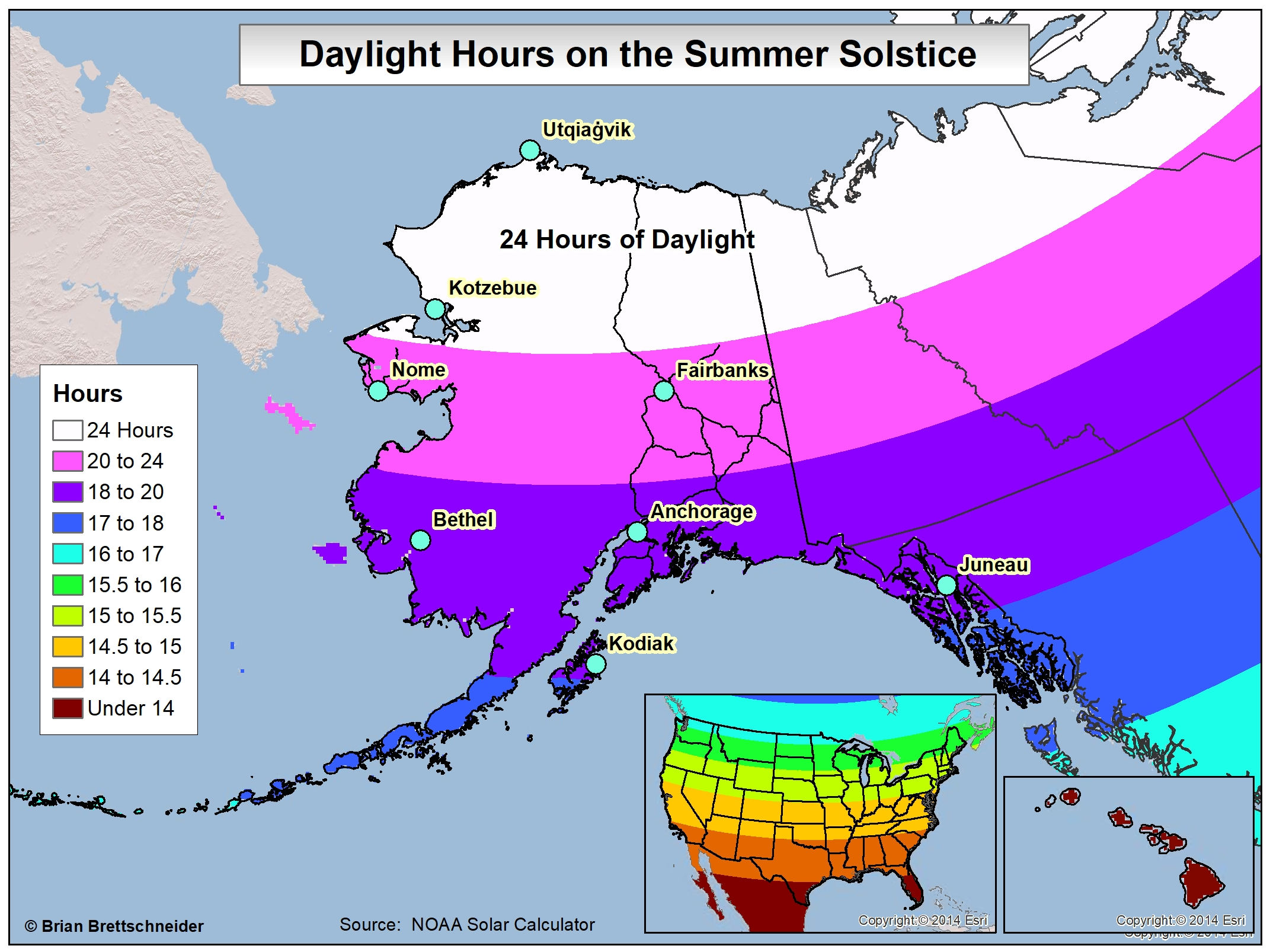
The more populated regions of Southcentral Alaska, including Anchorage and Homer, as well as the panhandle of Southeast Alaska, such as Juneau and Ketchikan, experience daylight patterns that are more similar to the contiguous United States, though still with significant seasonal shifts. In summer, these areas can have 16-19 hours of daylight, providing ample time for cruising the Inside Passage, exploring glaciers, or enjoying the coastal scenery. Winter days are considerably shorter, with around 6-8 hours of daylight, but the sun always rises, offering some illumination for outdoor pursuits and city exploration.
Planning Your Alaskan Adventure Around Daylight
The amount of daylight is a pivotal consideration for planning any trip to Alaska. It dictates the types of experiences possible and the best times to visit for specific interests.
Summer Travel: Embracing the Endless Day
From late May through July, Alaska is bathed in an abundance of daylight. This is the peak season for most tourism, as the extended hours allow for maximum exploration. Activities such as cruises through the Inside Passage, wildlife viewing tours, hiking in national parks, fishing, and visiting remote towns are all best enjoyed under the long summer days. The “midnight sun” in the northern regions allows for truly unique experiences, like hiking or even enjoying a picnic at midnight. For those who thrive on outdoor activity and want to pack as much into their days as possible, summer is the undeniable choice. The extended light also provides a sense of safety and encourages late-night exploration of towns and natural wonders.
Winter Travel: The Magic of Limited Light and Aurora
The period from November through February offers a dramatically different, yet equally captivating, Alaskan experience. While daylight is scarce, this is prime time for witnessing the Aurora Borealis. Cities like Fairbanks are renowned for their aurora viewing opportunities due to their clear skies and northern latitude. Winter activities such as dog sledding, skiing, snowshoeing, and ice fishing are popular, and the shorter days lend themselves to cozy evenings spent in lodges or around a fire. The stark beauty of the snow-covered landscape, illuminated by the soft glow of twilight and the dancing aurora, creates a magical and introspective atmosphere. Travelers planning a winter trip should be prepared for cold temperatures and pack accordingly, but the rewards of a serene, light-dappled world and celestial light shows are immense.
Shoulder Seasons: A Blend of Light and Atmosphere
The shoulder seasons – April to early May and September to October – offer a compelling compromise for travelers. In spring, the snow begins to melt, daylight hours increase rapidly, and wildlife begins to emerge. This can be a great time for budget-conscious travelers, as prices for flights and accommodations may be lower. Autumn brings crisp air, vibrant fall colors, and the return of longer nights suitable for aurora viewing, especially in September. Daylight hours are moderate, providing enough light for daytime activities without the extreme lengths of summer or the profound darkness of mid-winter. These seasons provide a more tranquil experience compared to the peak summer months, allowing for deeper immersion in the Alaskan environment.
Practical Considerations for Daylight-Driven Travel
Understanding Alaska’s daylight is more than just academic; it has practical implications for every aspect of your trip.
Navigating Schedules and Activities
When planning your daily itinerary, always factor in the available daylight. For instance, if visiting Juneau in December, don’t plan a full day of hiking and expect to see much; instead, focus on morning activities and perhaps an evening aurora tour if conditions are right. Conversely, in July, you can easily schedule a whale watching tour in the morning, explore a glacier in the afternoon, and still have hours of daylight left for dinner and a stroll through town. Many tour operators in Alaska structure their offerings around the natural light cycle.
Impact on Accommodation and Logistics
While most hotels in major tourist hubs like Anchorage and Fairbanks operate on standard schedules, in more remote areas, particularly during the peak of summer or winter, accommodation availability and transportation schedules can be influenced by daylight. Booking in advance is always recommended, especially if traveling during the summer solstice when demand is highest due to the extended daylight. For winter travel, especially for aurora viewing, consider accommodations that offer excellent views or are situated away from city lights, maximizing the benefit of the limited daylight hours for nocturnal pursuits.
Preparing for Light and Darkness
For summer travelers, the abundance of daylight can be disorienting. Investing in a good quality sleep mask is highly recommended, as sleeping through what feels like daytime can be challenging. For winter travelers, embracing the darkness is part of the experience. Prepare mentally for extended periods of low light, and bring headlamps or flashlights for any evening excursions. The unique quality of light in Alaska, whether the bright, crisp light of summer or the soft, ethereal twilight of winter, is an integral part of its captivating charm. Understanding how much daylight is available in Alaska at any given time is the key to unlocking the full spectrum of its breathtaking, and sometimes extreme, natural beauty.
LifeOutOfTheBox is a participant in the Amazon Services LLC Associates Program, an affiliate advertising program designed to provide a means for sites to earn advertising fees by advertising and linking to Amazon.com. Amazon, the Amazon logo, AmazonSupply, and the AmazonSupply logo are trademarks of Amazon.com, Inc. or its affiliates. As an Amazon Associate we earn affiliate commissions from qualifying purchases.