
Alaska, the “Last Frontier,” beckons with its unparalleled natural beauty, rugged landscapes, and a unique way of life. Relocating to this vast and wild state is an adventure in itself, requiring careful planning, a resilient spirit, and an understanding of what makes life here distinct. This guide delves into the essential aspects of making Alaska your new home, focusing on the practicalities of settling into a new environment and embracing its distinctive lifestyle.
Preparing for the Alaskan Adventure
Embarking on a move to Alaska is not a decision to be taken lightly. The sheer scale of the state, its extreme climate, and its relatively remote locations present unique challenges and rewards. Thorough preparation is paramount to a successful transition.

Understanding Alaskan Realities
Before packing your bags, immerse yourself in the realities of Alaskan living. This involves more than just appreciating its stunning scenery. Consider the following:
- Climate: Alaska experiences long, cold winters with significant snowfall and shorter, but often intensely bright, summers. Understanding how to prepare for and adapt to these seasonal extremes is crucial. This includes clothing, home heating, and transportation considerations.
- Cost of Living: While some goods might be more expensive due to transportation costs, Alaska generally does not have a state income tax or sales tax at the state level (though local sales taxes exist). However, the cost of utilities, particularly heating fuel, can be substantial. Researching specific costs in your intended community is vital.
- Employment: The job market in Alaska is diverse, with significant sectors including oil and gas, fishing, tourism, government, and military. Understanding the demand for your skills and the typical wage structures in your field will be a key part of your relocation plan.
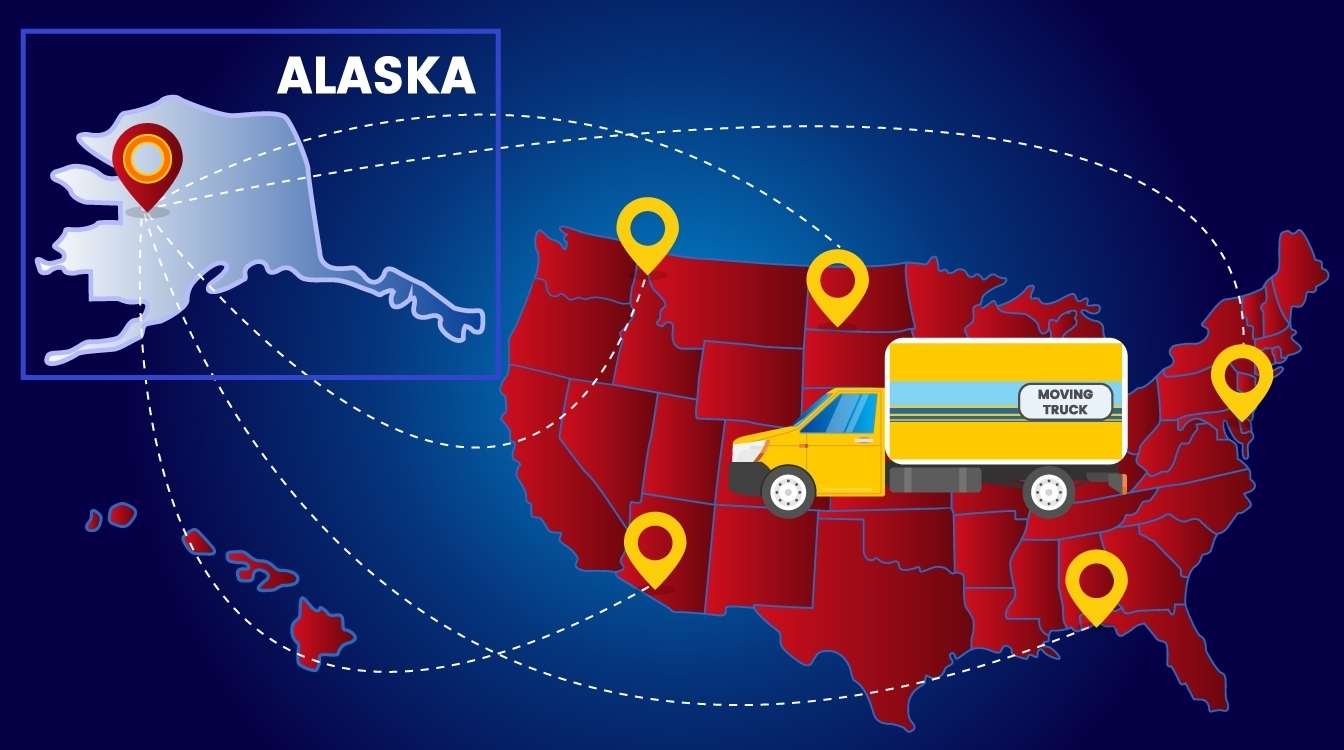
- Isolation and Accessibility: Many Alaskan communities are accessible only by air or seasonal road travel. This isolation contributes to a strong sense of community but also means that access to certain goods, services, and medical care can be more limited and expensive than in the contiguous United States.
Researching Potential Communities
Alaska is not a monolithic entity; it’s a collection of diverse communities, each with its own character and offerings. Choosing the right place to settle is as important as the decision to move itself.
- Major Cities:
- Anchorage: Alaska’s largest city offers the most urban amenities, a diverse economy, and a wider range of services and cultural activities. It’s often the most accessible entry point for new residents.
- Fairbanks: Located in the interior, Fairbanks experiences more extreme temperatures but offers access to interior wilderness and a strong university presence.
- Juneau: The state capital, nestled in the Southeast Panhandle, is accessible primarily by air or ferry, offering a lush, temperate rainforest environment and a strong government sector.
- Smaller Towns and Villages:
- Numerous smaller towns and remote villages dot the Alaskan landscape, offering a more profound connection to nature and traditional Alaskan life. These often have unique economic bases, such as mining, fishing, or tourism, and require a deeper commitment to self-sufficiency. Researching the specific infrastructure, services, and community culture of these locations is essential.
Planning Your Logistics
The physical act of moving to Alaska requires meticulous logistical planning.
- Shipping Your Belongings: Due to the distance and unique transportation methods, shipping household goods can be costly and time-consuming. Explore options like freight companies, portable storage containers, or even driving your own vehicle if feasible. Factor in the possibility of shipping in the summer months, as winter conditions can severely impact delivery schedules.
- Vehicle Considerations: If you plan to bring a vehicle, ensure it’s equipped for winter driving. Four-wheel drive is highly recommended, and having winter tires is essential. Some residents opt to purchase a vehicle upon arrival to avoid shipping costs or to ensure they acquire a vehicle suited to Alaskan conditions.
- Temporary Housing: It’s wise to arrange for temporary accommodation upon arrival, whether it’s a short-term rental, a hotel in Anchorage, or staying with friends or family. This allows you time to explore neighborhoods, secure a long-term residence, and get acquainted with your new surroundings before committing to a permanent living situation.
Settling In: Housing and Utilities
Finding a place to live and understanding utility services are critical steps in establishing your Alaskan home.
Housing Options in Alaska
The type of housing available will vary significantly depending on the community you choose.
- Urban Areas: In cities like Anchorage and Fairbanks, you’ll find a range of options including apartments, townhouses, single-family homes, and some condominiums. Rental markets can be competitive, especially during peak seasons.
- Rural and Remote Areas: In smaller towns and villages, housing is often more limited. You may find single-family homes, cabins, or even duplexes. In some very remote areas, housing may be provided by employers, particularly in industries like education or healthcare.
- Unique Alaskan Dwellings: Be prepared for unique housing styles that are adapted to the climate. Many homes are built on stilts to prevent frost heave and allow for snow accumulation. Insulation is paramount, and many homes feature robust heating systems.
Navigating the Rental and Purchase Market
- Rental Properties: Websites dedicated to Alaskan real estate and general rental platforms are good starting points. Local real estate agents can also be invaluable, especially for understanding specific market dynamics in smaller towns. Be prepared for potential deposit requirements and lease terms that might differ from what you’re accustomed to.
- Purchasing a Home: If you plan to buy, familiarizing yourself with the Alaskan real estate market is crucial. Mortgage lenders experienced with Alaskan properties can be beneficial. Consider the long-term maintenance and potential resale value of properties in different regions.
Understanding Utility Services
- Heating: This is perhaps the most significant utility consideration. Options typically include heating oil, natural gas (where available, primarily in Southcentral Alaska), propane, electricity, and wood. Understand the cost, availability, and reliability of each in your chosen location. Many homes have separate fuel tanks that need regular refilling.
- Water and Sewer: Many homes in urban and larger towns have municipal water and sewer systems. However, in more rural areas, you may encounter well water and septic systems, which require individual maintenance.
- Electricity: Power grids are generally reliable in populated areas, but power outages can occur, especially during severe weather. Having a backup generator might be a wise investment for some.
- Internet and Communication: Internet access can vary significantly in speed and reliability across the state. While major cities offer broadband, more remote areas may rely on satellite internet, which can be slower and more expensive. Cell phone coverage can also be spotty outside of populated centers.
Embracing the Alaskan Lifestyle
Relocating to Alaska is an opportunity to embrace a lifestyle that is deeply connected to nature, community, and a spirit of self-reliance.
Connecting with Nature
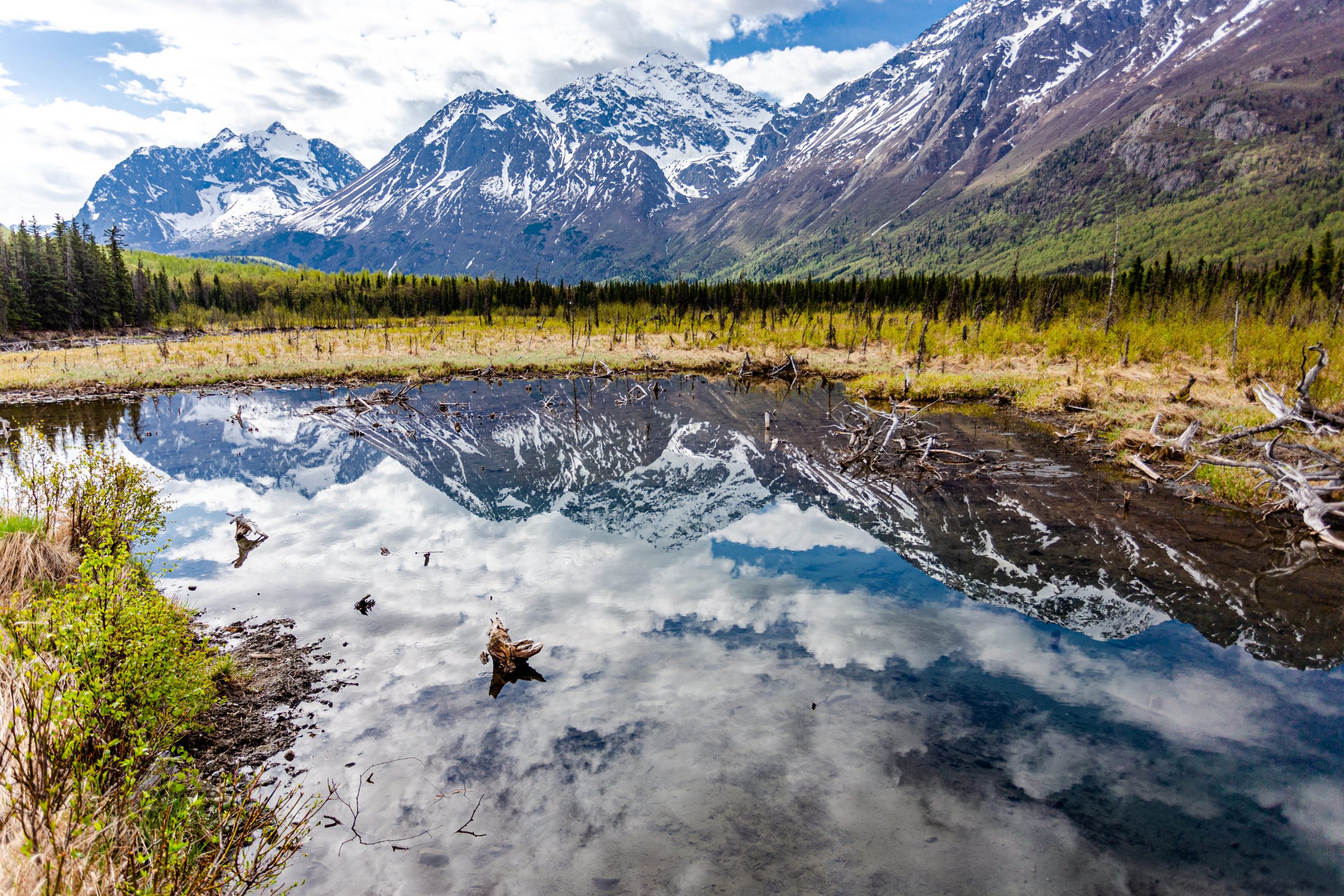
Alaska’s wilderness is its defining feature. Opportunities for outdoor recreation abound and are central to the Alaskan experience.
- Outdoor Activities:
- Hiking and Backpacking: Trails range from accessible urban paths to challenging wilderness routes.
- Fishing: Renowned for its salmon and other species, fishing is a popular pastime and sometimes a way of life.
- Hunting: For many Alaskans, hunting is a vital source of food and a traditional practice. Strict regulations apply, and licensing is required.
- Wildlife Viewing: Alaska is home to incredible wildlife, including bears, moose, whales, and eagles. Respectful viewing from a safe distance is paramount.
- Winter Sports: Skiing (downhill and cross-country), snowboarding, snowshoeing, and dog sledding are popular winter pursuits.
- National Parks and Public Lands: Alaska boasts an unparalleled network of national parks, forests, and wildlife refuges. Places like Denali National Park and Preserve, Gates of the Arctic National Park and Preserve, and the Tongass National Forest offer vast expanses for exploration and adventure.
Building Community and Social Connections
Despite its vastness, Alaska often fosters a strong sense of community. Due to the shared challenges and unique environment, Alaskans tend to be resourceful, independent, and supportive of one another.
- Local Events and Festivals: Participating in local events, from summer fairs and music festivals to winter carnivals, is a great way to meet people and immerse yourself in the local culture.
- Volunteerism: Many Alaskans contribute to their communities through volunteer work, which can be a rewarding way to integrate and build connections.
- Outdoor Groups: Joining local hiking, fishing, or skiing clubs can provide an excellent avenue for meeting like-minded individuals and discovering new places.
Self-Sufficiency and Preparedness
A certain degree of self-reliance is often necessary and embraced in Alaska.
- Food Storage: Many Alaskans engage in canning, preserving, and freezing food, whether from their own gardens, successful fishing trips, or hunts. Understanding food storage techniques is beneficial, especially in areas with limited access to fresh produce during winter.
- Emergency Preparedness: Given the potential for severe weather and isolation, having an emergency preparedness kit, including food, water, medical supplies, and backup power, is a sensible measure for any Alaskan resident.
- Learning Essential Skills: Depending on your location, learning basic skills like snow machine repair, chainsaw operation, or even rudimentary home maintenance can be incredibly useful.
Practical Considerations for New Residents
Beyond the general lifestyle, several practical matters require attention as you establish yourself in Alaska.
Healthcare Access
Healthcare services are available throughout Alaska, but accessibility can vary.
- Major Hospitals: Larger cities like Anchorage, Fairbanks, and Juneau have hospitals offering a comprehensive range of medical services.
- Rural Clinics: Smaller communities often have smaller clinics or health aide services, which can provide basic medical care and emergency stabilization. For more specialized treatment, residents may need to travel to larger centers. Planning for medical appointments and understanding referral processes is important.
- Emergency Services: Emergency medical services are available statewide, but response times can be longer in remote areas. Air ambulance services are critical for reaching distant locations quickly.
Transportation Networks
Navigating Alaska requires an understanding of its unique transportation infrastructure.
- Road System: The road system is extensive in Southcentral and Interior Alaska, connecting major population centers. However, many communities, particularly in the Northwest and Southeast, are not connected by road and rely on other modes of transport.
- Aviation: Air travel is a lifeline for many Alaskans. Scheduled flights and charter services connect communities, and bush planes are essential for accessing remote areas.
- Ferry System: The Alaska Marine Highway System provides ferry service along the Southeast Panhandle and down to Bellingham, Washington, offering a scenic and practical way to travel for both people and vehicles.
- Winter Travel: Snowmobiles and ATVs are common modes of transportation in many areas, especially during winter months when roads may be snow-covered or impassable.
Education and Employment Resources
- School Districts: Alaska has a public school system with districts serving various regions. Researching specific school districts in your chosen community is important for families.
- Higher Education: The University of Alaska system, with campuses in Anchorage, Fairbanks, and Juneau, provides higher education opportunities.
- Job Search: Utilize state and local employment agencies, online job boards, and industry-specific resources. Networking within your field is also highly recommended. Government and military positions are significant employers in many areas.
Relocating to Alaska is a profound decision that opens the door to a life of unparalleled natural beauty and robust community spirit. By preparing diligently, understanding the unique challenges and rewards, and embracing the spirit of the Last Frontier, you can successfully make Alaska your home.
LifeOutOfTheBox is a participant in the Amazon Services LLC Associates Program, an affiliate advertising program designed to provide a means for sites to earn advertising fees by advertising and linking to Amazon.com. Amazon, the Amazon logo, AmazonSupply, and the AmazonSupply logo are trademarks of Amazon.com, Inc. or its affiliates. As an Amazon Associate we earn affiliate commissions from qualifying purchases.