
Alaska, a land synonymous with ice, snow, and vast, frozen wilderness, might seem like the antithesis of a desert. However, when we delve into the scientific definition of a desert – a region receiving very little precipitation – the Last Frontier surprisingly fits the bill in many areas. This intriguing paradox invites us to explore Alaska not just as a winter wonderland, but as a diverse landscape with surprising climatic characteristics, offering unique travel experiences far removed from the typical sun-baked dunes.
The Scientific Definition of a Desert
To understand why Alaska might be classified as a desert, we must first establish what constitutes a desert. Geologists and climatologists define a desert primarily by its aridity, not its temperature. The key metric is the amount of precipitation a region receives annually. Generally, areas receiving less than 10 inches (250 millimeters) of precipitation per year are considered deserts. This precipitation can take various forms: rain, snow, sleet, or hail.
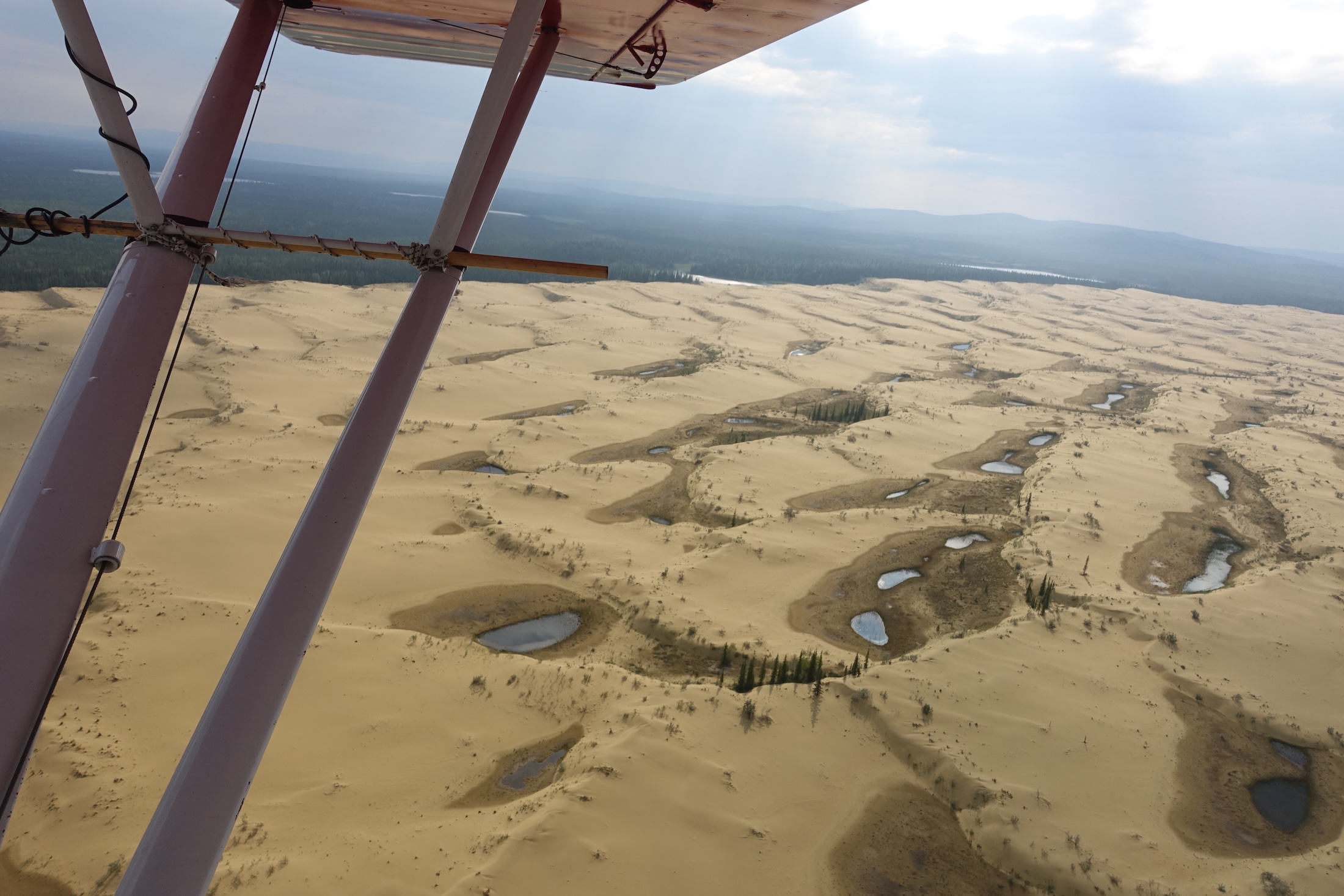
Deserts are categorized into several types based on their temperature and location:
- Hot Deserts: These are the stereotypical deserts, characterized by extreme heat and low rainfall, like the Sahara Desert in Africa or the Mojave Desert in the United States.
- Cold Deserts: These deserts experience cold winters with snowfall and hot or warm summers. Precipitation is still very low, but the temperatures are significantly colder for at least part of the year. Examples include the Gobi Desert in Asia or the Great Basin Desert in North America.
- Coastal Deserts: Found along coastlines, these deserts are influenced by cold ocean currents, which limit the amount of moisture in the air.
- Semi-Arid Deserts: These are transitional zones, receiving slightly more precipitation than true deserts but still characterized by dry conditions.
The crucial factor remains the scarcity of moisture. The presence of snow and ice in Alaska does not negate its desert classification if the amount of annual precipitation is sufficiently low. Snow, when it falls, can remain on the ground for extended periods, creating a landscape that appears wet, but the total water content accumulated over the year might be minimal compared to other regions.
Alaska’s Arid Regions: The Surprising Reality
Many regions within Alaska, particularly in the interior and northern parts, receive less precipitation than major cities in the contiguous United States that are not considered deserts. For instance, Fairbanks, Alaska’s second-largest city, receives an average of about 11-12 inches of precipitation annually, much of which falls as snow. This is comparable to or even less than many areas in the American West, such as parts of eastern Oregon or Nevada, which are widely recognized as arid.
The vast interior of Alaska, characterized by its boreal forests and tundra, experiences long, cold winters and relatively short, dry summers. The low temperatures mean that any precipitation that does fall often remains frozen, contributing to the permafrost but not necessarily indicating a high level of annual moisture input.
The Interior’s Dry Embrace
Interior Alaska, a massive geographical expanse, is a prime example of this arid characteristic. Cities like Fairbanks and communities around the Yukon River basin often experience less than 15 inches of precipitation annually. The dry air, especially during winter, can lead to remarkably clear skies and stunning aurora borealis displays, but it also means that the land receives very little moisture. The snowpack, while visually impressive, is often a result of prolonged cold temperatures preserving the fallen snow rather than a heavy accumulation of new snowfall.
Arctic Extremes and Low Precipitation
Further north, the Arctic regions of Alaska, including areas like Barrow (now officially Utqiagvik), are even drier. These areas receive very minimal precipitation throughout the year, often less than 8 inches annually. The landscape is predominantly tundra, with sparse vegetation adapted to harsh, dry, and cold conditions. Despite the presence of ice and snow for much of the year, the overall water budget is extremely low, solidifying their classification as polar deserts.
Traveling to Alaska’s “Desert” Landscapes
The classification of certain Alaskan regions as deserts doesn’t detract from their appeal as travel destinations; rather, it adds a unique dimension to the visitor experience. The arid nature contributes to the pristine, untouched feel of many areas, offering unparalleled opportunities for adventure and immersion in nature.
Experiencing the Interior’s Dry Wonders
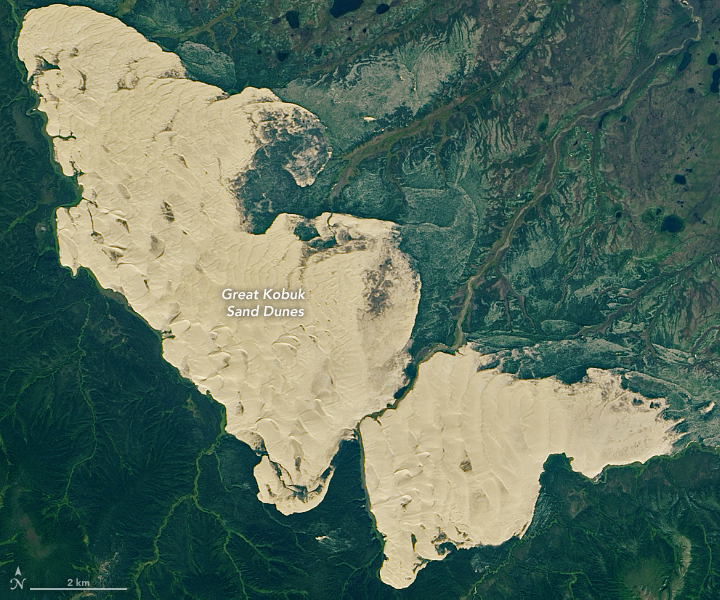
Travelers venturing into Alaska’s interior will discover a landscape sculpted by dryness and cold. The Denali National Park and Preserve, while known for its majestic mountains, also encompasses vast interior plains that experience arid conditions. Here, visitors can witness the stark beauty of the taiga and tundra, engage in wildlife viewing of species like moose and caribou, and experience the profound silence of remote wilderness. The dry air also makes for excellent stargazing and unparalleled opportunities to witness the Northern Lights, especially during the autumn and winter months.
Arctic Expeditions: A True Desert Adventure
For the intrepid traveler, an expedition to Alaska’s Arctic coast offers a true desert adventure in a frozen setting. Visiting towns like Utqiagvik (formerly Barrow) provides a glimpse into life at the edge of the world. The landscape is stark, treeless, and predominantly covered in snow and ice for much of the year. Activities here might include exploring the Arctic Ocean coastline, learning about indigenous Iñupiat culture, and understanding the delicate balance of this extreme environment. The low precipitation, coupled with extreme cold, creates a unique and challenging ecosystem that few get to experience.
Winter Travel: Embracing the Dry Cold
While it might seem counterintuitive, Alaska’s dry, cold winters are a major draw for tourists. The low humidity associated with its arid climate means that the cold feels different – sharp and crisp rather than damp and penetrating. This makes outdoor activities like dog sledding, cross-country skiing, and snowshoeing particularly enjoyable. The lack of heavy, wet snowfall in many interior regions also means that infrastructure remains more accessible, allowing for easier exploration of its “desert” landscapes. Imagine traversing vast, snow-covered plains under a clear, star-studded sky, the air dry and invigorating – a truly unique desert experience.
Beyond the Stereotype: Nature and Culture
Understanding Alaska as a desert compels us to look beyond common perceptions and appreciate the intricate relationship between its climate, geography, and the life it sustains. The low precipitation doesn’t mean a lack of water; it means water is often locked up in ice and snow for extended periods, influencing everything from vegetation to animal behavior.
Flora and Fauna Adapted to Aridity
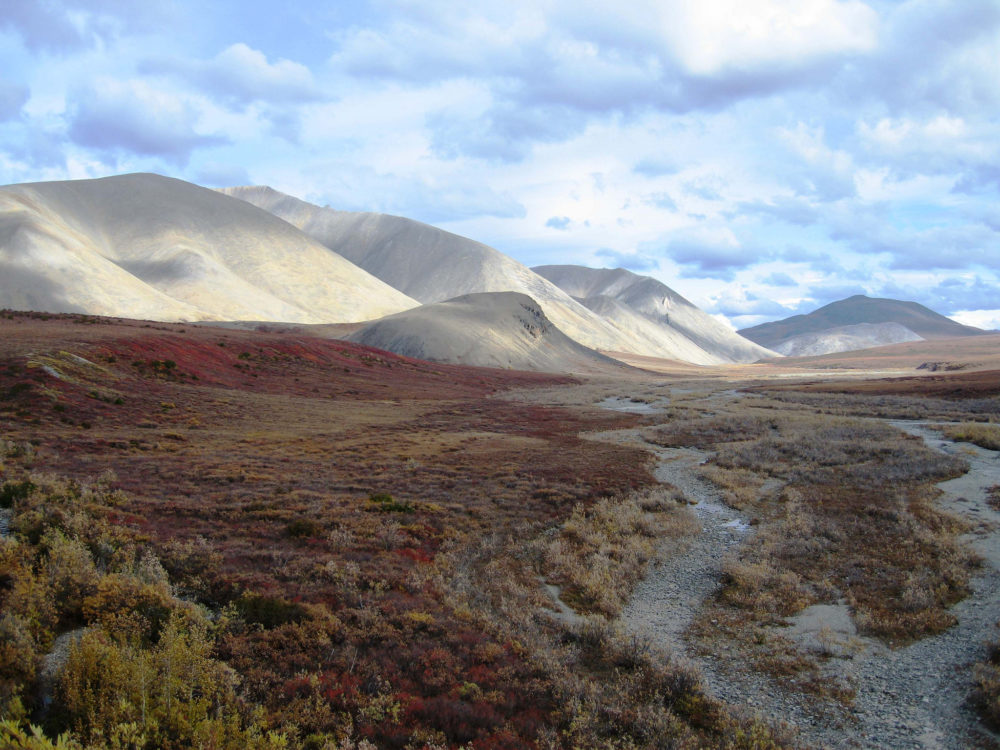
The plant and animal life in Alaska’s drier regions have evolved remarkable adaptations to survive with limited liquid water. The boreal forests, or taiga, are dominated by drought-tolerant species like black spruce and larch. In the tundra, low-lying shrubs, mosses, and lichens thrive, their shallow root systems designed to absorb moisture from the thin active layer of soil that thaws during the brief summer.
Wildlife, too, has adapted. Caribou, for example, have specialized noses and circulatory systems to cope with both cold and dryness. Many animals enter a state of torpor or hibernate during the harsh winter months, conserving energy and water. Understanding these adaptations provides a deeper appreciation for the resilience of life in these seemingly inhospitable “desert” environments.
Indigenous Cultures and Their Relationship with the Land
The indigenous peoples of Alaska, such as the Iñupiat, Yup’ik, Athabascan, and Tlingit, have lived in harmony with these dry and cold landscapes for millennia. Their cultures, traditions, and survival strategies are intimately tied to the land’s specific climatic conditions. Learning about their ways of life – from hunting and fishing techniques adapted to frozen waterways to their knowledge of edible plants in arid tundra – offers profound insights into human resilience and deep ecological understanding. Visiting cultural centers or participating in guided tours with indigenous communities can provide a rich and educational travel experience, highlighting how life flourishes even in what we might consider a desert.
Conclusion: A Desert of a Different Kind
The question “Is Alaska a desert?” leads us to a fascinating redefinition of what a desert can be. It’s not solely about scorching heat and endless sand dunes. Alaska, particularly its interior and northern reaches, embodies the characteristics of a cold desert, defined by its low annual precipitation. This unique classification enriches its appeal as a travel destination, offering breathtaking natural beauty, unparalleled opportunities for adventure, and a profound connection with resilient ecosystems and ancient cultures. So, while you might pack your warmest parka for an Alaskan adventure, remember you might also be venturing into a desert – a desert of ice, snow, and vast, magnificent emptiness.
LifeOutOfTheBox is a participant in the Amazon Services LLC Associates Program, an affiliate advertising program designed to provide a means for sites to earn advertising fees by advertising and linking to Amazon.com. Amazon, the Amazon logo, AmazonSupply, and the AmazonSupply logo are trademarks of Amazon.com, Inc. or its affiliates. As an Amazon Associate we earn affiliate commissions from qualifying purchases.