
Unpacking the Vastness of Two American Giants
The question of whether Alaska is larger than Texas is more than just a geographical curiosity; it’s a gateway to understanding the immense scale and diverse landscapes that define these two iconic American states. While both are celebrated for their expansive territories and unique attractions, a direct comparison reveals a dramatic difference in their sheer size. This exploration delves into the numerical facts, contextualizes their vastness, and touches upon what this means for travelers seeking to experience their grandeur. For those planning an adventure, grasping these dimensions can significantly shape expectations and itineraries, highlighting the need for meticulous planning when exploring such colossal destinations.
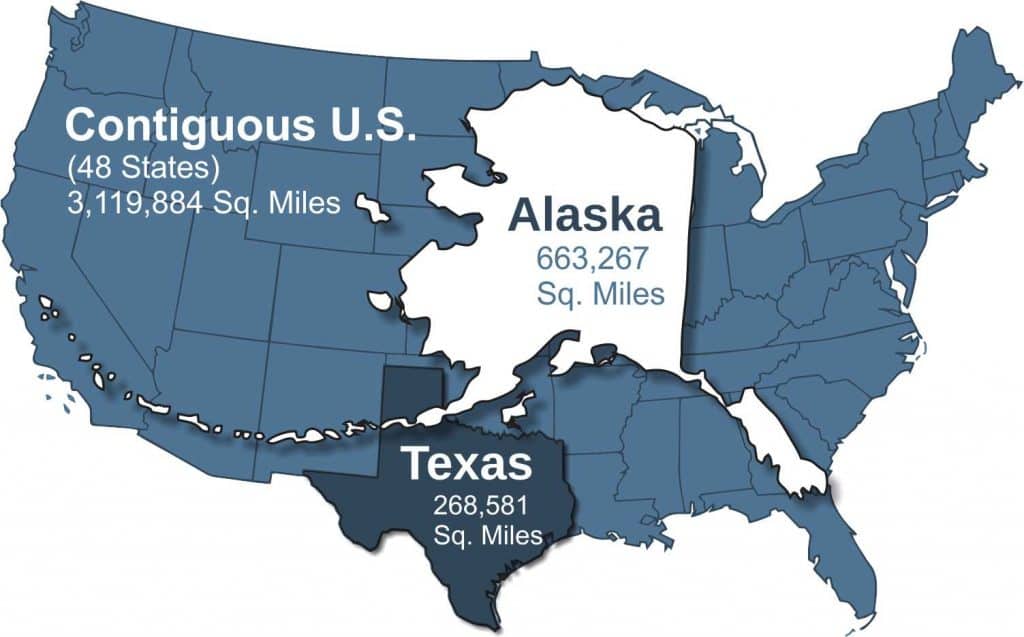
The Numbers Game: A Stark Comparison
When we talk about land area, the figures paint a clear picture. Alaska, the forty-ninth state, boasts an area of approximately 665,384 square miles. This colossal figure encompasses diverse terrains, from icy glaciers and snow-capped mountains to vast boreal forests and extensive coastlines. Its remote location and relatively sparse population contribute to its reputation as a land of unparalleled wilderness.
Texas, the Lone Star State, is considerably smaller, measuring around 268,596 square miles. While still the second-largest state in the United States, its area pales in comparison to that of Alaska. To put this into perspective, you could fit more than two Texases within the borders of Alaska. This vast difference is crucial for any traveler considering the logistics of exploring these regions. Driving across Alaska can take days, even weeks, of dedicated travel, whereas a comprehensive tour of Texas can be accomplished in a more manageable timeframe.
Beyond the Square Miles: What Size Implies for Travel
The sheer size difference between Alaska and Texas has profound implications for travelers. Alaska’s immensity translates into a wild, untamed frontier. Getting around often involves flights to remote towns and lodges, or extensive drives along famously long highways like the Alaska Highway. The distances between major attractions like Denali National Park and Preserve and the coastal towns of Southeast Alaska are significant, requiring careful planning and often a substantial travel budget. The rewards, however, are unparalleled: vast wilderness, abundant wildlife, and a sense of profound solitude.
Texas, on the other hand, offers a different kind of vastness. While smaller, it still presents a diverse range of experiences spread across its large territory. From the rolling hills of the Texas Hill Country to the desert landscapes of West Texas and the vibrant cities like Austin, Dallas, and Houston, Texas demands a well-thought-out itinerary. Its size means that transitioning from one region to another can involve considerable driving, but the state is generally well-connected by highways, making road trips feasible and popular. The cultural tapestry of Texas, from its cowboy heritage to its burgeoning culinary scene, is as expansive as its land.
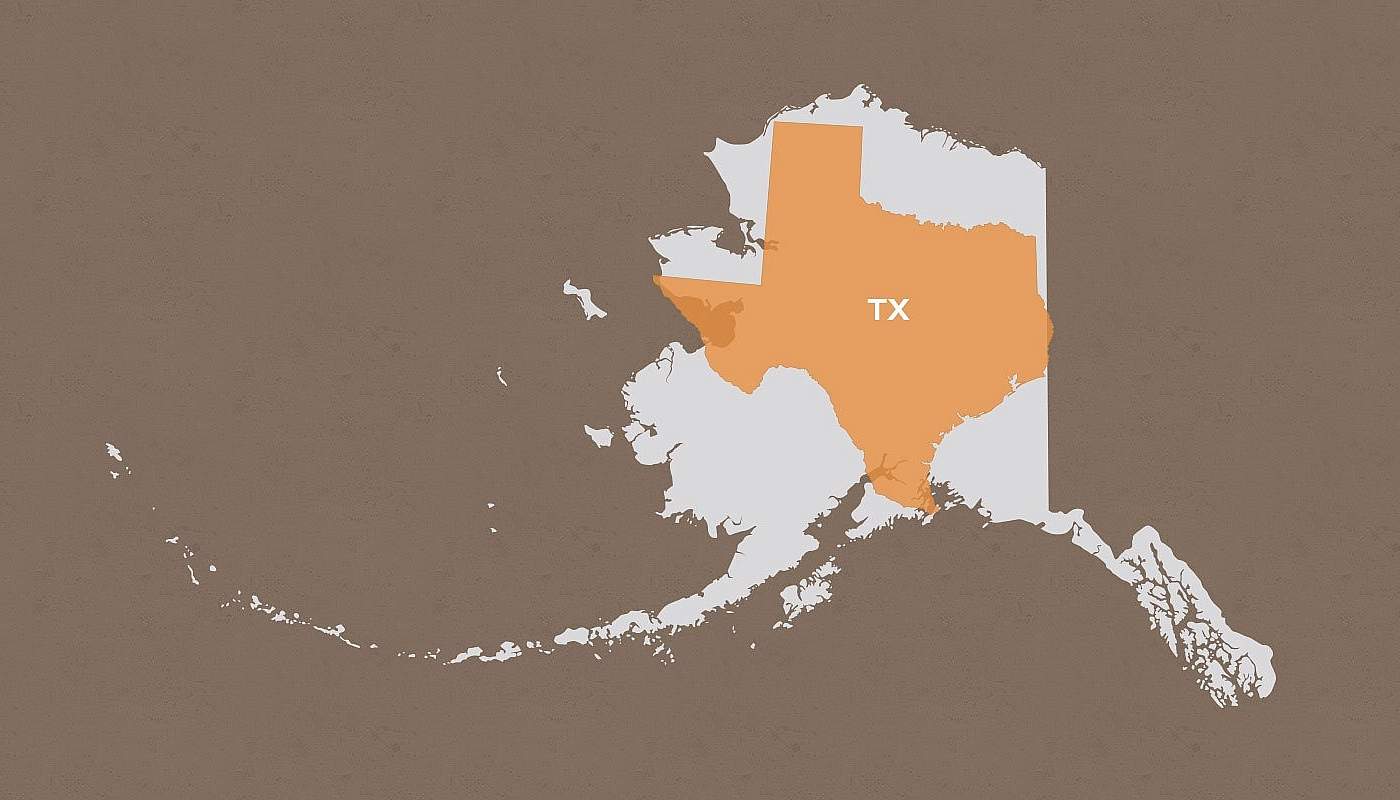
Planning Your Expedition: Alaska vs. Texas
For the intrepid traveler, understanding the geographical scale is the first step in crafting an unforgettable journey.
Exploring the Alaskan Frontier
When planning a trip to Alaska, embrace its scale. It’s a destination where one might choose to focus on a specific region for a single trip. A common approach is to explore Southcentral Alaska, encompassing cities like Anchorage and Fairbanks, and visiting national parks like Denali. Alternatively, a journey to Southeast Alaska offers a different experience, characterized by the Inside Passage, glaciers, and charming towns like Juneau and Ketchikan, often explored via cruise ships or ferries. For the truly adventurous, the interior and Arctic regions offer remote wilderness lodges and opportunities for wildlife viewing in their natural habitat. The cost of travel within Alaska can also be higher due to the distances and specialized transportation required.
Discovering the Texas Landscape
In Texas, the focus might be on exploring distinct regions and their unique offerings. A road trip through the Texas Hill Country could involve visiting charming towns like Fredericksburg and Gruene, renowned for their wineries and live music scenes. A visit to West Texas might include exploring the vastness of Big Bend National Park or the quirky art scene in Marfa. The major cities offer a wealth of cultural attractions, from museums and theaters in Dallas to the culinary delights and vibrant nightlife of Austin. While driving is a significant part of exploring Texas, the infrastructure is generally excellent, and distances, while long, are more manageable than in Alaska.
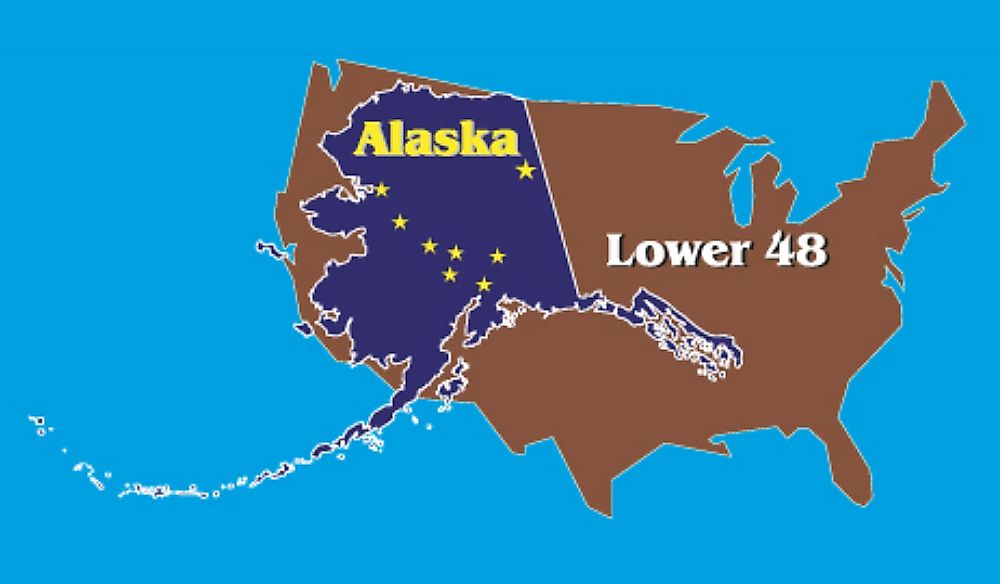
The Essence of Immensity: Experience Over Numbers
Ultimately, the question of which state is larger is a factual starting point, but the true essence of exploring Alaska and Texas lies in the experiences they offer. Alaska’s vastness speaks to raw, untouched nature, a place for profound connection with the wild. Its landscapes inspire awe and a sense of adventure that can only be found in such a remote and expansive territory. The opportunities for activities like glacier trekking, bear watching, and exploring the northern lights are intrinsically linked to its sheer size and wild character.
Texas, while more populated and developed, also offers a sense of scale. Its diverse geography means that one can experience different climates and ecosystems within a single trip. The cultural richness, the history embedded in its landscapes, and the distinct regional identities all contribute to a multifaceted travel experience. From the cowboy culture of West Texas to the Southern charm of East Texas, the state’s size allows for a deep dive into a complex and fascinating American narrative. Whether you are seeking the ultimate wilderness adventure or a journey through diverse American culture and landscapes, both Alaska and Texas promise expeditions that are as grand as their respective territories.
LifeOutOfTheBox is a participant in the Amazon Services LLC Associates Program, an affiliate advertising program designed to provide a means for sites to earn advertising fees by advertising and linking to Amazon.com. Amazon, the Amazon logo, AmazonSupply, and the AmazonSupply logo are trademarks of Amazon.com, Inc. or its affiliates. As an Amazon Associate we earn affiliate commissions from qualifying purchases.