
Alaska, a land of breathtaking grandeur and untamed wilderness, is a sanctuary for an astonishing diversity of wildlife. From the frozen expanses of the Arctic to the temperate rainforests of the Panhandle, its varied ecosystems support an array of creatures, many of which are iconic symbols of the Last Frontier. Exploring these incredible animals is a cornerstone of any visit to Alaska.
Mammals of the Alaskan Wilderness
The sheer scale of Alaska means its mammalian inhabitants are equally impressive, ranging from colossal marine mammals to elusive terrestrial predators.
Bears: Kings of the North
Alaska is synonymous with bears, and encounters with these powerful animals are a highlight for many visitors.
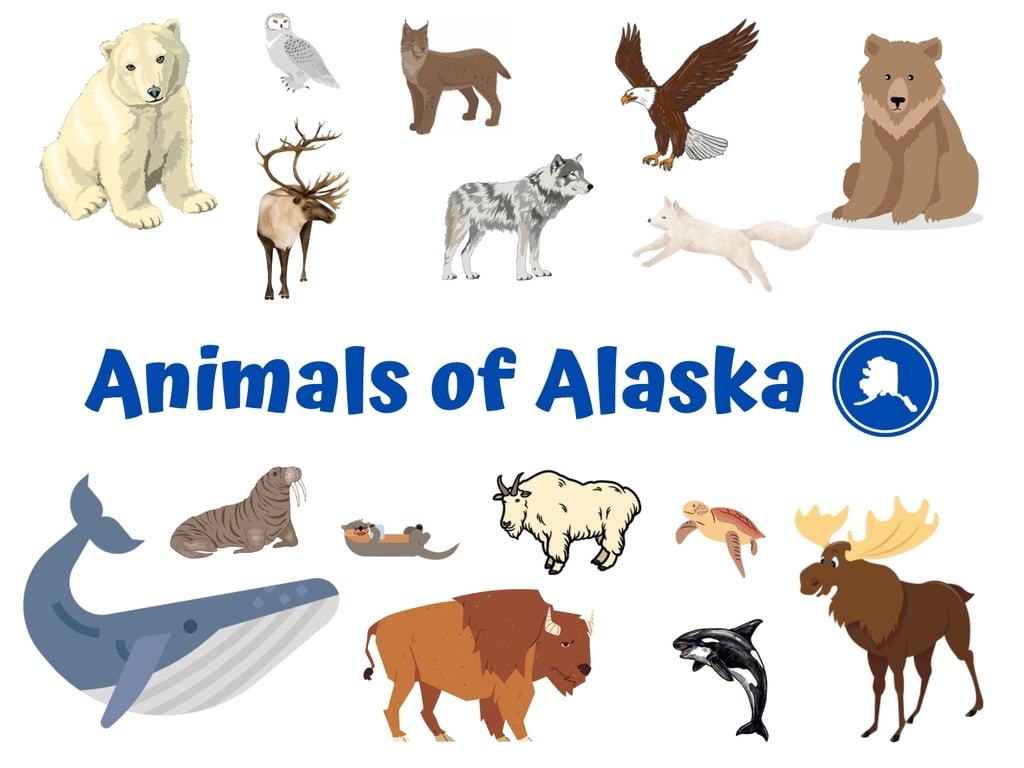
Brown Bears (Grizzlies)
Found throughout much of Alaska, the brown bear, often referred to as a grizzly bear in the interior, is a formidable sight. They are most famously observed in places like Katmai National Park and Preserve, where they gather in large numbers to feast on salmon during the spawning season at locations like Brooks Falls. These bears are omnivores, their diet consisting of berries, roots, insects, and of course, fish.
Black Bears
More common and found across a wider range than brown bears, black bears are also an integral part of the Alaskan ecosystem. They inhabit forests and woodlands and are known for their agility. While generally more timid than grizzlies, it is crucial to maintain a safe distance and never feed them.
Polar Bears
The undisputed sovereign of the Arctic, the polar bear is an icon of Alaska’s northern coast. Primarily found in areas like Barrow (Utqiagvik) and along the coast of the Chukchi Sea, these magnificent predators are highly adapted to life in the harsh, icy environment. Their diet consists almost exclusively of seals. Observing them in their natural habitat, though rare and requiring specialized tours, is an unparalleled experience.
Marine Mammals: Giants of the Deep
Alaska’s extensive coastline and rich marine waters are teeming with a diverse array of marine mammals.
Whales
The waters off Alaska are a prime location for whale watching.
- Humpback Whales: Known for their spectacular breaches and complex songs, humpback whales are frequently seen along the coast, particularly in areas like Southeast Alaska and Glacier Bay National Park and Preserve.
- Orcas (Killer Whales): These intelligent apex predators are often spotted in pods, hunting seals, sea lions, and other whales. They are a common sight in the waters around Juneau and Ketchikan.
- Gray Whales: These whales undertake one of the longest migrations of any mammal, and their journey brings them close to Alaska’s coast.
- Beluga Whales: Recognizable by their distinctive white color and bulbous heads, beluga whales are found in many of Alaska’s bays and estuaries.
Sea Lions and Seals
The barking of sea lions is a common sound along Alaska’s coastlines, with large rookeries found at various points. Both Steller and California sea lions inhabit these waters. Various species of seals, including harbor seals and spotted seals, are also abundant and play a vital role in the marine food web.
Sea Otters
These charismatic marine mammals are a joy to watch. Sea otters are often seen floating on their backs, cracking open shellfish on their chests. They are particularly prevalent in Southeast Alaska.
Land Mammals: Icons of the Tundra and Forest
Beyond bears, Alaska is home to a host of other remarkable land mammals.
Moose
The largest member of the deer family, the moose is an iconic sight across Alaska, from the roadsides near Anchorage to the vast interior. Their sheer size and distinctive antlers make them an unforgettable encounter for any traveler.
Caribou (Reindeer)
These migratory herbivores are a symbol of the Alaskan tundra. Large herds of caribou can be found in the Brooks Range and across the Seward Peninsula. When traveling in their habitat, especially during the fall rut, the sight and sound of thousands of caribou can be awe-inspiring.
Dall Sheep and Mountain Goats
In the rugged mountainous terrain of Alaska, you might spot the elegant Dall sheep, with their impressive curled horns, or the agile mountain goats, often seen clinging to sheer cliffs. These animals are masters of their vertical domain, and spotting them requires keen observation and often binoculars.
Wolves and Foxes
The elusive wolf packs are a vital part of the Alaskan ecosystem, playing a crucial role in regulating prey populations. While rarely seen, their presence is deeply felt. Various species of foxes, including the red fox and the arctic fox, are also present, adding to the smaller mammal diversity.
Smaller Mammals
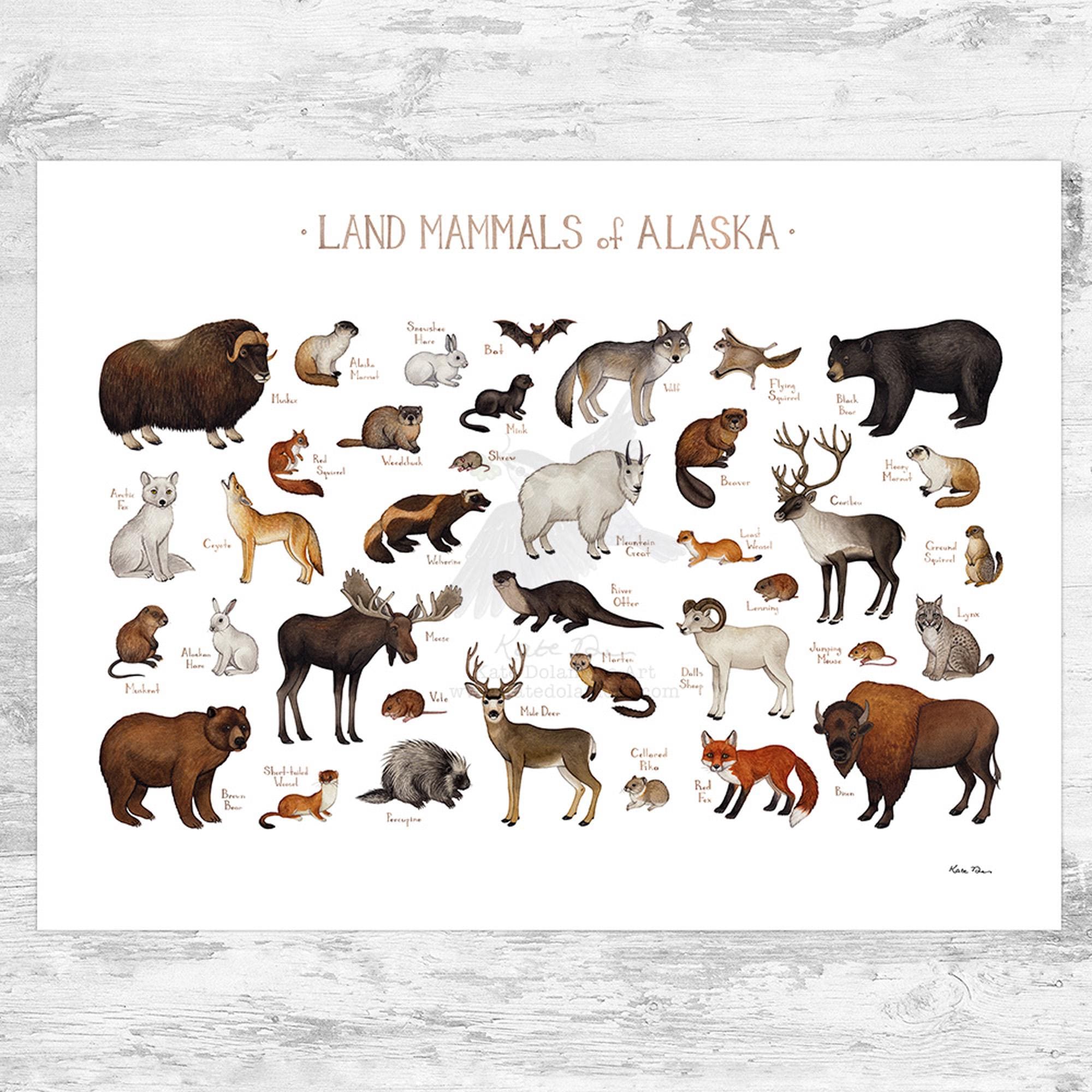
Don’t overlook the smaller creatures that contribute to the vibrant tapestry of Alaskan wildlife. This includes a variety of squirrels, hares, marmots, and the industrious beaver.
Birds of Alaska: Feathered Wonders
Alaska’s diverse habitats, from coastal marshes to alpine peaks, attract a spectacular array of birdlife, making it a paradise for birdwatchers.
Eagles: Symbols of the Sky
Alaska is renowned for its high concentration of bald eagles.
Bald Eagles
These majestic birds are a common sight, especially in coastal areas and near major rivers. Watching a bald eagle soar overhead or perch in a tree is a quintessential Alaskan experience. Areas like the Chilkoot River near Haines are particularly good for observing them.
Golden Eagles
While less numerous than bald eagles, golden eagles also inhabit parts of Alaska, typically in more remote, mountainous regions.
Waterfowl and Seabirds
Alaska’s extensive coastlines and interior lakes and rivers support a massive population of waterfowl and seabirds.
Migratory Waterfowl
During spring and fall, Alaska becomes a critical staging ground for millions of migratory ducks, geese, and swans. The Yukon Delta National Wildlife Refuge is a particularly important breeding ground.
Seabirds
The dramatic cliffs and offshore islands of Alaska are home to vast colonies of seabirds. Puffins, murres, kittiwakes, and cormorants can be observed in large numbers. Cruising through the fjords of Southeast Alaska or visiting islands like those in Kodiak Island Borough offers excellent opportunities to see these species.
Birds of Prey
Beyond eagles, other birds of prey grace the Alaskan skies.
Owls
The boreal forests and tundra provide habitat for various owl species, including the great horned owl, snowy owl, and the magnificent great grey owl.
Falcons and Hawks
Peregrine falcons, gyrfalcons, and various hawk species are also found throughout the state, contributing to the aerial predator community.
Shorebirds and Songbirds
The tundra becomes alive with the calls of numerous shorebirds during the brief summer months. In the forests, you can find a variety of songbirds, warblers, thrushes, and woodpeckers.
Fish and Aquatic Life: The Lifeblood of Alaska
Alaska’s pristine rivers, lakes, and ocean waters are incredibly rich in fish and other aquatic life, supporting both its ecosystem and its economy.
Salmon: The Icon of Alaska
The five species of Pacific salmon—chinook, sockeye, coho, pink, and chum—are arguably the most important fish in Alaska. Their annual spawning runs are a spectacular natural event, drawing bears, eagles, and other wildlife, and are a vital food source for many. Locations like Katmai National Park and Preserve are renowned for salmon viewing.
Other Fish Species
Beyond salmon, Alaska’s waters are home to a vast array of other fish.
- Halibut: This large flatfish is a prized catch for sport and commercial fishing.
- Trout and Char: Dolly Varden, Arctic char, and various trout species inhabit Alaska’s freshwater systems.
- Cod and Pollock: These species are abundant in the Gulf of Alaska and contribute significantly to the commercial fishing industry.
- Shellfish: Alaska’s cold, clean waters are also home to abundant populations of crab (King crab, Snow crab), shrimp, and clams.
Reptiles and Amphibians
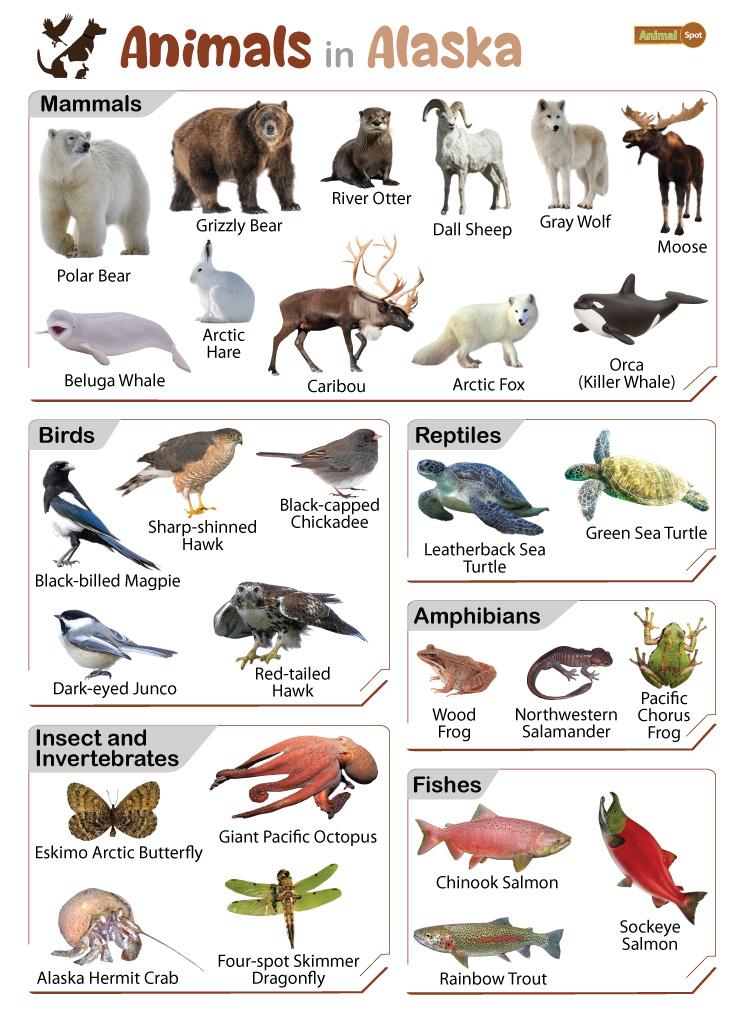
While not as prominent as its mammals and birds, Alaska does host a small number of reptiles and amphibians, primarily in its more southern and interior regions where conditions are milder. Frogs and toads are the most common, with species like the wood frog and the boreal chorus frog found in suitable habitats. Alaska’s cold climate limits the diversity and range of these cold-blooded animals.
Observing wildlife in Alaska requires respect, patience, and awareness. By understanding the diverse animals that call this magnificent state home, visitors can gain a deeper appreciation for its wild beauty and the importance of conservation efforts. Always remember to maintain a safe distance, never feed wildlife, and be prepared with appropriate gear for any wildlife viewing excursion.
LifeOutOfTheBox is a participant in the Amazon Services LLC Associates Program, an affiliate advertising program designed to provide a means for sites to earn advertising fees by advertising and linking to Amazon.com. Amazon, the Amazon logo, AmazonSupply, and the AmazonSupply logo are trademarks of Amazon.com, Inc. or its affiliates. As an Amazon Associate we earn affiliate commissions from qualifying purchases.