
The Enduring Allure of “The Last Frontier”
The vast, untamed wilderness of Alaska conjures images of towering glaciers, immense national parks, and abundant wildlife. It is a land that has long captured the imagination of explorers, adventurers, and nature enthusiasts alike. Fittingly, the state carries a nickname that perfectly encapsulates its unique character and appeal: “The Last Frontier.” This moniker is not merely a catchy slogan; it deeply reflects Alaska’s historical significance, its geographical isolation, and its enduring spirit of exploration and self-reliance.
Historical Roots of “The Last Frontier”
The origin of the nickname “The Last Frontier” is intertwined with America’s westward expansion. As the continental United States was settled and developed, Alaska remained largely unexplored and undeveloped, a vast expanse that seemed to mark the end of the line for American territorial growth. The term gained prominence in the early 20th century, particularly around the time of Alaska’s territorial period, and was further cemented in the public consciousness by the 1959 novel “The Last Frontier” by Howard R. Fast. The novel, while fictional, tapped into the prevailing sentiment of a land on the edge of civilization, ripe for discovery and settlement. This historical context imbues the nickname with a sense of epic journey and the final chapter of American continental exploration. It speaks to the courage and determination of those who ventured into its rugged landscapes, seeking opportunity and a new life.
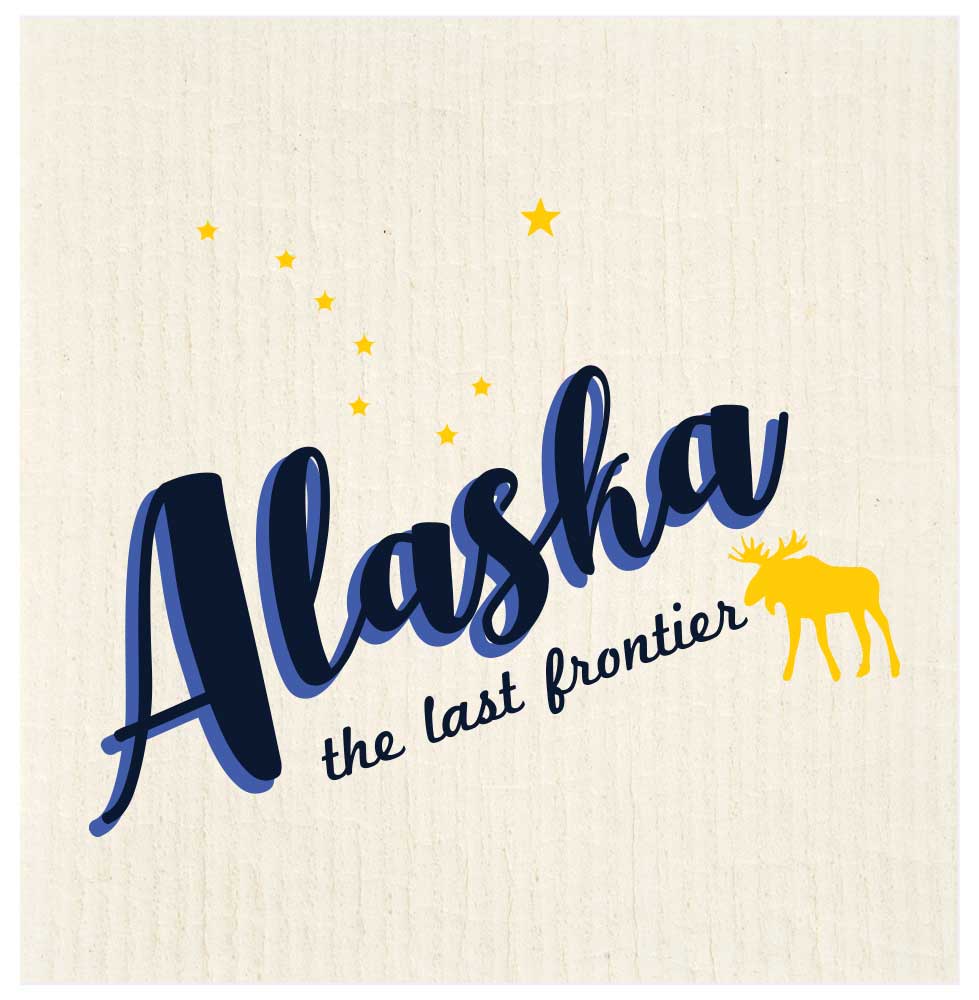
Geographic Identity and the Frontier Spirit
Geographically, Alaska’s nickname is undeniably accurate. Its sheer size, covering over 665,000 square miles, and its remote location at the northwestern extremity of North America distinguish it from the contiguous United States. Much of the state is characterized by rugged terrain, including the Brooks Range and the Alaska Range, home to the continent’s highest peak, Denali. This dramatic topography, coupled with its vast wilderness areas, often evokes a sense of being on the edge of the known world. The “frontier” aspect also relates to the concept of undeveloped land, a place where nature still reigns supreme and human settlements are often sparse. This ruggedness fosters a distinct spirit among Alaskans, characterized by resilience, independence, and a deep connection to the natural environment. This spirit is a direct descendant of the pioneers who braved the challenges of this immense territory.
Tourism and the “Last Frontier” Experience

For travelers, “The Last Frontier” is more than just a nickname; it’s an invitation to experience a truly unique destination. The allure of Alaska lies precisely in its untamed beauty and the opportunities it offers for adventure and exploration. Visitors are drawn to its iconic attractions, such as the majestic Denali National Park and Preserve, where they can witness incredible wildlife like grizzly bears, caribou, and wolves in their natural habitat. The breathtaking glacial landscapes of Kenai Fjords National Park and the historic gold rush towns like Skagway further contribute to the “frontier” experience.
Exploring the Wilderness
The “frontier” spirit translates into a myriad of outdoor activities. Visitors can embark on wilderness treks, kayak through pristine fjords, try their hand at fishing in abundant rivers, or witness the awe-inspiring spectacle of the Northern Lights. The sheer scale of Alaska means that vast swathes of land remain wild and untouched, offering unparalleled opportunities for true exploration. This sense of venturing into the unknown, of discovering hidden gems, is a hallmark of the Alaska travel experience.
Cultural Encounters
Beyond the natural wonders, “The Last Frontier” also encompasses a rich tapestry of local culture. Indigenous communities, with their ancient traditions and deep connection to the land, are an integral part of Alaska’s identity. Experiencing the art, music, and storytelling of the Yup’ik, Inupiat, Tlingit, and Haida peoples offers a profound understanding of the human history within this vast landscape. The legacy of Russian exploration and the influx of settlers during the Klondike Gold Rush also contribute to the diverse cultural heritage that defines this frontier.
Planning Your Alaskan Adventure
To truly embrace the “Last Frontier” experience, thoughtful planning is essential. Traveling to Alaska often involves longer distances and a greater reliance on self-sufficiency, embodying the frontier ethos. Whether one chooses to explore via a scenic cruise along the coastline, embark on an independent road trip to remote outposts, or immerse oneself in the wilderness through guided expeditions, the journey itself becomes part of the adventure. Accommodations range from cozy lodges nestled in the wilderness to comfortable hotels in cities like Anchorage and Juneau, each offering a unique perspective on life in this magnificent state.

The Enduring Symbolism of “The Last Frontier”
The nickname “The Last Frontier” continues to resonate because it speaks to something primal within the human spirit – the desire to explore, to discover, and to connect with the wild. It represents not just a geographical location, but a state of mind, a call to adventure that beckons those seeking experiences beyond the ordinary. In a world that feels increasingly interconnected and explored, Alaska remains a place where the spirit of the frontier can still be felt, where nature’s grandeur is on full display, and where the enduring allure of the unknown continues to captivate. It is a reminder of the vastness of our planet and the persistent call of the wild, a call embodied by the very essence of “The Last Frontier.” The state’s commitment to preserving its natural beauty and cultural heritage ensures that this frontier spirit will continue to inspire generations of adventurers and nature lovers for years to come.
LifeOutOfTheBox is a participant in the Amazon Services LLC Associates Program, an affiliate advertising program designed to provide a means for sites to earn advertising fees by advertising and linking to Amazon.com. Amazon, the Amazon logo, AmazonSupply, and the AmazonSupply logo are trademarks of Amazon.com, Inc. or its affiliates. As an Amazon Associate we earn affiliate commissions from qualifying purchases.