
The United States is a land of vast expanses, a nation defined by its diverse geography, from the sun-drenched beaches of Florida to the rugged peaks of the Rocky Mountains. Within this impressive continental tapestry, two states consistently emerge in discussions of sheer scale: Texas and Alaska. While both are titans in terms of landmass, a direct comparison reveals a striking difference in their immensity, impacting everything from potential travel itineraries to the very nature of their natural resources. This exploration delves into the geographical realities, highlights the unique landscapes, and considers the implications of their sizes for those seeking to explore these colossal destinations.
A Geographical Showdown: Size Matters
When the question arises about which state reigns supreme in terms of land area, the answer is unequivocally Alaska. This northernmost state of the United States dwarfs its southern contender by a significant margin. Understanding the precise figures is key to appreciating this geographical disparity.
The Numbers Game
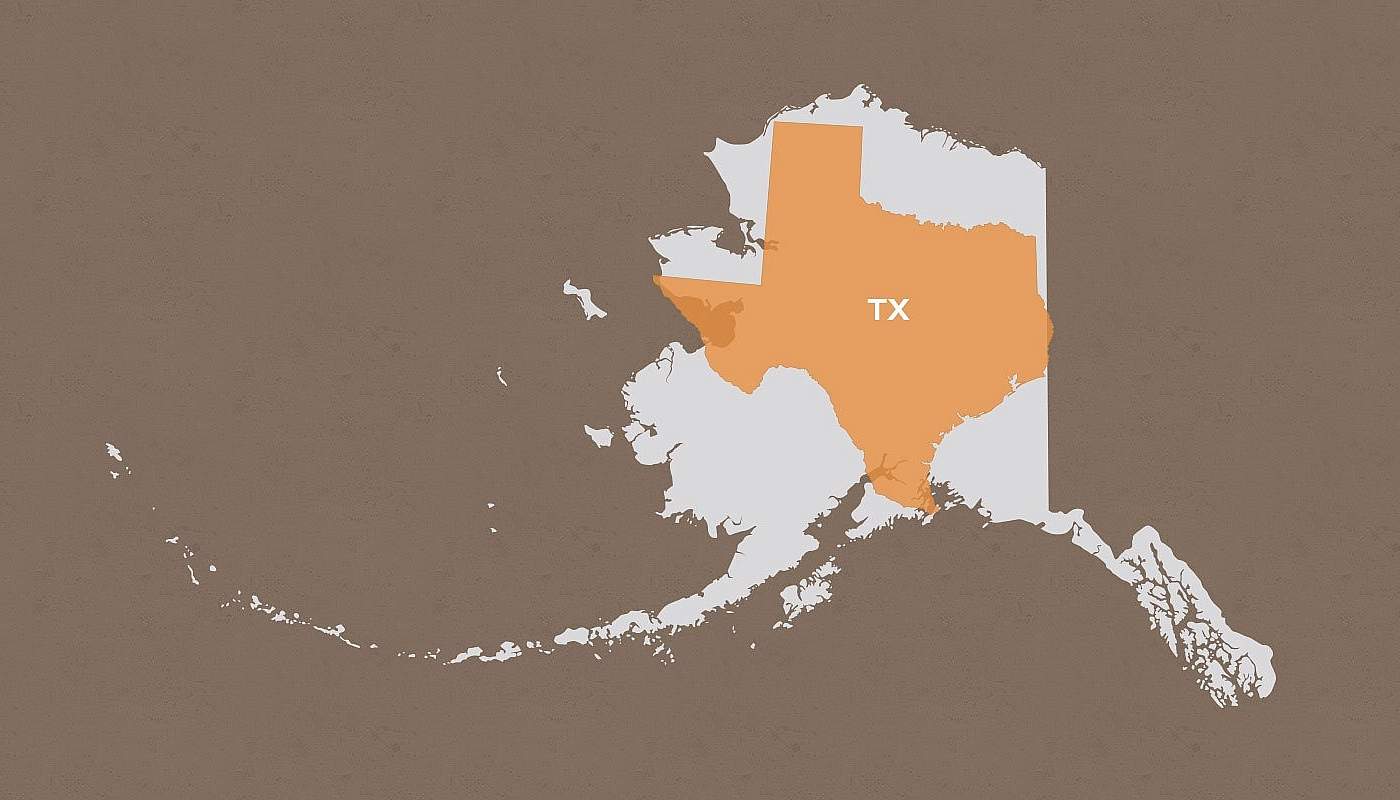
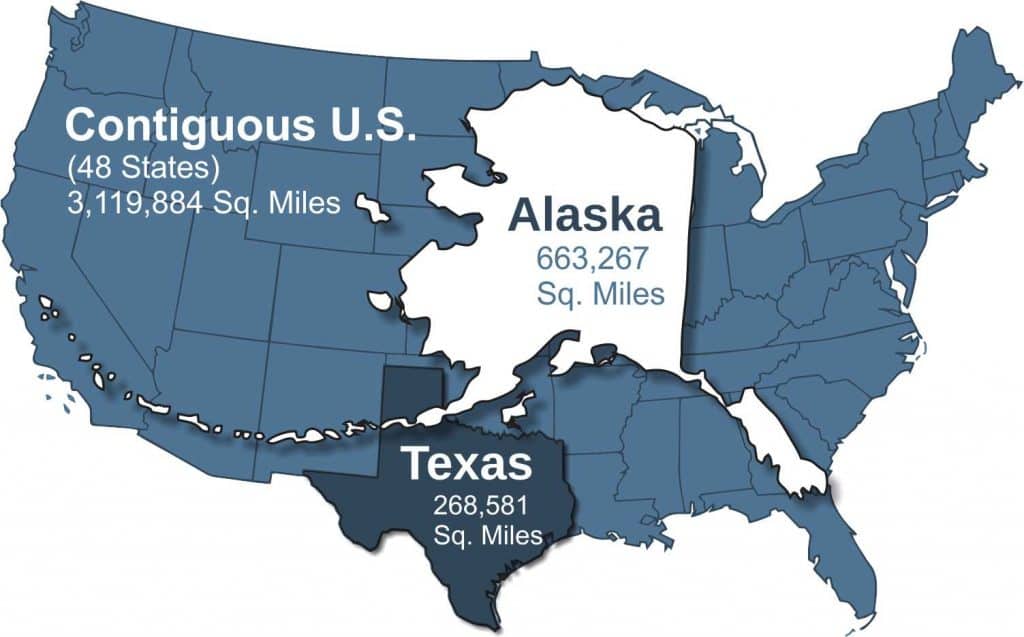
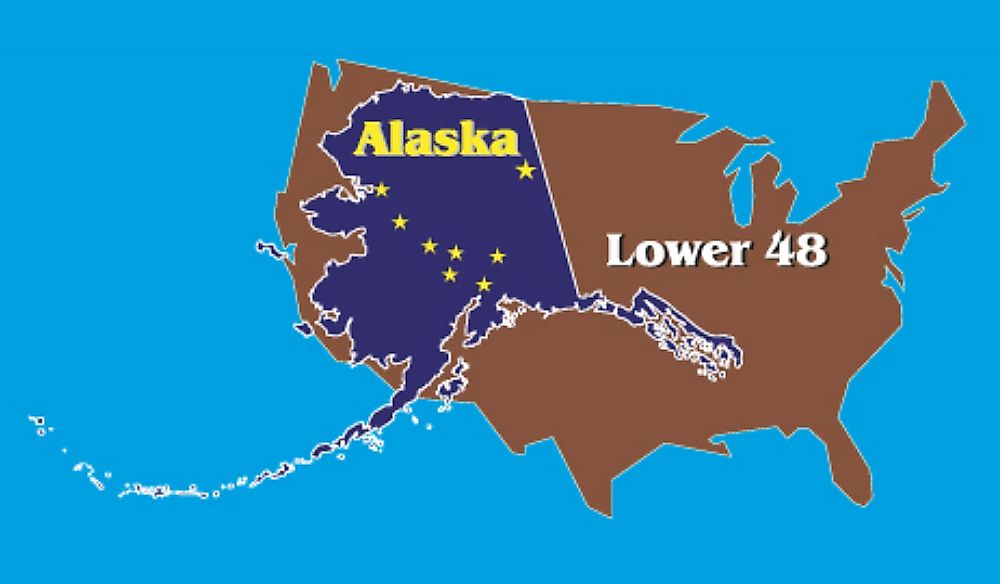
Alaska boasts a total area of approximately 665,384 square miles. This colossal figure encompasses land and water, making it the largest state in the United States by a considerable margin. To put this into perspective, Alaska is more than twice the size of Texas.
Texas, while undeniably vast and the second-largest state in the contiguous United States, measures in at around 268,596 square miles. This includes both its land area and inland waters. The difference is substantial, highlighting Alaska’s unparalleled dominion over space.
Visualizing the Scale
To truly grasp the difference, imagine overlaying Texas onto a map of Alaska. You could fit Texas into Alaska more than twice over, with room to spare. This comparison underscores that while Texas is a giant among states, Alaska exists on an entirely different scale of immensity.
Exploring the Colossal Landscapes
The difference in size between Alaska and Texas directly translates into vastly different types of landscapes and, consequently, distinct travel experiences. Each offers a unique encounter with the grandeur of nature, albeit on very different canvases.
The Arctic Majesty of Alaska
Alaska’s immense size is matched by its dramatic and often untamed natural beauty. It is a land of superlatives: home to the tallest peak in North America, Denali (formerly Mount McKinley); vast glaciers, including the Hubbard Glacier and the Mendenhall Glacier; and an unparalleled coastline stretching for thousands of miles.
Wilderness and Wildlife
The sheer undeveloped acreage of Alaska means that wildlife viewing opportunities are abundant and often awe-inspiring. From the majestic grizzly bears of Katmai National Park to the migrating herds of caribou and the marine life that populates its icy waters, the state is a haven for biodiversity. Its national parks, such as Denali National Park and Preserve and Wrangell-St. Elias National Park and Preserve, are vast wilderness areas that require extensive planning for exploration.
The Aurora Borealis
Alaska’s northerly latitude makes it one of the premier locations in the world to witness the Aurora Borealis, or Northern Lights. Cities like Fairbanks are renowned for their accessibility to viewing this celestial spectacle, a direct benefit of the state’s immense northern reach.
The Diverse Terrain of Texas
While not on the same scale as Alaska, Texas offers a remarkable diversity of landscapes within its expansive borders. Its size allows for a variety of climates and geographical features, making it a compelling travel destination in its own right.
Coastal Plains and Prairies
The eastern and southern parts of Texas are characterized by rolling plains and a long coastline along the Gulf of Mexico. This region is home to major cities like Houston and Corpus Christi, offering a blend of urban attractions and coastal retreats.
The Hill Country and West Texas
Moving westward, the landscape transforms into the picturesque Texas Hill Country, known for its rolling hills, clear rivers, and charming small towns like Fredericksburg and Austin. Further west still lies the stark beauty of the Chihuahuan Desert, with its unique flora and dramatic rock formations.
Natural Wonders
Texas also boasts impressive natural landmarks, such as the Big Bend National Park, a remote and rugged expanse that mirrors some of the wildness found in western states, and the Guadalupe Mountains National Park, home to the highest point in Texas.
Implications for Travel and Exploration
The sheer size difference between Alaska and Texas has profound implications for any traveler considering an excursion to these states. Planning, logistics, and the very nature of the experience are shaped by the vastness.
Alaska: The Grand Expedition
Exploring Alaska is akin to undertaking a grand expedition. Its immense size means that covering significant ground requires considerable time and often specialized modes of transport.
Transportation and Accessibility
Due to its vast wilderness and dispersed population, travel in Alaska often relies on flights, ferries, or the Alaska Railroad. Driving long distances is common, but roads can be remote and conditions challenging, especially outside the summer months. The state’s size means that reaching certain attractions, like remote lodges or wilderness areas, can be an adventure in itself. For instance, reaching a glacier might involve a flightseeing tour or a multi-day cruise.
Time and Planning
A typical vacation to Alaska often necessitates a longer duration to truly appreciate its scale and diverse offerings. Trying to see too much in a short period would mean spending an inordinate amount of time in transit, detracting from the experience of immersing oneself in the landscape. It requires careful planning, often booking accommodations and tours months in advance, especially for popular destinations like Denali National Park or cruises through the Inside Passage.
Texas: A Diverse American Journey
Texas, while large, offers a more accessible and varied exploration for travelers. Its size allows for a road trip experience that can encompass vastly different environments within a reasonable timeframe.
Road Trip Potential
The extensive network of highways in Texas makes it an ideal state for road trips. You can drive from the bustling energy of Dallas to the serene beauty of the Hill Country or the stark landscapes of West Texas in a single journey, experiencing dramatic shifts in scenery along the way. The distances, while significant, are generally more manageable than those encountered in Alaska.
Variety of Experiences
Texas offers a rich tapestry of experiences, from the vibrant cultural scenes of its major cities like Austin, San Antonio, and Fort Worth, to its historic missions and the allure of its coastline. Visitors can enjoy world-class dining, live music, historical exploration, and outdoor adventures, all within the same state.
Conclusion: Two Giants, Distinct Charms
In the grand comparison of size, Alaska stands as the undisputed titan, its immense territory offering a profound sense of wilderness and raw natural power. It is a destination for those seeking the truly untamed, where vast distances and challenging conditions are part of the allure.
Texas, while smaller, is no less captivating. Its impressive size grants it a remarkable diversity of landscapes and experiences, making it a rich and varied destination for exploration and discovery. Both states, in their own colossal ways, embody the spirit of expansive American geography and offer unforgettable journeys for any adventurous traveler.
LifeOutOfTheBox is a participant in the Amazon Services LLC Associates Program, an affiliate advertising program designed to provide a means for sites to earn advertising fees by advertising and linking to Amazon.com. Amazon, the Amazon logo, AmazonSupply, and the AmazonSupply logo are trademarks of Amazon.com, Inc. or its affiliates. As an Amazon Associate we earn affiliate commissions from qualifying purchases.