
Alaska, the Last Frontier, is a land of unparalleled beauty and immense scale, offering a unique and challenging lifestyle for those who choose to call it home. It’s a place where the raw power of nature dictates the rhythm of daily life, where vast wilderness stretches to the horizon, and where communities are forged through shared resilience and a deep appreciation for the untamed. For the intrepid traveler seeking an experience far beyond the ordinary, understanding what it truly means to live in Alaska provides a profound insight into its allure. This isn’t just a destination; it’s an immersion into a world where the elements are a constant, and adventure is woven into the very fabric of existence.
The Immensity and Majesty of the Alaskan Landscape
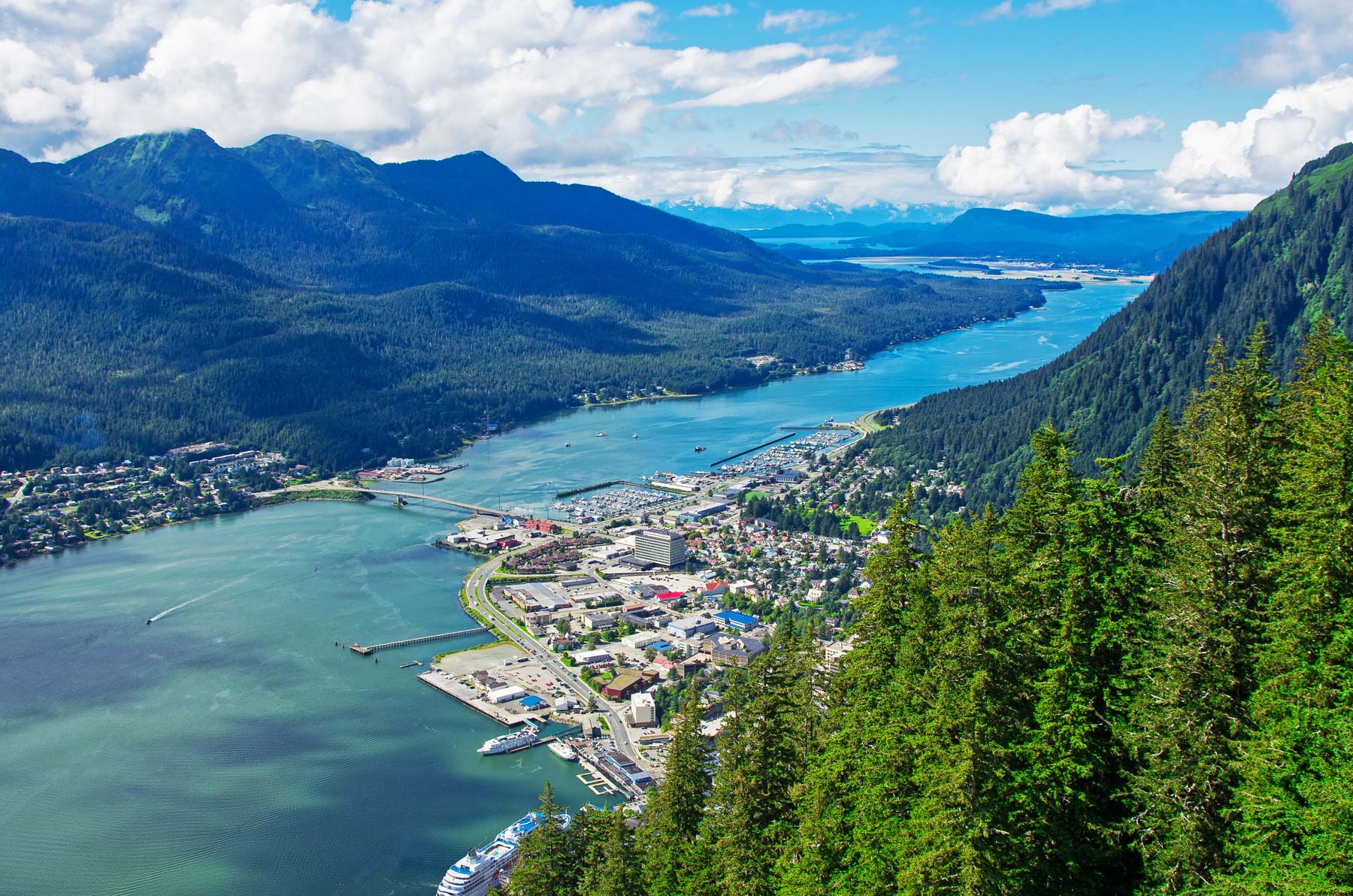
Alaska’s geography is its most defining characteristic, shaping everything from its economy to its culture. The sheer scale of the state is breathtaking. Covering over 665,000 square miles, it’s larger than Texas, California, and Montana combined. This vastness translates into an incredible diversity of environments, from the rugged, snow-capped peaks of the Alaska Range to the emerald-green fjords of the Inside Passage, and the expansive tundra of the Arctic.
Mountains and Glaciers
The state is home to some of North America’s highest mountains, including the iconic Denali, formerly known as Mount McKinley, standing at an imposing 20,310 feet. The presence of these giants influences weather patterns and provides dramatic backdrops for any Alaskan adventure. Glaciers are another prominent feature, covering approximately 3% of the state. Iconic glacial formations like the Mendenhall Glacier near Juneau or the vast ice fields of Wrangell-St. Elias National Park and Preserve are not just tourist attractions but living, breathing parts of the Alaskan environment that shape the land and its waters.
Coastal Wonders and Interior Vastness
Alaska’s coastline is the longest of any U.S. state, stretching for over 34,000 miles, including its numerous islands. This intricate network of bays, islands, and fjords supports a rich marine ecosystem and has historically been vital for transportation and sustenance. Cities like Ketchikan, Juneau, and Sitka thrive along the coast. Inland, the landscape transitions into vast boreal forests, rolling hills, and the seemingly endless expanse of the tundra. The interior, home to cities like Fairbanks, experiences more extreme temperature variations than the coast.
Embracing the Extremes: Alaska’s Climate and Seasons
Living in Alaska means adapting to a climate that is as dramatic and awe-inspiring as its scenery. The state experiences distinct seasons, each with its own set of challenges and unique charms.
The Long, Glorious Summer
Alaska’s summers are characterized by extended daylight hours, a phenomenon known as the “midnight sun.” In the northern regions, the sun may not set for weeks, providing ample time for exploration, outdoor activities, and a vibrant social scene in the cities. Temperatures can reach into the 70s and 80s Fahrenheit in the interior, making it a popular time for hiking, fishing, camping, and wildlife viewing. The landscape bursts with life, with wildflowers blooming and the wilderness teeming with activity.
The Profound Beauty of Winter
Winter in Alaska is a time of deep snow, sub-zero temperatures, and the return of darkness. While challenging, it’s also a magical period. The landscape transforms into a pristine, white wonderland, perfect for activities like skiing, snowboarding, snowshoeing, and dog sledding. The primary draw for many during winter is the chance to witness the spectacular Aurora Borealis. The long nights provide the ideal canvas for these celestial light shows, creating an unforgettable spectacle. Cities like Anchorage and Fairbanks offer winter festivals and events that celebrate the season.
The Transitional Periods: Spring and Fall
Spring in Alaska is a slow, determined awakening. As the snow melts, the land begins to thaw, and the days grow longer. This is a crucial time for wildlife as they emerge from hibernation and begin their mating seasons. Fall, or “Indian Summer” as it’s sometimes called, brings crisp air, stunning fall foliage in the interior’s forests, and a sense of urgency as communities prepare for the coming winter. It’s also a prime season for hunting and fishing.
The Alaskan Spirit: Resilience, Self-Reliance, and Community
Life in Alaska often fosters a strong sense of self-reliance and community. The demanding environment encourages people to be resourceful and independent, yet also deeply connected to their neighbors.
The Importance of Preparedness
Given the harsh climate and vast distances, preparedness is not just a suggestion; it’s a way of life. Alaskans are adept at planning for contingencies, whether it’s stocking up on supplies for winter, having reliable transportation, or understanding the importance of staying informed about weather conditions. This practical mindset extends to outdoor pursuits, where safety and knowledge of the wilderness are paramount.

A Culture of Resourcefulness and DIY
Many Alaskans embrace a do-it-yourself ethos. Whether it’s preserving food from summer harvests, repairing equipment, or building their own cabins, resourcefulness is a highly valued trait. This practical approach is deeply ingrained in the culture, born from necessity and a desire to live in harmony with the land.
Strong Community Bonds
Despite the sparse population, communities in Alaska are often incredibly close-knit. In remote towns, neighbors rely on each other for support, whether it’s during emergencies, for social gatherings, or simply for companionship. This sense of camaraderie is essential for navigating the isolation that can sometimes accompany life in such a wild expanse. Events like local festivals, potlucks, and volunteer efforts help to strengthen these bonds.
Opportunities and Challenges of Alaskan Living
Alaska offers a unique set of opportunities and challenges that distinguish it from life in the lower 48 states.
Economic Landscape
The Alaskan economy is diverse, with key sectors including oil and gas, fishing, tourism, and mining. Many find employment in these industries, while others pursue entrepreneurial ventures. The cost of living can be high, particularly for goods that need to be shipped in, and housing prices can vary significantly between urban centers like Anchorage and smaller, remote communities. The state’s unique tax structure, which includes oil revenue dividends, also plays a role in the economic picture.
Wildlife Encounters
Alaska is renowned for its abundant and diverse wildlife, from majestic moose and powerful bears to elusive wolves and vast herds of caribou. While observing these animals in their natural habitat is a thrilling aspect of Alaskan life, it also requires caution and respect. Understanding wildlife behavior and taking appropriate safety measures is crucial for both human and animal well-being.
Remoteness and Accessibility
The vastness of Alaska means that many communities are remote and accessible only by plane or boat. This isolation can be both a blessing and a curse, offering solitude and tranquility but also posing challenges for accessing services, specialized medical care, and sometimes even basic goods. The ferry system, Alaska Marine Highway System, provides a vital link for coastal communities.
Experiencing Alaska as a Visitor
For travelers, understanding the realities of Alaskan life enhances the appreciation for the destination. It’s about more than just seeing the sights; it’s about glimpsing the spirit of a place shaped by its extraordinary environment and the people who thrive within it.
Planning Your Alaskan Adventure
When planning a trip to Alaska, consider what kind of experience you’re seeking. Are you drawn to the dramatic fjords of the Inside Passage, the rugged interior wilderness, or the unique culture of its cities? Researching transportation options, accommodation, and the best times to visit for your desired activities will be key.
Immersing in Local Culture
Engaging with local culture is essential for a truly enriching visit. This can involve visiting Native Alaskan cultural centers to learn about the rich history and traditions of the Indigenous peoples, attending local festivals, or simply striking up conversations with residents. The warmth and hospitality of Alaskans often leave a lasting impression.

Embracing the Wild
Whether it’s a guided glacier hike, a wildlife cruise, or simply driving through breathtaking scenery, embracing Alaska’s wild nature is at the heart of any visit. Respecting the environment and the wildlife, and being prepared for changing conditions, will ensure a safe and memorable journey. Alaska is not just a place to see; it’s a place to experience with all your senses.
LifeOutOfTheBox is a participant in the Amazon Services LLC Associates Program, an affiliate advertising program designed to provide a means for sites to earn advertising fees by advertising and linking to Amazon.com. Amazon, the Amazon logo, AmazonSupply, and the AmazonSupply logo are trademarks of Amazon.com, Inc. or its affiliates. As an Amazon Associate we earn affiliate commissions from qualifying purchases.