
Fairbanks, Alaska, a city nestled in the heart of the Tanana Valley, is more than just a dot on the map; it’s a vibrant community shaped by its unique environment and pioneering spirit. Understanding its population is key to grasping the scale and character of this northern hub, influencing everything from its economic development to its cultural landscape and the very experience a visitor might have. While precise figures fluctuate with seasonal migrations and broader demographic trends, the population of Fairbanks provides a foundational context for exploring its offerings as a destination.
Fairbanks: A Snapshot of Its Inhabitants
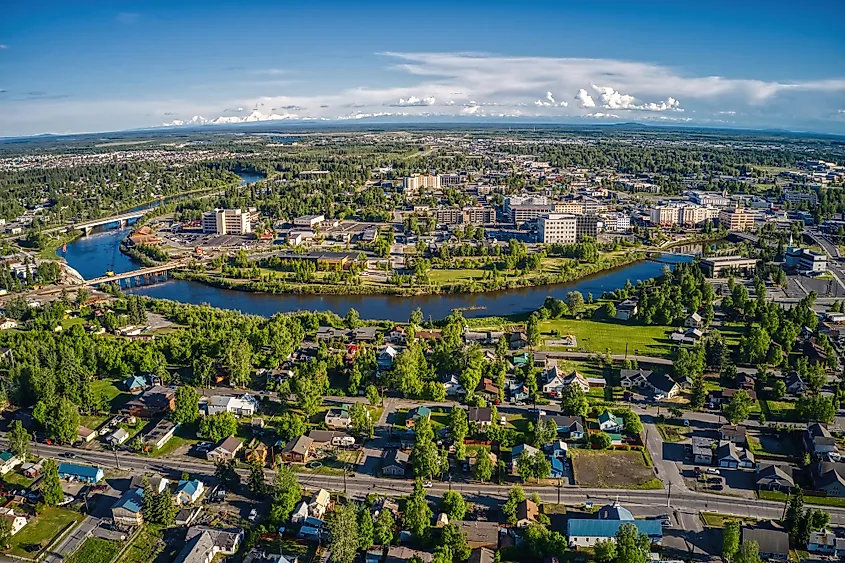
The population of Fairbanks, Alaska, as of recent estimates, hovers around the 32,000 to 34,000 mark for the city proper. However, this figure expands significantly when considering the greater Fairbanks North Star Borough, which encompasses surrounding communities and military installations. This larger metropolitan area boasts a population typically exceeding 98,000 residents. This distinction is crucial for travelers, as many attractions and amenities, including hotels and restaurants, are located within this broader borough, offering a wider range of experiences than the city limits alone might suggest.
Demographic Composition
Fairbanks is characterized by a diverse demographic makeup, reflecting its history as a frontier town and its role as a significant military post. The presence of Fort Wainwright, a U.S. Army installation, contributes a substantial transient population of service members and their families, influencing the local economy and social fabric. This military presence also introduces a dynamic element, with personnel frequently rotating in and out, which can impact short-term population figures and the demand for local services.
Beyond the military influence, Fairbanks draws residents from various backgrounds, united by a common appreciation for the Alaskan lifestyle. Indigenous Alaskan populations, including those of Koyukon Athabascan heritage, are integral to the cultural tapestry of the region, contributing unique traditions, art, and perspectives. The city also attracts professionals, entrepreneurs, and individuals drawn to the natural beauty and unique opportunities offered in Interior Alaska.
Growth and Trends
Like many northern communities, Fairbanks experiences seasonal population shifts. During the long, dark winters, the population tends to stabilize, while the warmer summer months see an influx of tourists and temporary workers, particularly in industries like tourism and construction. While not experiencing explosive growth like some Sun Belt cities, Fairbanks maintains a steady population, reflecting its enduring appeal as a regional center and a gateway to the Alaskan wilderness. Understanding these trends can help visitors anticipate the atmosphere and availability of services during their planned trip.
The Impact of Population on Tourism
The population of Fairbanks, Alaska, has a direct and indirect influence on the tourism sector. A substantial resident population ensures a robust local economy that can support a variety of businesses catering to both locals and visitors, from restaurants and shops to tour operators and transportation services. The presence of a stable community also means a richer cultural scene, with local events, festivals, and museums that offer authentic experiences for travelers.
Supporting Infrastructure and Services
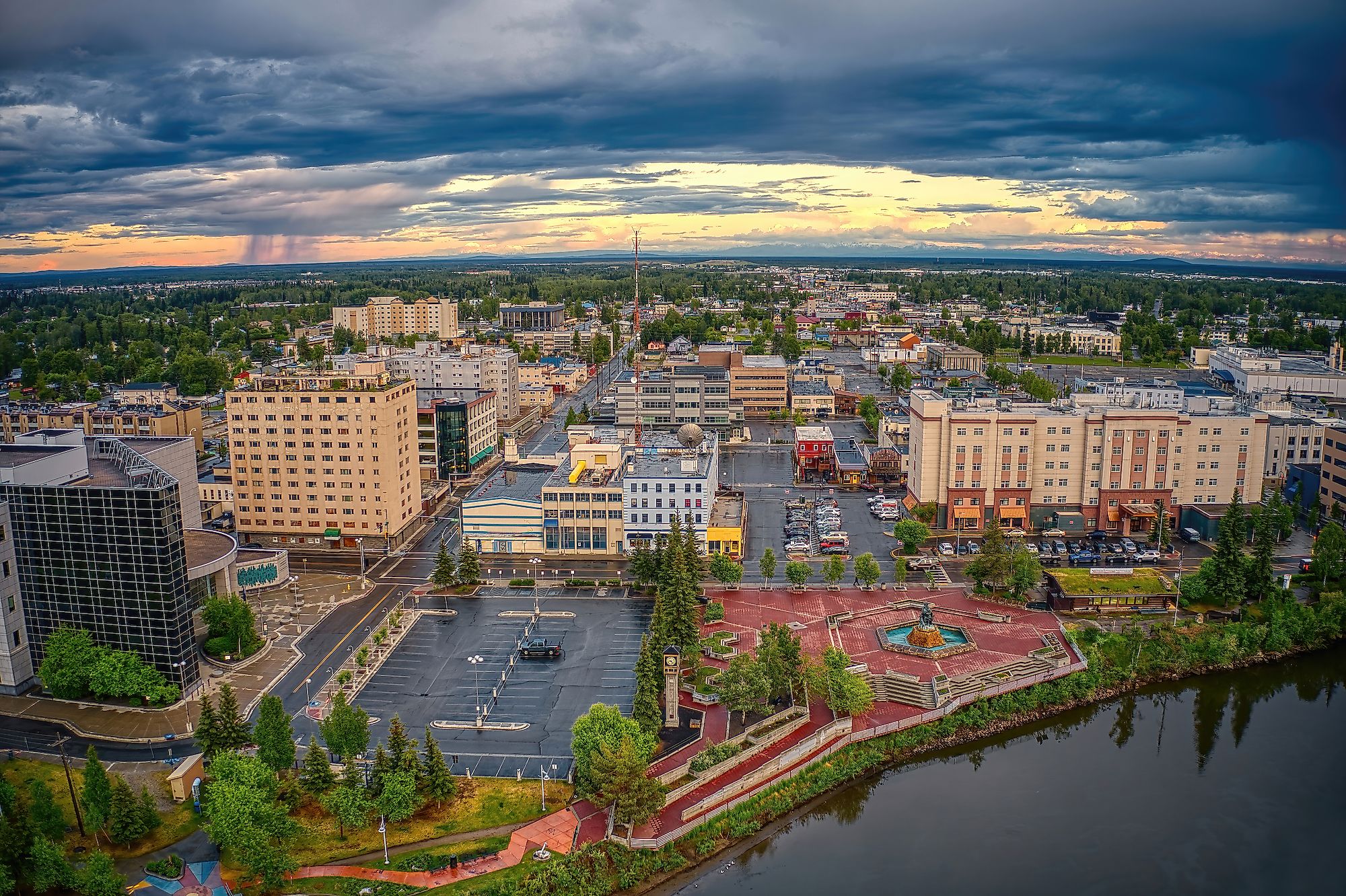
The population size dictates the scale and availability of essential tourism infrastructure. A city of Fairbanks’ size can support a range of accommodations, from large hotels like the SpringHill Suites by Marriott Fairbanks and the Hyatt Place Fairbanks to smaller inns and bed and breakfasts. It also means a developed transportation network, including the Fairbanks International Airport with connections to major hubs like Seattle, and a variety of tour operators offering excursions into the surrounding wilderness.
Local Culture and Experiences
The resident population is the bedrock of Fairbanks’ unique culture. Their traditions, history, and daily lives are what shape the authentic experiences available to visitors. From the local eateries serving Alaskan specialties to the artisans selling handmade crafts, the local community is the source of the authentic flavor of Fairbanks. The population’s engagement in preserving and sharing their heritage, particularly through institutions like the Morris Thompson Cultural and Visitors Center, enriches the travel experience immeasurably.
Experiencing Fairbanks: What the Population Means for Visitors
For a traveler planning a trip to Fairbanks, Alaska, understanding the population context helps set expectations and plan accordingly. The city’s size ensures a balance between accessibility and a sense of genuine Alaskan remoteness. It’s large enough to offer modern conveniences and a variety of choices but small enough to feel intimate and manageable.
Seasonal Variations and Planning
The seasonal influx of tourists means that accommodations and popular activities can book up quickly, especially during the peak summer months (June through August) and the aurora viewing season (late August through April). Knowing that Fairbanks is a regional hub with a consistent year-round population, albeit with seasonal variations, is important for booking flights and lodging. For instance, securing a room at a popular lodge or booking a guided tour to Denali National Park and Preserve requires advance planning, particularly if traveling during the busiest times.
Local Interaction and Immersion
The relatively manageable population size of Fairbanks fosters opportunities for meaningful interactions with locals. Unlike a massive metropolis, it’s often easier to strike up conversations with shopkeepers, guides, or fellow patrons at a local pub. These encounters can lead to invaluable insights into life in Interior Alaska, uncovering hidden gems and off-the-beaten-path experiences that might not be found in guidebooks. Engaging with the local community is a key aspect of experiencing the true spirit of Fairbanks.

Beyond the Numbers: The Spirit of Fairbanks
While the statistical population of Fairbanks, Alaska, provides a quantitative understanding, it’s the qualitative aspects of its community that truly define the destination. This is a place where residents are known for their resilience, ingenuity, and a deep connection to the land. This spirit is palpable in the warm welcome visitors receive and in the shared pride in their unique corner of the world. Whether you are interested in the magic of the Northern Lights dancing in the winter sky or the endless daylight of the summer solstice, Fairbanks offers an unforgettable Alaskan adventure, deeply rooted in the lives and character of its people.
LifeOutOfTheBox is a participant in the Amazon Services LLC Associates Program, an affiliate advertising program designed to provide a means for sites to earn advertising fees by advertising and linking to Amazon.com. Amazon, the Amazon logo, AmazonSupply, and the AmazonSupply logo are trademarks of Amazon.com, Inc. or its affiliates. As an Amazon Associate we earn affiliate commissions from qualifying purchases.