
Understanding the economic landscape of a destination is a crucial aspect of planning any trip, especially for travelers who aim to immerse themselves in the local experience and perhaps even take on temporary work or explore entrepreneurial opportunities. For those considering travel to Alaska, particularly for extended stays that might involve working alongside exploring its majestic wilderness, knowing the prevailing minimum wage is a fundamental piece of information. This knowledge not only aids in budgeting but also provides insight into the cost of living and the general economic environment of the Last Frontier.

In Alaska, the minimum wage is a state-mandated hourly rate that employers must pay their employees. This figure is adjusted periodically to reflect economic conditions, inflation, and legislative changes. For travelers looking to understand the financial underpinnings of a visit, especially those contemplating a working holiday or a longer-term stay that involves local employment, grasping the nuances of Alaska’s minimum wage laws is essential. It directly impacts potential earnings, the cost of goods and services, and the overall economic viability of spending time in this vast and unique state.
The Current Minimum Wage in Alaska
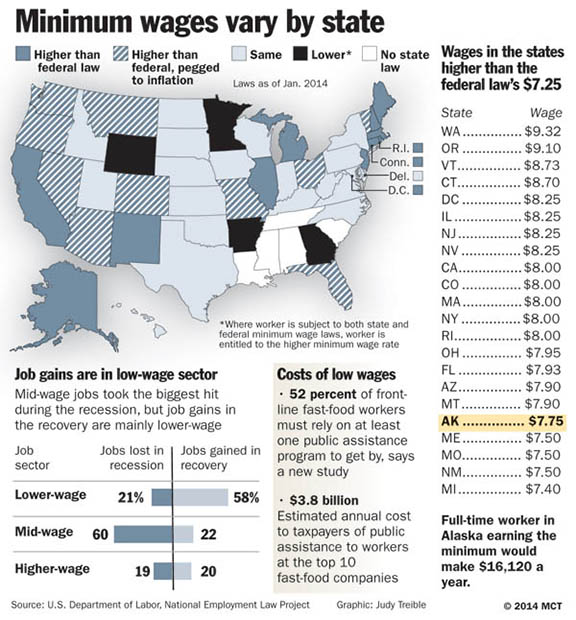
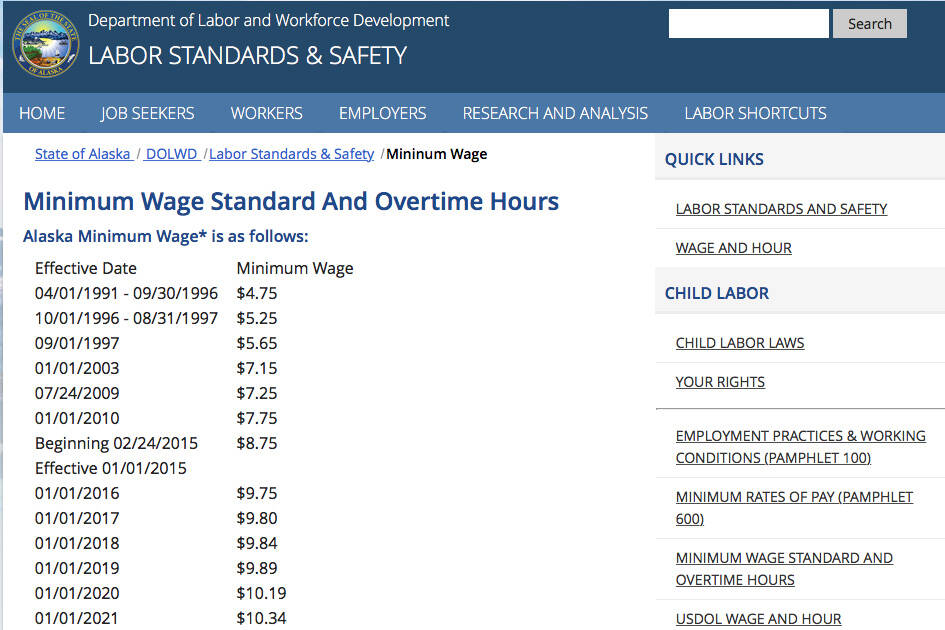
As of January 1, 2024, the minimum wage in Alaska is $11.55 per hour. This rate applies to most employees across the state, regardless of industry or the size of the employer. It’s important to note that this is a state-level minimum wage, and it generally supersedes any federal minimum wage requirements, as it is higher than the federal rate. This means that employers operating within Alaska are legally bound to pay at least $11.55 per hour to their employees for most positions.
This rate was established through legislative action and is subject to adjustments. The Alaska Department of Labor and Workforce Development is the agency responsible for overseeing and enforcing wage and hour laws, including the minimum wage. They also track economic indicators that may influence future adjustments to the minimum wage. For travelers, this figure serves as a baseline for understanding hourly earnings if one were to engage in local employment, whether for seasonal work in industries like tourism or fishing, or for any other type of job.
Factors Influencing Minimum Wage Adjustments
The minimum wage in Alaska is not static. It is influenced by several factors, including:
- Inflation: To maintain the purchasing power of the minimum wage, it is often adjusted to keep pace with the rate of inflation. When the cost of living rises, a corresponding increase in the minimum wage helps ensure that low-wage workers can still afford basic necessities.
- Legislative Action: The Alaska Legislature has the authority to pass new laws that raise or otherwise alter the minimum wage. These decisions are typically based on economic analysis, public opinion, and advocacy from labor groups and businesses.
- Economic Conditions: Broader economic factors, such as employment rates and economic growth within the state, can also play a role in discussions and decisions about adjusting the minimum wage. A strong economy might support higher wage floors, while a weaker one might lead to more cautious adjustments.
- Regional Cost of Living: While Alaska has a statewide minimum wage, the cost of living can vary significantly between its major cities like Anchorage and more remote communities. However, the state minimum wage applies uniformly, and local employers must adhere to this rate.
For travelers, understanding these influences provides context for the prevailing wage rate and its potential for future changes. It highlights that the $11.55 per hour is a snapshot in time and might evolve over subsequent years.
Implications for Travelers and Seasonal Workers
The minimum wage in Alaska has several implications for individuals considering traveling to the state, especially those who plan to work during their visit. This is particularly relevant for those seeking seasonal employment in sectors like tourism, hospitality, or the fishing industry, which are significant components of Alaska’s economy.
Budgeting and Cost of Living
For travelers, knowing the minimum wage can be a helpful tool for budgeting. If one plans to take on a job while in Alaska, understanding potential earnings per hour helps in estimating overall income. This, in turn, can inform decisions about accommodation, daily expenses, and activities. It’s also important to research the general cost of living in Alaska, as wages must be considered in relation to the price of goods and services. For instance, while $11.55 per hour might seem adequate in some regions, Alaska’s remote nature and specific logistical challenges can sometimes lead to higher prices for essentials.
Opportunities for Seasonal Employment
Alaska attracts many seasonal workers who come for the summer months to work in national parks like Denali National Park and Preserve, on cruise ships, or in lodges and tour operations. The minimum wage of $11.55 per hour sets the floor for wages in these entry-level positions. While many employers offer wages above the minimum, understanding this baseline is crucial for job seekers. It is advisable for potential seasonal workers to research specific employers and job roles to ascertain expected pay rates, benefits, and any potential for overtime. Some employers might also offer room and board as part of the compensation package, which can significantly impact the overall financial picture for a seasonal worker.
Understanding Employer Obligations
The minimum wage law in Alaska outlines specific obligations for employers. They are required to display posters detailing wage and hour laws, maintain accurate payroll records, and pay employees at least the state minimum wage for all hours worked. For travelers taking on employment, understanding these rights is important. If an employee believes they are not being paid correctly, they have recourse through the Alaska Department of Labor and Workforce Development. This ensures a fair working environment for all individuals contributing to the Alaskan economy.
Exemptions and Special Wage Rates
While the $11.55 per hour minimum wage is the general rule in Alaska, there are certain exceptions and special wage rates that may apply to specific categories of workers. Understanding these can provide a more comprehensive picture of wage regulations within the state.
Tipped Employees
In Alaska, there is no separate minimum wage for tipped employees. This means that employers must pay tipped employees at least the full state minimum wage of $11.55 per hour, regardless of the tips they receive. Tips are considered the property of the employee, and employers cannot keep them or use them to satisfy their minimum wage obligations. This differs from some other states where a lower cash wage is permitted for tipped workers, with tips making up the difference to the full minimum wage. For travelers working in restaurants, cafes, or bars in cities like Juneau or Fairbanks, this provides a strong baseline of earnings.
Youth Employment
Alaska does not have a specific sub-minimum wage for youth workers under the age of 18. Therefore, all employees under 18 years of age must be paid at least the standard state minimum wage of $11.55 per hour. This ensures that younger workers are compensated fairly for their labor, regardless of age.
Certain Other Exemptions
Federal and state labor laws can sometimes include exemptions for specific types of employment. These might include certain agricultural workers, individuals employed in executive, administrative, or professional capacities who meet specific salary and duties tests, or employees of small, family-owned businesses in specific circumstances, though such exemptions are often narrowly defined. It is always best to consult the official resources provided by the Alaska Department of Labor and Workforce Development for the most current and detailed information regarding any potential exemptions. For most travelers seeking employment in common tourist-related jobs, the $11.55 per hour rate will be the applicable minimum.
Navigating Employment Opportunities in Alaska
For travelers contemplating working in Alaska, understanding the minimum wage is just the first step. Successful navigation of the job market involves research, preparation, and an awareness of the unique opportunities and challenges presented by the state’s economy.
Researching Job Markets
Alaska’s economy is diverse, with key sectors including tourism, fishing, oil and gas, and government. For seasonal work, tourism and hospitality are often the most accessible. Websites like the Alaska Department of Labor and Workforce Development’s job service portal, as well as national job boards, can provide listings. Networking and reaching out directly to businesses in popular tourist destinations like Seward or Ketchikan can also be effective. Understanding the minimum wage helps in evaluating job offers and negotiating pay.
Preparing for the Job Search
When applying for jobs, especially seasonal ones, having a well-prepared resume that highlights relevant experience and skills is crucial. Many employers in Alaska seek individuals who are reliable, adaptable, and possess a strong work ethic, given the often challenging and remote working conditions. Familiarizing yourself with the types of jobs available and the typical pay scales, keeping the $11.55 minimum wage in mind as a baseline, will enhance your job search. For some positions, especially those involving customer service or specialized skills, wages may significantly exceed the minimum.
Resources for Workers
The Alaska Department of Labor and Workforce Development is the primary resource for information on minimum wage, labor laws, and worker rights. They offer guidance on filing complaints, understanding employment regulations, and accessing job services. For travelers new to the state, understanding these resources ensures they can work legally and have a clear understanding of their rights and responsibilities. This proactive approach can transform a travel experience into a financially sound and rewarding extended stay in the magnificent landscape of Alaska.
LifeOutOfTheBox is a participant in the Amazon Services LLC Associates Program, an affiliate advertising program designed to provide a means for sites to earn advertising fees by advertising and linking to Amazon.com. Amazon, the Amazon logo, AmazonSupply, and the AmazonSupply logo are trademarks of Amazon.com, Inc. or its affiliates. As an Amazon Associate we earn affiliate commissions from qualifying purchases.