
Understanding the demographic landscape of a region is crucial for appreciating its unique character, especially for a place as vast and sparsely populated as Alaska. While the question of “What is the population for Alaska?” might seem purely statistical, for travelers and enthusiasts of this remarkable state, it unlocks a deeper understanding of its wildness, its communities, and the very essence of the Alaskan experience. The relatively low population directly influences everything from the accessibility of its stunning natural wonders to the intimate nature of its cultural encounters.
The Numbers Game: Alaska’s Demographic Snapshot
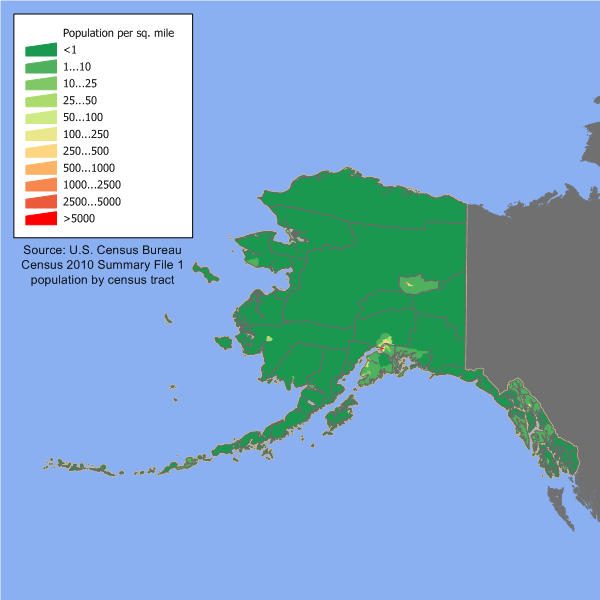
Alaska holds the distinction of being the largest state in the United States by area, yet it consistently ranks among the least populated. As of recent estimates, the population hovers around the 733,000 mark. This figure, when spread across over 665,000 square miles, paints a picture of incredible spaciousness. To put this into perspective, Alaska has an average population density of just over one person per square mile. This stark contrast with more densely populated states is a defining characteristic that shapes every aspect of visiting and exploring Alaska.

The low population density means that vast stretches of the state remain untouched wilderness, offering unparalleled opportunities for adventure and solitude. It also implies that settlements are often isolated, connected by long highways, ferry routes, or air travel. This geographical reality has fostered a resilient and self-reliant culture among Alaskans, a spirit that travelers often find captivating.
Key Demographic Trends
- Urban Centers: Despite the state’s overall sparseness, a significant portion of Alaska’s population is concentrated in a few key urban areas. Anchorage, the state’s largest city, is home to roughly 40% of the population. Other significant population centers include Fairbanks, Juneau (the capital), and Wasilla. These cities serve as hubs for commerce, transportation, and cultural activities, offering a more conventional urban experience within the wilderness context.
- Rural and Remote Communities: The remaining population is scattered across numerous small towns and villages, many of which are accessible only by air or sea. These communities, often rooted in Indigenous Alaskan cultures, offer a glimpse into traditional ways of life and a profound connection to the natural environment.
- Age Distribution: Alaska has a relatively young population compared to the national average, with a notable proportion of residents under the age of 18. This demographic contributes to a dynamic and forward-looking society.
- Ethnic Diversity: While predominantly Caucasian, Alaska boasts a rich tapestry of ethnic and cultural backgrounds, with significant Indigenous populations including the Tlingit, Haida, Tsimshian, Aleut, Inupiat, and Yup’ik peoples. These Indigenous cultures are integral to Alaska’s identity and offer unique experiences for visitors interested in learning about the state’s heritage.
Implications for Travelers and Explorers
The population statistics for Alaska have profound implications for anyone planning a trip to the Last Frontier. Understanding these numbers helps set expectations and can guide the planning process for a more fulfilling and immersive experience.
Embracing the Vastness
The low population density is precisely what draws many to Alaska: the promise of unspoiled nature, abundant wildlife, and the feeling of being truly away from it all. When you gaze upon the towering peaks of the Alaska Range, or cruise through the pristine waters of the Inside Passage, you are experiencing landscapes that are largely unmarred by human development. This sense of vastness is a direct consequence of its low population.
- Wildlife Encounters: The abundant wildlife, from majestic moose and caribou to powerful bears and soaring eagles, thrives in Alaska precisely because of its undeveloped spaces. You are more likely to encounter these creatures in their natural habitat than to encounter large crowds.
- Solitude and Serenity: For travelers seeking peace and quiet, Alaska offers unparalleled opportunities. Hiking trails, fishing spots, and scenic viewpoints are often enjoyed with minimal company, allowing for a deep connection with nature.
- Adventure Opportunities: The sheer scale of the state allows for a wide range of adventure activities, from world-class backcountry skiing and mountaineering to kayaking in remote fjords and exploring glaciers. The limited human presence means that these adventures often take place in truly wild environments.
Navigating Infrastructure and Accessibility
The flip side of Alaska’s vastness and low population is that infrastructure and accessibility can be challenging. This is a crucial consideration for any visitor.
- Transportation: Getting around Alaska often requires careful planning. While major cities are connected by highways, many destinations are only reachable by air or by the Alaska Marine Highway ferry system. This can make travel more time-consuming and expensive than in other states. Smaller towns and remote lodges are frequently accessible only by floatplane or bush plane, adding an element of adventure to the journey itself.
- Services: Outside of the larger cities, services such as lodging, dining, and fuel can be spread out. It is essential to plan your itinerary, book accommodations in advance, and be prepared for longer stretches between amenities, especially when venturing into more remote areas.
- Connectivity: Cell service and internet access can be unreliable or nonexistent in many parts of the state. While this can be a welcome digital detox for some, it’s important to be prepared and ensure you have necessary offline maps and communication plans.
Cultural Encounters: A Personal Connection
The intimate nature of Alaska’s population fosters unique and personal cultural encounters. Unlike crowded tourist hotspots, interactions in Alaska often feel more genuine and direct.
Indigenous Heritage and Community
Alaska’s Indigenous peoples have a deep and enduring connection to the land, and their vibrant cultures are a cornerstone of the state’s identity. Understanding the population distribution highlights the importance of these communities.
- Respectful Engagement: Visiting Alaska provides an opportunity to learn about and respectfully engage with Native Alaskan cultures. Many towns and villages offer cultural centers, museums, and guided tours that provide insights into their history, traditions, art, and way of life. Supporting these initiatives directly benefits the communities.
- Storytelling and Traditions: The spirit of storytelling is strong in Alaska. Whether through attending a traditional dance performance, visiting a local art gallery showcasing Indigenous crafts, or simply engaging in conversation with locals, you are likely to encounter rich narratives and a deep connection to heritage.
The Alaskan Spirit
The relatively small and spread-out population has forged a unique “Alaskan spirit” characterized by independence, resourcefulness, and a strong sense of community.
- Warm Hospitality: Despite the rugged environment, Alaskans are often known for their warmth and hospitality. In small towns, visitors are frequently welcomed with open arms, and there’s a genuine interest in sharing their unique corner of the world.
- Shared Experiences: Whether on a fishing charter, a wildlife cruise, or simply waiting for a ferry, the shared experience of navigating Alaska’s unique environment can lead to memorable interactions with fellow travelers and locals alike. The intimate scale of many activities fosters camaraderie.
Planning Your Alaskan Adventure with Population in Mind
When planning an Alaskan adventure, let the population statistics guide your expectations and your itinerary. It’s not just about the number of people, but about what that number represents: a frontier, a wild landscape, and a resilient culture.
- Timing Your Visit: The peak tourist season in Alaska generally corresponds with the summer months (June through August), when daylight hours are longest and weather is most favorable. During this time, popular destinations and lodges will be busier, though still far less crowded than major tourist hubs elsewhere. Shoulder seasons (May and September) offer fewer crowds and a different kind of beauty, with the potential for seeing the Northern Lights.
- Choosing Your Destinations: Consider what kind of experience you seek. For solitude and true wilderness, focus on areas outside the main urban centers, perhaps utilizing bush planes or ferries to access more remote locations. If you prefer more amenities and easier access, prioritize destinations like Anchorage, Juneau, or regions accessible by cruise ship like the Inside Passage.
- Booking in Advance: Given the dispersed population and the need for specialized transportation and lodging in many areas, booking accommodations, tours, and transportation well in advance is highly recommended, especially during peak season. This ensures you secure your preferred options and avoid disappointment.
In conclusion, the population of Alaska is a fundamental element of its identity. It’s a number that speaks to vastness, wilderness, unique cultural resilience, and the intimate scale of experiences that await those who venture to this extraordinary part of the world. By understanding and respecting these demographic realities, travelers can unlock the true magic of Alaska.
LifeOutOfTheBox is a participant in the Amazon Services LLC Associates Program, an affiliate advertising program designed to provide a means for sites to earn advertising fees by advertising and linking to Amazon.com. Amazon, the Amazon logo, AmazonSupply, and the AmazonSupply logo are trademarks of Amazon.com, Inc. or its affiliates. As an Amazon Associate we earn affiliate commissions from qualifying purchases.