
The vast and wild landscapes of Alaska are home to an incredible diversity of avian life, from the soaring bald eagle to the diminutive arctic tern. While many feathered creatures grace the skies and shores of the Last Frontier, one species holds the official title of the state bird. Understanding this choice offers a glimpse into the state’s natural heritage and the qualities Alaskans hold dear.
The Majestic Willow Ptarmigan: Alaska’s Avian Emblem
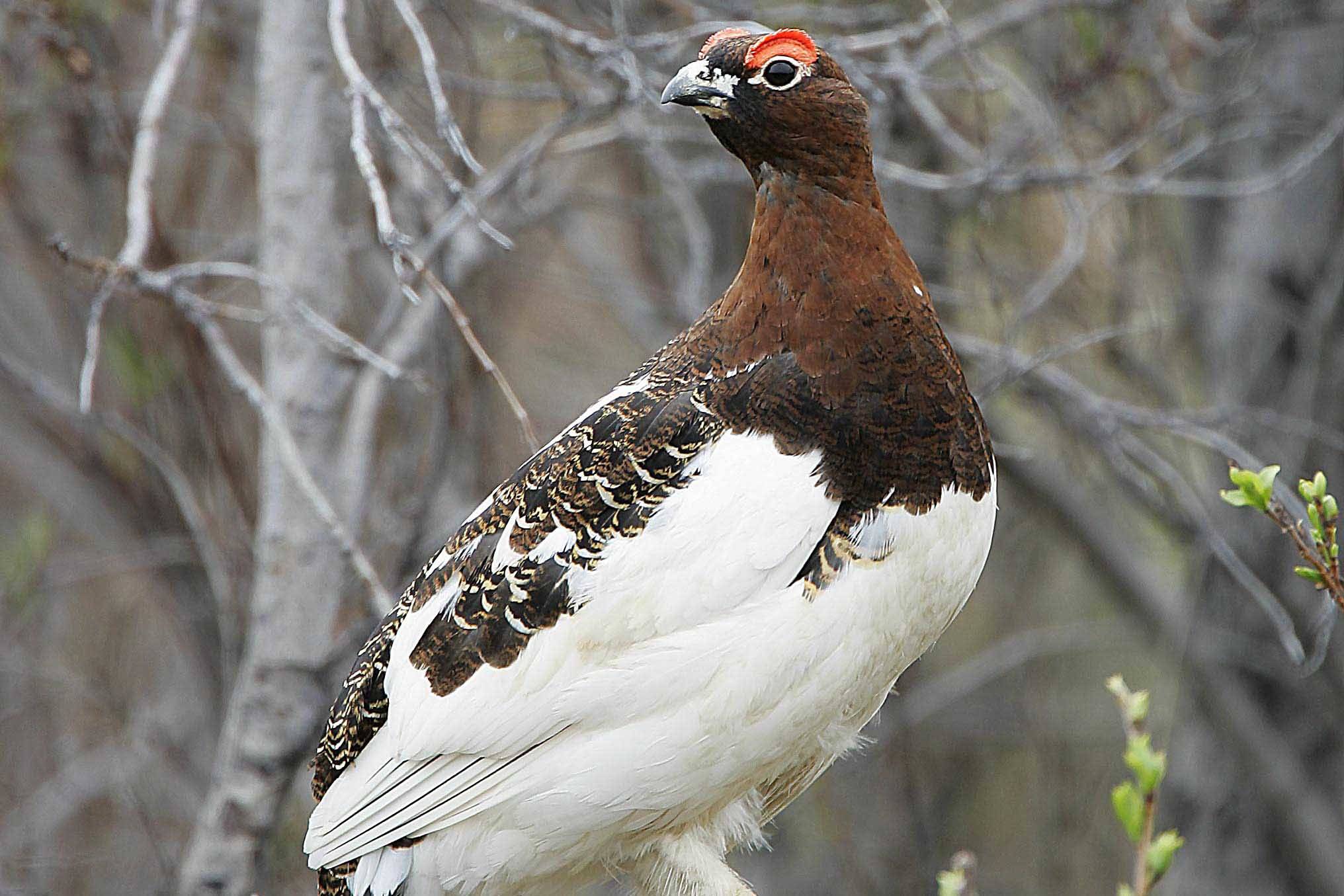
Alaska’s state bird is the willow ptarmigan (Lagopus lagopus). This remarkable game bird, a resident of the circumpolar north, embodies the resilience and adaptability required to thrive in the challenging Alaskan environment. Its presence throughout much of the state, particularly in the vast interior and northern regions, makes it a fitting symbol for Alaska.
Adapting to the Extreme Alaskan Seasons
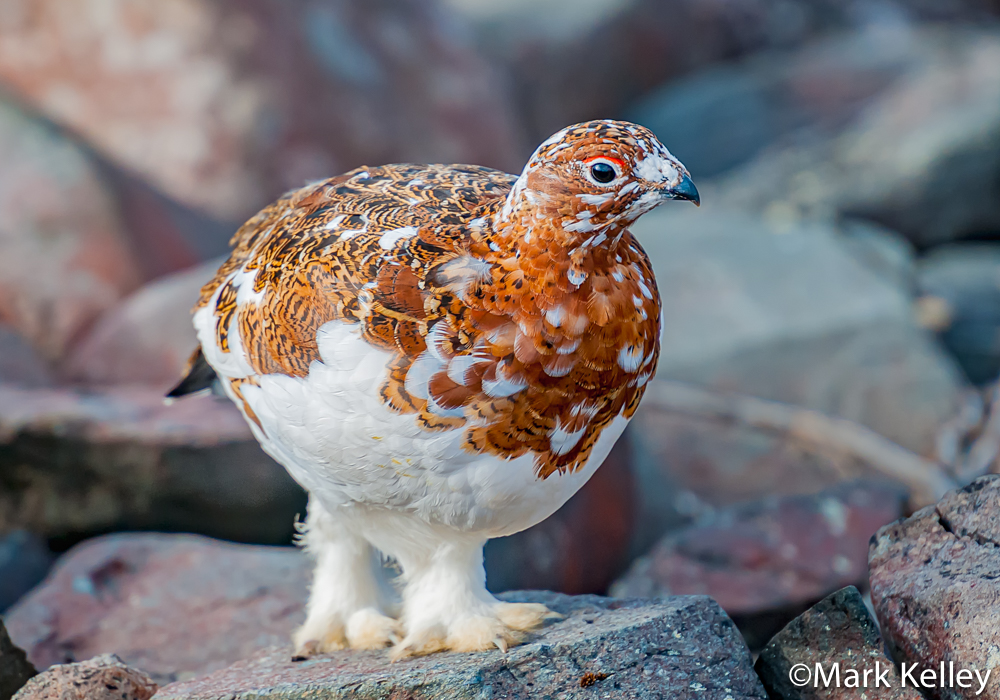
The willow ptarmigan is a master of camouflage and seasonal adaptation. During the harsh winter months, its plumage transforms from a mottled brown and gray to a pristine white, allowing it to blend seamlessly with the snow-covered tundra. This remarkable change provides crucial protection from predators and helps it conserve heat. As spring arrives and the snow recedes, its feathers gradually revert to a reddish-brown and gray pattern, mirroring the emerging vegetation. This annual molt is a testament to its evolutionary success in surviving Alaska’s extreme temperature fluctuations and light cycles.
A Symbol of Resilience and Endurance
The designation of the willow ptarmigan as the state bird is deeply rooted in its ability to endure the unforgiving conditions of the Alaskan wilderness. It is a bird that thrives where many others cannot, a characteristic that resonates with the spirit of the people who call Alaska home. Its strong presence across the state, from the Brooks Range to the Kenai Peninsula, signifies a connection to the wild heart of Alaska.
Habitat and Distribution
The willow ptarmigan is found in open, treeless habitats such as tundra, alpine meadows, and shrubby areas. In Alaska, this translates to vast expanses of rolling hills, mountain slopes, and the expansive northern tundra. They are non-migratory, meaning they remain in Alaska year-round, facing the full brunt of the Arctic seasons. Their ability to find food, such as buds, leaves, and berries, even under a layer of snow, further highlights their remarkable survival skills.
Culinary Significance and Cultural Ties
Beyond its symbolic importance, the willow ptarmigan also holds significance as a game bird. For centuries, Indigenous peoples of Alaska have hunted ptarmigan for sustenance, and it remains a popular quarry for sport hunters and subsistence communities today. This connection to the food chain and traditional practices adds another layer to its status as a state emblem, linking it to the history and culture of the region. The availability of ptarmigan has been crucial for many communities throughout the history of Alaska.
Beyond the State Bird: Other Notable Alaskan Avifauna
While the willow ptarmigan proudly represents Alaska, the state is a haven for numerous other fascinating bird species, each contributing to the ecological richness of the region. Birdwatching in Alaska is an unparalleled experience, offering opportunities to witness some of North America’s most iconic and elusive avian inhabitants.
The Iconic Bald Eagle
Perhaps the most recognizable bird of prey in North America, the bald eagle, is abundant in Alaska. Their presence is particularly noticeable along coastlines, rivers, and lakes, where they feed on fish. Watching a bald eagle soar overhead with its distinctive white head and tail is a quintessential Alaskan experience. Areas like the Chugach National Forest and the coast of Southeast Alaska are prime locations for spotting these magnificent birds.

Seabirds of the Alaskan Coasts
Alaska’s extensive coastline and numerous islands are vital breeding grounds for a staggering array of seabirds. Millions of birds, including puffins, gulls, terns, cormorants, and kittiwakes, flock to places like the Kenai Fjords National Park and the Pribilof Islands to nest and raise their young. The sheer density and diversity of these colonies create a breathtaking spectacle, especially during the summer months. Birding tours to these remote locations are highly sought after by enthusiasts.
Waterfowl of the Wetlands and Bays
The numerous wetlands, lakes, and sheltered bays across Alaska attract a wide variety of waterfowl. During migration seasons, these areas teem with ducks, geese, and swans, offering critical stopover points for their long journeys. Species like the harlequin duck and the king eider are particularly associated with Alaskan waters. Birdwatching in areas like the Yukon Delta National Wildlife Refuge can yield sightings of impressive numbers and species diversity.
Birds of the Interior Forests and Mountains
The interior forests of Alaska, dominated by boreal forests, support a different suite of bird species. Woodpeckers, various species of thrushes, warblers, and finches are common in these wooded areas. In the higher alpine regions, one might spot the elusive white-tailed ptarmigan (a close relative of the state bird) or the rugged raven. The Denali National Park and Preserve offers excellent opportunities to observe birds in a variety of interior habitats.
Experiencing Alaska’s Birds: Tips for Travelers
For visitors to Alaska, birdwatching can be a rewarding and integral part of their travel experience. The state’s vastness and diverse ecosystems offer unique opportunities to encounter a wide range of species, including its state bird, the willow ptarmigan.
Best Times and Places for Birding
The prime birding season in Alaska generally runs from late spring through summer (May to August). This is when migratory birds have arrived, and resident birds are actively breeding. Key locations for birdwatching include:
- Coastal Areas: Southeast Alaska, the Kenai Peninsula, and the Aleutian Islands are excellent for seabirds and shorebirds.
- Interior Regions: Denali National Park and Preserve and the area around Fairbanks offer opportunities to see forest and tundra species, including the willow ptarmigan.
- Western and Arctic Regions: The Yukon Delta and the Arctic coastal areas are crucial for waterfowl and migratory shorebirds, though access can be more challenging.
Essential Gear and Preparation
To maximize your birdwatching experience in Alaska, consider bringing:
- Binoculars: High-quality binoculars with good magnification are essential.
- Field Guide: A reliable field guide specific to North American birds or Alaskan birds will be invaluable.
- Camera: With a telephoto lens for capturing distant subjects.
- Appropriate Clothing: Layers are key in Alaska, as weather can change rapidly. Waterproof and windproof outer layers are highly recommended.
- Insect Repellent: Especially important during the summer months.
- Bear Safety Awareness: Be aware of your surroundings and carry bear spray when hiking in bear country.
Respecting the Wildlife and Environment
When observing any wildlife, including the willow ptarmigan and other birds, it is crucial to do so responsibly. Maintain a safe distance, avoid disturbing nesting sites, and never feed wild animals. Adhering to park regulations and leaving no trace ensures that Alaska’s natural beauty and wildlife populations can be enjoyed by future generations. Understanding and appreciating the state bird is a wonderful starting point for a deeper connection with the wild spirit of Alaska.
LifeOutOfTheBox is a participant in the Amazon Services LLC Associates Program, an affiliate advertising program designed to provide a means for sites to earn advertising fees by advertising and linking to Amazon.com. Amazon, the Amazon logo, AmazonSupply, and the AmazonSupply logo are trademarks of Amazon.com, Inc. or its affiliates. As an Amazon Associate we earn affiliate commissions from qualifying purchases.