
Understanding the time zone for Anchorage, Alaska is a fundamental piece of information for anyone planning a trip to this magnificent Alaskan city, whether for business, leisure, or a specific adventure. This knowledge ensures seamless coordination, accurate scheduling of flights and activities, and a smooth overall travel experience. Alaska observes a single time zone, which simplifies matters considerably once you know what it is.
Alaska’s Time Zone Designation
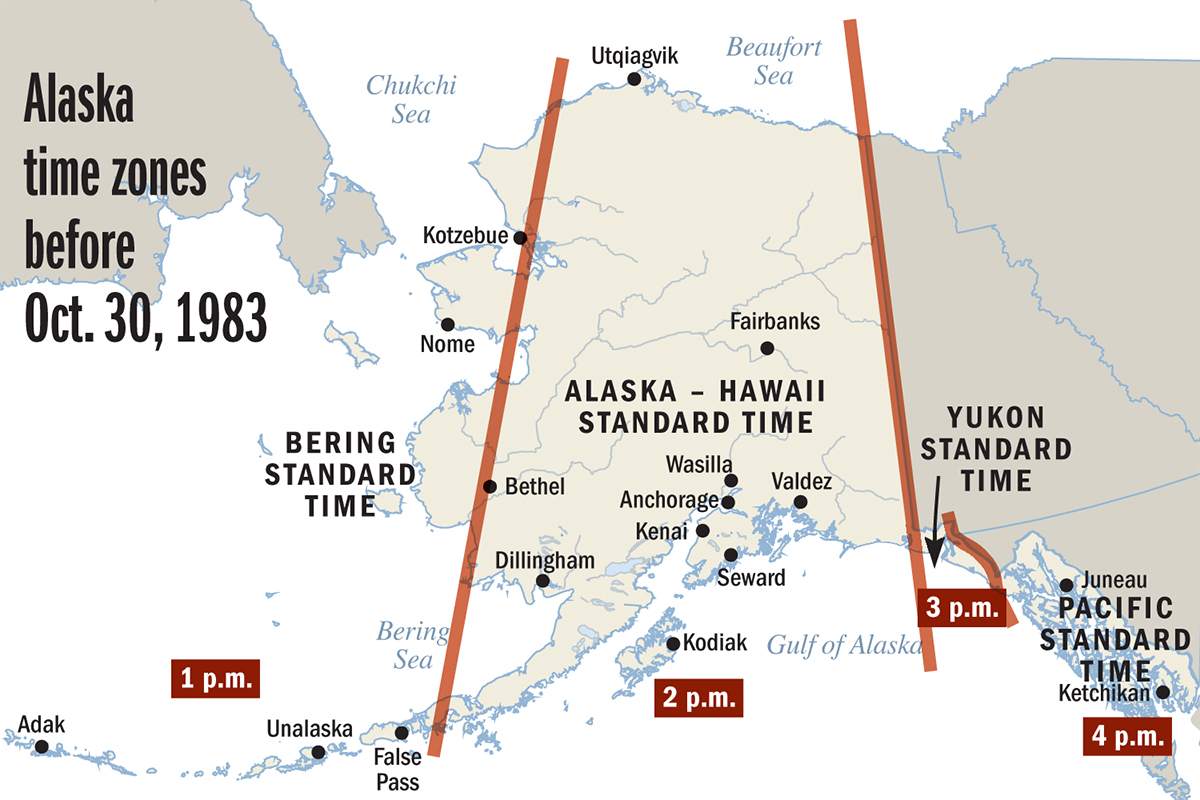
The official time zone for Anchorage, and indeed the entirety of Alaska, is Alaska Daylight Time (AKDT) during daylight saving months and Alaska Standard Time (AKST) during the rest of the year. This designation is part of the broader North American time zone system.

Understanding Alaska Daylight Time (AKDT) and Alaska Standard Time (AKST)
- Alaska Standard Time (AKST): During the period when Daylight Saving Time is not in effect, Alaska operates on AKST. This time zone is UTC-9, meaning it is nine hours behind Coordinated Universal Time (UTC).
- Alaska Daylight Time (AKDT): When Daylight Saving Time is observed, the time is advanced by one hour, resulting in AKDT. This time zone is UTC-8, making it eight hours behind UTC.
Daylight Saving Time in Alaska typically begins on the second Sunday in March and ends on the first Sunday in November, mirroring the schedule in most of the contiguous United States. This means that for a significant portion of the year, Anchorage will be on AKDT.
Practical Implications for Travelers
Knowing the specific UTC offset is crucial for several reasons:
- Flight Bookings: When booking flights, airline schedules will always reflect local time. However, when communicating with individuals or services in different time zones, understanding the difference between UTC-9 and UTC-8 (and how it relates to your home time zone) prevents miscalculations.
- Activity Planning: Alaska offers a wealth of activities, from wildlife tours and glacier cruises to hiking and exploring national parks. The start times of these tours are all scheduled in local Anchorage time. Familiarizing yourself with AKST/AKDT ensures you arrive on time for your adventures.
- Communication: Whether you’re coordinating with a hotel, a tour operator, or family and friends back home, having the correct time zone information prevents confusion and missed connections. It also helps in calculating the best times to make calls or send messages to avoid disturbing recipients during their sleep hours.
- Business and Appointments: For business travelers, punctuality is paramount. Knowing the exact time in Anchorage is essential for attending meetings, conferences, or any other scheduled engagements.
Comparison with Other Time Zones
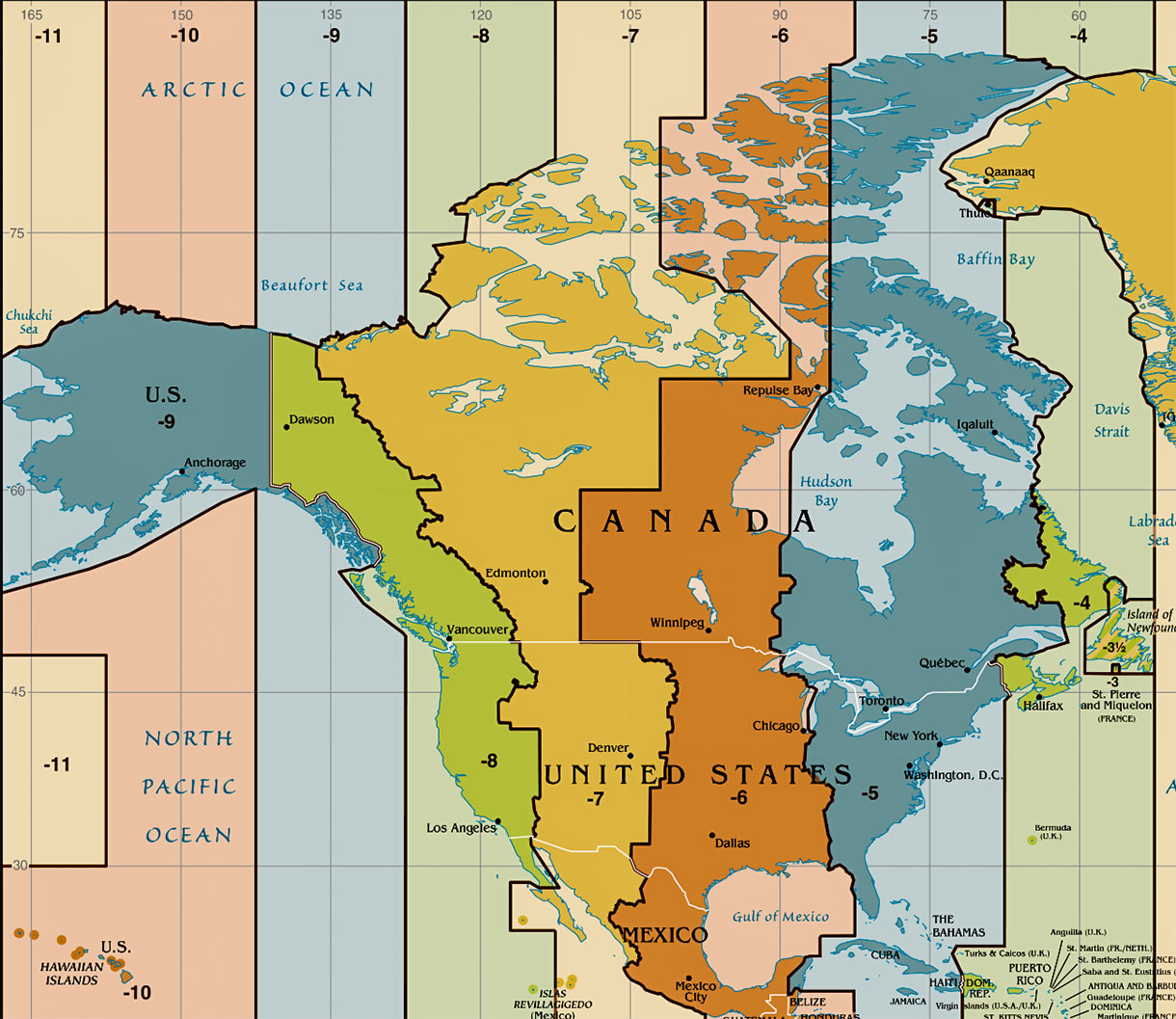
To better contextualize Anchorage’s time zone, it’s helpful to compare it with other major cities in North America and globally.
Pacific Standard Time (PST) and Pacific Daylight Time (PDT)
The contiguous United States experiences Pacific Time. During standard time, this is PST (UTC-8), and during daylight saving, it’s PDT (UTC-7).
- During AKST (UTC-9): Anchorage is one hour behind PST. For example, if it’s 10:00 AM PST in Seattle, it would be 9:00 AM AKST in Anchorage.
- During AKDT (UTC-8): Anchorage is at the same time as PST. When Alaska is on AKDT, and the US West Coast is on PST, the times align. However, this is a temporary alignment, as the US West Coast will eventually move to PDT.
- During AKDT (UTC-8) and PDT (UTC-7): When Alaska is on AKDT and the US West Coast is on PDT, Anchorage will be one hour behind PDT. For instance, if it’s 10:00 AM PDT in Los Angeles, it would be 9:00 AM AKDT in Anchorage.
Mountain Time Zone (MST/MDT)
The Mountain Time Zone is UTC-7 (MST) and UTC-6 (MDT).
- During AKST (UTC-9): Anchorage is two hours behind MST.
- During AKDT (UTC-8): Anchorage is two hours behind MDT.
Central Time Zone (CST/CDT)
The Central Time Zone is UTC-6 (CST) and UTC-5 (CDT).
- During AKST (UTC-9): Anchorage is three hours behind CST.
- During AKDT (UTC-8): Anchorage is three hours behind CDT.
Eastern Time Zone (EST/EDT)
The Eastern Time Zone is UTC-5 (EST) and UTC-4 (EDT).
- During AKST (UTC-9): Anchorage is four hours behind EST.
- During AKDT (UTC-8): Anchorage is four hours behind EDT.
International Comparisons
When comparing with international locations, understanding UTC offsets is key:
- London, United Kingdom: During Greenwich Mean Time (GMT), which is UTC+0, Anchorage is nine hours behind. During British Summer Time (BST), UTC+1, Anchorage is eight hours behind during AKST and nine hours behind during AKDT.
- Tokyo, Japan: Japan Standard Time (JST) is UTC+9. Anchorage is seventeen hours behind during AKST (UTC-9) and eighteen hours behind during AKDT (UTC-8). This significant difference makes real-time conversations challenging without careful planning.
- Sydney, Australia: Australian Eastern Standard Time (AEST) is UTC+10. During AKST (UTC-9), Anchorage is nineteen hours behind. During AKDT (UTC-8), it’s twenty hours behind.
Impact on Travel Planning to Anchorage
Accurate time zone awareness is paramount for a successful trip to Anchorage. Consider the following aspects:
Flight Schedules and Layover Times
When booking flights, always verify that the arrival and departure times are listed in the local time of the respective airports. If you have a layover in a different time zone, calculate the duration of your layover by accounting for the time difference. For instance, a flight departing Seattle at 2:00 PM PDT and arriving in Anchorage at 4:00 PM AKDT means the flight duration is 5 hours, not 7, due to the one-hour time difference.
Booking Accommodations and Tours
Hotels like the Captain Cook Hotel or resorts such as the Alyeska Resort will operate on Alaska time. Similarly, tour operators offering experiences like glacier tours to Portage Glacier or wildlife cruises in Kenai Fjords National Park will have their schedules set in AKST/AKDT. Double-checking these times against your own local time ensures you don’t miss your reservations.
Considering Daylight Hours
Alaska is renowned for its extreme variations in daylight throughout the year. During summer, Anchorage experiences “the land of the midnight sun,” with nearly 20 hours of daylight. In winter, daylight is drastically reduced. While time zones dictate the clock, the actual number of daylight hours is a separate, albeit related, consideration for planning activities. For example, even though it might be 8:00 PM AKDT in the summer, there will still be ample light for outdoor exploration, whereas in winter, 4:00 PM AKST can mean near darkness.
Communication with Home
Staying connected with family and friends is important. If you’re in Anchorage during winter, a quick call at 10:00 AM AKST might be 2:00 PM EST for someone on the East Coast, a perfectly reasonable time. However, calling at 7:00 PM AKST would be 11:00 PM EST, potentially disturbing someone’s evening. Always factor in the time difference when planning calls or video chats.
Navigating Daylight Saving Time in Alaska
The observance of Daylight Saving Time (DST) in Alaska adds a layer of complexity that travelers need to be aware of, especially if their travel dates span across the DST transition periods.
The DST Transition Dates
- Spring Forward: On the second Sunday in March, clocks in Alaska are moved forward by one hour, transitioning from AKST (UTC-9) to AKDT (UTC-8).
- Fall Back: On the first Sunday in November, clocks are moved back by one hour, reverting from AKDT (UTC-8) to AKST (UTC-9).
Impact of DST on Travel Planning
If your trip begins before a DST transition and continues after, or if you are booking in advance and the transition date falls within your travel window, it’s crucial to note the change. For example, if you have an early morning flight on the day DST ends, be absolutely certain you set your watch to the new standard time, not the old daylight time. Misinterpreting this can lead to arriving at the airport or your tour departure point an hour too late.
Most modern devices, such as smartphones and smartwatches, automatically update their time zones and adjust for DST. However, it’s always wise to double-check, especially when dealing with critical travel arrangements. Always confirm the local time with official sources or your accommodation upon arrival.
The Debate Around DST
It’s worth noting that, like many places, Alaska has seen discussions and debates regarding the practice of Daylight Saving Time. While currently observed, there have been past legislative efforts and public opinion shifts that have considered opting out of DST permanently. For travelers, this means staying aware of any potential changes in policy that could affect time zone observance in the future. As of now, however, the AKST/AKDT cycle remains in effect.
Final Considerations for Your Anchorage Adventure
Mastering the time zone for Anchorage, Alaska is more than just a detail; it’s a key component of effective travel planning. By understanding AKST (UTC-9) and AKDT (UTC-8), and their relationship to other time zones, you can navigate your journey with confidence.
Whether you are marveling at the natural beauty of Denali National Park from a distance, exploring the vibrant city life of Anchorage, or embarking on an unforgettable Alaskan cruise, a firm grasp of the local time will ensure your experiences are as seamless and enjoyable as possible. Accurate timekeeping allows you to fully immerse yourself in the unique wonders of the Last Frontier, without the worry of missed connections or scheduling mishaps.
LifeOutOfTheBox is a participant in the Amazon Services LLC Associates Program, an affiliate advertising program designed to provide a means for sites to earn advertising fees by advertising and linking to Amazon.com. Amazon, the Amazon logo, AmazonSupply, and the AmazonSupply logo are trademarks of Amazon.com, Inc. or its affiliates. As an Amazon Associate we earn affiliate commissions from qualifying purchases.