
When planning a trip to the Last Frontier, understanding its seasonal nuances is paramount to crafting an unforgettable experience. Alaska, a state renowned for its dramatic landscapes and wild beauty, offers a distinct character in each of its seasons. For many travelers, the desire to experience Alaska’s vibrant life without the harsh bite of winter prompts a critical question: what is the warmest month in Alaska? While “warm” is a relative term in this northern latitude, identifying the peak of its mildest weather can significantly enhance your adventure, allowing for greater exploration and comfort.
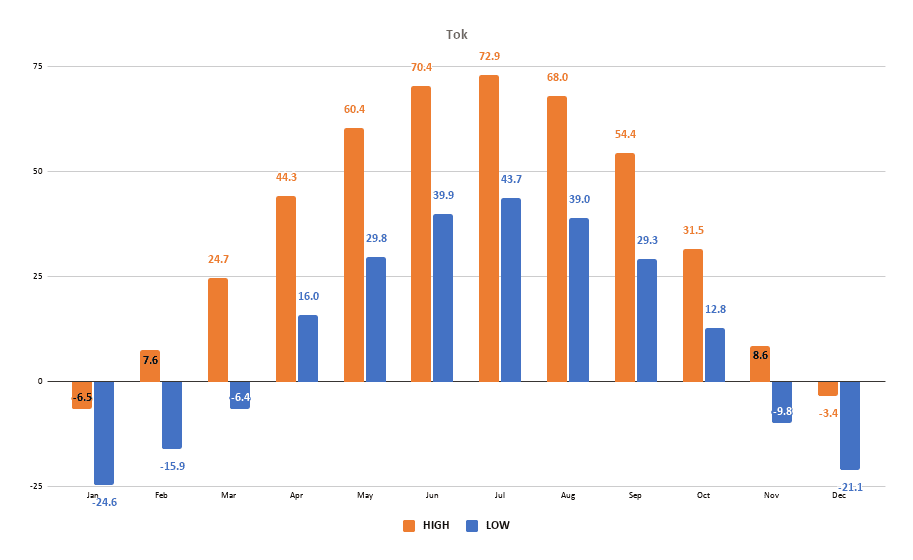
The answer, in broad strokes, points to July. This month typically boasts the highest average temperatures across much of Alaska’s populated regions. However, the concept of warmth in Alaska is not a monolithic experience. The state’s vastness means that regional variations are significant, influenced by proximity to the ocean, elevation, and prevailing weather patterns. Therefore, to truly grasp the warmest period, one must delve deeper into the specific climatic conditions of popular destinations and consider the broader summer months.
Understanding Alaskan Summers
Alaska’s summer, generally spanning from June through August, is its most popular tourist season for good reason. During these months, daylight hours are at their longest, with some areas experiencing the phenomenon of the midnight sun. This extended daylight provides ample opportunity for sightseeing and outdoor activities. The landscapes transform from their winter slumber into a tapestry of vibrant greens, blooming wildflowers, and accessible wilderness.
The Peak of Warmth: July
July consistently emerges as the warmest month across most of Alaska. Average daily high temperatures in cities like Anchorage often hover in the mid-60s Fahrenheit (around 18-20°C), with occasional days reaching into the 70s. Inland areas, such as Fairbanks, can experience even warmer temperatures, sometimes pushing into the 80s Fahrenheit (27-30°C), as they are farther from the moderating influence of the ocean.
Even coastal regions, which tend to be cooler due to maritime influence, find their most pleasant weather in July. For instance, Juneau, the state capital, sees average highs in the low 60s Fahrenheit (around 16-17°C) in July. While this might not sound tropical, it represents the zenith of Alaska’s comfortable weather. The humidity is generally low during this period, making the temperatures feel quite agreeable for exploring the rugged coastline, hiking through temperate rainforests, or enjoying the abundant wildlife.
The Shoulder Months: June and August
While July is typically the warmest, June and August are also excellent months for experiencing Alaska’s milder side. June often marks the beginning of summer, with rapidly warming temperatures and the commencement of peak daylight hours. The landscape is bursting with new life, and the chances of encountering newborn wildlife are high. Temperatures in June are generally a few degrees cooler than July but still very comfortable for most travel activities.
August, while signaling the slow return of autumn, often retains much of July’s warmth, especially in the early part of the month. It’s a fantastic time for those seeking slightly fewer crowds than the peak of July. The autumnal colors begin to subtly appear in some areas, adding another layer of visual appeal to the already stunning scenery. Late August can see a slight dip in temperatures, and the daylight hours begin to shorten, but it remains a prime window for comfortable travel.
Regional Temperature Variations
Alaska’s sheer size necessitates a closer look at specific regions to fully appreciate its temperature gradients. The warmest month can subtly shift, or the degree of warmth can vary significantly depending on your chosen destination within the state.
Southcentral Alaska: The most temperate zone
The Southcentral region, which includes Anchorage, Wasilla, and the Kenai Peninsula, generally experiences the warmest weather. Here, July is undeniably the peak of summer. Average highs in Anchorage during July are around 65°F (18°C), with nighttime lows typically in the upper 40s or low 50s (°F; 8-10°C). The Kenai Peninsula, known for its stunning fjords and wildlife, enjoys similar temperatures, making it ideal for activities like fishing, hiking, and exploring towns like Homer and Seward.
Interior Alaska: Inland heat
The Interior region, exemplified by Fairbanks, experiences the most extreme temperature variations in Alaska. Winters are brutally cold, but summers can be surprisingly warm. July is the warmest month here, with average highs frequently reaching the high 60s to low 70s Fahrenheit (21-23°C). Inland locations are more prone to heatwaves, and it’s not uncommon for temperatures to soar into the 80s Fahrenheit (27-30°C) during July and early August. This makes the Interior a prime location for experiencing longer daylight hours and warmer conditions for exploring areas like Denali National Park and Preserve.
Southeast Alaska: The Inside Passage
The Southeast region, home to the Inside Passage and its temperate rainforests, has a milder, more maritime climate. Temperatures are generally cooler and more consistent throughout the summer months compared to the Interior. July is still the warmest month, with average highs in Juneau around 62°F (17°C) and in Ketchikan around 63°F (17°C). August is very similar, often with slightly less rainfall than June and July, making it a surprisingly excellent choice for visiting this lush region. The cooler temperatures here are perfect for exploring glacial landscapes and historic towns like Skagway.
Western and Arctic Alaska: Cool and Consistent
Further west and north, into regions like Nome and Utqiagvik (formerly Barrow), temperatures remain considerably cooler year-round. While July is still technically the warmest month, average highs in Nome might only reach the low 50s Fahrenheit (around 10-12°C), and in Utqiagvik, they might be in the high 40s Fahrenheit (around 8-9°C). These regions offer a different kind of Alaskan experience, focusing on unique cultural heritage and stark, treeless landscapes, but they are not the places to seek out typical summer warmth.
What to Pack for Alaska’s Warmest Months
Even during the warmest months, Alaska’s weather can be unpredictable. Layering is the key to comfort, regardless of the season.
Essential Clothing
- Base Layers: Moisture-wicking synthetic or merino wool tops and bottoms are crucial for managing sweat during hikes or active days.
- Mid Layers: Fleece jackets, down vests, or insulated jackets provide essential warmth when temperatures drop.
- Outer Shell: A waterproof and windproof jacket and pants are non-negotiable. Alaska can experience rain and wind at any time, even in July.
- Tops: Long-sleeved shirts and t-shirts made of quick-drying materials are versatile.
- Bottoms: Hiking pants or comfortable, durable trousers. Consider convertible pants for adaptability.
- Footwear: Waterproof hiking boots with good ankle support are essential. Bring comfortable walking shoes or sneakers for town exploration. Pack warm, moisture-wicking socks.
- Headwear: A warm hat for cooler evenings or higher elevations, and a sun hat or baseball cap for sunny days.
- Gloves: Lightweight gloves can be useful for cooler mornings or boat tours.
Other Important Items
- Insect Repellent: Mosquitoes and other biting insects can be prevalent, especially in wooded areas and during the evening.
- Sunscreen and Sunglasses: The sun can be surprisingly intense, especially with long daylight hours and reflections off water or snow.
- Binoculars: For spotting wildlife like whales, bears, and eagles.
- Camera: To capture the breathtaking scenery and wildlife.
- Reusable Water Bottle: Staying hydrated is important, and refillable bottles are eco-friendly.
- Small Backpack: For day trips and carrying essentials.
Experiencing Alaska in its Mildest Weather
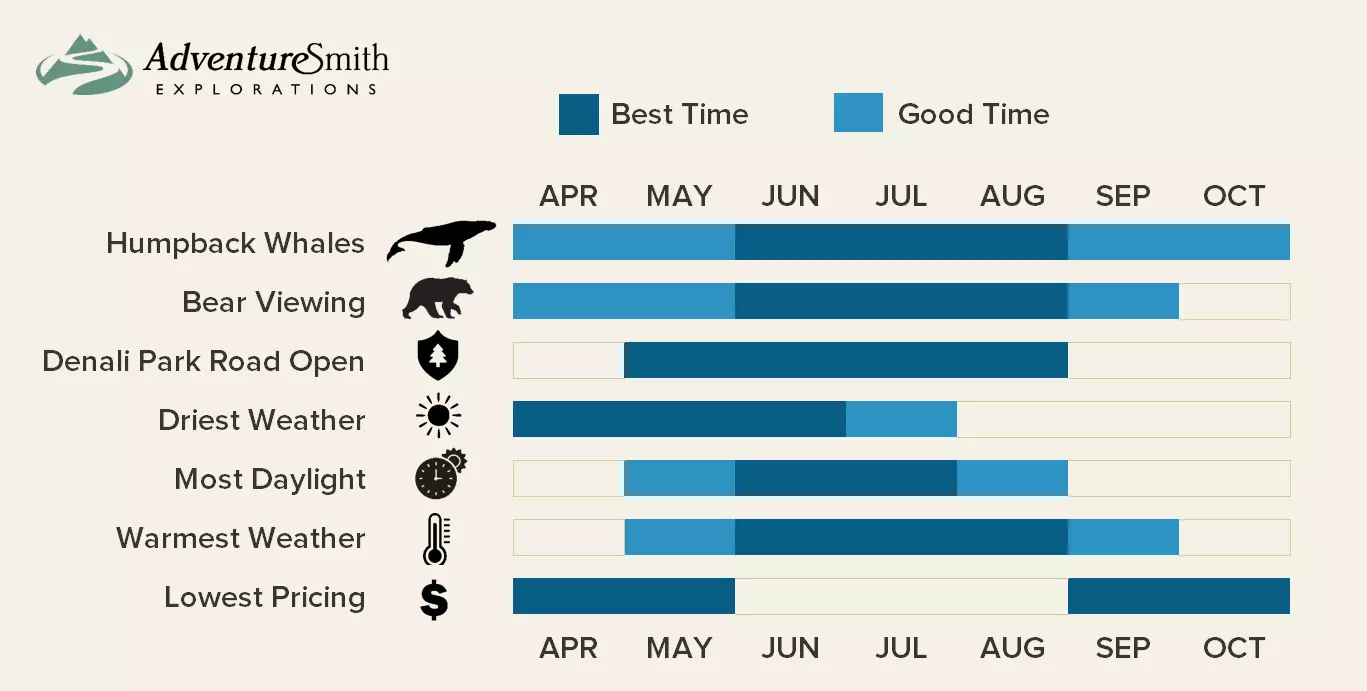
The warmest months in Alaska, primarily July, offer the ideal conditions for a wide array of travel experiences. Whether you’re drawn to the majestic peaks of Denali National Park and Preserve, the charming coastal towns of the Inside Passage, or the vibrant city life of Anchorage, July provides the most accommodating climate for exploration.
Outdoor Adventures
- Hiking: Trails in Kenai Fjords National Park or near Talkeetna are at their most accessible.
- Wildlife Viewing: July is a prime month for spotting humpback whales, orcas, sea otters, and puffins along the coast, as well as bears, moose, and caribou inland. Boat tours from Seward or Homer are highly recommended.
- Glacier Exploration: Opportunities to see glaciers, such as the Mendenhall Glacier near Juneau, are abundant. Helicopter tours and glacier hikes are popular.
- Fishing: The salmon runs are in full swing, making July an excellent month for sport fishing.

Cultural and City Experiences
- Festivals and Events: Many of Alaska’s summer festivals and cultural events take place in July.
- Exploring Cities: Enjoying the amenities and attractions of Anchorage, Fairbanks, and Homer is more comfortable with milder temperatures.
In conclusion, while Alaska’s definition of “warm” differs from lower latitudes, July consistently stands out as the warmest month across most of its popular travel destinations. By understanding the subtle regional variations and preparing adequately for potentially changeable weather, travelers can maximize their enjoyment and immerse themselves in the unparalleled beauty of Alaska during its most inviting season.
LifeOutOfTheBox is a participant in the Amazon Services LLC Associates Program, an affiliate advertising program designed to provide a means for sites to earn advertising fees by advertising and linking to Amazon.com. Amazon, the Amazon logo, AmazonSupply, and the AmazonSupply logo are trademarks of Amazon.com, Inc. or its affiliates. As an Amazon Associate we earn affiliate commissions from qualifying purchases.