
July in Alaska is often heralded as the zenith of its summer season, a period characterized by long daylight hours, relatively mild temperatures, and a vibrant awakening of its stunning natural landscapes. For travelers planning a visit, understanding the nuances of the weather is crucial for crafting an itinerary that maximizes enjoyment and preparedness. While “Alaska” encompasses a vast and diverse geographical expanse, leading to regional variations, July generally offers a sweet spot for exploring its wonders, from the coastal rainforests of the Southeast to the interior’s expansive wilderness.
The General Climate of Alaska in July
July stands out as one of the warmest and driest months across much of Alaska. The persistent daylight, a hallmark of Alaskan summers, reaches its peak intensity in July. Many regions experience nearly 20 hours of daylight, providing ample opportunities for exploration and sightseeing. This extended daylight significantly influences the perceived warmth, as the sun lingers longer on the horizon.
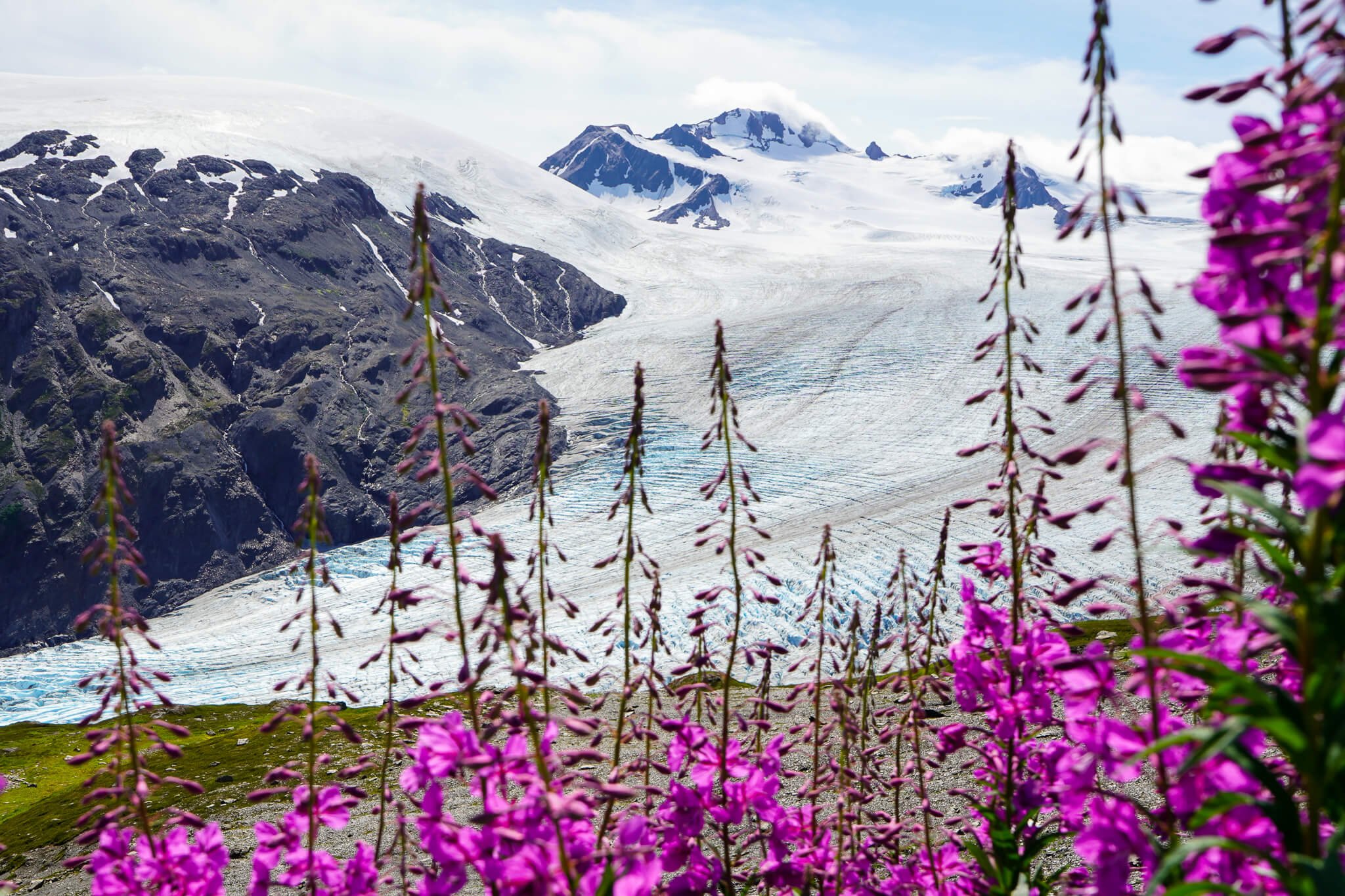
Temperature Ranges:
Average daily temperatures in July typically hover between the mid-50s to mid-60s Fahrenheit (approximately 13-18 degrees Celsius) in many popular tourist areas. However, coastal regions, particularly in the Southeast like Juneau and [Ketchikan](https://lifeoutofthebox.com/ આ Ketchikan), tend to be cooler and wetter, with average highs often in the low 60s F (around 16-17 C) and lows in the mid-40s F (around 7-8 C). The interior, including areas around Fairbanks, can experience warmer temperatures, with daily highs frequently reaching the mid-70s F (around 21-24 C), and sometimes even touching the 80s F (27+ C). Conversely, mountainous areas and the far north will remain significantly cooler, even in July.
Precipitation Patterns:
While July is generally considered drier than other summer months, it’s essential to remember that Alaska is a region with significant rainfall, particularly in its temperate rainforest zones. The Southeast, for instance, can still receive substantial precipitation, so rain gear is a necessity. The interior, however, tends to be drier, with rainfall often occurring in the form of afternoon thunderstorms, which can be brief but intense. Snow is rare at lower elevations in July, but it can still occur at higher altitudes and in the more northerly regions.
Wind Conditions:
Wind can be a factor, especially in coastal areas and along open plains. While generally not severe in July, moderating breezes can make temperatures feel cooler. It’s advisable to pack layers to account for these changes.
Regional Weather Variations in July
Alaska’s immense size means that the weather can vary dramatically from one region to another. Understanding these differences is key to packing appropriately and planning your adventures.
Southeast Alaska (The Panhandle)
This lush, green region, characterized by its temperate rainforests and stunning fjords, experiences a maritime climate in July.
- Temperatures: Expect average daytime highs in the low 60s F (around 16-17 C) and nighttime lows in the mid-40s F (around 7-8 C). Days can occasionally reach the high 60s or even low 70s F, especially when the sun is out.
- Precipitation: This is the rainiest part of Alaska. While July might see fewer rainy days than May or June, it can still be quite damp. Expect frequent drizzle and occasional heavier rain showers. Packing waterproof and windproof outer layers is non-negotiable.
- Daylight: Long daylight hours are a given, with sunrise around 4-5 AM and sunset around 10-11 PM.
- Key Destinations: Juneau, [Ketchikan](https://lifeoutofthebox.com/આ Ketchikan), Skagway, Glacier Bay National Park.
Southcentral Alaska
This is the most populated region of Alaska and a popular gateway for many visitors. It includes areas like Anchorage, Homer, and the Kenai Peninsula.
- Temperatures: July is typically the warmest month here. Daytime highs often range from the mid-60s to low 70s F (18-23 C), with nights cooling down to the mid-40s to low 50s F (7-12 C). It’s not uncommon to see temperatures creep into the 80s F (27+ C) on clear, sunny days.
- Precipitation: Generally drier than the Southeast, but still prone to rain showers, especially in the form of afternoon thunderstorms. The Kenai Peninsula can be more prone to coastal fog and rain.
- Daylight: Similar to the Southeast, daylight is abundant, with nearly 19-20 hours of light.
- Key Destinations: Anchorage, Kenai Peninsula, Talkeetna, Denali National Park and Preserve.
Interior Alaska
This vast region, encompassing areas like Fairbanks, is known for its continental climate, meaning more extreme temperature swings between seasons.
- Temperatures: July is the warmest month, with average highs frequently reaching the 70s F (21-24 C) and often exceeding 80 F (27 C). Nights are cooler, dropping into the 50s F (10-15 C).
- Precipitation: Relatively dry compared to coastal areas, though afternoon thunderstorms are common. These can be quite localized and brief, often providing a refreshing break from the heat.
- Daylight: The Interior experiences the most extreme daylight hours. Fairbanks sees the “midnight sun” with over 20 hours of daylight.
- Key Destinations: Fairbanks, Denali National Park (northern parts), Yukon-Charley Rivers National Preserve.
Arctic Alaska
Visiting the Arctic in July offers a unique experience, though it remains considerably cooler and more rugged.
- Temperatures: Expect cooler temperatures, with daytime highs generally in the 40s and 50s F (4-15 C), and nighttime lows often dipping into the 30s F (0-4 C). Frost is possible even in July.
- Precipitation: Rain is common, and snow can occur, especially at higher elevations or during colder snaps. Fog is also a frequent occurrence along the coast.
- Daylight: While the sun may not set for days or even weeks in some extreme northern locations (like Utqiagvik, formerly Barrow), the overall feeling of warmth is diminished due to the latitude and ocean currents.
- Key Destinations: Utqiagvik, Gates of the Arctic National Park.
What to Pack for Alaska in July

Given the variability of Alaskan weather, even within a single day, layering is the mantra for packing.
Essential Clothing Items:
- Base Layers: Moisture-wicking thermal underwear (long johns and long-sleeved tops) made of merino wool or synthetic materials are crucial for staying dry and warm.
- Mid-Layers: Fleece jackets, down vests, or wool sweaters provide insulation. These can be added or removed as temperature dictates.
- Outer Layers: A waterproof and windproof jacket with a hood is indispensable. This is your primary defense against rain and wind, especially in the Southeast. Waterproof pants are also highly recommended.
- Trousers: Quick-drying hiking pants or comfortable jeans are suitable. Avoid cotton, as it retains moisture and takes a long time to dry.
- Shirts: A mix of short-sleeved and long-sleeved shirts made of breathable, quick-drying fabric.
- Headwear: A warm hat (beanie) for cooler evenings or higher elevations, and a sun hat for protection during long daylight hours.
- Gloves: Lightweight, waterproof gloves can be very useful.
- Socks: Wool or synthetic hiking socks are a must. Pack several pairs to ensure you always have dry ones.
Footwear:
- Waterproof Hiking Boots: Sturdy, broken-in waterproof hiking boots are essential for exploring trails and varied terrain.
- Comfortable Walking Shoes: For city exploration or less strenuous activities.
- Camp Shoes/Sandals: Optional, for relaxing in the evening.
Other Important Items:
- Insect Repellent: Mosquitoes can be present, especially in interior and wooded areas, particularly during the early part of July.
- Sunscreen and Sunglasses: The sun can be surprisingly intense, especially with the long daylight hours and potential for reflection off water or snow.
- Reusable Water Bottle: Staying hydrated is important, and you’ll find plenty of opportunities to refill.
- Backpack: A comfortable daypack for carrying essentials during excursions.
- Camera and Binoculars: To capture the stunning scenery and wildlife.
- Waterproof Bag or Dry Bag: To protect electronics and other valuables from rain.
- Travel Adapter and Power Bank: For charging devices.
- Personal First-Aid Kit: For minor scrapes and ailments.
Activities and Weather Considerations
The weather in July perfectly complements a wide array of Alaskan adventures.
Cruising and Wildlife Viewing
The coastal waters of Southeast Alaska are prime for glacier viewing and spotting marine life like whales, sea otters, and puffins. The relatively calmer seas of July make for a more comfortable experience. Inland, opportunities abound for viewing bears, moose, caribou, and eagles.
Hiking and Backpacking
Trails in national parks like Denali National Park and Preserve and Kenai Fjords National Park are generally snow-free at lower to mid-elevations. The longer daylight hours allow for extended hikes. Be prepared for muddy sections, especially after rain, and always carry bear spray in bear country.
Fishing and Kayaking
July is an excellent month for fishing, with salmon runs typically in full swing. Kayaking and canoeing are popular, offering a serene way to explore fjords, lakes, and rivers. The milder temperatures make these activities much more enjoyable.
Northern Lights (Aurora Borealis)
While July offers the most daylight, it is not the best month for viewing the Northern Lights. The sky is too bright, even at midnight. For aurora viewing, travelers typically need to visit during the darker months, from late August through April.

Conclusion
July in Alaska presents a dynamic and rewarding travel experience. It is a month of abundance – of daylight, of vibrant natural beauty, and of opportunities for adventure. While generally mild, the weather demands respect, particularly with its potential for rain and its regional variations. By packing wisely and understanding the climatic nuances of each area, visitors can fully embrace the magic of an Alaskan summer, creating memories that will last a lifetime amidst some of the planet’s most spectacular landscapes.
LifeOutOfTheBox is a participant in the Amazon Services LLC Associates Program, an affiliate advertising program designed to provide a means for sites to earn advertising fees by advertising and linking to Amazon.com. Amazon, the Amazon logo, AmazonSupply, and the AmazonSupply logo are trademarks of Amazon.com, Inc. or its affiliates. As an Amazon Associate we earn affiliate commissions from qualifying purchases.