
June in Alaska heralds the full bloom of its spectacular summer, a season eagerly anticipated after the long, dark months of winter. This transitional period offers a unique window into the state’s diverse climate, characterized by long daylight hours, moderate temperatures, and a vibrant natural landscape awakening from its icy slumber. For travelers planning a visit, understanding the nuances of June’s weather is crucial for packing appropriately and maximizing the enjoyment of the myriad activities Alaska offers.
The Alaskan Summer Begins: Embracing the Longest Days
June is synonymous with the solstice, and in Alaska, this translates into an abundance of daylight. The far north experiences phenomena like the midnight sun, where the sun barely dips below the horizon, casting an ethereal glow for nearly 24 hours. Even in the more southerly regions, like Anchorage or Juneau, expect 18 to 20 hours of daylight. This extended illumination provides ample opportunity for exploration, from early morning hikes to late-night wildlife viewing. The weather itself tends to be among the most stable and pleasant of the year. While “pleasant” in Alaska can differ from expectations elsewhere, June generally offers a reprieve from the harsher conditions of other seasons.

Temperature Ranges Across Alaska
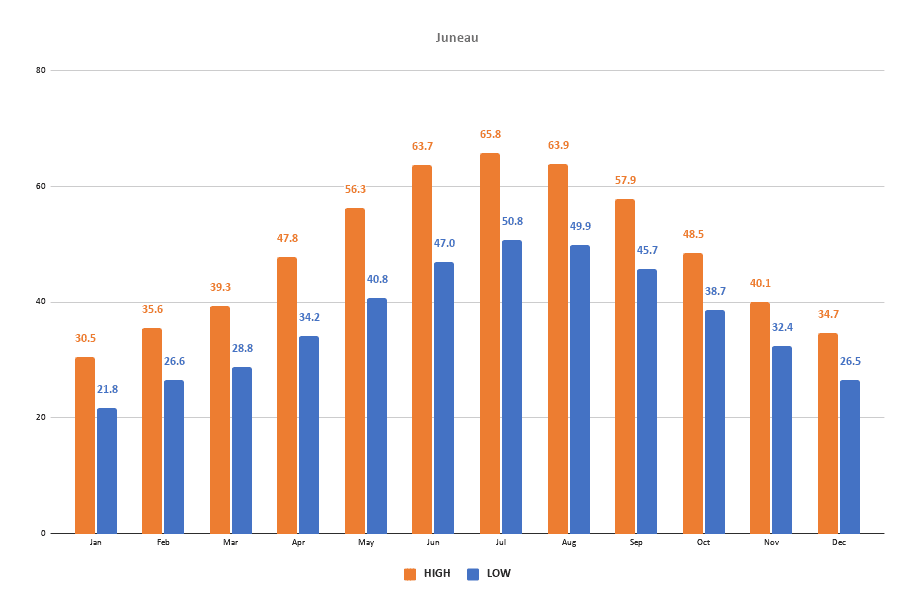
Temperatures in June vary significantly depending on the region. Coastal areas, influenced by the Pacific Ocean, tend to be milder. For instance, Juneau, in the Panhandle, might see average highs in the low to mid-60s Fahrenheit (around 15-18°C), with overnight lows in the 40s to low 50s F (4-10°C). Further inland, such as in Fairbanks, the climate is more continental, leading to warmer days, with averages often reaching into the 70s F (21-24°C), though evenings can still cool down considerably. Anchorage, situated in Southcentral Alaska, typically experiences a comfortable middle ground, with average highs in the mid-60s F and lows in the low 50s F.
It’s important to remember that these are averages. Unexpected warm spells can push temperatures into the 80s F, while cooler fronts can bring them down. Packing layers is therefore essential, regardless of the specific destination within Alaska.
Precipitation Patterns in June
While June marks the beginning of summer, it is not entirely devoid of rain. However, it is generally considered one of the drier months, especially compared to July and August, which often see more frequent showers. The Panhandle, with its temperate rainforest climate, will still experience some rainfall, often in the form of light to moderate showers. Inland areas like Fairbanks tend to be drier, with less frequent precipitation. Snow is highly unlikely in most populated areas in June, though higher elevations may still hold some patches. The absence of persistent, heavy rainfall makes June an ideal time for outdoor adventures.
Preparing for Alaska’s June Climate: Packing Essentials
Given the variability of Alaskan weather, even in June, strategic packing is key to a comfortable and enjoyable trip. The mantra here is “layers.”
Layering for Success
- Base Layers: Moisture-wicking materials like merino wool or synthetic fabrics are ideal for managing sweat and keeping you dry. These will be your first line of defense against the chill.
- Mid Layers: Fleece jackets, down vests, or insulated sweaters provide crucial warmth. These can be added or removed as temperatures fluctuate throughout the day.
- Outer Layer: A waterproof and windproof jacket is non-negotiable. This will protect you from rain and the often-brisk winds, especially in coastal areas or on boat tours. Consider one with a hood for added protection.
Footwear and Accessories
- Waterproof Hiking Boots: Comfortable, broken-in hiking boots with good traction are essential for exploring trails and uneven terrain. Ensure they are waterproof to handle damp conditions.
- Waterproof Pants: Especially useful for excursions like fishing or cruising, waterproof pants can keep you dry and comfortable during boat rides or in damp environments.
- Warm Hat and Gloves: Evenings and cooler days can still be chilly, making a warm hat and gloves a welcome addition to your packing list.
- Insect Repellent: While the mosquito season is in full swing, June is often considered the start of peak biting insect activity. Pack a reliable insect repellent with DEET or picaridin.
- Sun Protection: Despite the cooler temperatures, the sun at high latitudes can be intense, especially with the extended daylight. Sunglasses, sunscreen, and a wide-brimmed hat are recommended.
Activities and Experiences Tailored to June Weather
The weather in June perfectly complements a wide array of Alaskan activities, allowing visitors to immerse themselves in the state’s natural grandeur and unique culture.
Wildlife Viewing Opportunities
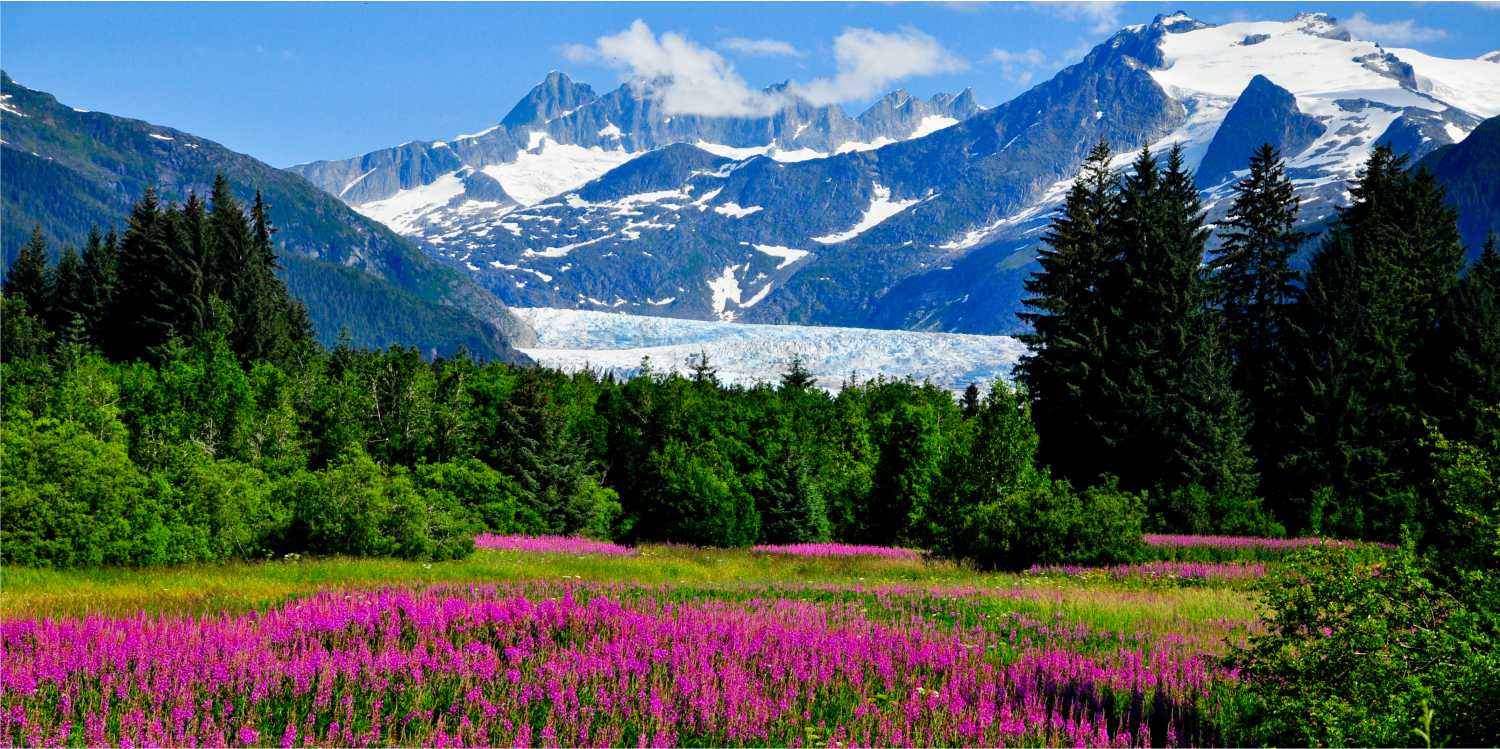
June is an excellent month for wildlife spotting. Many animals are active, and the vegetation is lush, making them easier to see.
- Marine Life: Cruises departing from ports like Seward or Homer offer prime opportunities to see whales (humpbacks and orcas), sea lions, puffins, and otters. The warmer, calmer seas of June are ideal for these excursions.
- Land Mammals: Keep an eye out for moose, caribou, bears (brown and black), and Dall sheep in parks like Denali National Park and Preserve. The long daylight hours mean more time for spotting these magnificent creatures.
Exploring National Parks and Natural Wonders
With favorable weather and extended daylight, June is perfect for exploring Alaska’s breathtaking natural landscapes.
- Denali National Park and Preserve: The park’s scenic park road typically opens fully in June, allowing access to its interior. Hiking, bus tours, and simply soaking in the views of Denali (formerly Mount McKinley) are popular activities.
- Kenai Fjords National Park: Located near Seward, this park offers stunning glacial landscapes and abundant marine wildlife. Kayaking, boat tours, and hiking are popular ways to experience its beauty.
- Glacier Bay National Park and Preserve: Accessible primarily by boat or plane, this park is renowned for its tidewater glaciers that calve dramatically into the sea. June offers excellent viewing conditions, with less fog and more stable seas than later in the summer.
Hiking and Outdoor Adventures
The mild temperatures and long days make June ideal for hiking and other outdoor pursuits. Numerous trails cater to all skill levels, from easy strolls along coastlines to challenging mountain ascents. Kayaking, fishing, and exploring charming towns like Talkeetna or Skagway are also highly recommended.
Regional Weather Spotlights in June
While general trends apply, it’s beneficial to consider the distinct climatic characteristics of Alaska’s major regions in June.
The Alaskan Panhandle (Southeast Alaska)
This region, home to cities like Juneau, Ketchikan, and Sitka, boasts a temperate rainforest climate. June here is characterized by mild temperatures, often hovering in the 50s and 60s F. Rainfall is common but usually not torrential, often appearing as misty drizzles or passing showers. This moisture contributes to the incredibly lush and verdant scenery, making it a visually stunning time to visit. High humidity is also a feature of this coastal environment.
Southcentral Alaska
This is the most populous region, encompassing Anchorage, Wasilla, and the Kenai Peninsula. June offers some of the warmest weather in the state here. Average highs are in the mid-60s F, with potential for reaching the 70s and even low 80s F during sunny spells. While generally drier than the Panhandle, occasional rain showers can occur. The long daylight hours are particularly noticeable, creating a vibrant atmosphere for exploring cities and natural attractions.
Interior Alaska
Cities like Fairbanks are located in the Interior, known for its continental climate. June in this region is typically the warmest and driest part of the year. Daytime temperatures frequently reach into the 70s F and can soar into the 80s F, with very little humidity. Nights, however, can still be cool, dropping into the 40s and 50s F. The extended daylight, approaching the midnight sun phenomenon, is a significant draw, offering unparalleled opportunities for outdoor activities and witnessing the unique Arctic light.
Western and Arctic Alaska
These regions, including Nome and Utqiagvik (Barrow), experience the most dramatic climatic shifts. While temperatures begin to rise in June, they remain considerably cooler than the Interior or Southcentral. Coastal breezes can keep temperatures in the 40s and 50s F. The most striking feature here is the continuous daylight. While the weather can be more unpredictable, with potential for strong winds and cooler conditions, the experience of being in a landscape bathed in perpetual sunlight is unparalleled.
Final Considerations for a June Alaskan Adventure
While June generally offers a favorable climate for experiencing Alaska, a few final points are worth noting. Bookings for popular tours, accommodations, and transportation should be made well in advance, as June marks the beginning of the peak tourist season. Flexibility with your itinerary is also advisable; Alaskan weather, while improving, can still present surprises. Embracing the possibility of a cooler, drizzly day can lead to unexpected discoveries and a more authentic experience of this magnificent state. By being prepared and informed about the weather, your June visit to Alaska is sure to be an unforgettable journey through a land of unparalleled natural beauty and boundless daylight.
LifeOutOfTheBox is a participant in the Amazon Services LLC Associates Program, an affiliate advertising program designed to provide a means for sites to earn advertising fees by advertising and linking to Amazon.com. Amazon, the Amazon logo, AmazonSupply, and the AmazonSupply logo are trademarks of Amazon.com, Inc. or its affiliates. As an Amazon Associate we earn affiliate commissions from qualifying purchases.