
Understanding the logistics of voting in any election is paramount for engaged citizenship. When planning a trip to Alaska, or if you are a resident considering your travel plans around an election day, knowing the precise closing times for polling stations is crucial. Alaska’s vast geography and unique time zones present specific considerations for voters. This guide aims to clarify when Alaskans can cast their ballots, ensuring everyone has the opportunity to participate in the democratic process, regardless of their location within the Last Frontier.
Election Day Operations in Alaska
In Alaska, election day operations are managed to accommodate the state’s extensive landmass and its two primary time zones: the Alaska Time Zone (UTC–9) and the Hawaii-Aleutian Time Zone (UTC–10). This dual time zone system, particularly affecting the westernmost Aleutian Islands, necessitates clear guidelines to prevent confusion and ensure equitable voting periods for all citizens.

Polling Station Hours
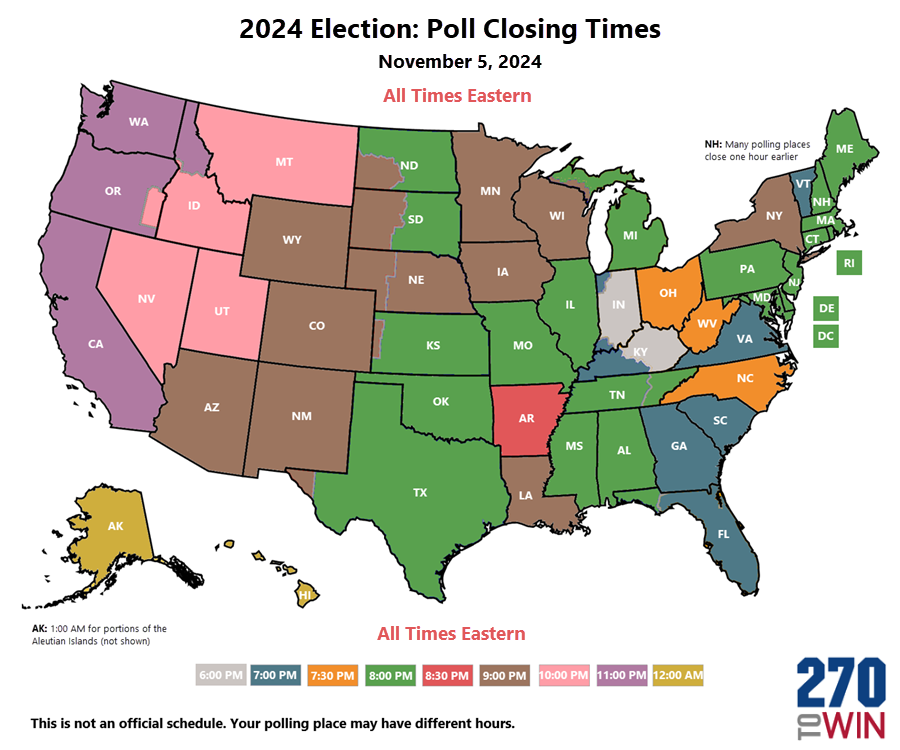
For federal and state elections, polls in Alaska are generally open from 7:00 AM to 8:00 PM local time. This standard timeframe applies across the state, but the “local time” designation is where the two time zones come into play.
- Alaska Time Zone (UTC–9): This zone covers the majority of the state, including major population centers like Anchorage, Fairbanks, and Juneau. In these areas, polls open at 7:00 AM Alaska Time and close at 8:00 PM Alaska Time.
- Hawaii-Aleutian Time Zone (UTC–10): This zone primarily encompasses the western Aleutian Islands. For voters in these westernmost communities, polls open at 7:00 AM Hawaii-Aleutian Time and close at 8:00 PM Hawaii-Aleutian Time.
It is imperative for voters to be aware of which time zone their specific polling location operates under. The Alaska Division of Elections provides detailed information on polling locations and their respective time zones. For individuals traveling within Alaska on election day, understanding this distinction is vital for planning their voting schedule.
Late-Arriving Voters
A critical aspect of election day procedures is the provision for voters who arrive at the polls just before closing. In Alaska, as in most jurisdictions, any voter who is in line at their polling place by the designated closing time (8:00 PM local time) will be allowed to vote. This ensures that unforeseen delays, traffic, or long lines do not disenfranchise citizens who have made the effort to reach their polling station. Poll workers are instructed to allow all individuals in line at closing time to cast their ballot.
Unique Considerations for Alaskan Voters
Alaska’s unique geography and demographics present several distinct challenges and considerations for election administration and voter participation. These factors can influence when and how individuals vote.
Vast Distances and Transportation
The sheer size of Alaska means that some residents live hundreds of miles from their nearest polling place. For those in remote villages or rural areas, especially those not accessible by road, getting to a polling station can be a significant undertaking. The Alaska Division of Elections often employs special measures for these communities, such as:
- Extended Voting Periods: In some extremely remote locations, voting may be conducted over several days leading up to the official election day to accommodate logistical challenges. This allows residents more flexibility to cast their vote without having to travel long distances on a single specific day.
- Absentee and Early Voting: Encouraging absentee and early voting is crucial for Alaskans. These options allow voters to cast their ballot in advance, mitigating the risks associated with travel, weather, and the availability of transportation on election day. Many communities have designated absentee voting locations or mail-in ballot options that are heavily utilized.
Weather Conditions
Alaska is known for its unpredictable and often severe weather. Winter storms, heavy snowfall, and extreme cold can impact travel and access to polling places, particularly in the interior and northern regions. This further emphasizes the importance of early voting and absentee ballots, as well as the need for the Alaska Division of Elections to monitor weather forecasts and communicate any potential disruptions to voters.
Military and Overseas Voters
Similar to other states, Alaska has provisions for military personnel stationed away from home and for Alaskans living abroad. The Uniformed and Overseas Citizens Absentee Voting Act (UOCAVA) ensures that these citizens can still participate in elections. Their ballots are often sent out earlier than standard absentee ballots to allow ample time for delivery and return, given the complexities of international mail and military postal services.
Ensuring Your Vote Counts
For any resident or visitor planning to vote in Alaska, taking proactive steps is essential to ensure your ballot is cast and counted. Understanding the polling hours is just one piece of the puzzle.
Voter Registration and Identification
Before heading to the polls, confirm your voter registration status. Alaska requires voters to be registered. While Alaska does not have a strict photo ID law for voting, voters may be asked to present identification. Acceptable forms of identification can include a driver’s license, state ID card, military ID, or a tribal identification card. If you do not have any of these, you may be asked to sign a statement affirming your identity. The Alaska Division of Elections website is the definitive source for up-to-date information on registration deadlines and identification requirements.
Finding Your Polling Place
Locating the correct polling place is critical. Polling locations can change from one election to the next due to various administrative factors. The Alaska Division of Elections provides an online polling place locator tool on its website, which is the most reliable way to find your assigned precinct and its corresponding polling station. It is advisable to check this tool a few days before the election, even if you have voted in the same location before.
Mail-in and Early Voting Options
Given the logistical challenges in Alaska, utilizing absentee or early voting options is highly recommended.
- Absentee Voting: Any registered voter in Alaska can vote absentee without providing a specific reason. Absentee ballots can be requested by mail or in person at your local elections office. It is crucial to submit your absentee ballot request well in advance of the election deadline to ensure you receive your ballot in time to return it.
- Early Voting: In many municipalities, designated early voting centers are available in the weeks leading up to election day. These centers offer a convenient way to cast your ballot in person without waiting for election day. The dates and locations of early voting centers are published by the Alaska Division of Elections.
By understanding the polling hours, being aware of Alaska’s unique voting landscape, and taking advantage of early and absentee voting options, you can ensure your voice is heard in every election.
Resources for Alaskan Voters
Navigating election day procedures, especially in a state as vast and diverse as Alaska, can be complex. Fortunately, official resources are readily available to assist voters.
Official Election Information
The primary source for all election-related information in Alaska is the Alaska Division of Elections. Their website offers comprehensive details on:
- Election Calendar: Key dates for voter registration, absentee ballot requests, early voting periods, and election day itself.
- Polling Place Locator: An essential tool to find your designated polling station and its operating hours.
- Voter Registration: Information on how to register to vote, check your registration status, and update your information.
- Absentee and Early Voting: Detailed instructions and forms for requesting and submitting absentee ballots, as well as information on early voting locations.
- Sample Ballots: Access to sample ballots for upcoming elections, allowing voters to familiarize themselves with the candidates and ballot measures.
- Contact Information: Phone numbers and email addresses for regional election officials who can provide personalized assistance.

Non-Partisan Voter Information
Several non-partisan organizations also provide valuable resources to help Alaskans make informed decisions. These groups typically offer voter guides, candidate forums, and election result tracking, all without endorsing any particular candidate or party. These organizations can be excellent supplements to official information, providing context and analysis for voters.
By leveraging these resources, Alaskans can navigate the voting process with confidence. Understanding the specific closing times of polls in Alaska, combined with diligent preparation and awareness of available voting methods, empowers every citizen to participate effectively in the democratic process.
LifeOutOfTheBox is a participant in the Amazon Services LLC Associates Program, an affiliate advertising program designed to provide a means for sites to earn advertising fees by advertising and linking to Amazon.com. Amazon, the Amazon logo, AmazonSupply, and the AmazonSupply logo are trademarks of Amazon.com, Inc. or its affiliates. As an Amazon Associate we earn affiliate commissions from qualifying purchases.