
Understanding the time zones in Alaska is crucial for seamless travel planning, whether you’re dreaming of witnessing the aurora borealis near Fairbanks or exploring the rugged coastline of the Inside Passage. Alaska, a state of vast geographical expanse, operates on multiple time zones, a detail that can significantly impact your itinerary and daily activities. This guide will demystify Alaska’s timekeeping, ensuring you’re always where you need to be, precisely when you need to be there.
Alaska’s Time Zones Demystified
Alaska observes two primary time zones: Alaska Standard Time (AKST) and Hawaii-Aleutian Standard Time (HST). These zones are dictated by the state’s geographic longitude and historical conventions. Alaska Standard Time is UTC-9, while Hawaii-Aleutian Standard Time is UTC-10. It is important to note that both zones observe Daylight Saving Time (DST), switching to Alaska Daylight Time (AKDT) and Hawaii-Aleutian Daylight Time (HDT) respectively. During DST, AKDT is UTC-8 and HDT is UTC-9. This means that during the summer months, the difference between the two zones narrows to just one hour.

Alaska Standard Time (AKST) and Alaska Daylight Time (AKDT)
The majority of Alaska, including major population centers like Anchorage, Juneau, and Fairbanks, observes Alaska Standard Time. This zone covers a significant portion of the state’s interior and south-central regions. From the second Sunday in March to the first Sunday in November, this zone switches to Alaska Daylight Time, advancing the clock by one hour. This adjustment aligns the state’s time more closely with the daylight hours of the warmer months. For travelers arriving in these areas, checking the current time zone status, especially around the DST transition dates, is a vital step in settling in and planning daily excursions.
Hawaii-Aleutian Standard Time (HST) and Hawaii-Aleutian Daylight Time (HDT)
The westernmost part of Alaska, specifically the Aleutian Islands west of 169°30′ W longitude, observes Hawaii-Aleutian Standard Time. This includes islands such as Adak and Attu. Unlike the rest of Alaska, the Aleutian Islands west of 169°30′ W longitude do not observe Daylight Saving Time. This means they remain on HST (UTC-10) year-round. However, the islands east of 169°30′ W longitude, which are also part of the Aleutian chain and extend into the western mainland of Alaska, do observe DST, switching to HDT (UTC-9). This creates a unique temporal boundary within the Aleutian Islands themselves. Understanding this distinction is particularly important for those planning expeditions that traverse the vast archipelago, from the unique wildlife viewing opportunities to the historical significance of places like Attu Island.
Planning Your Alaska Itinerary Around Time Zones
The temporal differences, though seemingly minor, can have a considerable impact on travel logistics. When booking flights, scheduling tours, or arranging meetings, knowing the precise time in your specific Alaskan destination is paramount.
Flights and Connections
When flying into Alaska, especially if your journey involves multiple stops or layovers, be mindful of the time zone changes. For instance, a flight departing from Seattle (which observes Pacific Standard Time, PST, or Pacific Daylight Time, PDT) to Anchorage will involve a three-hour difference during standard time and a four-hour difference during daylight saving time. This means a 3 PM departure from Seattle could mean arriving in Anchorage at 5 PM or 6 PM Alaska time, depending on the time of year and DST observances. Always double-check flight schedules and arrival times with the local time of your destination. Airlines will typically display flight times in local times for both departure and arrival, but it’s wise to confirm.
Tour Operations and Activities
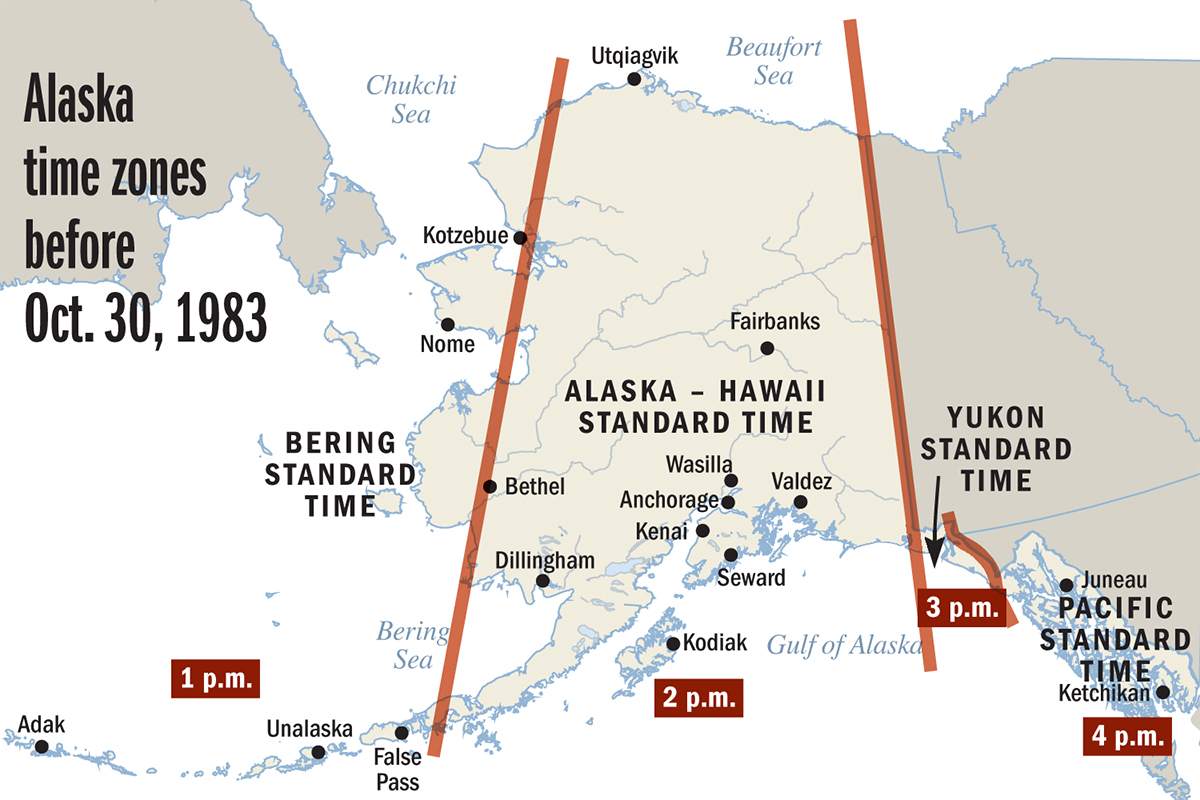
Many of Alaska’s most popular tourist activities, such as glacier cruises departing from Whittier, wildlife viewing tours in Denali National Park and Preserve, or fishing excursions in Ketchikan, operate on strict schedules. Missing a tour due to a time zone miscalculation can be a significant disappointment. For example, if you’re booked on a morning fishing charter in Ketchikan (AKST/AKDT) and you’ve mistakenly set your watch to HST, you might miss your boat. Always confirm tour departure times in the local time of the tour operator’s location. Many tour operators will clearly state the time zone for their bookings, but it’s always best to verify.
Dining and Evening Entertainment
Even seemingly simple activities like dinner reservations can be affected. If you’re dining in a city observing AKST, a 7 PM reservation is standard. However, if you’re traveling to the western Aleutian Islands that do not observe DST, a 7 PM reservation there will be an hour earlier relative to AKST. This can be particularly relevant when planning evening activities like attending a performance in Anchorage or enjoying a sunset viewing from a lodge in the interior. It’s also worth noting that during the long summer days, “evening” can extend considerably later than in lower latitudes, but adhering to your local time zone ensures you don’t miss your planned activities.
Embracing the Alaskan Daylight and Darkness
Alaska’s unique relationship with daylight hours, especially during the summer solstice and winter solstice, is intrinsically linked to its time zones.
The Midnight Sun
During the summer months, particularly in the northern parts of Alaska, the phenomenon of the “midnight sun” means that daylight can last for 20 or more hours a day. While the time zone itself doesn’t change the duration of daylight, it dictates when the clock shows midnight and when the sun is at its highest or lowest point. For instance, in Utqiagvik (formerly Barrow), the northernmost city in the United States, the sun can remain above the horizon for months. Understanding AKST/AKDT is essential for scheduling activities during these extended daylight periods, ensuring you can take full advantage of the light for exploration and photography.
Polar Night and Winter Travel
Conversely, during the winter months, many parts of Alaska experience extended periods of darkness, known as the polar night. In cities like Fairbanks, daylight hours can be as short as four to five hours. This makes the precision of timekeeping even more critical for maximizing the limited daylight for outdoor activities like dog sledding or cross-country skiing. Knowing if you are in AKST or HST, and whether DST is in effect, helps in planning your excursions and ensuring you are not caught unprepared in the dark. The spectacle of the aurora borealis, often best viewed in clear, dark skies, becomes a prime winter attraction, and timing your viewing opportunities is key.
Navigating Time Zones for a Flawless Alaskan Adventure
Mastering Alaska’s time zones is a fundamental aspect of a successful and stress-free trip. From catching your flight to experiencing the magic of the northern lights, accurate timekeeping is your silent, yet indispensable, travel companion.
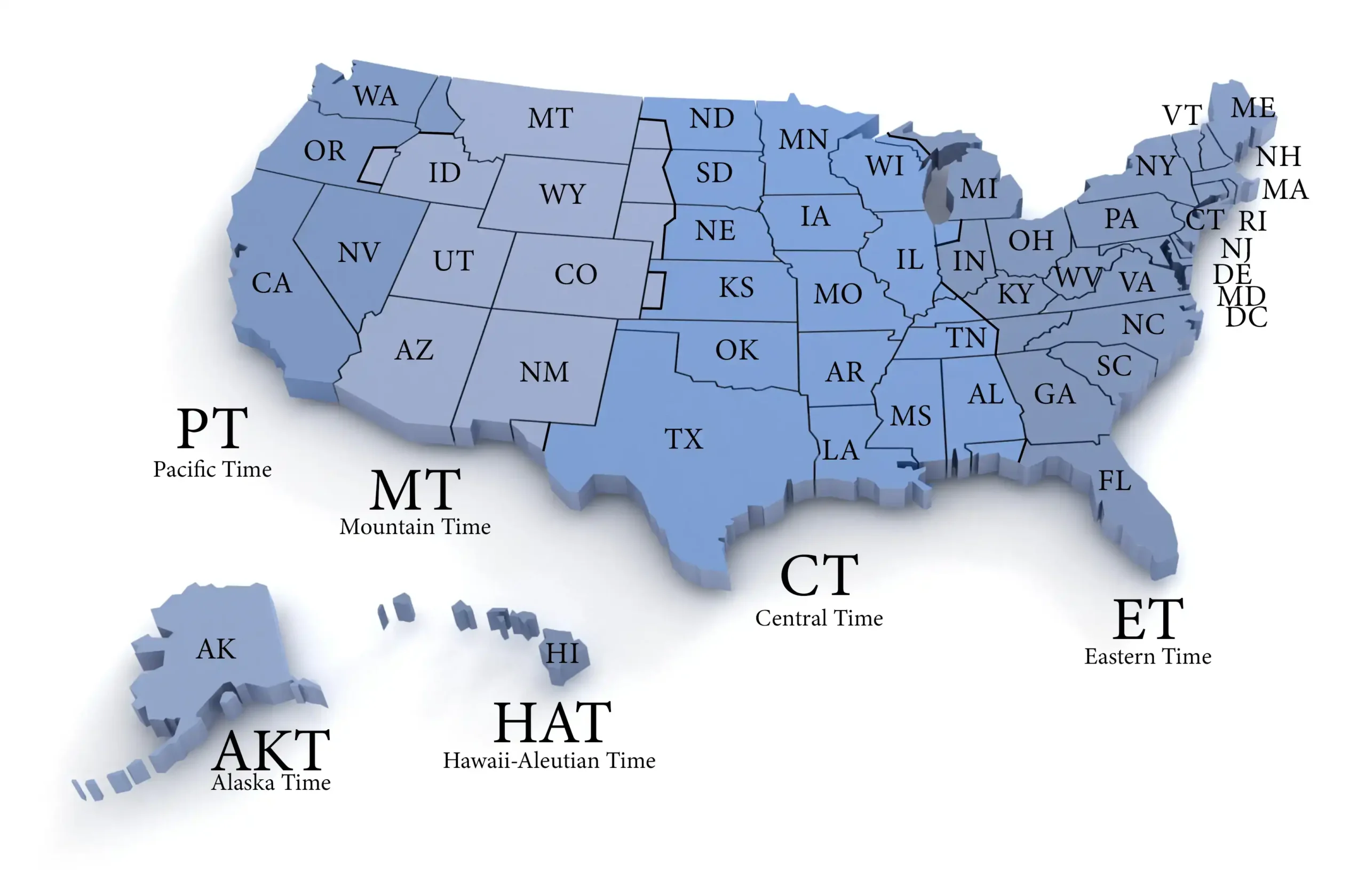
Practical Tips for Travelers
- Always Confirm Local Time: When arriving in Alaska, immediately verify the local time with your hotel, airport information, or a reliable online source. Don’t rely solely on your phone’s automatic time adjustment, which can sometimes be inaccurate when crossing time zones or during DST transitions.
- Note DST Dates: Be aware of the dates for the start and end of Daylight Saving Time in Alaska. These typically align with the US mainland, but verifying is always prudent.
- Communicate with Tour Operators: When booking any tours or activities, explicitly confirm the departure time in the local time zone of the operator.
- Account for Differences: If you are traveling between AKST/AKDT and HST/HDT regions within Alaska, factor in the one-hour difference when making plans or calls.
- Use Reliable Resources: Utilize official sources like the National Institute of Standards and Technology (NIST) or reputable travel websites to check current time and DST status for specific Alaskan locations.
By paying close attention to the nuances of Alaska’s time zones, your journey through the Last Frontier will be more enjoyable, efficient, and memorable. Whether you are exploring the glaciers of the Kenai Fjords National Park or the historic streets of Skagway, a clear understanding of time will ensure you are always in the right place at the right moment to capture every breathtaking experience.
LifeOutOfTheBox is a participant in the Amazon Services LLC Associates Program, an affiliate advertising program designed to provide a means for sites to earn advertising fees by advertising and linking to Amazon.com. Amazon, the Amazon logo, AmazonSupply, and the AmazonSupply logo are trademarks of Amazon.com, Inc. or its affiliates. As an Amazon Associate we earn affiliate commissions from qualifying purchases.