
Planning a trip to Boston means considering more than just flights and accommodations; understanding the city’s climate is paramount to curating the perfect experience. Boston, a jewel of New England, is renowned for its vibrant history, world-class attractions, and distinct four-season weather patterns. From crisp autumns painted in fiery hues to snowy winters that transform cobblestone streets into picturesque scenes, the temperature in Boston is a defining characteristic that shapes everything from daily activities to packing choices, influencing the overall enjoyment of your travel, tourism, and lifestyle experience in this dynamic metropolis.
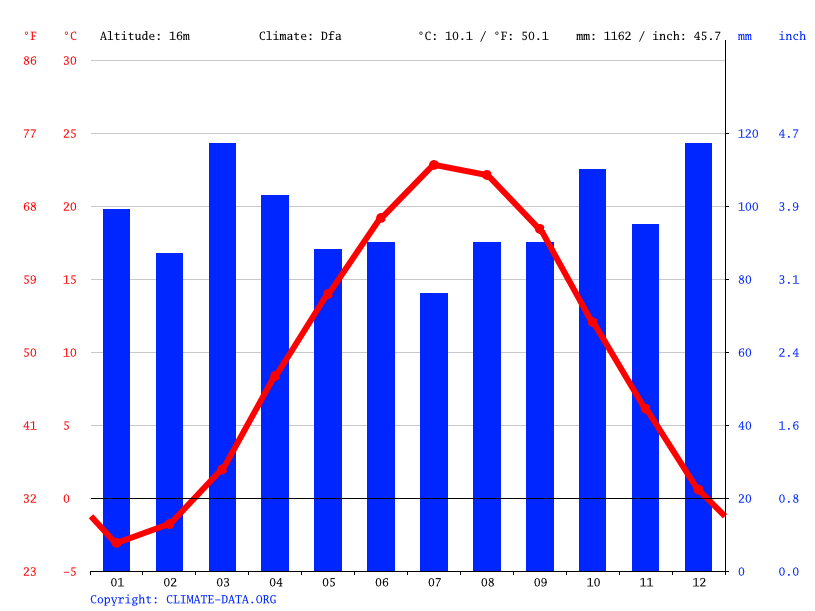
The simple answer to “What is the temperature in Boston?” is that it fluctuates dramatically throughout the year. As a coastal city in the northeastern United States, Boston experiences significant seasonal variations, with average daily temperatures ranging from below freezing in winter to highs well into the 80s°F (around 30°C) in summer. These temperature shifts aren’t just numbers on a thermometer; they dictate the rhythm of the city, the type of clothing you’ll need, the availability of outdoor activities, and even the atmosphere within its renowned hotels and local establishments. To truly appreciate what Boston has to offer, a deeper dive into its seasonal climate is essential.
Understanding Boston’s Climate: A Seasonal Overview
Boston’s climate is classified as humid continental, characterized by warm to hot, humid summers and cold, snowy, often windy winters. The transitional seasons of spring and autumn offer a delightful mix, each with its own charm and climatic nuances. Knowing what to expect temperature-wise for each season is crucial for planning your visit, ensuring comfort, and maximizing your exploration of this historic city.
Spring’s Gentle Thaw: March, April, May
As winter’s grip begins to loosen, Boston gradually awakens. March can still feel quite chilly, often experiencing a “lion and lamb” dynamic with late winter snowfalls possible alongside fleeting glimpses of warmer days. Average temperatures in March typically hover in the low 40s°F (around 4-6°C), but by April, the city starts to genuinely thaw, with averages climbing to the high 40s to low 50s°F (8-12°C). May ushers in truly pleasant conditions, with average temperatures usually settling in the low to mid-60s°F (15-18°C), making it an increasingly popular time to visit.
Rainfall is common throughout spring, often bringing those refreshing showers that contribute to the city’s blossoming beauty. The humidity levels are generally low to moderate. Early spring visitors should expect cool mornings and evenings, requiring layers, while late spring offers milder days perfect for outdoor strolling. This is the season when parks and gardens burst into life, outdoor dining patios begin to open, and the city shakes off its winter slumber, inviting travelers to explore its historic streets without the intense heat of summer or the biting cold of winter. It’s a fantastic time for those interested in local culture and the awakening of urban life.
Summer’s Vibrant Warmth: June, July, August
Boston truly comes alive in summer. From June through August, the city basks in warm to hot temperatures, coupled with moderate to high humidity. June averages are typically in the mid-70s°F (21-24°C), escalating to the high 70s and low 80s°F (25-28°C) in July and August. Heatwaves, where temperatures can soar into the 90s°F (32°C and above), are not uncommon, especially in July. The proximity to the Atlantic Ocean can sometimes moderate temperatures, but it also contributes to the humidity, making warm days feel even warmer.
Summer evenings remain warm and comfortable, often in the 60s°F (15-20°C), perfect for enjoying al fresco dining or evening strolls along the Charles River. While sunshine is abundant, summer also brings occasional thunderstorms, particularly in the late afternoon or early evening. This season is peak tourist season, drawing crowds eager to experience Boston’s outdoor attractions, festivals, and vibrant waterfront activities. Hotels often see higher occupancy, and booking accommodation well in advance is advisable for travelers seeking prime locations and amenities like air conditioning, which becomes a necessity.
Autumn’s Crisp Beauty: September, October, November
Autumn in Boston is arguably one of the most picturesque times to visit, thanks to the breathtaking fall foliage. The temperatures begin a gradual descent from the warmth of summer. September offers a delightful transition, with averages in the high 60s°F (18-20°C), often extending a pleasant “Indian summer.” By October, the crispness becomes more pronounced, and temperatures typically range from the low to mid-50s°F (10-14°C). November marks a clear shift towards winter, with averages dropping into the 40s°F (4-9°C), and the first significant cold snaps and even early snow flurries can occur.
Humidity levels are generally low, contributing to the crisp, invigorating air that makes walking tours and outdoor exploration so enjoyable. Rainfall is moderate, and sunny days are frequent, making it an ideal time for photography and enjoying the natural beauty of the city’s parks. The vibrant display of red, orange, and gold leaves transforms Boston and the surrounding New England region into a stunning landscape. This shoulder season is perfect for travelers who appreciate moderate temperatures, beautiful scenery, and often slightly smaller crowds than the bustling summer months, offering a unique blend of local culture and natural splendor.

Winter’s Icy Embrace: December, January, February
Winter in Boston is cold, characterized by freezing temperatures, significant snowfall, and occasional icy conditions. December typically sees average temperatures in the mid-30s°F (1-3°C), dropping to the low 30s and even 20s°F (around -5 to 0°C) in January and February, which are often the coldest months. Wind chills, especially those blowing in from the Atlantic, can make it feel much colder, often dipping into single digits or below 0°F (-18°C or lower).
Snowfall is a regular occurrence, ranging from light dustings to major blizzards that can temporarily disrupt travel plans. The city is well-equipped to handle snow removal, but visitors should be prepared for slick sidewalks and potential transportation delays during heavy storms. Humidity levels are generally low, but the cold can feel penetrating. Despite the chill, Boston takes on a magical, festive quality in winter, especially around the holidays. Many indoor attractions, cozy cafes, and world-class museums offer a warm refuge. Accommodation during this period can sometimes be more budget-friendly, making it an attractive option for those looking for a different kind of travel experience, perhaps focusing on local culture, culinary delights, and indoor activities. Hotels with indoor pools or fireplaces offer a particularly appealing lifestyle choice during these colder months.

Navigating Boston: Activities and Attractions Through the Seasons
The ever-changing temperatures in Boston mean that your itinerary and choice of activities will vary greatly depending on when you visit. The city offers a diverse array of experiences, perfectly adaptable to each season’s unique climate.
In spring, as the weather warms and the city blooms, focus on a mix of indoor and outdoor exploration. Take leisurely strolls through Boston Common and the Public Garden, where vibrant tulips and flowering trees create a stunning backdrop. It’s a great time for historical walking tours before the peak summer crowds. Indoor attractions like the Museum of Fine Arts or the Isabella Stewart Gardner Museum offer cultural enrichment on cooler or rainy days. The New England Aquarium is another fantastic option for families, rain or shine.
Summer in Boston is synonymous with outdoor adventure. Tackle the iconic Freedom Trail, an immersive journey through the city’s revolutionary past. Catch a Boston Red Sox game at historic Fenway Park, an quintessential Boston experience. Explore the Boston Harbor Islands National and State Park by ferry for hiking and stunning city views. Enjoy al fresco dining in the charming North End, savoring authentic Italian cuisine. Whale watching tours depart frequently, taking advantage of the warmer ocean temperatures. The city’s numerous parks and waterfront areas are perfect for picnics and relaxation.
Autumn provides the perfect conditions for enjoying Boston’s historic neighborhoods and scenic beauty. The crisp air and brilliant foliage make walking through areas like Beacon Hill, especially on famous Acorn Street, an unforgettable experience. Day trips to the surrounding New England countryside, such as New Hampshire or Vermont, for peak foliage viewing are highly recommended. Apple picking and pumpkin patches outside the city offer a classic New England experience. The less extreme temperatures are also ideal for exploring the numerous college campuses, like Harvard University or Massachusetts Institute of Technology.
In winter, when temperatures drop and snow blankets the city, Boston transforms into a cozy haven. Focus on indoor attractions and festive activities. Ice skating on the Frog Pond in Boston Common is a beloved tradition. Immerse yourself in history at the Boston Tea Party Ships & Museum. Enjoy shopping and dining at the lively Faneuil Hall Marketplace or the more upscale Copley Place and Prudential Center. Catch a Broadway show or concert at the magnificent Boston Opera House or Citi Wang Theatre. The Museum of Science and the grand Boston Public Library provide excellent indoor retreats. Many hotels, suites, and resorts offer special winter packages, often including amenities like heated pools, cozy lounges, and festive decorations, enhancing the winter lifestyle experience.
Year-round, Boston offers an exceptional culinary scene. Depending on the season, you might enjoy fresh seafood on a waterfront patio in summer, a hearty clam chowder by a fireplace in winter, or farm-to-table delights reflecting seasonal produce. The North End’s Italian restaurants, the historic charm of Quincy Market, and the trendy eateries in the South End cater to all tastes, making food a central part of the tourism experience regardless of temperature.
Packing Smart for Your Boston Adventure: A Seasonal Guide
Given Boston’s dynamic weather, intelligent packing is crucial for a comfortable and enjoyable trip. The key philosophy for any season in Boston is layers. Temperatures can fluctuate significantly even within a single day, and moving between outdoor exploration and climate-controlled indoor spaces necessitates adaptability. Comfortable walking shoes are also a non-negotiable, as Boston is a city best explored on foot.
For spring visits (March-May), pack a waterproof and windproof light to medium jacket, as well as an umbrella. Layering with sweaters, long-sleeved shirts, and t-shirts is advisable. Waterproof closed-toe shoes will be your best friend, especially in March and April. By late May, you might be able to incorporate lighter clothing, but always have a sweater or light jacket for evenings.
Summer travel (June-August) calls for lightweight, breathable clothing such as cotton or linen. Shorts, skirts, t-shirts, and sundresses are appropriate for daytime. However, always include a light sweater or cardigan for air-conditioned indoor spaces, which can be quite chilly, and for cooler evenings. Sunscreen, a hat, and sunglasses are essential. If you plan on visiting beaches (like Cape Cod, Martha’s Vineyard, or Nantucket as day trips) or enjoying waterside activities, a swimsuit is a must. Sandals or open-toed shoes are fine, but sturdy walking shoes are still important for sightseeing.
For an autumn trip (September-November), layers are once again paramount. Start with lighter layers in early September, gradually adding warmer items. Sweaters, long-sleeved shirts, and a medium-weight jacket or coat are perfect. A scarf can add both warmth and style. By November, you’ll need a warmer coat, potentially a hat and gloves, and definitely closed-toe shoes. Waterproof options are still a good idea, as autumn can bring its share of rainy days. This season’s fashion is all about cozy comfort, blending practicality with New England charm.
Winter visitors (December-February) must pack for serious cold. This means a heavy, insulated, waterproof winter coat is non-negotiable. Layering with thermal underwear, fleece, sweaters, and long-sleeved shirts is critical. Hats, gloves or mittens, and a warm scarf are essential to protect against the biting wind and cold. Waterproof, insulated boots with good traction are a must for navigating snowy and icy sidewalks. Even if your accommodation boasts luxurious amenities and indoor comfort, you’ll need to be fully prepared for the outdoor elements to fully experience Boston’s winter charm, whether you’re exploring Faneuil Hall Marketplace or simply walking to a nearby restaurant.
Remember that many hotels and apartments in Boston are well-equipped with heating and air conditioning, ensuring comfort indoors regardless of the outside temperature. However, if you are staying in older, historic accommodation, it’s always wise to check on heating/cooling systems, especially if you are sensitive to extreme temperatures.
Choosing Your Perfect Boston Season: Optimal Times to Visit
The “best” time to visit Boston largely depends on your personal preferences for temperature, activities, and crowd levels. Each season offers a distinct charm and set of experiences, catering to different travel styles and budgets.
For travelers who prefer mild temperatures and beautiful scenery, late spring (May) and early to mid-autumn (September-October) are generally considered the optimal times. The weather is pleasant for walking, the city is vibrant, and the crowds, while present, are often less intense than in summer. These shoulder seasons offer the best of both worlds: comfortable conditions for exploring outdoor landmarks like the Rose Fitzgerald Kennedy Greenway or the Freedom Trail, alongside enjoyable indoor cultural experiences. You might also find slightly better deals on accommodation during these periods compared to peak summer.
If you thrive on vibrant outdoor life, festivals, and warm weather, then summer (June-August) is your ideal choice. Be prepared for higher temperatures, humidity, and larger crowds, as this is peak tourist season. Booking hotels, especially resorts or suites with excellent amenities like pools or waterfront access, far in advance is crucial. This is the time for baseball games, harbor cruises, and outdoor dining, embracing the lively energy of the city.
For those who appreciate a festive, cozy atmosphere and don’t mind the cold, winter (December-February) can be a magical time. While the temperatures are low and snow is likely, the city glows with holiday lights, and indoor attractions provide a warm retreat. This season often presents opportunities for more budget-friendly travel and accommodation, making it an attractive option for travelers focused on local culture, museums, and a quieter, more intimate exploration of Boston. From the historical significance of Plymouth to the mysterious allure of Salem, even winter day trips can be captivating with the right preparation.
Ultimately, Boston’s temperature is a character in itself, shaping the city’s personality throughout the year. Whether you dream of sun-drenched historical walks, crisp autumn foliage tours, or cozy winter evenings by a fireplace, understanding the seasonal climate is your first step to unlocking an unforgettable travel experience in this historic and dynamic New England gem. By planning your trip with the expected temperatures in mind, you can ensure that your visit to Boston is not just comfortable, but truly optimized for your chosen adventures and lifestyle.
LifeOutOfTheBox is a participant in the Amazon Services LLC Associates Program, an affiliate advertising program designed to provide a means for sites to earn advertising fees by advertising and linking to Amazon.com. Amazon, the Amazon logo, AmazonSupply, and the AmazonSupply logo are trademarks of Amazon.com, Inc. or its affiliates. As an Amazon Associate we earn affiliate commissions from qualifying purchases.